
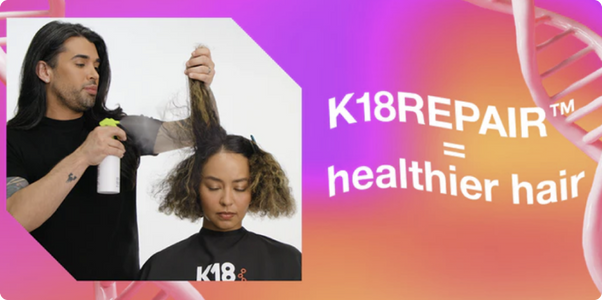
Bleached hair can feel like a science experiment gone wrong. One day you're loving your fresh platinum look, the next you're dealing with straw-like strands that snap at the slightest touch. If you're wondering how to repair bleached hair that's lost its strength and shine, you're not alone. Chemical processing strips away natural proteins and breaks molecular bonds, leaving hair vulnerable and damaged.
The good news is that modern hair science offers targeted solutions. While you can't completely reverse severe bleach damage, you can rebuild strength, restore flexibility, and dramatically improve your hair's health and appearance. The key lies in understanding what bleaching actually does to your hair structure and choosing treatments that address damage at the molecular level.
This guide breaks down the most effective repair strategies, from bond-building treatments to protein restoration, so you can create a recovery plan that actually works for your specific damage level.
What Happens When Bleach Damages Your Hair
Bleaching doesn't just lighten colour - it fundamentally alters your hair's internal structure. The chemical process breaks down melanin pigments while simultaneously destroying the protein bonds that give hair its strength and elasticity.
Why Bleached Hair Becomes Weak and Brittle
During bleaching, several types of damage occur simultaneously. The outer cuticle layer becomes raised and rough, while internal keratin proteins are broken down. Disulfide bonds - the structural links that maintain hair's shape and strength - are severed, leaving strands fragile and prone to breakage.
This damage is cumulative. Each bleaching session compounds the problem, which is why hair that's been lightened multiple times often develops that telltale "cotton candy" texture - mushy when wet, brittle when dry.
-
Protein loss leads to weak, stretchy hair that breaks easily
-
Cuticle damage causes rough texture and tangles
-
Moisture loss results in dryness and lack of shine
-
Bond breakage reduces hair's natural elasticity
Which Repair Treatments Actually Work for Bleach Damage
Not all hair treatments are created equal when it comes to bleach damage. The most effective solutions target specific types of molecular damage rather than just coating the hair surface with temporary fixes.
Bond-Building Treatments for Structural Repair
Bond-building treatments work by reconnecting broken disulfide bonds within the hair shaft. These treatments are particularly effective for bleach damage because they address the root cause of weakness and brittleness.
Professional-grade bond builders can significantly improve hair strength and elasticity. However, it's worth noting that different products work through different mechanisms, so what works brilliantly for one person may not deliver the same results for another. Some hair types may even experience temporary brittleness as the hair adjusts to increased protein levels.
For optimal results, bond-building treatments should be used consistently over several weeks rather than as one-off treatments.
Protein Treatments for Strength Restoration
When bleached hair feels mushy or overstretched, protein treatments can help restore structural integrity. These treatments work by temporarily filling in gaps in the hair's protein matrix, providing immediate strength and reducing breakage.
Signs your bleached hair needs protein include:
-
Hair that stretches excessively when wet
-
Limp, lifeless texture
-
Increased breakage during styling
-
Cotton candy-like feel when dry
However, protein treatments require careful timing. Overuse can make hair feel stiff and brittle, so most damaged hair benefits from protein treatments every 4-6 weeks rather than weekly application.
How To Create an Effective Bleach Damage Repair Routine
Repairing bleached hair requires a strategic approach that combines multiple treatment types while avoiding common pitfalls that can worsen damage.
Should You Alternate Between Different Treatment Types
The most successful repair strategies involve rotating between bond builders, protein treatments, and intensive moisture treatments rather than relying on a single product type. This approach prevents overloading the hair with one type of treatment while addressing all aspects of bleach damage.
A balanced rotation might look like this:
|
Week |
Treatment Focus |
Expected Benefit |
|---|---|---|
|
Week 1 |
Bond building treatment |
Structural repair and strength |
|
Week 2 |
Protein treatment |
Fill gaps in damaged areas |
|
Week 3 |
Deep moisture mask |
Hydration and flexibility |
|
Week 4 |
Bond building treatment |
Continue structural repair |
Why Clarifying Before Treatment Matters
Product buildup can prevent repair treatments from penetrating effectively into damaged hair. Regular clarifying helps ensure that bond builders and protein treatments can reach the areas where they're needed most.
Consider clarifying weekly if you use multiple styling products, or monthly if your routine is minimal. The key is removing barriers without over-stripping already damaged hair.
What Realistic Timeline Should You Expect for Bleach Damage Recovery
Recovery from bleach damage isn't instant, and managing expectations is crucial for maintaining a consistent repair routine. Most people begin seeing improvements within 2-3 weeks, with significant progress typically visible around the 6-week mark.
How Long Does It Take for Hair to Feel Stronger
The first signs of improvement usually appear within 10-14 days of starting a consistent repair routine. Hair may feel less prone to breakage during styling, and wet combing becomes easier. However, complete recovery can take several months depending on the severity of damage.
Realistic milestones include:
-
Week 2-3 - Reduced breakage during styling and washing
-
Week 4-6 - Improved texture and easier detangling
-
Week 8-12 - Noticeable shine and flexibility return
-
Month 3-6 - Hair feels significantly healthier overall
When Damage Might Be Beyond Repair
Some bleach damage is so severe that the only solution is cutting off the compromised lengths and starting fresh. Hair that dissolves when wet, snaps with minimal tension, or has a gummy texture may be too damaged for topical treatments to restore effectively.
In these cases, strategic trimming every 6-8 weeks while growing out healthier hair is often the most practical approach.
How To Prevent Further Damage While Repairing Bleached Hair
Successful repair isn't just about what you add to your hair - it's equally about what you avoid. Preventing additional damage while your hair recovers is essential for seeing real progress.
Why Taking Breaks from Chemical Processing Is Essential
The most important step in any bleach damage repair plan is avoiding further chemical processing until hair health improves. This means no additional bleaching, no chemical straightening, and being cautious with permanent colour changes.
Professional colourists often recommend minimum 3-6 month breaks between bleaching sessions, with some suggesting up to 9 months for severely damaged hair. During this recovery period, understanding which styling procedures cause additional damage helps you make informed decisions about your routine.
How Heat Styling Affects Repair Progress
Heat styling tools can significantly slow repair progress by creating additional weak points in already compromised hair. While you don't need to eliminate heat entirely, reducing frequency and always using heat protection can make a substantial difference.
Protective strategies include:
-
Air drying when possible, using heat only for finishing
-
Lower temperature settings (below 150°C for most damaged hair)
-
Always applying heat protectant before styling
-
Using ionic or ceramic tools that distribute heat more evenly
Does Pre-Wash Oil Treatment Help with Damage
Pre-shampoo oil treatments create a protective barrier that reduces moisture loss during washing. This technique is particularly beneficial for bleached hair, which is already prone to dryness and further damage from cleansing.
Apply a lightweight oil from mid-length to ends 15-30 minutes before shampooing. This simple step can significantly reduce breakage during the washing process while improving overall hair condition over time.
Which Professional-Grade Solutions Work Best for At-Home Repair
Professional-quality treatments are now available for home use, making it possible to achieve salon-level results with consistent application. The key is choosing products that target your specific type of damage.
How Molecular Repair Technology Works
Advanced molecular repair treatments work by targeting damaged keratin chains within the hair shaft. These treatments can penetrate deep into the hair structure to rebuild broken bonds and restore flexibility. Different molecular repair solutions work through varying mechanisms, so finding the right match for your damage type is important.
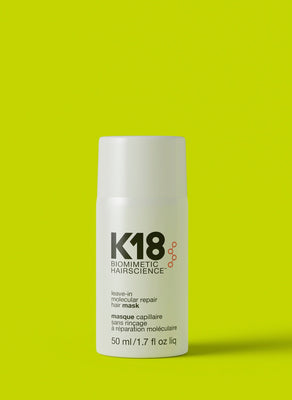
The K18 Leave-In Molecular Repair Mask uses bioactive peptide technology to target specific keratin chains damaged during bleaching. Applied to clean, towel-dried hair, it works in just 4 minutes to restore strength and elasticity.
[product-feature="k18-retail-leave-in-molecular-repair-hair-mask-50ml"]
Why Complete Repair Systems Often Work Better Than Single Products
Comprehensive repair systems that include cleansing, treatment, and protection steps often deliver better results than individual products used alone. This approach ensures that each step supports the overall repair process without working against other products in your routine.
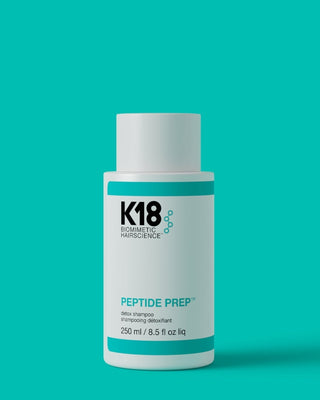
The K18 Prep + Repair At-Home Duo combines a detoxifying shampoo with molecular repair treatment, creating an optimal environment for recovery. The detox shampoo removes buildup that could interfere with treatment penetration, while the repair mask works on molecular damage.
[product-feature="k18-prep-repair-at-home-duo"]
How To Maintain Progress and Prevent Future Bleach Damage
Once you've invested time and effort in repairing bleached hair, maintaining that progress becomes crucial. This involves both ongoing protective care and making informed decisions about future chemical processes.
What Daily Protection Should You Use
Daily protection for repaired bleached hair focuses on maintaining moisture levels and preventing environmental damage. Look for leave-in treatments that provide ongoing protection without weighing hair down.
Revitalising lightened hair requires consistent daily care, not just weekly treatments. Lightweight oils, leave-in conditioners, and UV protection all play important roles in maintaining repair progress.
A maintenance routine might include:
-
Protective shampoo and conditioner designed for chemically processed hair
-
Weekly intensive treatment to maintain strength and flexibility
-
Daily leave-in protection with heat defense properties
-
Monthly clarifying to prevent product buildup
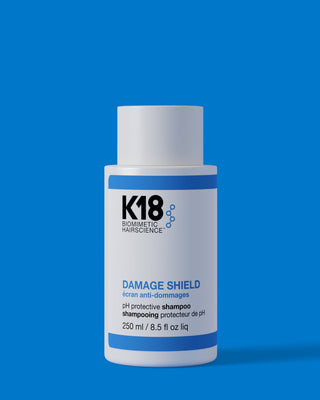
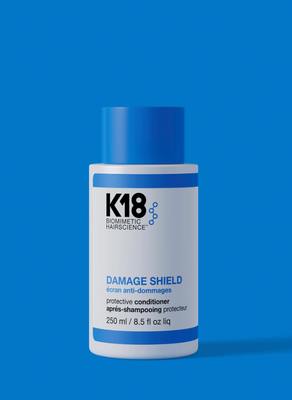
The Damage Shield Protective Shampoo & Conditioner Routine provides daily cleansing that won't strip away repair progress while adding protective elements to prevent future damage.
[collection-carousel="maintainance-routine-new"]
When Is It Safe to Consider Additional Chemical Processing
Deciding when bleached hair is healthy enough for additional chemical processing requires honest assessment of its current condition. Hair should feel strong, elastic, and manageable before considering further lightening or chemical treatments.
Safe indicators include:
-
Minimal breakage during normal styling
-
Hair stretches 30-50% when wet without snapping
-
Smooth cuticle texture without excessive roughness
-
Good shine and movement when dry
Even when hair feels recovered, spacing chemical processes appropriately prevents returning to the damage cycle. Most professionals recommend minimum 8-12 week intervals between significant chemical treatments.
What To Do Next for Your Bleached Hair Recovery
Starting your bleach damage repair journey doesn't need to be overwhelming. Begin with a realistic assessment of your hair's current condition, then choose treatments that address your most pressing concerns first.
For immediate action, focus on stopping further damage while introducing gentle repair treatments. A clarifying treatment followed by a bond-building mask can provide quick improvements while setting the foundation for longer-term recovery.
[tip-text="Start with one new treatment at a time so you can track what's working. Adding too many products at once makes it impossible to identify which ones are helping your specific damage type."]
The K18 Detox Shampoo + Repair Mask Routine Bundle provides everything needed to start molecular repair immediately. The detox shampoo clears away buildup while the molecular repair mask begins rebuilding damaged bonds from the first use.
[product-feature="k18-detox-shampoo-repair-mask-routine-bundle"]
Remember that consistency matters more than perfection. A simple routine followed regularly will deliver better results than an elaborate system used sporadically. Track your progress through photos and notes about how your hair feels during styling - this helps you adjust your approach as your hair responds to treatment.
Key Takeaways for Successful Bleach Damage Repair
Repairing bleached hair successfully requires patience, consistency, and realistic expectations. While severe damage can't be completely reversed, strategic treatment can dramatically improve hair health, strength, and appearance.
The most effective approach combines targeted treatments that address different aspects of damage while preventing additional harm through protective daily care. Recovery timelines vary significantly based on damage severity, but most people see meaningful improvements within 4-6 weeks of consistent treatment.
Most importantly, remember that healthy hair is a long-term investment. The habits you build during repair - gentle handling, protective styling, and regular treatments - will serve you well beyond the recovery period, helping maintain beautiful hair regardless of future chemical adventures.
