
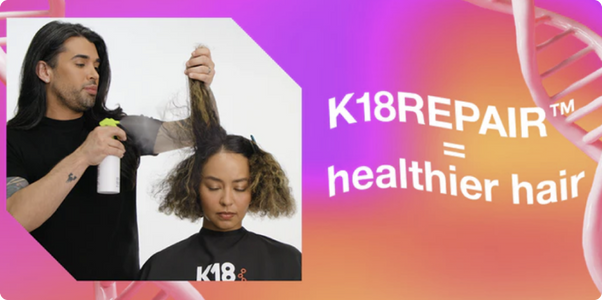

Hair breakage affects millions of Australians, from fine-haired individuals struggling with snapping strands to those dealing with chemical damage from colouring and heat styling. If you've been researching ways to strengthen your hair, you've likely come across claims about silica supplements for hair breakage prevention.
Silica, a mineral compound found naturally in foods like oats and leafy greens, has gained attention for its potential role in supporting hair structure. But before you rush to the supplement aisle, it's crucial to understand what the science actually says about silica's effectiveness versus other proven approaches to preventing hair breakage.
This article examines the evidence behind silica supplementation, explores how hair breakage actually occurs at the molecular level, and reveals the most effective strategies for protecting your strands from damage.
What is silica and how does it relate to hair health
Silica, also known as silicon dioxide, is one of the most abundant minerals on Earth. In the human body, silica plays a role in collagen synthesis and may contribute to the structural integrity of connective tissues, including hair follicles.
Where silica occurs naturally
Your body contains small amounts of silica, primarily concentrated in connective tissues. Natural dietary sources include:
-
Whole grains such as oats and brown rice
-
Leafy green vegetables like spinach
-
Bananas and other fruits
-
Root vegetables including potatoes
-
Mineral-rich water
Research shows that the average adult consumes approximately 20-50 milligrams of silica daily through food, though absorption rates vary significantly between individuals.
How silica theoretically supports hair structure
Proponents of silica supplementation suggest the mineral strengthens hair by supporting collagen production around hair follicles. The theory suggests that increased collagen synthesis creates a more robust foundation for hair growth, potentially reducing breakage at the follicle level.
However, evidence from dermatological research confirms that hair breakage most commonly occurs along the hair shaft itself, not at the follicle. This distinction is crucial when evaluating whether silica supplements can meaningfully prevent the type of breakage most people experience.
What actually causes hair breakage
Understanding the true mechanisms of hair breakage reveals why focusing solely on supplements may miss the mark. Hair damage occurs through multiple pathways that affect the hair's protein structure.
Chemical damage from colouring and processing
Chemical treatments alter the hair's keratin protein chains, creating weak points where breakage occurs. Bleaching, in particular, strips the hair's natural protective layer and compromises its structural integrity at the molecular level.
Heat damage from styling tools
Excessive heat causes protein denaturation within the hair shaft. When keratin proteins lose their natural structure, the hair becomes brittle and prone to snapping under normal mechanical stress. According to styling experts, the risk varies with hair type and condition, though temperatures exceeding certain thresholds consistently damage hair structure.
Mechanical stress and friction
Daily activities create ongoing stress on hair strands. Common causes include:
-
Aggressive brushing, especially when hair is wet
-
Tight hairstyles that create tension
-
Friction from pillowcases and clothing
-
Elastic bands and hair accessories
|
Damage Type |
Primary Cause |
Prevention Strategy |
|---|---|---|
|
Chemical Damage |
Bleach, colour, relaxers |
Molecular repair treatments |
|
Heat Damage |
Styling tools over 180°C |
Heat protectants, lower temperatures |
|
Mechanical Damage |
Brushing, styling tension |
Gentle handling, protective styles |
What does the research say about silica supplements for hair
The scientific evidence for silica supplementation and hair breakage prevention remains limited. Most studies focus on silica's role in general connective tissue health rather than specific hair benefits.
Limited clinical evidence for hair benefits
While some preliminary research suggests silica may support overall hair health, robust clinical trials specifically examining breakage prevention are lacking. The studies that do exist often have small sample sizes or examine silica as part of multi-nutrient formulations, making it difficult to isolate its individual effects.
Importantly, current research acknowledges that the evidence is still emerging and further investigation is needed to establish definitive claims about silica's hair benefits. This evidence gap means consumers should approach silica supplementation with realistic expectations.
Individual response variation
Even if silica does provide some hair benefits, individual responses vary significantly based on factors such as:
-
Existing nutrient status
-
Hair type and texture
-
Current damage level
-
Genetic factors affecting mineral absorption
This variation explains why some people report positive experiences with silica supplements while others notice no difference in their hair's strength or breakage rate.
How do proven hair strengthening approaches actually work
Rather than relying solely on supplements, effective hair breakage prevention focuses on addressing damage at its source and repairing existing structural problems.
Molecular repair technology
Advanced hair treatments work by targeting damaged keratin chains directly within the hair shaft. These treatments penetrate beyond the surface to rebuild broken protein bonds, creating measurably stronger hair that resists breakage under normal stress.
Unlike supplements that work systemically, topical treatments deliver active ingredients precisely where damage occurs, making them more efficient for addressing existing breakage patterns.
Protective product formulations
Effective breakage prevention often involves products that create a protective barrier around hair strands. Despite some consumer concerns, research shows that certain protective ingredients enhance shine and provide UV protection without causing damage.
The key lies in choosing formulations designed for your specific hair type. Fine hair may require lighter protective products, while chemically processed hair typically benefits from more intensive barrier protection.
[collection-carousel="treatment"]
Which hair types benefit most from different approaches
Your hair's specific characteristics determine which breakage prevention strategies will be most effective. Understanding your hair type helps guide decision-making about supplements versus targeted treatments.
Fine hair considerations
Fine hair faces unique challenges with both supplements and topical treatments. Some individuals with superfine hair report that heavy protective products make their hair feel weighted down or greasy, potentially leading to increased manipulation and breakage.
For fine hair, lightweight molecular repair treatments often prove more beneficial than systemic approaches like supplementation, which may not address the specific mechanical vulnerabilities of delicate strands.
Chemically processed hair needs
Hair that has undergone chemical processing requires targeted repair strategies. Supplements alone cannot reverse the molecular-level damage caused by bleaching, colouring, or chemical relaxing.
Combining gentle cleansing with intensive repair treatments typically yields better results than supplementation for chemically damaged hair. The approach focuses on rebuilding damaged protein structures rather than hoping to prevent damage through systemic mineral support.
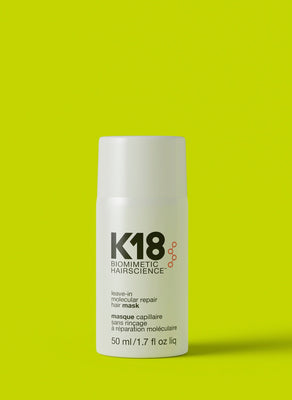
[product-feature="k18-leave-in-molecular-repair-hair-mask-15ml"]
When multiple approaches make sense
Some individuals benefit from combining targeted topical treatments with supportive lifestyle measures, including proper nutrition. However, this doesn't necessarily mean supplements are the most efficient path to better hair health.
What should you do if you're experiencing hair breakage
Rather than starting with supplements, effective breakage management begins with identifying the primary cause of damage and addressing it directly.
Assess your current hair care routine
Examine your daily practices for potential breakage triggers such as:
-
Brushing wet hair aggressively
-
Using heat tools without protection
-
Sleeping on rough pillowcase fabrics
-
Pulling hair into tight styles regularly
Simple adjustments to these practices often reduce breakage more effectively than adding supplements to an otherwise damaging routine.
Consider professional assessment
A qualified stylist can examine your hair under magnification to identify specific damage patterns and recommend targeted solutions. Professional assessment reveals whether breakage stems from chemical damage, heat damage, or mechanical stress, guiding more effective treatment choices.
[tip-text="Professional hair analysis can identify damage patterns invisible to the naked eye, helping target the most effective treatments for your specific breakage issues."]
Start with proven repair strategies
Before exploring supplements, consider evidence-based approaches such as:
-
Molecular repair treatments for chemical damage
-
Heat protection for styling-related breakage
-
Gentle handling techniques for mechanical damage
-
Protective sleeping accessories such as silk pillowcases
These strategies directly address the mechanisms causing breakage, often producing faster and more noticeable results than systemic approaches.
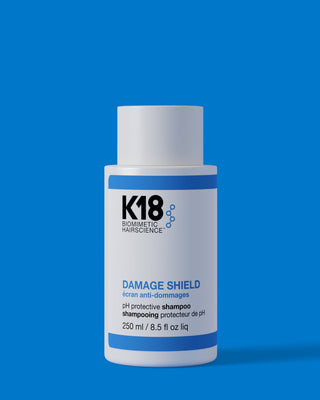
[product-feature="k18-damage-shield-protective-shampoo"]
How to make informed decisions about hair supplements
If you're still considering silica supplementation despite the limited evidence, approach the decision systematically to maximise potential benefits and minimise wasted effort.
Evaluate your current nutrient status
Before adding any supplement, consider whether you're getting adequate nutrition from food sources. Most Australians consume sufficient silica through a varied diet, making supplementation potentially unnecessary.
Focus first on ensuring adequate intake of nutrients with stronger hair research backing, such as protein, iron, and B vitamins, before exploring less established supplements like silica.
Set realistic expectations and timeframes
If you choose to try silica supplementation, understand that any potential benefits would likely take months to become apparent and may be subtle. Studies show that hair improvements from supplementation typically require 3-9 months to manifest. Hair grows slowly, and systemic changes take time to manifest in visible improvements.
Meanwhile, topical treatments can often produce measurable strength improvements within weeks, making them more practical for individuals seeking relatively quick results.
[collection-carousel="bestsellers"]
What the research says about silica for hair
-
Small clinical studies suggest silica may improve hair strength and reduce breakage in fine hair over 9 months
-
Evidence shows silica supports collagen production, which may benefit hair follicle structure
-
Most people get adequate silica from food sources like whole grains and leafy vegetables
-
The evidence is still emerging on optimal dosing and long-term effects
-
Experts have different views on whether supplementation offers significant advantages over dietary sources
-
We don't yet know for sure how silica compares to proven topical treatments for hair repair
What to do next for stronger hair
Rather than hoping for a single supplement solution, effective breakage prevention requires a comprehensive approach tailored to your hair's specific needs and damage patterns.
Start by examining your current routine for breakage triggers, then implement targeted solutions based on your primary damage sources. For most people, this means prioritising proven topical treatments over unproven systemic approaches.
Focus on gentle handling techniques, appropriate product selection for your hair type, and regular use of treatments designed to repair existing damage at the molecular level. These evidence-based strategies typically deliver more noticeable improvements than supplementation alone.
[tip-text="Track your hair's response to changes over 6-8 weeks, as this timeframe allows you to see meaningful improvements from effective treatments while avoiding the frustration of expecting overnight results."]
Key takeaways about silica and hair breakage
While silica supplements may offer some theoretical benefits for hair health, the current evidence doesn't strongly support their use as a primary strategy for preventing hair breakage. Most hair breakage occurs due to chemical, heat, or mechanical damage that requires targeted topical treatments rather than systemic supplementation.
Your time and money are likely better invested in proven approaches such as molecular repair treatments, heat protection, and gentle handling techniques. These strategies address breakage at its source and often produce faster, more noticeable results.
Remember that individual hair needs vary significantly, and what works for one person may not suit another. Focus on identifying your specific damage patterns and choosing treatments accordingly, rather than hoping for a one-size-fits-all supplement solution.
