
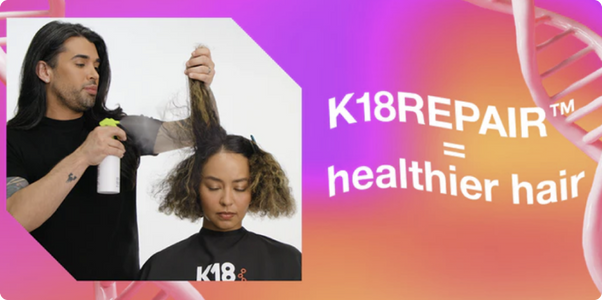

If you've noticed your hair snapping more easily or looking frazzled lately, you might be wondering whether stress and hair breakage are connected. The short answer is yes - stress can absolutely cause hair breakage, though the evidence shows it happens through both direct biological pathways and stress-related behaviours that damage hair.
Stress affects your hair through multiple pathways. While most people think of stress causing hair to fall out, research shows it can also disrupt the hair growth cycle and weaken individual strands, though the evidence for direct strand weakening is still emerging. Understanding how stress damages hair - and what other factors might be at play - helps you tackle the problem at its root.
This isn't just about managing stress levels. Chemical treatments, mechanical damage from styling habits, and even subtle changes in your hair care routine can all contribute to sudden breakage that seems to appear overnight.
How Does Stress Actually Break Your Hair
Stress impacts hair breakage through both biological and behavioural mechanisms. At the molecular level, chronic stress triggers the release of corticosterone, a hormone that suppresses crucial molecules needed for healthy hair follicle function. Studies have found that this hormone acts on dermal papilla cells to suppress GAS6, a key molecule that activates hair follicle stem cells.
What Happens Inside Your Hair Follicles During Stress
When you're under prolonged stress, your body produces hormones that can disrupt the normal hair growth cycle. Evidence shows this disruption pushes growing hairs prematurely into a resting phase, leading to increased shedding, though the evidence for direct weakening of existing strand structure is less conclusive.
Research shows that stress hormones can interfere with the stem cells responsible for hair regeneration. Recent studies demonstrate that when these stem cells become less active due to stress, your hair doesn't just grow slower - the regeneration process itself becomes impaired, though more research is needed on whether this creates more fragile strands.
How Stress Changes Your Hair Care Habits
Beyond the biological effects, stress often leads to behaviours that directly damage hair, though the research on these behavioural changes is still developing. Common stress-related habits include:
-
Pulling or tugging at hair when anxious or concentrating
-
Tying hair up more frequently or tightly
-
Neglecting regular hair care routines
-
Using heat styling tools more often for quick fixes
These mechanical stresses create weak points along the hair shaft, particularly where hair is pulled or twisted repeatedly. The damage often appears suddenly because hair breaks at its weakest point after accumulating stress over time.
What Other Factors Contribute to Sudden Hair Breakage
While stress plays a significant role, it rarely acts alone. Multiple factors often combine to create the perfect storm for hair breakage.
Why Chemical Treatments Cause Delayed Damage
Chemical treatments like bleaching, colouring, and even toning can cause breakage weeks or months after application. Research indicates that oxidative chemicals used in these processes cause ongoing oxidative stress, damaging hair cuticles, increasing porosity, and reducing mechanical strength long after the initial treatment.
Even if you haven't had your ends directly coloured, developer from toners and root touch-ups can migrate down the hair shaft. Industry studies show this creates cumulative damage that becomes apparent only when the hair reaches its breaking point.
|
Treatment Type |
Damage Timeline |
Typical Breakage Pattern |
|---|---|---|
|
Bleaching/Lightening |
Immediate to 4-6 weeks |
Mid-shaft and ends |
|
Toner Application |
2-8 weeks delayed |
Ends and previously processed areas |
|
Regular Colouring |
6-12 weeks cumulative |
Overlapping sections |
How Mechanical Damage Builds Up Over Time
Daily habits create micro-damage that accumulates until hair suddenly snaps. The oldest parts of your hair - typically the ends - are most vulnerable because they've endured the most wear.
Common sources of mechanical damage include:
-
Pulling hair from under bag straps or clothing
-
Sleeping with wet hair in tight styles
-
Using elastic bands or clips repeatedly in the same spots
-
Brushing aggressively when hair is tangled
This type of damage often appears in specific patterns or locations, helping you identify the source and adjust your habits accordingly.
What Are the Warning Signs of Stress-Related Hair Damage
Recognising early signs of stress-related hair damage helps you intervene before breakage becomes severe. The symptoms often develop gradually before becoming obvious.
How to Identify Different Types of Hair Damage
Stress-related breakage has distinct characteristics that separate it from other types of damage. Understanding these patterns helps you target the right solutions.
Elastic or stretchy hair often indicates internal damage where the protein structure has been compromised. When you gently stretch a wet strand, it may extend significantly before snapping back or breaking entirely. This suggests the keratin bonds that give hair its strength have been weakened, often through a combination of stress and external factors.
For detailed guidance on addressing elastic hair texture, our comprehensive guide to fixing elastic hair explains the underlying causes and targeted repair strategies.
Gummy or mushy hair when wet represents another form of internal damage. This texture change indicates that the hair's internal structure has been compromised to the point where it can't maintain its normal firmness.
Learn more about identifying and treating gummy hair texture in our detailed analysis of gummy hair causes and solutions.
What Normal Versus Concerning Breakage Looks Like
Some hair breakage is completely normal. Healthy hair typically sheds 50-100 strands daily, and occasional breakage from styling is expected. However, certain patterns suggest underlying problems.
Concerning signs include:
-
Sudden increase in broken hairs with white bulb-like ends
-
Breakage concentrated in specific areas rather than distributed evenly
-
Hair that breaks with minimal manipulation
-
Visible short, broken pieces creating a "halo" effect
-
Changes in hair texture accompanied by increased breakage
These patterns often indicate that internal hair structure has been compromised and requires targeted intervention rather than just surface conditioning.
How Can You Prevent and Treat Stress-Related Hair Breakage
Addressing stress-related hair breakage requires both managing the underlying stress and repairing existing damage. The most effective approach combines lifestyle changes with targeted hair treatments.
What Immediate Steps Help Stop Further Damage
The first priority is preventing additional breakage while your hair recovers. This means identifying and eliminating sources of mechanical stress.
Simple protective measures include:
-
Sleeping with hair in loose, low ponytails or plaits
-
Using silk or satin pillowcases to reduce friction
-
Avoiding tight hairstyles that create tension points
-
Being gentler when detangling wet hair
-
Taking breaks from heat styling tools
Regular trims become crucial when dealing with breakage. Older hair at the ends is more fragile and prone to splitting, so removing damaged sections prevents further breakage from travelling up the hair shaft.
Which Treatments Target Internal Hair Damage
Surface conditioning treatments can temporarily improve the appearance of damaged hair, but they don't address internal structural damage. For stress-related breakage, you need treatments that work at the molecular level.
Peptide-based treatments penetrate the hair shaft to rebuild damaged keratin chains from within. Recent research shows that peptides can interact with keratin via disulfide bonds to repair cuticle damage, though the evidence for rebuilding entire keratin chains is still emerging. Unlike traditional conditioning treatments that only coat the hair surface, these treatments work to repair internal structural damage.
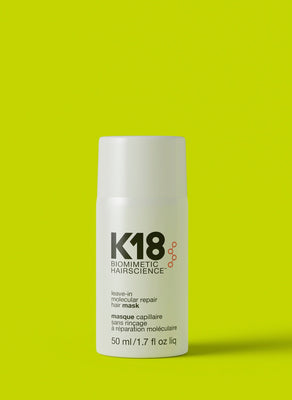
The K18 Leave-in Molecular Repair Hair Mask uses patented peptide technology to target internal damage, making it particularly effective for stress-compromised hair that needs structural repair.
[collection-carousel="treatment-new"]
What the Research Shows About Hair Recovery
Understanding the science behind hair recovery helps set realistic expectations and choose the most effective treatments. Here's what current research tells us:
-
Stress hormones like corticosterone can suppress key molecules needed for healthy follicle function, but this process can be reversed once stress levels decrease
-
Chemical treatments create ongoing oxidative damage that weakens hair structure over time, making targeted repair treatments essential
-
Hair follicle stem cells can recover from stress-induced disruption, though the timeline varies significantly between individuals
-
Evidence for direct strand strengthening through topical treatments is still emerging, with most studies focusing on surface improvements rather than internal structural repair
-
The relationship between stress-related behaviours and mechanical hair damage needs more research to establish clear causal links
When Should You Expect to See Improvement
Recovery timelines for stress-related hair breakage vary significantly depending on the severity of damage and consistency of treatment. Understanding realistic expectations helps you stay committed to your repair routine.
What Happens During the Hair Recovery Process
Hair recovery occurs in phases, with some improvements visible immediately and others taking months to fully manifest. The first changes you'll notice are typically improvements in texture and manageability.
Within the first 2-4 weeks of consistent treatment, hair often becomes less prone to tangling and feels smoother during styling. However, visible length retention and reduction in breakage may take longer to become apparent, though research on specific timelines for breakage reduction is still limited.
|
Recovery Phase |
Timeline |
Expected Changes |
|---|---|---|
|
Immediate |
First treatment |
Improved texture and manageability |
|
Short-term |
2-4 weeks |
Reduced tangling and breakage during styling |
|
Medium-term |
6-8 weeks |
Visible reduction in new breakage |
|
Long-term |
3-6 months |
Overall hair health and length retention |
How to Track Your Progress Effectively
Documenting your hair's condition helps you identify what's working and adjust your approach if needed. Take photos in consistent lighting and hair positions to track changes objectively.
Pay attention to:
-
Number of broken hairs in your brush or sink after styling
-
How much hair breaks when you run your fingers through it
-
Changes in hair texture when wet and dry
-
Length retention over time
If you're not seeing improvement after 8-10 weeks of consistent treatment, it may indicate that other factors are contributing to the breakage, such as ongoing chemical damage or nutritional deficiencies.
What Complete Hair Recovery Looks Like
Recovering from stress-related hair breakage isn't just about stopping the damage - it's about rebuilding hair that's stronger and more resilient than before. This requires a comprehensive approach that addresses both internal repair and external protection.
How to Build a Sustainable Hair Recovery Routine
A successful recovery routine balances intensive repair treatments with gentle maintenance practices. The goal is to rebuild internal hair structure while protecting against future damage.
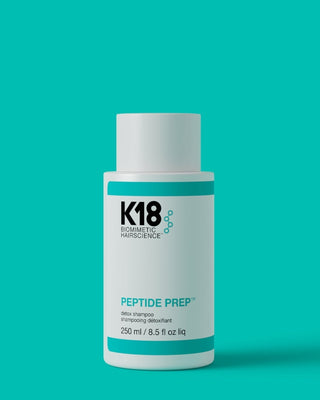
For comprehensive hair recovery, consider combining targeted repair treatments with protective styling and stress management techniques. The K18 Detox Shampoo and Repair Mask Bundle provides both cleansing that removes damaging buildup and intensive repair in one comprehensive system.
This approach is particularly effective for hair that has experienced both chemical processing and stress-related damage, as it addresses multiple damage mechanisms simultaneously.
[product-feature="k18-detox-shampoo-repair-mask-routine-bundle"]
What Long-term Maintenance Prevents Future Breakage
Once your hair has recovered, maintaining its health requires ongoing attention to both stress management and hair care practices. The habits you develop during recovery often become the foundation for long-term hair health.
Effective long-term maintenance includes:
-
Regular stress management through exercise, meditation, or other proven techniques
-
Consistent use of strengthening treatments to maintain internal hair structure
-
Protective styling practices that minimise mechanical damage
-
Regular trims to prevent split ends from travelling up the hair shaft
-
Mindful chemical processing with adequate recovery time between treatments
Remember that hair health is often a reflection of overall wellness. Managing stress, maintaining good nutrition, and using targeted hair treatments work together to create the optimal environment for strong, healthy hair growth.
For ongoing support and treatment options tailored to your specific needs, explore our complete range of scientifically-backed solutions designed to address internal hair damage at the molecular level.
[product-feature="k18-repair-bundle"]
Moving Forward with Stronger Hair
Stress-related hair breakage is reversible with the right combination of treatments and lifestyle adjustments. While the recovery process takes time, the improvements in hair strength and appearance make the commitment worthwhile.
The key is understanding that effective treatment goes beyond surface conditioning to address the internal structural damage that stress and other factors create. By combining molecular repair treatments with stress management and protective styling practices, you can not only recover from current breakage but build resilience against future damage.
Your hair's ability to recover may surprise you. With consistent care and patience, even severely damaged hair can regain its strength and vitality, proving that the right approach makes all the difference in your hair recovery journey.
