
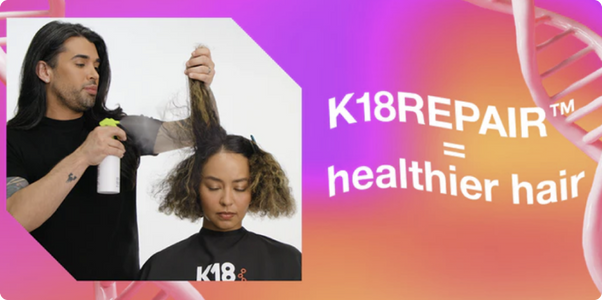
You've seen the ads promising that biotin, collagen, and other hair repair serums can transform your damaged strands from within. But can supplements actually repair hair that's already been compromised by heat styling, chemical processing, or environmental damage? The short answer is more nuanced than you might expect.
While supplements can support healthy new hair growth from the roots, they cannot reverse existing structural damage to the hair shaft. Research consistently shows that dietary supplements significantly increase hair growth density and volume in people with thinning hair, but evidence confirms no reversal of existing structural damage to the hair shaft. Understanding this distinction is crucial for setting realistic expectations and choosing the most effective treatments for your current hair condition.
Here's what the science reveals about supplements, hair damage, and the most effective approaches to achieving genuinely healthier hair.
What Actually Happens When Hair Gets Damaged
Hair damage occurs at two distinct levels, and knowing which type you're dealing with makes all the difference in treatment success.
How Cuticle Damage Affects Hair Texture
The outermost layer of your hair, the cuticle, acts like protective shingles on a roof. When damaged, these microscopic scales lift and roughen, creating that unmistakable coarse, tangled feeling when you run your fingers through your hair. Cuticle damage leads to dull appearance, rough texture, and excessive tangling due to lifted or eroded cuticles increasing friction and moisture imbalance.
This surface-level damage makes hair appear dull, feel rough, and tangle easily. While it's the most visible type of damage, it's also the most responsive to targeted treatments that smooth and seal the cuticle layers.
Why Cortex Damage Changes Hair Strength
Deeper within the hair shaft lies the cortex, which contains the protein structures that give hair its strength and elasticity. When this internal layer becomes compromised through chemical processing or excessive heat, hair loses its ability to stretch and bounce back. Research shows that cortex damage involves permanent breakage of cysteine and disulfide bonds, weakening the hair's internal structure and causing reduced elasticity.
You can test for cortex damage by gently stretching a wet strand. Healthy hair should stretch about 30% of its length and return to normal. Hair with cortex damage either snaps immediately or stretches excessively without returning to its original length.
This internal structural damage is what causes hair to feel weak, break easily, and lose its natural movement and body. Unlike cuticle damage, cortex damage cannot be reversed through topical treatments alone.
How Do Hair Supplements Actually Work
Understanding how supplements function reveals both their potential and their limitations when it comes to hair repair.
What Supplements Can Influence
Hair supplements work by providing nutrients to the hair follicle during the active growth phase. Studies show that certain proprietary nutritional supplements can increase terminal hair count, thickness, and volume in people with thinning hair, though the evidence is limited to select formulations and the mechanisms aren't fully understood. This means they can potentially influence:
-
The strength and diameter of new hair growing from the scalp
-
The rate of new hair growth in some cases
-
The overall health of hair follicles
-
The protein content of newly formed hair strands
Popular hair supplements typically contain biotin, iron, vitamin D, collagen peptides, and various amino acids that support keratin production. These nutrients can genuinely benefit people with deficiencies that affect hair growth.
The Critical Limitation of Supplement-Based Repair
Here's the fundamental issue with expecting supplements to repair existing damage. Hair strands are essentially dead tissue once they emerge from the follicle. They have no blood supply, no ability to regenerate, and no mechanism to transport nutrients from your bloodstream to repair structural damage. The visible hair shaft is composed of dead, fully keratinised cells that lack a direct blood supply, so systemic nutritional supplements cannot directly repair structural damage to existing hair strands.
This means that while supplements might help your new hair grow stronger and healthier, they cannot fix the chemically damaged, heat-fried, or mechanically weakened hair that's already on your head.
What Hair Repair Products Can and Cannot Do
Most products labelled as "repairing" work more like sophisticated fillers than true structural restoration systems.
How Temporary Repair Products Function
Traditional hair repair serums and treatments act as temporary patches, filling in damaged areas of the cuticle and providing a smoother surface. Evidence shows that these topical treatments work by coating the hair shaft and filling surface gaps, improving appearance and temporarily reducing breakage, but they don't restore the hair's original internal structure. Think of these products like high-quality spackle for hair - they can make damaged hair look and feel significantly better, but they don't restore the original structural integrity.
These treatments typically contain hydrolysed proteins, silicones, and moisture-binding agents that:
-
Fill gaps in damaged cuticles
-
Create a smoother surface for light reflection
-
Temporarily strengthen weakened areas
-
Improve manageability and reduce breakage
When Molecular-Level Repair Makes a Difference
Advanced treatments that work at the molecular level represent a significant evolution in hair repair technology. Unlike traditional treatments that sit on the surface, molecular repair systems can penetrate into the hair cortex and form new bonds within the damaged protein structure. While some studies show improvements in hair quality with certain formulations, the evidence for products that actually penetrate the cortex and rebuild keratin chains at a molecular level is still emerging.
This approach addresses damage from the inside out, creating lasting improvements rather than temporary cosmetic fixes. The science involves identifying specific protein sequences that can rebuild damaged keratin chains and restore hair's natural strength and elasticity.
For chemically processed or bleached hair, this molecular approach often provides the most dramatic and long-lasting results, as it targets the internal damage that causes hair to feel weak and lifeless.
How to Assess Your Hair Damage Level
Before choosing any treatment approach, it's essential to understand what type and extent of damage you're dealing with.
Simple Tests You Can Do at Home
Several tactile tests can help you assess your hair's condition without professional analysis:
|
Test Method |
What It Reveals |
Healthy Result |
Damage Indicators |
|---|---|---|---|
|
Strand Feel Test |
Cuticle condition |
Smooth, slippery texture |
Rough, bumpy, or catching feeling |
|
Wet Stretch Test |
Cortex integrity |
30% stretch then return |
Snaps immediately or overstretches |
|
Porosity Test |
Cuticle damage level |
Water beads on surface |
Water absorbs quickly |
|
Length Comparison |
Breakage patterns |
Consistent length |
Noticeably shorter pieces |
What Different Damage Patterns Mean
Your hair's response to these tests reveals important information about treatment priorities. Hair that feels rough but stretches normally has primarily cuticle damage and responds well to smoothing treatments. Hair that snaps easily during the stretch test indicates damaged hair with reduced elasticity and strength, though experts note that not all studies agree on whether this specifically requires intensive molecular repair.
It's important to compare your hair's current condition to its natural state, not to other people's hair. Hair texture varies significantly between individuals, so focus on changes from your baseline rather than absolute comparisons.
Which Approach Works Best for Different Damage Types
The most effective treatment strategy depends entirely on your specific damage pattern and hair goals.
When Supplements Make the Most Sense
Hair supplements show the greatest benefit for people who:
-
Have underlying nutritional deficiencies affecting hair growth
-
Are focused on preventing future damage rather than fixing existing issues
-
Want to support overall hair health during a growth-out period
-
Are dealing with hair loss or thinning rather than structural damage
Systematic reviews show that oral hair supplements help patients with hair loss or specific nutrient deficiencies, but they don't repair structural hair shaft damage. For these situations, a three to six-month trial of targeted hair supplements can produce measurable improvements in new hair growth quality and quantity.
Why Topical Treatments Address Current Damage More Effectively
For hair that's already been compromised by colouring, bleaching, or heat styling, topical treatments provide immediate and practical solutions. These treatments can address existing damage while you wait for healthier hair to grow out naturally.
The most effective topical approaches work on multiple levels, combining surface smoothing with internal protein reconstruction. Commercial sources describe these treatments as effective for current damage, though scientific evidence suggests they primarily work through surface modifications rather than proven cortex restructuring. This dual approach addresses both the immediate cosmetic concerns and the underlying structural weakness that causes ongoing breakage.
Advanced molecular repair treatments particularly excel with chemically processed hair, where the internal protein structure has been significantly altered. These treatments can restore much of the hair's original strength and flexibility, making a dramatic difference in how the hair looks, feels, and behaves.
How to Avoid Common Treatment Mistakes
Many people unknowingly sabotage their hair repair efforts through well-intentioned but misguided approaches.
Why Balance Matters More Than Intensity
One of the most overlooked aspects of hair health is the balance between moisture and protein. Excess protein causes hair to become stiff, brittle, and prone to breakage, while excess moisture results in mushy, limp, stretchy hair. This disrupts hair's protein-moisture equilibrium, where protein provides strength and moisture ensures flexibility.
This balance is particularly crucial when combining supplements with topical treatments. Adding protein supplements while using protein-heavy hair products can push hair into the brittle zone, actually increasing breakage rather than reducing it.
What Realistic Timelines Look Like
Setting appropriate expectations prevents frustration and helps you stick with effective treatments long enough to see results:
-
Supplements require 3-6 months to show effects on new hair growth, though some clinical studies found significant improvements after 90 days
-
Topical molecular repair treatments can show immediate improvements but require consistent use for lasting results
-
Severely damaged hair may never fully recover and might need to be gradually cut away
-
Prevention is always more effective than repair for long-term hair health
For hair that's been significantly compromised, the most practical approach often combines immediate topical repair with longer-term prevention strategies, including both supplements and protective styling practices.
What the research says about hair repair strategies
The current evidence on hair repair reveals several important insights for making informed treatment decisions.
-
Multiple randomised controlled trials confirm that specific dietary supplements significantly increase hair growth density and terminal hair count in people with thinning hair, particularly those with nutritional deficiencies.
-
Clinical studies consistently demonstrate that topical treatments can immediately improve hair strength, appearance, and manageability through surface modifications and cuticle repair.
-
Evidence shows that the visible hair shaft cannot regenerate or repair itself, as it consists of dead keratinised cells without blood supply or metabolic activity.
-
The evidence is still emerging on whether advanced molecular treatments can truly penetrate the hair cortex and rebuild keratin chains, with many studies showing improvements in hair quality without definitive proof of internal restructuring.
-
Expert reviews emphasise that supplement benefits are limited to people with deficiencies or hair loss conditions, while healthy individuals without nutritional gaps see minimal benefits from biotin or collagen supplementation.
-
Professional bodies note that while some hair smoothing treatments claim to combine surface and internal repair, the scientific evidence for true cortex reconstruction remains mixed.
What to Do Next for Your Hair
Based on the science of hair damage and repair, here's how to create an effective strategy for your specific situation.
Start with Damage Assessment
Begin by honestly evaluating your current hair condition using the tests described earlier. This assessment will guide whether you need immediate damage control, long-term growth support, or a combination approach.
If your hair primarily shows surface roughness with good elasticity, focus on treatments that smooth and seal the cuticle. If you're dealing with breakage and loss of strength, prioritise molecular repair treatments that address internal structural damage.
Choose Your Primary Strategy
For most people dealing with existing damage, topical molecular repair treatments provide faster and more dramatic results than supplements alone. These treatments can immediately improve hair strength, appearance, and manageability while you implement longer-term health strategies.
Consider exploring targeted approaches for treating damaged and bleached hair that address both surface and internal damage. Understanding how to properly repair bleached hair can also help you set realistic expectations for your hair's recovery potential.
[collection-carousel="treatment-new"]
If you're committed to a supplement approach, combine it with protective practices and realistic timelines. Supplements work best as part of a comprehensive hair health strategy, not as a standalone solution for existing damage.
Consider Professional-Grade Solutions
For significantly damaged hair, professional-grade treatments that work at the molecular level often provide the most dramatic and lasting results. These treatments can rebuild internal hair structure rather than just temporarily improving appearance.
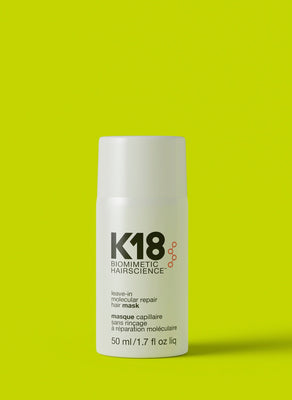
The K18 Leave-In Molecular Repair Hair Mask represents this advanced approach, targeting damage at the protein level to restore hair's natural strength and elasticity. For comprehensive care, consider complete repair bundles that address multiple aspects of hair damage.
[product-feature="k18-leave-in-molecular-repair-hair-mask-5ml"]
[collection-carousel="maintainance-routine-new"]
Remember that the most effective hair repair strategy often combines immediate damage control with long-term prevention. While supplements can support future hair health, addressing current damage requires targeted treatments that can actually rebuild compromised hair structure.
Key Takeaways for Hair Repair Success
Understanding the science behind hair damage and repair helps you make informed decisions about treatments and set realistic expectations for results.
Supplements can genuinely support healthier new hair growth, particularly if you have nutritional deficiencies affecting your follicles. However, they cannot repair existing structural damage to hair strands that have already been compromised.
For current damage, topical treatments that work at the molecular level provide the most effective results by actually rebuilding damaged protein structures within the hair shaft. This approach addresses both the cosmetic appearance of damaged hair and its underlying weakness.
The most successful hair repair strategies combine immediate damage control with long-term prevention, creating a comprehensive approach that improves both current hair condition and future hair health. Focus on treatments that match your specific damage pattern rather than generic solutions, and remember that consistency and realistic timelines are key to achieving lasting results.
