
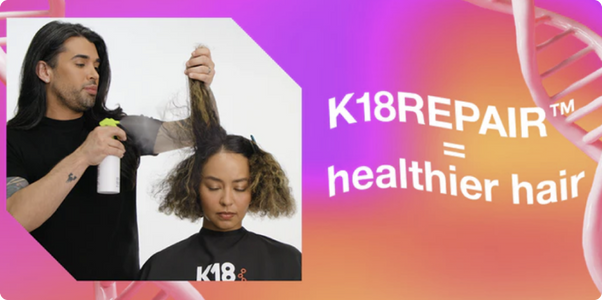

Finding effective hair repair ingredients can feel overwhelming when faced with endless product claims and marketing promises. The reality is that not all ingredients marketed as "repairing" actually work at the molecular level, and understanding which ones deliver genuine results versus surface-level improvements can save you time, money, and further damage to your hair.
Hair repair ingredients work by targeting specific types of structural damage within the hair shaft itself. Whether you're dealing with colour damage, heat styling effects, or chemical processing fallout, the most effective formulations contain scientifically-backed actives that can actually rebuild broken bonds and restore hair's internal structure rather than simply coating the outside.
This guide breaks down the science behind genuine hair repair, identifies the key ingredients that demonstrate measurable results, and helps you navigate marketing claims to find treatments that deliver on their promises.
What Makes Hair Repair Ingredients Actually Effective
True hair repair happens at the molecular level, where ingredients work to rebuild the internal structure of damaged hair fibres. Research suggests that the most effective repair ingredients target specific types of bonds within the hair shaft, particularly hydrogen bonds and disulphide bonds that become broken through chemical processing, heat styling, and environmental exposure, though the term "true repair" requires some nuance since hair is dead tissue that can't regenerate like living cells.
How Do Bond-Building Ingredients Work in Practice
Bond-building ingredients function by either replacing broken molecular connections or strengthening existing ones. The hair shaft contains millions of these bonds, and when they break down, hair becomes weak, brittle, and prone to further damage. Studies have found that effective repair ingredients can actually penetrate the hair cuticle and work within the cortex to restore these connections.
Evidence shows that certain acids and peptide complexes can specifically target hydrogen bond formation. These ingredients don't just sit on the hair's surface like traditional conditioning agents but actually integrate into the hair's structure to provide lasting strength improvements.
-
Hydrogen bond rebuilding occurs when specific carboxylic acids interact with the hair's protein structure
-
Peptide-based treatments can fill gaps in the hair's keratin matrix
-
Molecular repair happens from the inside out, creating cumulative improvements with repeated use
Which Specific Ingredients Show Proven Repair Results
When evaluating hair repair products, certain ingredients have demonstrated measurable effectiveness in clinical testing and real-world use. Understanding what to look for can help you distinguish between genuine repair treatments and products that only provide temporary cosmetic benefits.
What Role Does Citric Acid Play in Hair Repair
High concentrations of citric acid, specifically 5% or higher, can actively rebuild hydrogen bonds in damaged hair. However, evidence suggests this works more through reinforcing and stabilising the protein structure rather than literally reconstructing bonds. This isn't the same as citric acid used simply as a pH adjuster in lower concentrations. When formulated at therapeutic levels, citric acid works as a carboxylic acid that can actually restore structural integrity to processed hair.
Many professional-grade treatments utilise citric acid as their primary bond-building ingredient, demonstrating that patented formulas aren't always necessary for effective results. The key is ensuring the concentration is sufficient to create actual molecular changes rather than just surface conditioning.
How Do Peptide-Based Treatments Compare to Acid-Based Options
Peptide technology represents another approach to molecular hair repair, working by delivering targeted protein fragments that can integrate into damaged areas of the hair shaft. Understanding how different repair mechanisms work can help you choose the most appropriate treatment for your specific damage type.
|
Ingredient Type |
Mechanism |
Best For |
Timeline |
|---|---|---|---|
|
High-concentration citric acid (5%+) |
Hydrogen bond rebuilding |
Chemical and colour damage |
Immediate to 4 minutes |
|
Targeted peptides |
Keratin matrix repair |
All damage types |
4-8 minutes |
|
Hydrolysed proteins |
Structural filling |
Mechanical damage |
15-30 minutes |
|
Ceramides |
Cuticle restoration |
Surface damage |
Immediate coating |
What Should You Avoid When Shopping for Repair Treatments
Not all products marketed as "repair" treatments actually deliver structural improvements. Understanding common misconceptions and misleading claims can help you avoid products that may provide temporary cosmetic benefits but don't address underlying damage.
How Can You Distinguish Repair from Straightening Treatments
One significant area of confusion involves "re-bonding" treatments, which often refer to chemical straightening processes rather than actual repair. Research shows that these treatments break and reform bonds to change hair texture, which can actually cause additional damage rather than repairing existing issues.
True repair treatments work to restore the hair's natural structure without altering its fundamental characteristics. They shouldn't dramatically change your hair's texture or require the same safety precautions as chemical processing treatments.
-
Genuine repair treatments don't require gloves or professional ventilation
-
Effective repair ingredients work on damaged hair without changing healthy hair significantly
-
Real repair treatments can be used regularly without cumulative damage risk
Why Are Some Marketing Claims Misleading About Ingredient Effectiveness
Many products list beneficial ingredients like citric acid or proteins but at concentrations too low to provide genuine repair benefits. Expert commentary indicates that whilst some formulations have clinical trial evidence, many over-the-counter products list ingredients in proprietary blends or at low doses that are unlikely to match effective concentrations. Reading ingredient lists carefully and understanding effective dosage levels can help you identify products with therapeutic rather than cosmetic concentrations.
Additionally, some claims about ingredient effectiveness may be based on non-peer-reviewed testing or anecdotal evidence rather than rigorous scientific validation. While this doesn't automatically invalidate an ingredient's potential, it's important to maintain realistic expectations and evaluate results based on your own experience.
How Do You Evaluate Whether Repair Ingredients Are Working
Effective hair repair ingredients should produce noticeable improvements in hair strength, elasticity, and overall condition within a reasonable timeframe. Understanding what to expect and how to assess progress can help you determine whether your chosen treatment is delivering genuine benefits.
What Changes Indicate Successful Molecular Repair
Real hair repair manifests as improvements in the hair's fundamental properties rather than just surface feel. Learning to recognise signs of structural improvement helps you distinguish between genuine repair and temporary conditioning effects.
Properly repaired hair should demonstrate increased wet strength, meaning it's less likely to break when manipulated while damp. You should also notice improved elasticity, where hair can stretch slightly under tension and return to its original length without snapping.
-
Reduced breakage during brushing and styling
-
Improved ability to hold moisture without becoming frizzy
-
Enhanced colour retention and vibrancy
-
Decreased tangles and improved manageability
How Long Should You Test New Repair Ingredients
Most effective repair ingredients show initial improvements within the first few uses, with cumulative benefits developing over 2-4 weeks of consistent application. Understanding the timeline of hair damage and repair helps set appropriate expectations for treatment outcomes.
However, it's important to note that severely damaged hair may require longer treatment periods or combination approaches to achieve optimal results. Hair that has undergone multiple chemical processes or extensive heat damage may need several months of consistent care to fully restore its integrity.
Which Professional-Grade Ingredients Deliver Consumer Results
Professional treatments often use higher concentrations of active ingredients than consumer products, though the evidence for consistently superior formulations across all professional products is still emerging. Several professional-grade formulations are now available for at-home use. Understanding how to access and use these more potent treatments safely can significantly improve your repair results.
What Makes Professional Formulations Different from Retail Options
Professional-grade repair treatments typically contain higher concentrations of active ingredients and use more sophisticated delivery systems to ensure the ingredients penetrate effectively. They're also formulated to work within specific time parameters that maximise efficacy while minimising potential for overprocessing.
Many professional treatments also combine multiple repair mechanisms in a single product, addressing different types of damage simultaneously. This comprehensive approach often produces more dramatic and lasting results than single-ingredient treatments.
How Can You Access Professional-Quality Repair at Home
Several brands now offer professional-grade repair treatments designed for consumer use, often with simplified application methods while maintaining the potency of salon treatments. These products typically require more precise timing and application techniques but can deliver salon-quality results.
When using professional-grade treatments at home, it's crucial to follow timing instructions exactly and perform strand tests before full application. Professional guidance emphasises that the higher concentrations that make these treatments more effective also require more careful handling to avoid overprocessing.
What Are the Best Ingredient Combinations for Different Damage Types
Different types of hair damage respond best to specific ingredient combinations, and understanding these relationships can help you choose the most effective treatment approach for your particular situation.
How Should You Address Chemical and Colour Damage
Chemical processing and colour treatments primarily break hydrogen and disulphide bonds, requiring repair ingredients that can specifically target these molecular connections. High-concentration acid treatments combined with targeted peptides often provide the most comprehensive repair for this type of damage.
For colour-treated hair, ingredients that repair internal structure while preserving colour molecules are essential. Some repair treatments can actually improve colour retention by strengthening the hair's ability to hold pigment molecules.
What Works Best for Heat and Mechanical Damage
Heat styling and mechanical damage often affect the hair's outer layers as well as internal structure, requiring treatments that can address both cuticle damage and cortex weakness. Evidence shows that protein-based treatments combined with protective ingredients work well for this type of damage, with hydrolysed proteins helping to strengthen hair structure and reduce breakage.
Regular use of lightweight repair treatments that don't build up on the hair shaft is particularly important for heat-damaged hair, as heavy products can interfere with styling and create additional stress on already compromised strands.
|
Damage Type |
Primary Ingredients |
Treatment Frequency |
Expected Timeline |
|---|---|---|---|
|
Chemical processing |
High-concentration citric acid, targeted peptides |
Weekly intensive, daily maintenance |
2-4 weeks for significant improvement |
|
Heat styling |
Hydrolysed proteins, protective silicones |
2-3 times weekly |
1-3 weeks for noticeable changes |
|
Environmental exposure |
Ceramides, lightweight proteins |
Daily maintenance |
Ongoing prevention, 2-6 weeks for repair |
|
Mechanical damage |
Structural proteins, bond builders |
2-3 times weekly |
3-6 weeks for strength improvement |
How to Build an Effective Hair Repair Routine
Creating a comprehensive repair routine involves combining the right ingredients with appropriate application techniques and realistic timelines. The most effective approaches layer different types of repair treatments to address multiple aspects of damage simultaneously.
What Should Your Weekly Repair Schedule Look Like
An effective repair routine typically includes intensive treatments 1-2 times per week, with daily maintenance products that provide ongoing support without overloading the hair. Professional guidance supports this approach, with weekly deep treatments and daily maintenance products being the foundation of most effective repair programs. The key is finding the right balance between active repair and gentle maintenance.
[tip-text="Start with once-weekly intensive treatments and adjust frequency based on your hair's response. Overuse of repair treatments can sometimes lead to protein overload."]
-
Weekly intensive repair treatment with high-concentration actives
-
Daily leave-in maintenance products with lower-concentration repair ingredients
-
Gentle cleansing products that don't strip away repair benefits
-
Heat protection when styling to prevent new damage
How Do You Know When to Adjust Your Repair Routine
Hair needs change as damage is repaired, and successful routines evolve to match these changing requirements. Hair that initially needed intensive repair may eventually require only maintenance-level treatments to preserve its improved condition.
Monitoring your hair's response and adjusting both product selection and application frequency ensures you continue to see improvements without overprocessing. Signs that you may need to reduce treatment intensity include increased stiffness, reduced elasticity, or a brittle feeling despite regular care.
Complete repair systems often provide multiple products designed to work together, taking the guesswork out of ingredient compatibility and concentration balance.
What Professional Support Can Enhance Your Repair Results
While many effective repair treatments can be used at home, professional guidance can help optimise your approach and address complex damage scenarios. Understanding when professional support is beneficial can accelerate your repair timeline and prevent costly mistakes.
When Should You Consult a Professional Colourist or Stylist
Professional consultation is particularly valuable when dealing with severe damage from multiple chemical processes or when attempting to repair hair while continuing colour or chemical services. Evidence shows that experienced professionals can assess damage levels and recommend treatment sequences that optimise repair while maintaining your desired aesthetic results.
Stylists familiar with molecular repair treatments can also provide guidance on timing and application techniques that maximise ingredient effectiveness. They may have access to professional-strength treatments or combination therapies not available for home use.
Professional-quality at-home systems can bridge the gap between salon treatments and daily care, providing consistent repair benefits between professional appointments.
How Can Professional Treatments Complement Home Care
The most effective repair strategies often combine periodic professional treatments with consistent at-home maintenance. Professional treatments can provide intensive repair that serves as a foundation for ongoing home care, while daily products maintain and build upon professional results.
Regular professional assessments can also help track progress and adjust treatment approaches as hair condition improves. This ongoing evaluation ensures that your repair routine remains effective and appropriate for your hair's current needs.
Comprehensive routine bundles designed by hair science experts provide systematic approaches to repair that complement professional treatments while ensuring ingredient compatibility and optimal concentration levels.
[collection-carousel="treatment-new"]
[product-feature="k18-repair-bundle"]
[collection-carousel="maintainance-routine-new"]
[product-feature="k18-prep-repair-at-home-duo"]
What the research says about hair repair
The evidence for molecular hair repair continues to evolve, with some findings strongly supported whilst others remain uncertain. Understanding what we know—and what we don't—helps set realistic expectations for treatment outcomes.
-
Bond-building ingredients can demonstrably improve hair strength and reduce breakage when formulated at appropriate concentrations
-
Peptide-based treatments show measurable benefits for damaged hair in controlled studies
-
Professional treatments that combine multiple repair mechanisms often produce better results than single-ingredient approaches
-
The evidence for some popular ingredients is still emerging, and not all studies agree on optimal concentrations or application methods
-
Individual response to repair treatments varies significantly, making personal testing essential
-
Complete restoration to pre-damage condition may not be possible for severely compromised hair, though significant improvements are achievable
Key Takeaways for Effective Hair Repair
Successful hair repair requires understanding the science behind ingredient claims and choosing products with proven mechanisms of action. The most effective treatments work at the molecular level to rebuild damaged bonds rather than simply providing surface conditioning.
Look for products containing high concentrations of scientifically-backed ingredients like citric acid (5% or higher) or targeted peptides that can actually penetrate the hair shaft and restore structural integrity. Avoid products that confuse repair with straightening or rely solely on surface conditioning for their effects.
Building an effective repair routine involves balancing intensive treatments with daily maintenance, monitoring your hair's response, and adjusting your approach as damage is repaired. Professional guidance can optimise results, particularly for complex damage scenarios or when combining repair with ongoing chemical services.
Remember that genuine repair takes time and consistency. While some improvements may be visible immediately, full structural repair typically requires several weeks of appropriate treatment. Be patient with the process and focus on ingredients and products that deliver measurable, lasting improvements rather than just temporary cosmetic benefits.
