
If you've been struggling with damaged, brittle, or thinning hair, you've probably wondered whether supplements might be the answer. The supplement aisle is packed with promises about collagen peptides and protein powders that claim to transform your hair from the inside out. But can swallowing a capsule really create a meaningful hair repair routine?
The relationship between internal nutrition and hair health is more nuanced than most marketing suggests. While your hair follicles do need specific nutrients to produce strong, healthy strands, true hair repair happens through a combination of targeted topical treatments and smart lifestyle choices. Understanding what supplements can and can't do helps you build a realistic strategy for healthier hair.
This guide breaks down the science behind nutritional support for hair, explores what actually works for repair, and shows you how to create an effective routine that addresses damage at its source.
What Role Do Supplements Play in Hair Health
Your hair follicles are among the most metabolically active cells in your body, which means they're constantly demanding nutrients to fuel growth and repair. Research shows that hair follicle stem cells exhibit high metabolic activity, particularly during growth phases. When these nutrients are lacking, hair becomes weaker, grows more slowly, and breaks more easily.
How Protein Supports Hair Structure
Hair is roughly 95% protein, specifically a fibrous protein called keratin. This means adequate protein intake is essential for creating strong hair strands. However, your body prioritises protein for vital organs first, so hair only gets what's left over after more critical needs are met.
Protein supplements can help bridge nutritional gaps, particularly if your diet is consistently low in complete proteins. But here's the catch - research indicates most people in developed countries already consume adequate protein for basic hair needs. Adding more doesn't automatically translate to stronger hair unless you were genuinely deficient to begin with.
The Collagen Connection
Collagen supplements have gained massive popularity for hair health, but the science is more complex than the marketing suggests. While collagen does provide amino acids that can support hair structure, your body breaks down ingested collagen into individual amino acids rather than delivering it directly to your hair follicles.
These amino acids can theoretically support hair growth, but clinical evidence shows limited proof that collagen supplements are more effective than other complete protein sources for this purpose.
What Actually Damages Hair and How to Address It
Understanding the real causes of hair damage helps you focus your repair efforts where they'll make the biggest difference. Clinical evidence confirms most hair damage occurs from external factors rather than nutritional deficiencies.
The Reality About Hair Repair
Here's a fundamental truth that might surprise you - once your hair shaft is damaged, it cannot be biologically repaired. Hair science research confirms that hair is essentially dead tissue once it emerges from the follicle, so splits, breaks, and chemical damage are permanent. Real repair means protecting new growth and maintaining what you have while damaged hair grows out.
This shifts the focus from trying to "fix" damaged hair to preventing further damage and supporting the healthiest possible new growth from your follicles.
Common Damage Patterns and Their Causes
|
Damage Type |
Primary Causes |
Prevention Strategy |
|---|---|---|
|
Chemical damage |
Bleaching, colouring, chemical relaxers |
Space out chemical treatments, use bond-building treatments |
|
Heat damage |
Hot tools, high-temperature styling |
Reduce heat frequency, use protective products |
|
Mechanical damage |
Rough brushing, tight styles, friction |
Gentle handling, silk pillowcases, protective accessories |
|
Environmental damage |
UV exposure, pollution, hard water |
Protective styling, clarifying treatments, water filters |
The most effective approach combines damage prevention with treatments that strengthen the hair structure at a molecular level, rather than just coating the surface.
Which Nutrients Actually Support Hair Growth
While supplements aren't magic bullets, certain nutrients do play crucial roles in hair health. The key is understanding which ones make a measurable difference and when supplementation might be beneficial.
Evidence-Based Nutritional Support
Research consistently shows that specific nutrients support hair follicle function and growth quality. B vitamins, particularly biotin and B-complex, help with keratin production and cellular energy. Iron supports oxygen transport to follicles, while healthy fats provide the building blocks for strong hair structure.
However, these nutrients are most effective when addressing actual deficiencies rather than simply adding more to an already adequate intake. Clinical guidelines indicate that supplementation mainly benefits hair when correcting a true deficiency. Blood tests can help identify whether you're genuinely lacking in key areas.
Smart Supplementation Strategies
If you're considering supplements for hair health, focus on these approaches that show the strongest evidence:
-
Address diagnosed deficiencies first - Iron deficiency and severe protein malnutrition can significantly impact hair growth
-
Consider B-complex vitamins - Particularly beneficial if you follow restrictive diets or have absorption issues
-
Include omega-3 fatty acids - Support overall hair health and may help with thickness and shine
-
Monitor for side effects - Some people experience acne or excess body hair growth with biotin supplementation
Remember that visible improvements typically take 3-6 months due to the hair growth cycle, so patience is essential when evaluating any nutritional intervention.
How to Build an Effective Hair Repair Routine
The most successful hair repair strategies combine internal support with external treatments that work at the molecular level. This dual approach addresses both the foundation of hair growth and the structure of existing hair.
The Foundation - Dietary and Lifestyle Factors
Before reaching for supplements, optimise your baseline nutrition. Increasing protein-rich foods like fish, eggs, and legumes provides amino acids in bioavailable forms. Adding nutrient-dense foods like leafy greens and organ meats supports the complex nutritional needs of hair follicles.
Lifestyle factors matter enormously. Quality sleep supports growth hormone production, while stress management prevents the hormonal disruptions that can trigger hair loss or thinning.
Targeted External Treatments
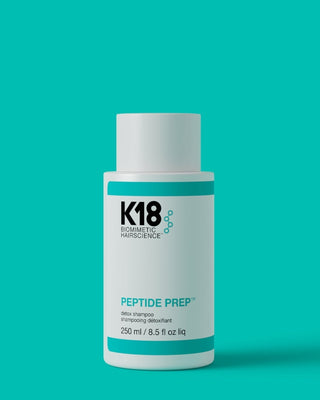
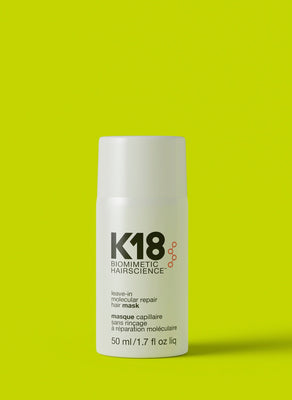
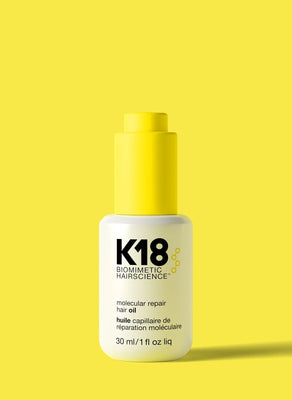
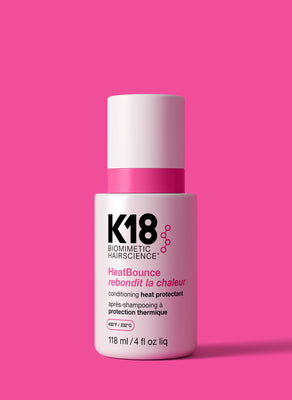
Modern hair science has developed treatments that can strengthen hair at the molecular level, going beyond surface conditioning. Peptide-based treatments work by filling in gaps in the hair's protein structure, creating genuinely stronger strands that are more resistant to future damage.
These treatments are particularly valuable because they address the structural integrity of hair that's already grown, complementing nutritional support for new growth.
[collection-carousel="treatment-new"]
A comprehensive approach typically includes weekly intensive treatments combined with gentler daily maintenance products that protect without weighing hair down.
What Timeline Should You Expect for Hair Improvements
Understanding realistic timelines helps maintain consistent routines and avoid disappointment with seemingly slow progress. Hair improvement happens in phases, each with different characteristics.
The Hair Growth Cycle and Repair Expectations
Hair grows approximately 1.25 cm per month, which means truly damaged hair takes months to years to grow out completely. However, you can see improvements in new growth quality much sooner when you address the right factors.
Nutritional changes typically show effects on new growth within 6-12 weeks, though research indicates it takes 3-6 months for these improvements to become visually obvious. External treatments can strengthen existing hair immediately, though the full benefits develop over several weeks of consistent use.
Tracking Progress Effectively
Monitor improvements in these measurable ways:
-
Breakage reduction - Less hair in your brush or shower drain
-
Texture improvements - Smoother feel and easier detangling
-
Growth quality - New growth appears thicker or feels stronger
-
Styling resilience - Hair holds styles better and bounces back from manipulation
Taking regular photos in consistent lighting helps track subtle changes that you might not notice day-to-day.
When Professional Intervention Makes Sense
While many hair concerns respond well to improved nutrition and topical treatments, some situations benefit from professional evaluation and intervention.
Signs That Warrant Professional Assessment
Consider consulting a healthcare provider or trichologist if you experience sudden hair loss, significant thinning, or changes in hair growth patterns. These can indicate underlying health conditions, hormonal imbalances, or medication effects that require targeted treatment beyond general hair care.
Persistent scalp issues, excessive shedding that doesn't improve with routine changes, or hair loss that affects your quality of life all warrant professional attention.
[collection-carousel="maintainance-routine-new"]
Maximising Treatment Outcomes
Whether working with professionals or managing hair health independently, consistency proves more valuable than intensity. Regular use of appropriate treatments combined with protective daily habits creates cumulative benefits over time.
The most effective routines balance active repair treatments with gentle maintenance practices, avoiding the extremes of over-processing or complete neglect.
What the Research Says About Hair Supplements
The evidence on hair supplements reveals a nuanced picture that's worth understanding before you invest in any routine:
-
Protein deficiency matters - When your diet genuinely lacks complete proteins, supplementation can improve hair strength and growth
-
Iron deficiency shows clear results - Studies consistently show that correcting iron deficiency reverses hair thinning and excessive shedding
-
Collagen evidence remains limited - While popular, there's insufficient proof that collagen outperforms other protein sources for hair health
-
Most people get enough protein - In developed countries, routine protein supplementation rarely improves hair in those with adequate intake
-
Timing matters - Hair growth cycles mean nutritional changes take 3-6 months to show visible results
-
External damage is often primary - The evidence suggests chemical, heat, and mechanical damage cause more hair problems than nutritional gaps
How We Can Help Your Hair Repair Journey
Building an effective hair repair routine requires understanding your specific damage patterns and choosing treatments that work at the molecular level. While supplements can support overall hair health, the most dramatic improvements come from combining smart internal nutrition with scientifically-backed external treatments.
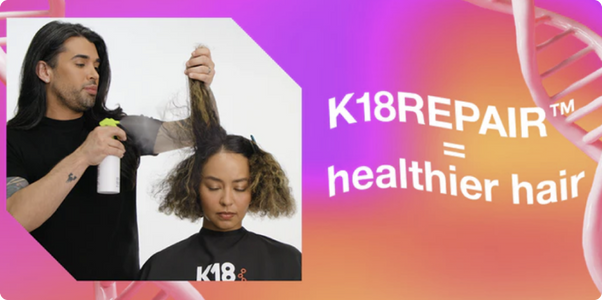
The K18 approach focuses on repairing hair structure from within using bioactive peptides that work at the cellular level, not just coating the surface. This creates genuinely stronger hair that's more resistant to future damage while you're working on improving nutrition and lifestyle factors.
[product-feature="k18-leave-in-molecular-repair-hair-mask-5ml"] [product-feature="k18-repair-bundle"]
Start with a realistic assessment of your current hair condition and damage patterns. Focus on preventing further damage while supporting new growth with both internal and external approaches. Remember that sustainable improvements take time, but the results are worth the patient, consistent effort.
For personalised guidance on building your repair routine, consider consulting with a hair professional who can assess your specific needs and recommend the most appropriate combination of treatments and lifestyle modifications.
Key Takeaways for Sustainable Hair Health
Effective hair repair combines realistic expectations with evidence-based interventions. Supplements can support hair health when addressing genuine deficiencies, but they're not standalone solutions for damaged hair.
The most impactful strategies focus on preventing new damage while using molecular-level treatments to strengthen existing hair structure. This approach, combined with patient consistency, creates the foundation for healthier, more resilient hair over time.
Remember that hair health reflects your overall wellbeing, so improvements in nutrition, stress management, and gentle care practices benefit both your hair and your general health. Focus on building sustainable routines rather than seeking quick fixes, and you'll see meaningful improvements in both hair quality and growth over time.
