
If you've been researching hair strength supplements, you've likely encountered countless products promising thicker, stronger locks. The reality is more nuanced than the marketing suggests. While supplements can improve hair strength in specific circumstances, they're not a universal solution for everyone.
Hair strength supplements typically contain vitamins, minerals, and proteins aimed at supporting hair follicle health and keratin production. However, their effectiveness depends heavily on your individual nutritional status, underlying health conditions, and realistic expectations about timelines and results.
Understanding when supplements actually work - and when they don't - can save you time, money, and disappointment while helping you make informed decisions about your hair health strategy.
What Determines Whether Hair Strength Supplements Work
The effectiveness of hair strength supplements hinges primarily on whether you have existing nutritional deficiencies. This isn't about general wellness - it's about specific gaps that directly impact hair follicle function and keratin synthesis.
When Supplements Actually Make a Difference
Supplements show the most dramatic results when addressing documented deficiencies in key nutrients. Research consistently demonstrates that iron deficiency can cause hair thinning and weakness that reverses once levels are restored. Similarly, insufficient protein intake can compromise hair structure since hair is roughly 95% protein.
The most impactful deficiencies for hair strength include iron, protein, vitamin D, B vitamins (particularly B12 and folate), and zinc. If blood tests reveal low levels in these areas, targeted supplementation often produces noticeable improvements within three to six months.
Why Most People Don't See Results
Many individuals taking hair supplements already have adequate nutrient levels. In these cases, additional supplementation rarely produces visible benefits because the body can only utilise what it needs. Evidence consistently shows that hair vitamins provide no benefit in individuals without nutrient deficiencies, which applies to most people. Excess vitamins are typically excreted, making expensive supplements essentially costly urine.
Additionally, certain medical conditions, medications, or other supplements can interfere with nutrient absorption, reducing the actual bioavailability of what you're consuming.
Which Supplement Ingredients Actually Support Hair Strength
Not all supplement ingredients are created equal when it comes to hair strength. Some have substantial research backing, while others rely more on marketing than science.
|
Ingredient |
Evidence Level |
Best For |
Typical Timeline
|
|---|---|---|---|
|
Iron |
Strong |
Deficiency-related hair loss |
3-6 months |
|
Protein/Amino acids |
Strong |
Structural hair weakness |
2-4 months |
|
Biotin + Collagen blends |
Moderate |
Overall hair health |
6-12 months |
|
Biotin alone |
Weak |
Rare biotin deficiency |
Variable |
|
Zinc |
Moderate |
Scalp health, deficiency |
3-6 months |
Why Biotin Alone Often Disappoints
Biotin has become synonymous with hair supplements, but isolated biotin supplementation rarely produces dramatic results. Multiple studies indicate weak evidence for biotin improving hair in healthy individuals, with benefits primarily observed in cases of rare biotin deficiency. True biotin deficiency is uncommon in developed countries, and most people consume adequate amounts through their regular diet.
However, biotin combined with other compounds like collagen peptides and keratin precursors shows more promise. These combinations may work synergistically to support hair structure, though results remain variable and depend on individual factors.
The Role of Collagen and Keratin Support
Collagen supplements provide amino acids that serve as building blocks for hair proteins. While your body doesn't directly incorporate collagen into hair strands, it can use the constituent amino acids for keratin production.
Some users report improvements when taking collagen-biotin combinations for extended periods, though these results often take six to twelve months to become apparent and aren't universal.
How Long Do Supplements Take to Show Hair Strength Results
Realistic timelines for hair strength improvements from supplements extend much longer than most people expect. Hair growth cycles and cellular turnover mean that even effective interventions require patience.
Understanding Hair Growth Cycles
Hair follicles cycle through growth phases that span months to years. The anagen (growth) phase alone lasts two to six years, while new hair takes approximately three months to emerge from the scalp. This means that even successful supplementation won't show visible results for at least three months, with more substantial changes appearing after six to twelve months of consistent use.
What to Expect During the First Year
-
Months 1-3 - Minimal visible changes, possible reduction in hair shedding if addressing deficiencies
-
Months 3-6 - New hair growth may become apparent, existing hair may feel slightly stronger
-
Months 6-12 - More noticeable improvements in hair texture, thickness, and overall strength
-
Beyond 12 months - Full evaluation period for determining long-term effectiveness
Many people discontinue supplements within the first few months due to lack of immediate results, missing the potential benefits that might emerge with longer use.
What the research says about hair supplements
While supplement marketing can be compelling, the evidence tells a more measured story about their effectiveness.
-
Iron supplementation reliably improves hair strength when correcting documented deficiencies, typically within 3-6 months
-
Protein support through diet proves more effective than isolated supplements for most people with hair concerns
-
Biotin alone shows minimal benefit unless addressing rare deficiencies - contrary to popular belief
-
The evidence remains mixed on whether targeted supplementation always produces visible improvements, even when correcting deficiencies
-
Most people with balanced nutrition see little to no benefit from hair supplements, regardless of brand or formulation
-
Results vary significantly between individuals, making it difficult to predict who will benefit from specific supplements
Why Many Popular Hair Supplements Fail to Deliver
Despite widespread marketing and positive reviews, many individuals experience no noticeable benefits from hair supplements, even with consistent long-term use. Understanding why can help set realistic expectations.
The Baseline Nutrition Factor
If your diet already provides adequate nutrients for hair health, additional supplementation won't create improvements. This explains why some people see dramatic results while others notice nothing - it's often a matter of starting point rather than product quality.
People with well-balanced diets, good absorption, and no underlying health issues are least likely to benefit from hair supplements, regardless of the brand or formulation.
Individual Variation in Response
Genetic factors, gut health, stress levels, and concurrent medications all influence how your body processes and utilises supplemented nutrients. What works dramatically for one person may have zero effect on another with similar hair concerns.
This individual variation makes it difficult to predict who will benefit from specific supplements, even when addressing confirmed deficiencies.
[collection-carousel="treatment-new"]
Cost Versus Benefit Analysis
Premium hair supplements can cost $50-100+ monthly, adding up to significant expenses over the recommended 6-12 month trial periods. For many people, this investment doesn't yield proportional returns, especially compared to other hair health interventions.
Some individuals find better results investing in professional hair treatments, stress management, or dietary improvements rather than supplements.
What to Try Instead of or Alongside Supplements
When supplements prove ineffective or you want to maximise your hair strength strategy, several alternative approaches often deliver more reliable results.
Optimising Protein Intake Through Diet
Since hair is predominantly protein, ensuring adequate dietary protein often surpasses supplement benefits. Research demonstrates that insufficient protein intake directly links to hair issues like thinning and brittleness. Aim for high-quality protein sources that provide complete amino acid profiles necessary for keratin synthesis.
-
Lean meats, fish, and poultry
-
Eggs and dairy products
-
Legumes and quinoa for plant-based options
-
Nuts and seeds for additional nutrients
Many people with hair strength concerns consume insufficient protein, making dietary adjustments more impactful than adding supplements to an already inadequate foundation.
Addressing External Hair Damage
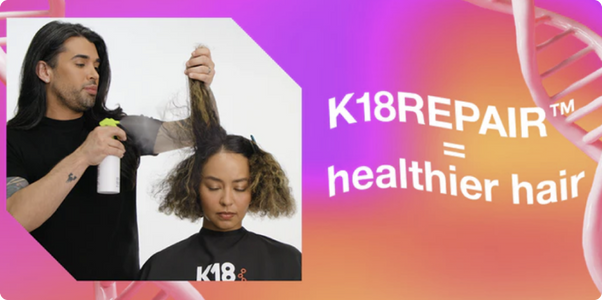
While supplements work internally, external treatments can provide more immediate and dramatic improvements in hair strength and appearance. Professional molecular repair treatments can reverse damage at the keratin level, complementing any internal nutritional support.
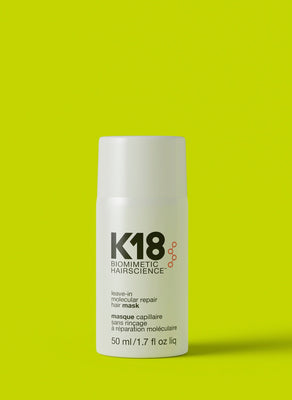
The K18 Leave-In Molecular Repair Hair Mask uses patented peptide technology to rebuild damaged keratin chains, offering results that supplements simply cannot achieve through internal pathways alone.
[collection-carousel="maintainance-routine-new"]
Stress Management and Sleep Optimisation
Chronic stress and poor sleep quality significantly impact hair strength and growth, often more than nutritional factors. Studies show that elevated cortisol levels can push hair follicles into resting phases prematurely, while inadequate sleep disrupts cellular repair processes.
Implementing stress reduction techniques and prioritising sleep hygiene may yield better hair strength improvements than supplement regimens, particularly for individuals without nutritional deficiencies.
Scalp Health and Circulation
Healthy follicles require adequate blood flow and a clean scalp environment. Regular scalp massage, appropriate cleansing routines, and treatments that support circulation can enhance hair strength more effectively than internal supplements.
Professional scalp treatments or targeted product regimens often provide faster, more noticeable results than waiting months for supplement effects to appear.
How to Determine If Supplements Might Work for You
Rather than taking a trial-and-error approach, strategic assessment can help predict whether hair strength supplements might provide benefits in your specific situation.
Getting Proper Testing Done
Blood tests can reveal deficiencies in key nutrients before you invest time and money in supplements. Essential tests include full blood count (for iron status), vitamin D, B12, folate, and zinc levels.
If tests show deficiencies, targeted supplementation becomes much more likely to produce noticeable improvements. Normal levels suggest supplements probably won't create dramatic changes.
Evaluating Your Diet and Lifestyle
Honest assessment of your nutrition reveals whether supplements might fill genuine gaps. People following restrictive diets, dealing with absorption issues, or experiencing high stress may benefit more than those with balanced nutrition and stable health.
-
Vegetarians and vegans may need B12, iron, and complete amino acid support
-
People with digestive issues might have absorption problems affecting multiple nutrients
-
High-stress individuals often have increased nutritional requirements
-
Those with limited dietary variety may have multiple minor deficiencies
Setting Realistic Trial Parameters
If you decide to try supplements, establish clear parameters for evaluating success. Document baseline hair condition with photos, commit to consistent use for at least six months, and define specific improvement criteria.
Without clear metrics and timelines, it becomes difficult to determine whether supplements are providing benefits or whether changes result from other factors.
What to Do Next for Stronger Hair
The most effective approach to improving hair strength combines realistic assessment of supplement potential with proven external treatments and lifestyle optimisation.
Start with blood testing to identify any nutritional deficiencies that supplements could address. If deficiencies exist, targeted supplementation alongside dietary improvements often provides the best results.
For immediate hair strength improvements while waiting for potential supplement benefits, consider professional molecular repair treatments. The K18 Repair Bundle provides comprehensive damage reversal that complements internal nutritional support.
[product-feature="k18-retail-leave-in-molecular-repair-hair-mask-50ml"]
[product-feature="k18-repair-bundle"]
[tip-text="Remember that hair strength improvements from supplements, when they occur, typically take 3-6 months to become visible. Consider combining internal support with external treatments for comprehensive results."]
Focus on sustainable improvements through balanced nutrition, stress management, and gentle hair care practices. While supplements might provide benefits in specific circumstances, they work best as part of a holistic approach rather than standalone solutions.
Key Takeaways About Hair Strength Supplements
Hair strength supplements can be effective, but primarily when addressing documented nutritional deficiencies. The majority of people with adequate nutrition won't see dramatic improvements from supplementation alone.
Successful supplement use requires patience, realistic expectations, and often works best combined with external treatments and lifestyle improvements. Rather than relying solely on pills, consider supplements as one component of a comprehensive hair health strategy.
Professional treatments that repair hair at the molecular level can provide more predictable and immediate results while you evaluate whether supplements offer additional benefits over time.
