
When stress takes its toll on your hair, leaving you with increased breakage, thinning, and an overall lacklustre appearance, it's natural to explore supplements that promise relief. Ashwagandha, an adaptogenic herb praised for its stress-reducing properties, has gained popularity as a potential solution for stress-related hair issues. But does ashwagandha for hair breakage actually deliver on its promises, or could it potentially make things worse?
The relationship between ashwagandha and hair health isn't straightforward. While this ancient herb excels at managing cortisol levels and reducing stress, its hormonal effects can vary significantly between individuals. For some, ashwagandha may indirectly support healthier hair growth by addressing underlying stress factors. For others, particularly those with certain hormonal conditions, it might exacerbate existing hair concerns.
Understanding how ashwagandha interacts with your body's stress response and hormone production is crucial before adding it to your hair care routine. Let's examine what the science reveals about this complex relationship.
What is ashwagandha and how does it affect your body
Ashwagandha (Withania somnifera) is a powerful adaptogenic herb that has been used in Ayurvedic medicine for centuries. Research shows that its primary mechanism involves regulating the hypothalamic-pituitary-adrenal (HPA) axis, which controls your body's stress response and cortisol production.
How does ashwagandha lower cortisol levels
When you're chronically stressed, your adrenal glands pump out elevated levels of cortisol, often called the "stress hormone." High cortisol can disrupt hair growth cycles, leading to increased shedding, breakage, and even temporary hair loss conditions like telogen effluvium.
Ashwagandha works by modulating cortisol production, helping to bring levels back into a healthier range. Studies show it can reduce cortisol by 23-27% in chronically stressed individuals, though the evidence is still emerging on its long-term effectiveness for truly chronic stress conditions. This theoretically should benefit hair health by removing one major stressor from the equation.
What are the hormonal side effects to consider
Here's where things get complicated. While ashwagandha lowers cortisol, it may simultaneously influence other hormones, particularly testosterone. This dual action creates a potential problem for certain individuals.
The herb appears to have testosterone-boosting properties in men, with clinical trials showing increases of up to 18%. However, studies in women haven't found significant testosterone increases. Still, higher testosterone levels can increase the production of dihydrotestosterone (DHT), a hormone directly linked to androgenetic alopecia and hair thinning.
Who should avoid ashwagandha for hair concerns
Not everyone will experience positive hair benefits from ashwagandha supplementation. Certain groups may find their hair problems worsen rather than improve.
Why pcos sufferers need extra caution
Women with PCOS already struggle with elevated androgen levels, which contribute to hair thinning, particularly around the crown and temples. While direct evidence is limited, adding ashwagandha to the mix could potentially exacerbate existing hair loss if it influences androgen activity.
Community observations suggest that some women with PCOS experience worsening hair loss when taking ashwagandha, alongside other side effects like increased menstrual flow and cramping. If you have PCOS and are considering ashwagandha, it's worth discussing alternatives with your healthcare provider first.
What other side effects should you monitor
Beyond hair concerns, ashwagandha can cause several side effects that might indirectly affect your overall well-being and, by extension, your hair health.
- Digestive issues such as nausea, diarrhoea, or stomach upset
- Sleep disturbances if taken too late in the day
- Interactions with medications, particularly blood pressure and diabetes drugs
- Thyroid function changes, as ashwagandha can boost thyroid hormone production
What are better alternatives for stress-related hair issues
If ashwagandha isn't suitable for your situation, several other approaches can effectively address stress-related hair breakage without the potential hormonal complications.
Why l-theanine might be a safer choice
L-theanine, an amino acid found naturally in green tea, has emerged as a highly effective stress-reducer. Research shows it promotes relaxation through alpha brain wave activity, and users consistently report significant anxiety relief and improved focus without experiencing hair-related concerns.
Unlike ashwagandha, L-theanine works by promoting relaxation without sedation and doesn't appear to influence testosterone or other hormone levels that could impact hair health. It's particularly effective when combined with moderate caffeine intake, as found naturally in green tea.
How can exercise address root causes
Regular physical activity remains one of the most reliable ways to combat stress-related hair issues. Exercise naturally reduces cortisol levels while promoting better circulation to the scalp and supporting overall hormonal balance.
| Exercise Type | Stress Reduction Benefit | Hair Health Impact | Recommended Frequency |
|---|---|---|---|
| Moderate cardio | Lowers cortisol effectively | Improves scalp circulation | 3-4 times per week |
| Yoga or stretching | Reduces muscle tension | Promotes relaxation | Daily or as needed |
| Weight training | Boosts mood hormones | Supports protein synthesis | 2-3 times per week |
When might ashwagandha actually help your hair
Despite the potential concerns, ashwagandha isn't universally problematic for hair health. Some individuals may experience genuine benefits, particularly when their hair issues stem primarily from chronic stress rather than hormonal imbalances.
What hair loss supplements successfully include ashwagandha
Interestingly, some popular hair loss supplements specifically formulated for androgenetic alopecia contain ashwagandha as a key ingredient. Users of these products often report positive outcomes, suggesting that the herb's stress-reducing benefits may outweigh potential hormonal concerns when properly formulated.
This apparent contradiction highlights the importance of individual biochemistry and the specific context in which ashwagandha is used. When combined with other hair-supporting nutrients and used by individuals without pre-existing hormonal sensitivities, it may indeed contribute to better hair health.
How should you approach testing ashwagandha
If you're considering ashwagandha despite the potential risks, a cautious approach is essential. Start with the lowest effective dose and monitor your hair closely for any changes in shedding, texture, or growth patterns.
- Begin with 300-400mg daily, preferably with food
- Keep a hair diary tracking shedding and breakage
- Take progress photos monthly to document any changes
- Discontinue immediately if you notice increased hair loss
- Consider working with a healthcare provider familiar with both ashwagandha and hair health
What medical treatments work better for stress hair loss
When supplements aren't delivering the results you need, or when you're dealing with more severe stress-related hair loss, medical interventions may offer more reliable outcomes.
How do prescription options compare
For women experiencing hormonal hair loss, particularly those with PCOS, prescription medications often prove more effective than supplements. Spironolactone, an anti-androgen medication, can help block the effects of excess testosterone on hair follicles, reducing the miniaturisation that leads to thinning.
Topical treatments like minoxidil work differently by directly stimulating hair follicles and improving blood flow to the scalp. Unlike oral supplements, these treatments target the hair growth process more directly and with more predictable results.
What about professional hair care solutions
While addressing the internal causes of stress-related hair breakage, don't overlook the importance of external hair care. Professional-grade treatments can provide immediate protection and repair while you work on underlying stress factors.
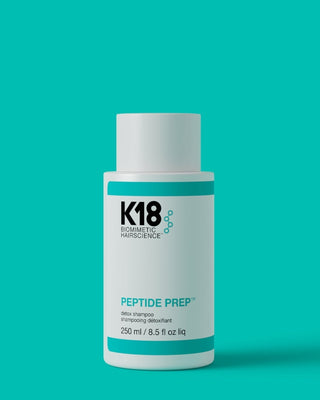
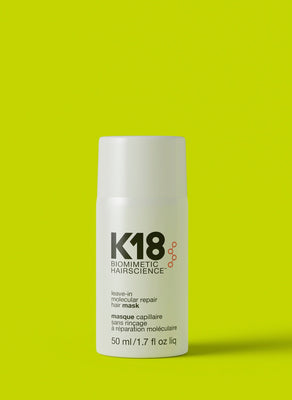
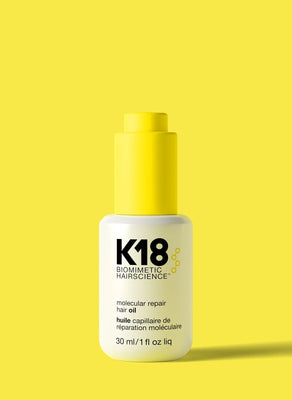
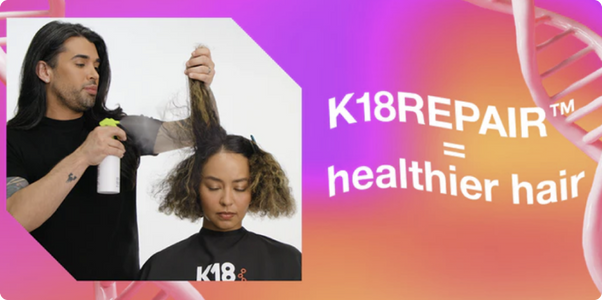
Molecular repair treatments, for example, can rebuild damaged hair bonds from chemical processing, heat damage, and environmental stress. These treatments work at the protein level to restore hair's structural integrity, providing immediate improvement in strength and appearance.
[collection-carousel="treatment"]
What the research says about stress and hair recovery
Understanding what works—and what doesn't—helps you make better decisions about your hair recovery strategy.
- Stress reduction is crucial: Multiple studies confirm that managing cortisol levels through various methods can improve hair growth cycles
- Individual responses vary: What works for one person's stress-related hair loss may not work for another, particularly when hormones are involved
- Direct hair treatments show faster results: Clinical evidence shows that targeted hair care interventions often provide more reliable and immediate results than oral supplements alone
- Combination approaches work best: The most successful hair recovery typically combines stress management with professional treatments
- Evidence on supplements remains mixed: While ashwagandha can reduce cortisol, not all studies agree on its overall effectiveness for stress-related conditions
- Exercise delivers consistent benefits: Physical activity reliably reduces stress hormones while improving scalp circulation
How to create a comprehensive hair recovery strategy
Successfully addressing stress-related hair breakage typically requires a multi-faceted approach rather than relying on any single solution, including ashwagandha.
What should your daily hair care routine include
A protective daily routine forms the foundation of hair recovery. Focus on gentle cleansing, adequate conditioning, and regular treatments that address your hair's specific damage patterns.
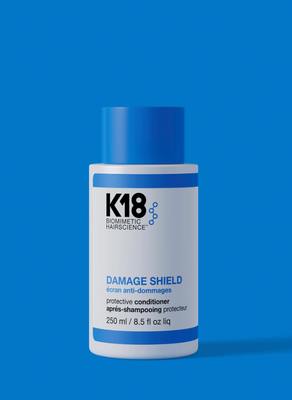
Look for products that offer damage prevention alongside repair. Protective conditioners can shield your hair from further environmental and styling damage while repair treatments work to restore what's already been compromised.
[product-feature="k18-leave-in-molecular-repair-hair-mask-5ml"]
How can you address lifestyle factors
Beyond topical treatments, lifestyle modifications can significantly impact your hair's recovery trajectory. Stress management remains crucial, but so do nutrition, sleep quality, and overall health habits.
- Sleep optimisation - Aim for 7-9 hours of quality sleep nightly
- Protein intake - Ensure adequate protein for hair structure building
- Hydration - Maintain consistent water intake for scalp health
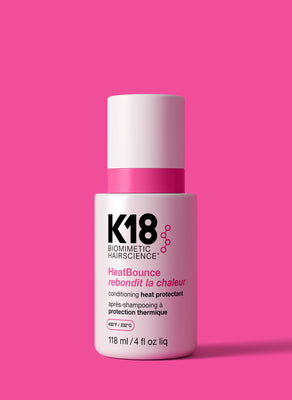
- Heat protection - Always use heat protectants before styling
- Gentle handling - Avoid tight hairstyles and aggressive brushing
[product-feature="damage-shield-protective-conditioner"]
What to do next for your hair health
Rather than focusing solely on whether ashwagandha will solve your stress-related hair breakage, consider it as one potential tool in a broader hair health strategy. The herb may be beneficial for some individuals, particularly those whose hair issues stem primarily from cortisol elevation without underlying hormonal sensitivities.
However, the evidence suggests that direct hair care interventions often provide more reliable and immediate results. Professional treatments that repair hair at the molecular level, combined with protective styling and stress management techniques, typically deliver more predictable outcomes than supplements alone.
If you do choose to try ashwagandha, approach it as part of a comprehensive plan that includes proven hair care treatments, lifestyle modifications, and careful monitoring for any adverse effects. Remember that hair recovery is a gradual process, and the most successful approaches typically combine internal wellness with external hair care expertise.
[collection-carousel="bestsellers"]
For optimal results, focus on treatments that directly address hair damage at the molecular level while simultaneously working on stress reduction through proven methods like exercise, adequate sleep, and professional support when needed. This multi-pronged approach gives your hair the best chance to recover its strength, resilience, and natural beauty.
