

If you've been researching solutions for hair thinning and breakage, you've likely come across claims about NMN (nicotinamide mononucleotide) being a miracle supplement for hair health. With promises of reversing hair loss and strengthening weak strands, it's no wonder people are curious about whether NMN for hair thinning actually delivers results.
The reality is more complex than the marketing suggests. While NMN has gained attention for its potential anti-ageing properties, the evidence for its effectiveness in treating hair thinning and breakage tells a different story. Understanding what really works and what doesn't can save you time, money, and disappointment in your hair health journey.
In this article, we'll examine the current evidence around NMN's impact on hair health, explore why some people experience negative effects, and discuss proven alternatives that actually work for strengthening hair and reducing breakage.
What is nmn and why do people think it helps hair
NMN is a precursor to NAD+ (nicotinamide adenine dinucleotide), a coenzyme that plays a crucial role in cellular energy production and DNA repair. Research confirms that NMN serves as a direct precursor to NAD+, converted in one step by NMNAT enzyme. As we age, NAD+ levels naturally decline, leading to various signs of ageing including potential changes in hair health. Studies have documented this age-related decline and its connection to follicle dysfunction through mechanisms like oxidative stress and impaired regeneration.
The theory behind using NMN for hair thinning centres on the idea that boosting NAD+ levels could improve cellular function in hair follicles. Multiple studies support this concept, showing that NMN enhances cellular energy production and improves growth markers like VEGF and β-catenin. Proponents suggest this might lead to stronger hair growth, reduced breakage, and even reversal of hair loss.
How nmn is supposed to work for hair health
Supporters of NMN supplementation propose several mechanisms for hair improvement including enhanced cellular energy production in hair follicles, improved DNA repair processes, and better overall scalp health through increased cellular regeneration. Evidence suggests NMN enhances mitochondrial ATP metabolism and supports DNA repair pathways through NAD+ boosting.
However, the gap between theoretical benefits and real-world results is significant. The cellular pathways that govern hair growth are incredibly complex, and simply increasing NAD+ levels doesn't guarantee improved hair health.
What the evidence actually shows about nmn for hair loss
When we look at real-world experiences and available evidence, the picture becomes much clearer, though it's more nuanced than supplement marketing suggests. While some individual responses to NMN can vary, with certain users reporting no noticeable difference, the research isn't as uniformly negative as critics claim.
The available evidence is mixed and emerging. A clinical trial on 15 middle-aged women showed improvements in hair diameter and density after 12 weeks of NMN supplementation. However, this represents limited human data, and individual responses appear to vary significantly.
Why nmn fails to deliver consistent hair results
The disconnect between theory and variable results stems from several factors. First, hair loss often has hormonal components that NMN doesn't directly address. Second, the bioavailability and absorption of oral NMN supplements may be limited. Third, hair follicles may not respond to increased NAD+ levels uniformly across different individuals.
More concerning is that while some research shows promise, the evidence base remains predominantly from animal studies and limited human trials, making it difficult to predict individual outcomes.
Can nmn actually make hair loss worse
This concern has emerged in discussions about NMN supplementation for hair health, though the evidence doesn't support this worry. The potential mechanism often cited involves NMN's possible impact on hormone levels, particularly dihydrotestosterone (DHT). However, current research contradicts these concerns.
DHT is the primary culprit behind pattern hair loss, and any supplement that increases DHT activity could theoretically accelerate hair thinning. However, no evidence from available sources indicates that NMN increases DHT activity—in fact, animal studies suggest the opposite.
Understanding the dht connection
Androgenic alopecia affects millions of people worldwide and is driven by sensitivity to DHT. Hair follicles gradually shrink when exposed to this hormone, leading to progressively thinner hair and eventual hair loss.
Contrary to concerns about NMN worsening hair loss, animal research shows NMN actually reverses DHT-induced hair follicle atrophy by reducing androgen receptor expression and promoting follicle growth comparable to minoxidil.
|
Factor |
Impact on Hair Loss |
NMN's Potential Effect |
|---|---|---|
|
DHT Levels |
Higher levels accelerate hair loss |
May reduce DHT sensitivity |
|
Follicle Sensitivity |
Greater sensitivity worsens thinning |
Unknown impact on sensitivity |
|
Cellular Energy |
Better energy supports hair growth |
May improve but insufficient alone |
What actually works for hair thinning and breakage
While NMN shows promise but remains experimental, there are proven treatments that consistently deliver results for hair thinning and breakage. The gold standard treatments have decades of research backing their effectiveness.
Minoxidil stands out as the most consistently effective treatment for hair thinning. Clinical trials regularly demonstrate significant improvements in hair density and reduced hair loss when using this FDA-approved treatment. Meta-analyses show minoxidil increases hair count by 8-15 hairs/cm² compared to placebo.
Proven treatment options that deliver results
-
Minoxidil - Increases blood flow to hair follicles and extends the growth phase
-
Finasteride - Blocks DHT production to prevent further hair loss
-
Microneedling - Stimulates hair follicles through controlled micro-injuries
-
Targeted hair treatments - Science-backed formulations that repair damage at the molecular level
The key advantage of these treatments is their proven track record. Unlike experimental supplements, these options have consistent evidence supporting their effectiveness for hair health.
How to strengthen hair and reduce breakage effectively
Beyond treating hair loss, addressing breakage requires a different approach focused on strengthening the hair shaft and protecting existing strands from damage.
Breakage often results from compromised hair structure due to chemical processing, heat damage, or environmental factors. The most effective solutions work at the molecular level to rebuild damaged proteins and restore hair integrity.
Molecular repair for damaged hair
Modern hair science has identified specific proteins and peptides that can penetrate the hair shaft to repair damage from the inside out. Unlike surface treatments that provide temporary cosmetic benefits, molecular repair treatments address the root cause of breakage.
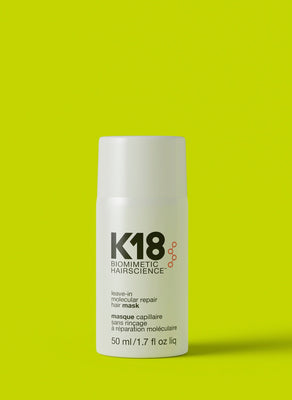
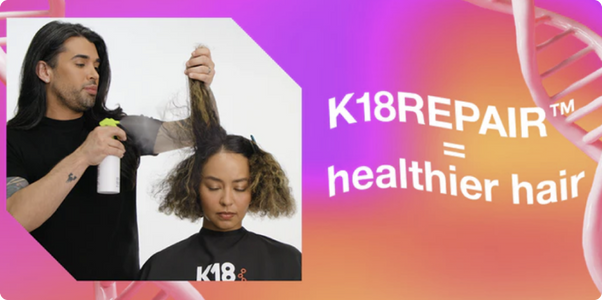
The K18 Leave-In Molecular Repair Hair Mask represents this advanced approach, using biotech-derived peptides that target damaged keratin chains within the hair structure.
Building an effective hair repair routine
Successful hair repair requires a systematic approach that combines protection with active restoration. This involves using gentle cleansing products that don't strip natural oils, applying targeted repair treatments that rebuild damaged proteins, and protecting hair from future damage through proper styling practices.
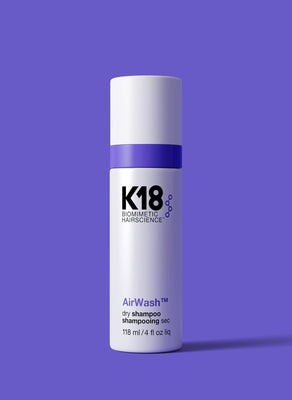
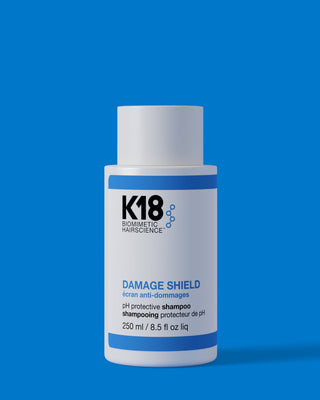
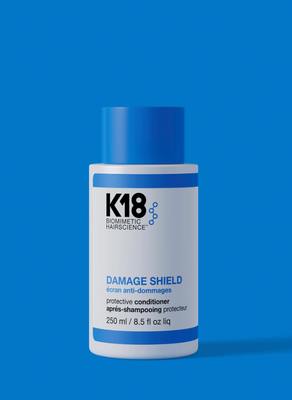
A comprehensive routine might include damage-shielding shampoos and conditioners, weekly intensive repair treatments, and daily leave-in products that provide ongoing protection.
-
Start with a gentle, protein-rich cleansing system
-
Apply intensive repair treatments 1-2 times per week
-
Use daily leave-in treatments for ongoing protection
-
Minimise heat styling and chemical processing
-
Protect hair from environmental damage
Combining treatments for maximum hair health results
The most successful approach to hair health often involves combining multiple proven treatments rather than relying on a single solution.
For example, pairing minoxidil with microneedling has shown enhanced results compared to using either treatment alone. The microneedling process appears to increase the absorption and effectiveness of topical treatments.
Creating your personal hair health strategy
An effective strategy addresses both hair loss prevention and hair strength simultaneously. This might involve using medical treatments for hair loss while implementing molecular repair treatments for existing damage.
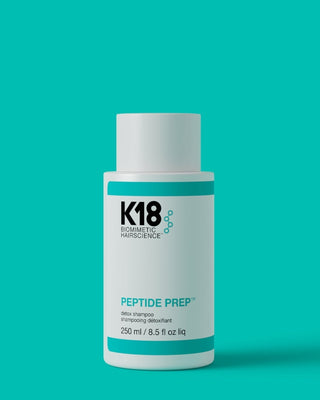
The detox and repair routine bundle provides a foundation for strengthening existing hair while you pursue other treatments for hair loss prevention.
[collection-carousel="treatment-routine"]
|
Hair Concern |
Primary Treatment |
Supporting Treatments |
|---|---|---|
|
Male Pattern Baldness |
Minoxidil + Finasteride |
Microneedling, molecular repair |
|
Female Hair Thinning |
Minoxidil |
Hormonal support, strengthening treatments |
|
Breakage and Damage |
Molecular repair treatments |
Protective styling, gentle products |
|
Chemical Damage |
Intensive protein treatments |
Bond rebuilding, moisture balance |
When to seek professional help for hair concerns
While many hair concerns can be addressed with over-the-counter treatments and proper care routines, some situations require professional evaluation and intervention.
Sudden or severe hair loss, unusual patterns of thinning, or hair loss accompanied by scalp irritation or other symptoms warrant professional consultation. A dermatologist or trichologist can identify underlying causes and recommend appropriate treatments.
Signs that professional help is needed
-
Rapid hair loss over a short period
-
Patchy or unusual hair loss patterns
-
Scalp irritation, scaling, or inflammation
-
Hair loss affecting quality of life or self-esteem
-
No improvement after 6 months of consistent treatment
Professional evaluation can also help identify whether hair loss is due to hormonal factors, nutritional deficiencies, medical conditions, or other treatable causes that wouldn't respond to topical treatments alone.
What the research says about hair loss treatments
-
Minoxidil consistently shows 8-15 additional hairs per cm² in clinical trials and works by increasing blood flow to follicles
-
NMN shows promise in preliminary studies for cellular energy production, but human data remains limited to small trials
-
Molecular repair treatments can rebuild damaged keratin chains within minutes, addressing breakage at its source
-
Evidence on NMN's hormonal effects is mixed—some studies suggest it may reduce rather than increase DHT sensitivity
-
Combination approaches typically outperform single treatments for comprehensive hair health
-
Hair treatment consistency matters, though the optimal timeframe varies by treatment type and individual response
What to do next for healthier hair
Focus on proven solutions that actually work while staying informed about emerging research like NMN. Start with establishing a solid foundation of hair care that protects and strengthens your existing hair while addressing any underlying hair loss with evidence-based treatments.
For immediate results, begin with molecular repair treatments that can reverse damage and strengthen hair in minutes rather than months. The science behind biotech-derived peptides offers tangible benefits you can see and feel.
Consider professional consultation if you're dealing with significant hair loss, and don't hesitate to combine treatments for comprehensive hair health. The damage shield routine provides excellent protection for weakened hair while you explore other treatment options.
[product-feature="k18-leave-in-molecular-repair-hair-mask-5ml"]
[collection-carousel="bestsellers"]
[product-feature="k18-detox-shampoo-repair-mask-routine-bundle"]
[tip-text="Remember that consistency is key with any hair treatment. While some NMN studies suggest benefits at 12 weeks, give proven treatments at least 3-6 months to show results, and don't be tempted by supplements that promise quick fixes without solid evidence."]
Key takeaways about nmn and hair health
The evidence around NMN for hair health is emerging and mixed, with some promising preliminary research but limited human data to support widespread claims. While animal studies show potential benefits, individual responses vary significantly, and the research base remains predominantly experimental.
Instead of waiting for uncertain outcomes, focus your time and money on treatments with established track records. Minoxidil, finasteride, and molecular repair treatments offer real solutions backed by decades of science and consistent user success stories.
Your hair deserves treatments that work, not expensive experiments with uncertain outcomes. Start with proven solutions and build a routine that addresses your specific hair concerns with evidence-based approaches.
