
If you've noticed your bleached hair feels stretchy, rubbery, or unusually elastic when wet, you're dealing with significant structural damage that can't be completely reversed. Understanding how to fix elastic hair after bleaching starts with accepting that the damage is largely permanent, but there are proven treatments that can dramatically improve your hair's feel, manageability, and overall health while you transition to a better routine.
Elastic hair happens when bleaching breaks down the protein bonds and keratin structure that give your hair its strength and elasticity. While the stretchy, gummy texture might seem fixable with the right products, the reality is more complex. The good news is that targeted treatments can help restore some functionality and prevent further damage while you decide on your long-term hair goals.
This guide covers the science behind bleach damage, realistic repair options, and how to create a maintenance routine that works with compromised hair rather than against it.
What Causes Hair To Become Elastic After Bleaching
Bleaching agents work by breaking apart the melanin pigments in your hair shaft, but they don't stop there. The chemical process also attacks the protein structure of your hair, particularly the keratin chains that provide strength and flexibility. When these bonds are severely damaged, your hair loses its natural elasticity range and becomes overly stretchy instead.
How Bleach Damages Hair Structure
Your hair's cortex contains long chains of keratin proteins held together by various bonds. During bleaching, the alkaline environment swells the hair shaft and allows the bleaching agents to penetrate deeply. This process inevitably damages the keratin structure, leading to weakened hair that stretches beyond its normal limits when wet.
The damage becomes apparent because wet hair naturally has more flexibility than dry hair. When the protein structure is compromised, this natural flexibility becomes excessive stretching that feels rubbery or gummy to the touch.
Why The Damage Feels Worse When Wet
Water molecules penetrate damaged hair more easily than healthy hair, causing additional swelling and making the compromised structure more obvious. This is why your bleached hair might feel relatively normal when dry but become noticeably elastic and weak when wet.
Understanding what hair elasticity is and why it matters helps explain why this texture change is such a clear indicator of structural damage that goes beyond surface-level dryness.
Can You Actually Repair Elastic Hair
The honest answer is that severely elastic hair cannot be fully repaired to its original state. The protein damage that causes excessive stretching represents permanent changes to your hair's internal structure. However, this doesn't mean you're completely without options for improvement.
What Bond Repair Treatments Can Do
Products containing bond-building technology can temporarily strengthen damaged hair and improve its feel and manageability. These treatments work by creating new connections between broken protein chains, though they cannot restore the original keratin structure.
Bond repair treatments typically provide several benefits for elastic hair such as reduced stretching when wet, improved resistance to further damage, better styling hold and less tangling during washing and brushing. The effects are temporary and require ongoing use to maintain improvements.
The Role Of Protein Treatments
Protein treatments are particularly effective for overly elastic hair because they help fill in gaps in the damaged protein structure. Unlike bond builders that focus on creating connections, protein treatments add actual protein content to temporarily strengthen the hair shaft.
For elastic hair specifically, protein treatments can reduce the gummy, stretchy feeling and provide more structure for styling. However, these treatments require careful balancing to avoid protein overload, which can make hair brittle and prone to breakage.
Which Treatments Work Best For Stretchy Hair
Different types of damage respond better to specific treatments. Understanding your hair's particular needs helps you choose the most effective approach for managing elastic texture.
Protein Treatments For Excessive Stretching
When your primary concern is hair that stretches too much when wet, protein-based treatments are usually the most effective first step. These treatments work by depositing proteins into the damaged areas of your hair shaft, providing temporary structure and reducing excessive elasticity.
Signs that protein treatments might help include hair that stretches significantly before breaking, a gummy or mushy feeling when wet, difficulty holding styles and lack of bounce or spring when hair is manipulated.
Bond Builders For Overall Strengthening
If your hair shows both stretching and breakage, bond-building treatments often provide the most comprehensive improvement. These work differently from protein treatments by focusing on recreating connections between damaged keratin chains.
Bond builders are particularly useful when your hair exhibits multiple damage signs such as stretching plus snapping, inconsistent texture throughout the length, areas that feel both stretchy and brittle and ongoing breakage despite gentle handling.
|
Treatment Type |
Best For |
How It Works |
Expected Results
|
|---|---|---|---|
|
Protein Treatments |
Overly elastic, stretchy hair |
Deposits proteins to fill structural gaps |
Reduced stretching, improved manageability |
|
Bond Builders |
Combined stretching and breakage |
Creates new connections between damaged chains |
Overall strengthening, reduced further damage |
|
Deep Conditioning |
Dryness with elasticity issues |
Adds moisture and temporary structure |
Improved feel, easier styling |
Molecular Repair Technology
Advanced treatments that work at the molecular level can provide more targeted repair for severely damaged hair. These treatments use specialised peptides and proteins designed to penetrate deeply and rebuild damaged keratin chains from within.
This type of repair technology offers more precision than traditional protein treatments because it targets specific damage patterns rather than providing general protein coating.
How To Create An Effective Recovery Routine
Managing elastic hair requires a strategic approach that balances repair treatments with gentle maintenance. The goal is to improve your hair's condition while preventing additional damage during the recovery process.
Treatment Frequency And Timing
Start with protein treatments weekly for the first month, then adjust based on how your hair responds. Over-treating with protein can create brittleness, so monitor your hair's reaction carefully. If your hair starts feeling stiff or begins snapping easily, reduce protein treatment frequency and add moisturising treatments.
For comprehensive guidance on repairing chemically damaged hair, consider alternating between protein and moisture treatments to maintain balance throughout your recovery routine.
Daily Care Modifications
Your daily routine needs adjustment to support compromised hair structure. Key modifications include using lukewarm water instead of hot water during washing, applying leave-in treatments while hair is damp for better penetration, avoiding tight hairstyles that stress the weakened structure and using heat protection whenever styling tools are necessary.
-
Wash hair less frequently to reduce manipulation
-
Use microfibre towels or cotton t-shirts for gentler drying
-
Apply treatments to damp hair for better absorption
-
Sleep on silk or satin pillowcases to reduce friction
-
Protect hair from UV exposure which can worsen damage
Avoiding Further Damage
While treating existing damage, preventing additional harm is crucial for any progress you make. This means avoiding additional chemical processes until your hair shows significant improvement, using heat styling tools sparingly and always with protection, being extremely gentle during detangling and wet manipulation and choosing products specifically formulated for damaged hair.
Understanding Protein Balance In Damaged Hair
One of the most important aspects of treating elastic hair is understanding the relationship between protein and moisture. Getting this balance wrong can worsen your hair's condition, while getting it right can significantly improve both feel and appearance.
Signs Of Protein Overload
While protein treatments are often necessary for elastic hair, using them too frequently or in too high concentrations can create protein overload. This condition makes hair feel stiff, brittle, and prone to snapping rather than stretching.
Watch for these warning signs such as hair that breaks easily with minimal stretching, a dry, straw-like texture even after moisturising treatments, increased tangling and difficulty combing and styles that won't hold or look flat and lifeless.
Balancing Protein And Moisture
The goal is to find the sweet spot where your hair has enough protein structure to resist excessive stretching but enough moisture to remain flexible and manageable. This typically involves alternating protein and moisturising treatments rather than using one type exclusively.
A common effective approach includes weekly protein treatments during the initial recovery phase, followed by deep moisturising treatments mid-week. As your hair improves, you can reduce protein frequency while maintaining regular moisture treatments.
Individual Hair Response Variations
Different hair types and damage levels respond differently to protein treatments. Fine hair may need lighter protein treatments less frequently, while coarse hair might tolerate stronger treatments more often. Previously processed hair often needs more careful balancing than virgin hair that has only been bleached.
Pay attention to how your specific hair responds and adjust your routine accordingly. What works for others may not be optimal for your hair's particular damage pattern and natural characteristics.
Professional Versus At-Home Treatment Options
Both professional and at-home treatments have roles in managing elastic hair, but they work best when used strategically together rather than as competing approaches.
When To Seek Professional Help
Professional treatment becomes essential when your hair shows extreme elasticity that doesn't respond to at-home care, when you're unsure about protein versus moisture balance for your specific damage pattern, if you're experiencing ongoing breakage despite gentle handling and when considering additional chemical services on damaged hair.
Professional colourists and hair repair specialists can assess your damage level more accurately and recommend targeted treatments that might not be available for home use.
Maximising At-Home Care
At-home treatments work best when chosen specifically for your damage type and used consistently over time. The key is selecting high-quality products with proven ingredients rather than trying multiple products simultaneously.
Effective at-home care for elastic hair focuses on consistent use of appropriate treatments, gentle handling during all hair care activities, protective styling to minimise daily damage and careful monitoring of your hair's response to different products.
[collection-carousel="treatment-new"]
Combining Professional And Home Care
The most effective approach often combines periodic professional treatments with consistent at-home maintenance. Professional treatments can provide more intensive repair, while at-home care maintains and extends those results between salon visits.
Long-Term Expectations And Realistic Goals
Setting appropriate expectations is crucial for managing elastic hair successfully. Understanding what's possible and what isn't helps you make better decisions about treatments, timing, and eventual outcomes.
What Improvement Looks Like
Realistic improvements from treating elastic hair include reduced stretching and gumminess when wet, better manageability during styling and detangling, improved ability to hold styles and curls, less breakage during normal handling and overall stronger feel, though not original strength.
These improvements typically develop gradually over several months of consistent treatment rather than appearing immediately after a few applications.
When Cutting Becomes Necessary
Despite best efforts with treatments, severely damaged elastic hair often needs to be gradually removed through strategic cutting. This doesn't mean cutting all your hair off immediately, but rather planning a transition strategy that removes the most damaged sections while maintaining length where possible.
Signs that cutting may be necessary include hair that remains extremely elastic despite months of treatment, sections that break easily even with gentle handling, areas where treatments seem to have no effect and continued deterioration despite proper care.
|
Damage Level |
Treatment Response |
Recommended Approach |
Timeline
|
|---|---|---|---|
|
Mild Elasticity |
Good improvement with treatments |
Intensive repair routine |
3-6 months |
|
Moderate Elasticity |
Some improvement, manageable |
Treatment plus gradual trimming |
6-12 months |
|
Severe Elasticity |
Minimal treatment response |
Maintenance while growing out |
12+ months |
Planning Your Hair Journey
Whether you choose to focus on treatment, gradual cutting, or a combination approach, having a clear plan helps you stay committed to the process and track your progress effectively.
Consider factors such as your lifestyle and styling needs, budget for ongoing treatments, patience level for gradual improvement and long-term hair goals when developing your approach.
Choosing The Right Products For Recovery
Product selection plays a crucial role in successfully managing elastic hair. The right products can support your hair's recovery, while the wrong ones can worsen damage or interfere with repair treatments.
Key Ingredients To Look For
When selecting products for elastic hair recovery, prioritise formulations that contain proven repair ingredients. Look for hydrolysed proteins that can penetrate the hair shaft, bond-building compounds that reconnect damaged structures, moisturising agents that don't weigh down compromised hair and protective ingredients that shield against further damage.
Avoid products with harsh sulphates, drying alcohols, and heavy silicones that can interfere with treatment penetration or cause additional stress to damaged hair.
Treatment-Specific Product Selection
Different treatment goals require different product formulations. For addressing elasticity specifically, look for products designed for molecular-level repair that can target the specific protein damage causing your stretchy texture.
Explore targeted solutions for various types of hair damage to understand which formulations address elasticity versus other damage patterns.
[tip-text="Apply protein treatments to damp hair for better penetration, but avoid using them on soaking wet hair which can dilute the treatment's effectiveness"]
Building An Effective Product Routine
A successful product routine for elastic hair typically includes a gentle, sulphate-free cleanser, a protein treatment used weekly or bi-weekly, a deep moisturising treatment for balance, a leave-in treatment for daily protection and styling products that don't stress damaged hair.
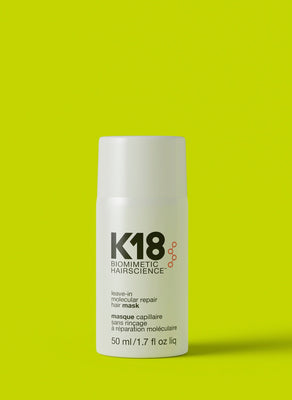
[product-feature="k18-retail-leave-in-molecular-repair-hair-mask-50ml"]
Start with fewer products and add others gradually so you can assess what works best for your specific damage pattern and hair type.
What To Do Next For Your Elastic Hair
If you're dealing with elastic hair after bleaching, your next steps depend on your hair's current condition and your long-term goals. Start by honestly assessing your damage level and choosing an appropriate treatment approach.
Immediate Action Steps
Begin with a protein treatment to address the elasticity, but monitor your hair's response carefully. If you see improvement in stretching and manageability, continue with weekly treatments for the first month. If your hair becomes stiff or brittle, reduce frequency and add moisture treatments.
Focus on revitalising your lightened hair with a comprehensive approach that addresses both immediate damage and long-term hair health.
-
Stop all chemical processing until your hair shows significant improvement
-
Reduce heat styling and always use protection when styling is necessary
-
Be extremely gentle during washing, conditioning, and styling
-
Consider protective hairstyles that reduce daily manipulation
-
Track your progress with photos and notes about texture changes
How K18 Can Support Your Recovery Journey
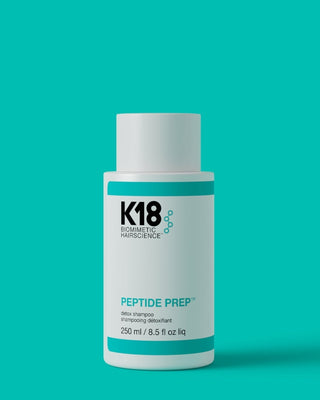
K18's molecular repair technology offers a targeted approach to addressing the protein damage that causes elastic texture. The patented K18PEPTIDE™ works at the molecular level to rebuild damaged keratin chains, providing more precise repair than traditional protein treatments.
[product-feature="k18-detox-shampoo-repair-mask-routine-bundle"]
For comprehensive recovery, consider a complete routine that includes gentle cleansing, intensive molecular repair, and ongoing protection against further damage.
Setting Realistic Timeline Expectations
Recovery from elastic hair damage is a gradual process that typically takes several months to show significant improvement. Plan for at least three months of consistent treatment before evaluating whether your current approach is working effectively.
[collection-carousel="maintainance-routine-new"]
Remember that some improvement in manageability and feel often occurs within the first few weeks, even though structural changes take longer to develop. Use these early improvements as encouragement to continue with your chosen treatment approach.
Key Takeaways For Managing Elastic Hair
Successfully managing elastic hair after bleaching requires accepting that complete repair isn't possible while focusing on realistic improvements that make your hair more manageable and healthier over time.
The most effective approach combines appropriate treatments for your specific damage level with extremely gentle handling and realistic expectations about timelines and outcomes. Whether you choose intensive treatment, gradual cutting, or a combination approach, consistency and patience are essential for the best possible results.
Remember that elastic hair is a sign of significant structural damage that cannot be completely reversed, but with the right approach, you can substantially improve your hair's feel, appearance, and manageability while working toward your long-term hair goals.
