
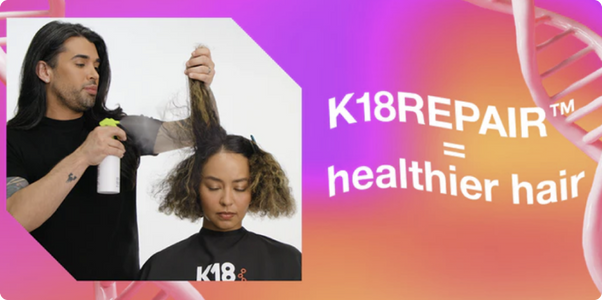
If your hair feels gummy, stretchy, or like wet elastic after bleaching, you're experiencing one of the most common signs of chemical over-processing. This sticky, plasticky texture isn't just unpleasant - it's your hair's way of signalling that its protein structure has been severely compromised at the molecular level.
When bleach strips away too much of your hair's natural keratin proteins, the remaining strands lose their structural integrity. Instead of bouncing back to their original shape when wet, damaged hair becomes gummy and elastic, stretching unnaturally before potentially snapping. Understanding why does my hair feel gummy after bleaching is the first step toward effective repair.
The good news is that while you can't reverse the damage completely, targeted molecular repair treatments can significantly improve texture, reduce breakage, and restore manageability. Here's exactly what's happening to your hair and the most effective strategies to fix it.
What Happens To Hair During Bleaching
Bleaching is essentially controlled damage. The chemical process uses alkaline agents and hydrogen peroxide to penetrate your hair shaft and break down melanin pigments. However, this same process also attacks the keratin proteins that give your hair its strength and elasticity.
How Bleach Damages Hair Structure
Your hair consists of three main layers. The cuticle (outer protective layer), cortex (middle layer containing proteins and pigments), and medulla (inner core). Bleach forces open the cuticle scales and penetrates deep into the cortex, where it doesn't just remove colour - it also breaks down the disulphide bonds that hold your hair's protein structure together.
When these bonds are damaged, your hair loses its ability to maintain its natural shape and texture. The cortex becomes porous and weak, leading to that characteristic gummy feeling when wet. This damage accumulates with each bleaching session, which is why heavily processed hair often feels worse after multiple treatments.
|
Hair Damage Level |
Texture When Wet |
Stretching Behaviour |
Recovery Potential
|
|---|---|---|---|
|
Mild |
Slightly rough |
Minimal stretching |
High with proper care |
|
Moderate |
Gummy, sticky |
Stretches 30-40% before breaking |
Moderate with intensive treatment |
|
Severe |
Mushy, elastic |
Stretches 50%+ like rubber |
Low - may require cutting |
Why Hair Becomes Gummy After Chemical Processing
The gummy texture you're experiencing isn't random - it's a specific symptom of protein loss and structural breakdown. When your hair's keratin chains are damaged, the remaining protein structure becomes unstable and prone to swelling.
What Causes The Sticky Feeling
Damaged hair absorbs and retains excess water because its protective cuticle layer can no longer regulate moisture properly. This waterlogged state, combined with weakened protein bonds, creates that characteristic gummy, stretchy feeling. The hair essentially becomes like a wet sponge that's lost its ability to spring back to its original shape.
The stickiness often becomes more pronounced after washing because water further swells the damaged cortex. You might notice your hair feels almost plasticky or rubbery when wet, and may take much longer to dry than usual. This excess water retention also makes the hair heavier and more prone to breakage when handled.
Understanding hair elasticity and why it matters helps explain why healthy hair should stretch only 20-30% when wet before returning to its original length, while damaged hair can stretch 50% or more.
How To Assess Your Hair Damage Level
Before choosing a repair strategy, you need to honestly assess how severely your hair has been compromised. This will determine whether your focus should be on intensive repair or damage limitation.
The Wet Stretch Test
Take a single strand of wet hair and gently stretch it between your fingers. Healthy hair should stretch about 30% before returning to its original length. If your hair stretches significantly more than this, feels gummy during the test, or breaks easily, you're dealing with moderate to severe damage.
Pay attention to how the hair feels during this test. Severely damaged hair will feel mushy or elastic, like stretching a rubber band. Hair that's salvageable might feel slightly gummy but will still have some resistance and structure.
Signs Your Hair Needs Professional Intervention
-
Hair stretches more than 50% when wet without breaking
-
Strands feel mushy or dissolve-like when rubbed between fingers
-
Hair breaks immediately when any tension is applied
-
Large sections feel uniformly gummy from root to tip
-
Hair won't hold any shape or style, even with products
What You Can Do To Improve Gummy Hair
While you can't completely reverse chemical damage, strategic repair treatments can significantly improve your hair's texture and manageability. The key is addressing both immediate symptoms and preventing further deterioration.
Professional-Grade Molecular Repair
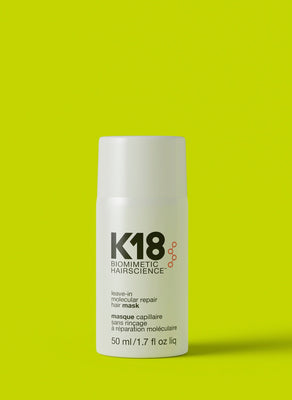
The most effective approach targets damage at the molecular level. Advanced peptide treatments work by penetrating deep into the hair shaft to reconnect broken keratin chains. Unlike surface treatments that just smooth the cuticle, molecular repair actually rebuilds damaged protein structures from within.
These treatments typically work within 4-6 minutes and can dramatically improve elasticity and texture in a single use. However, because the damage is cumulative, you'll likely need multiple applications to see maximum results. The key is consistency rather than expecting instant transformation.
Repairing chemically serviced hair requires a different approach than treating heat damage, focusing specifically on rebuilding broken chemical bonds.
Protein Treatments For Structure Support
Protein treatments can provide temporary structural support by filling in gaps in your hair's damaged cortex. These treatments work best on moderately damaged hair and should be used carefully to avoid protein overload, which can make hair feel stiff and brittle.
The key is finding the right protein-moisture balance. If your hair feels gummy, it likely needs protein support first, followed by moisture to maintain flexibility. However, if protein treatments make your hair feel rigid or straw-like, you may need to focus more on moisturising treatments.
-
Start with a mild protein treatment once weekly
-
Follow immediately with a moisture-rich conditioner
-
Monitor how your hair responds and adjust frequency accordingly
-
Discontinue if hair becomes overly stiff or brittle
Essential Daily Care For Damaged Hair
Your daily routine becomes critical when dealing with compromised hair structure. The goal is minimising further damage while supporting whatever healthy structure remains.
Gentle Cleansing And Conditioning
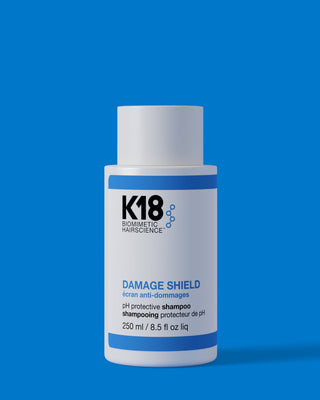
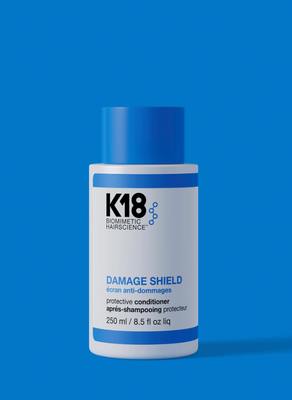
Switch to sulphate-free shampoos that won't further strip your already compromised hair. Focus cleansing on your scalp rather than the lengths, and always follow with a protein-rich conditioner that can provide temporary structural support.
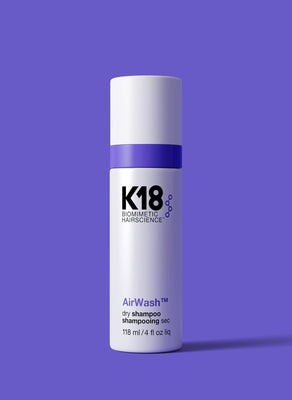
Consider reducing wash frequency to 2-3 times per week, using dry shampoo between washes to extend time between cleansing. When you do wash, use lukewarm water rather than hot, which can cause additional swelling and damage to the hair shaft.
Heat-Free Styling And Protection
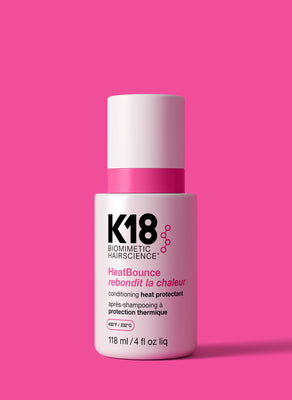
Eliminate heat styling tools completely until your hair shows significant improvement. Even low heat can be too much for severely compromised strands. Instead, focus on protective styles that minimise manipulation.
When styling, use your fingers rather than brushes when possible, and always work with damp rather than soaking wet hair. Wet hair is at its most vulnerable state, so gentle handling is crucial during this phase.
-
Air dry whenever possible
-
Sleep on silk or satin pillowcases
-
Use soft hair ties without metal components
-
Avoid tight ponytails or buns that create tension
When Cutting Is The Best Option
Sometimes the most effective solution for severely gummy hair is strategic cutting. This isn't failure - it's the fastest way to remove irreparably damaged sections and create a foundation for healthy regrowth.
How To Determine What Needs Cutting
Work with a professional colorist or stylist who understands chemical damage. They can assess which sections are salvageable versus which are beyond repair. Often, the most damaged areas are the mid-lengths and ends, where bleach has had the longest exposure time.
Consider a gradual approach rather than removing all damaged hair at once. You might start with a moderate trim, then reassess after a month of intensive treatment to see how much length you can realistically maintain.
The goal is creating a balance between keeping as much length as possible while removing sections that will continue to break and look unhealthy regardless of treatment. Sometimes removing 2-3 inches of severely damaged hair can make the remaining length look and feel dramatically better.
[collection-carousel="maintainance-routine-new"]
Professional Treatment Options
While at-home care is essential, professional treatments can accelerate recovery and provide more intensive repair than consumer products alone.
Salon Bond Repair Services
Many salons offer in-chair bond repair treatments that can significantly improve hair texture in a single session. These professional-strength formulations typically contain higher concentrations of active ingredients and can penetrate more deeply than at-home treatments.
Professional treatments also allow for customisation based on your specific damage pattern. A skilled stylist can assess whether you need more protein support, moisture balance, or bond reconstruction, then tailor the treatment accordingly.
Progressive Treatment Plans
Rather than expecting immediate results, work with your stylist to develop a progressive treatment plan. This might include monthly professional treatments combined with specific at-home maintenance routines designed to support and extend the salon results.
|
Treatment Type |
Best For |
Frequency |
Expected Results
|
|---|---|---|---|
|
Molecular repair |
All damage levels |
Weekly initially, then maintenance |
Improved elasticity and manageability |
|
Protein treatments |
Moderate damage |
Bi-weekly |
Temporary strength and structure |
|
Deep conditioning |
Mild to moderate damage |
Weekly |
Improved moisture and flexibility |
|
Professional salon services |
Severe damage |
Monthly |
Intensive repair and assessment |
Learning about revitalising lightened hair can provide additional strategies for maintaining blonde hair health long-term.
Building Your Recovery Routine
Successful hair recovery requires a systematic approach that addresses immediate damage while preventing future deterioration. The most effective routines combine molecular repair, protective care, and realistic expectations about timelines.
Week-By-Week Recovery Strategy
Start with intensive molecular repair treatments 2-3 times per week for the first month. This front-loads the healing process and can provide noticeable improvements within 2-3 weeks. As your hair improves, you can reduce frequency to once weekly for maintenance.
Combine this with gentle daily care practices and weekly deep conditioning treatments. Monitor your hair's response closely - if it starts feeling overloaded or stiff, reduce treatment frequency or switch to moisture-focused products temporarily.
-
Weeks 1-2: Intensive molecular repair every other day
-
Weeks 3-4: Reduce to 2-3 times weekly, add protein treatments
-
Month 2: Weekly molecular repair, bi-weekly protein, assess progress
-
Month 3+: Maintenance routine based on hair's response
Restoring damaged hair requires patience, but consistent care can yield significant improvements over time.
[collection-carousel="treatment-new"]
What To Expect During Recovery
Managing expectations is crucial for successful hair recovery. While modern repair treatments can achieve impressive results, understanding realistic timelines prevents disappointment and helps you stay committed to the process.
Short-Term Improvements
Within the first 1-2 weeks of intensive treatment, you should notice reduced breakage and improved manageability when styling. The gummy feeling may persist but should become less pronounced, especially when hair is damp rather than soaking wet.
Your hair will likely start holding styles better and feel less fragile during daily handling. These early improvements indicate that the treatment is working, even if the texture hasn't completely normalised yet.
Long-Term Recovery Timeline
Significant texture improvements typically occur over 6-8 weeks of consistent treatment. The hair should feel less elastic and more like its natural texture, though it may never completely return to pre-bleach condition if the damage was severe.
Remember that you're essentially training damaged hair to behave more normally while new, healthy hair grows in. The combination of repair treatments and protective care creates the best environment for both healing existing damage and supporting new growth.
Understanding how peptide repair works can help you understand why molecular-level treatments are often more effective than surface-only solutions.
[product-feature="k18-retail-leave-in-molecular-repair-hair-mask-50ml"]
How We Can Help Your Hair Recovery
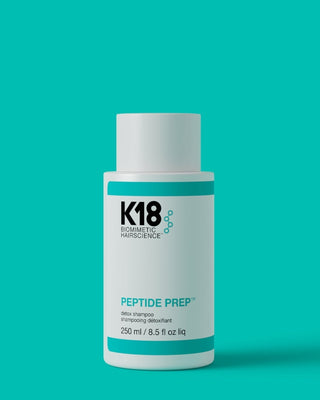
At K18, we've spent over a decade mapping the keratin genome to understand exactly what happens when hair is chemically damaged. Our patented K18PEPTIDE™ works at the molecular level to reconnect broken keratin chains, specifically targeting the type of damage that causes gummy, over-processed texture.
Unlike surface treatments that temporarily smooth hair, our molecular repair technology penetrates deep into the cortex to rebuild damaged protein structures. This approach addresses the root cause of gummy texture rather than just masking the symptoms.
Complete recovery systems provide everything you need for systematic hair repair, from gentle cleansing to intensive molecular treatment.
[product-feature="k18-prep-repair-at-home-duo"]
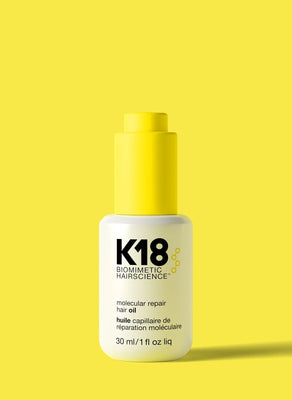
For ongoing support and maintenance, molecular repair oils can provide daily protection and continued improvement for hair that's been compromised by chemical processing. The key is consistency and using treatments specifically designed for your level of damage.
Molecular repair oils work synergistically with intensive treatments to provide daily support for recovering hair structure.
Key Takeaways For Gummy Hair Recovery
Gummy hair after bleaching signals serious protein damage, but it's not necessarily permanent with the right approach. The most effective recovery strategies combine molecular repair treatments with protective daily care and realistic expectations about timelines.
Focus on rebuilding damaged protein structures rather than just adding moisture. While deep conditioning is important, protein-depleted hair needs structural support first. Consider professional assessment if damage is severe, and don't hesitate to trim sections that are beyond repair.
Most importantly, be patient with the process. Hair recovery takes time, but consistent care with proven repair technologies can restore manageability and improve texture significantly over 6-8 weeks. Your hair may never be exactly the same as before bleaching, but it can become healthy, manageable, and beautiful again with the right treatment approach.
