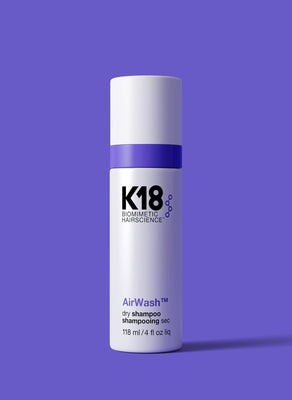
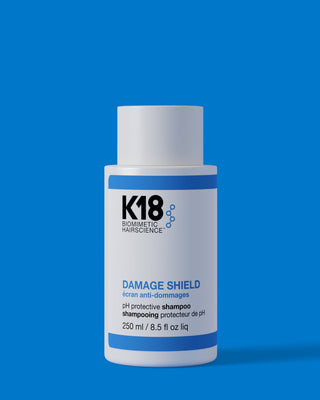
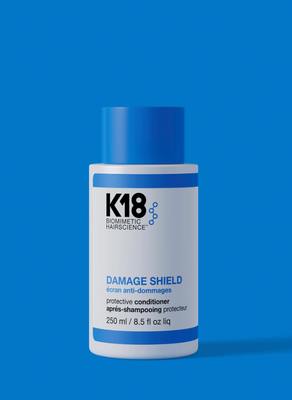
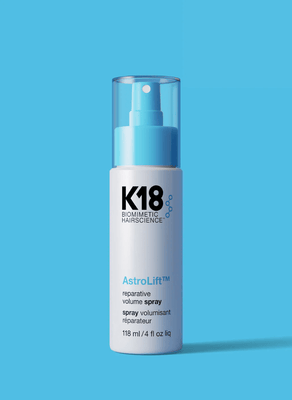

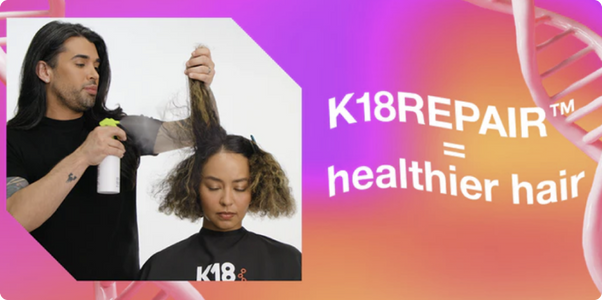
If you've noticed more hair in your brush lately or strands that snap when you style them, you're dealing with hair breakage treatment needs. Hair damage doesn't happen overnight - it's the result of cumulative stress on your hair's protein structure, whether from heat styling, chemical processing, or even something as simple as aggressive brushing.
Understanding what actually damages hair at the molecular level helps you make smarter choices about prevention and repair. While supplements get plenty of attention in the wellness space, the real solution lies in targeted treatments that work on hair's existing structure rather than hoping new growth will solve the problem.
This guide breaks down the science behind hair damage, evaluates whether supplements can truly help, and reveals the most effective approaches to restore your hair's strength and resilience.
What Actually Happens When Hair Gets Damaged
Hair damage occurs when the protein bonds that give your hair its strength and elasticity get disrupted or broken. Research confirms that hair's keratin structure relies on disulfide bonds for strength and hydrogen bonds for flexibility—when these connections break down, your hair loses both properties. Think of healthy hair like a perfectly woven rope - strong, flexible, and resilient. Damaged hair is like that same rope with frayed and broken fibres.
How Chemical Damage Breaks Down Hair Structure
Chemical treatments such as bleaching, colouring, and perming work by breaking down hair's natural protein structure. Studies show that bleach, for instance, breaks apart the melanin that gives hair its colour, but it also damages the keratin proteins that provide strength. This is why bleached hair often feels more fragile and prone to breakage.
The damage isn't just on the surface. Chemical processes affect hair from the cuticle (outer layer) all the way to the cortex (inner structure), breaking peptide and disulfide bonds that maintain structural integrity. When these protein chains are compromised, hair loses its ability to retain moisture and maintain elasticity.
Why Heat Styling Creates Lasting Damage
High temperatures from styling tools cause the water inside hair to rapidly expand and contract, creating microscopic cracks in the hair shaft. Laboratory studies demonstrate that when water within hair fibres heats rapidly, it produces steam expansion that leads to internal fractures and cuticle lifting. Over time, these small fractures accumulate, leading to brittle, weak strands that break easily.
Heat damage is particularly insidious because it's cumulative. Each styling session adds a bit more stress to already compromised hair structure, which is why even gentle heat can eventually cause problems if used consistently without protection.
|
Damage Type |
Primary Cause |
Visible Signs |
Recovery Time |
|---|---|---|---|
|
Chemical |
Bleach, colour, relaxers |
Dryness, elasticity loss, breakage |
Immediate treatment needed |
|
Heat |
Styling tools above 180°C |
Rough texture, split ends |
2-4 weeks with proper care |
|
Mechanical |
Brushing, tight hairstyles |
Breakage at stress points |
1-2 weeks |
|
Environmental |
UV, pollution, chlorine |
Fading, dryness, tangles |
Ongoing protection required |
Can Supplements Actually Repair Damaged Hair
Here's the hard truth about supplements and hair repair - they can't fix hair that's already damaged. Once hair emerges from your scalp, it's essentially dead tissue. Professional guidance confirms that no amount of biotin, collagen, or other supplements can repair broken protein bonds in existing hair strands.
What Supplements Can and Cannot Do
Supplements work on hair that hasn't grown yet. If you have nutritional deficiencies affecting hair growth, supplements might help future hair grow stronger and healthier. However, this process takes months to see results, and most people experiencing breakage need immediate solutions.
-
What supplements might help with - Supporting the health of new hair growth, addressing specific nutritional deficiencies
-
What they can't do - Repair existing damage, stop current breakage, restore elasticity to compromised hair
-
Timeline reality - Hair grows approximately 1.25cm per month, so even perfect nutrition takes 6-12 months to show significant length
The most effective approach combines good nutrition for future hair health with targeted treatments that actually repair existing damage at the molecular level.
Which Hair Breakage Treatments Actually Work
Effective hair breakage treatment works by either temporarily filling in gaps in damaged hair structure or providing long-term molecular repair. Not all treatments are created equal, and understanding the difference helps you choose the right approach.
How Protein Treatments Rebuild Hair Structure
Professional and at-home protein treatments work by depositing proteins into damaged areas of the hair shaft. However, not all proteins are small enough to penetrate deeply into hair's structure. Peptide-based treatments offer the most effective repair because their molecular size allows them to reach the cortex where structural damage occurs, though the evidence is still emerging on their superiority over traditional protein treatments.
The key difference lies in molecular size. Traditional proteins such as keratin often sit on the surface, providing temporary improvement but washing away over time. Smaller peptides can actually integrate with existing hair structure for lasting repair.
Why Detangling Method Matters for Prevention
One of the most overlooked aspects of preventing breakage is proper detangling technique. Wet detangling with a wide-tooth comb and conditioner can reduce breakage for many hair types, though experts note the effectiveness varies depending on your hair's texture and condition. This method allows the conditioner to provide slip, reducing friction and tugging that leads to snapping.
-
Start detangling from the ends and work upward
-
Use a wide-tooth comb or specialised detangling brush
-
Apply conditioner or leave-in treatment for slip
-
Be patient - rushing leads to breakage
Some people worry that wet hair is more fragile, but the reduced friction from proper technique often outweighs this concern for textured hair types. Hair that's lost its elasticity from damage particularly benefits from gentler detangling methods.
[collection-carousel="treatment-new"]
When Professional Treatments Make Sense
Salon treatments such as bond-building services work particularly well for severely chemically damaged hair. These treatments use specialised molecules that can target broken disulfide bonds within the hair shaft, providing structural repair that can last through multiple washes, though the evidence on their ability to fully reconnect bonds is still developing.
Professional treatments make the most sense when damage is extensive, such as after bleaching or chemical straightening. For moderate damage from heat styling or environmental stress, effective at-home treatments can provide similar benefits.
How to Tell if Your Hair Needs Immediate Intervention
Not all hair concerns require the same level of intervention. Understanding whether your hair needs immediate treatment or ongoing maintenance helps you allocate time and resources effectively.
Signs That Indicate Structural Damage
Certain symptoms indicate that hair damage has progressed beyond surface-level concerns and requires targeted molecular repair. Gummy or overly elastic hair texture often signals protein loss that won't resolve with basic conditioning treatments.
-
Immediate intervention needed - Hair stretches significantly when wet, feels gummy or mushy, breaks easily during styling
-
Moderate damage - Increased tangles, rough texture, occasional breakage during brushing
-
Early damage - Slight dryness, occasional split ends, minor changes in shine
The elasticity test provides a reliable gauge of hair health. Research indicates that hair which stretches excessively when wet and doesn't return to its original length has compromised protein structure, though experts disagree on the exact percentage of normal stretch for healthy hair.
What to Expect from Different Treatment Approaches
Understanding realistic timelines helps set appropriate expectations for hair repair. Surface treatments such as conditioning masks provide immediate cosmetic improvement but require ongoing use. Molecular repair treatments offer more lasting results but may take several applications to reach full effectiveness.
|
Treatment Type |
Immediate Results |
Long-term Benefits |
Application Frequency
|
|---|---|---|---|
|
Conditioning masks |
Improved feel and shine |
Temporary, needs maintenance |
Weekly |
|
Protein treatments |
Increased strength |
Cumulative improvement |
Every 2-3 weeks |
|
Molecular repair |
Subtle initial improvement |
Lasting structural repair |
Every 3-4 washes initially |
|
Bond builders |
Reduced breakage |
Maintained with use |
As needed |
What the research says about hair repair
The science behind hair damage and repair is becoming clearer, though some areas remain under investigation. Here's what the current evidence shows:
-
Chemical and heat damage definitively breaks protein bonds - Multiple studies confirm that bleaching, colouring, and high-heat styling disrupt the disulfide and hydrogen bonds that give hair its strength
-
Existing damaged hair cannot be repaired by supplements - Hair is dead tissue once it emerges from the follicle, so nutritional interventions only affect future growth
-
Molecular-level treatments show promise for structural repair - Peptide-based and bond-building treatments can target damaged areas within the hair shaft
-
The effectiveness of different detangling methods varies by hair type - While wet detangling with conditioner helps many people, the evidence isn't universal across all hair textures
-
Elasticity testing can indicate protein damage, but normal ranges vary - Experts haven't reached consensus on exact percentages for healthy hair stretch
-
Professional bond-building treatments show measurable improvements - Though the extent to which they truly reconnect bonds versus strengthen hair through other mechanisms needs more research
Your Next Steps for Healthier Hair
The most effective approach to hair repair combines immediate damage control with long-term prevention strategies. Start with targeted treatments that address existing damage, then build habits that prevent future problems.
Creating an Effective Repair Routine
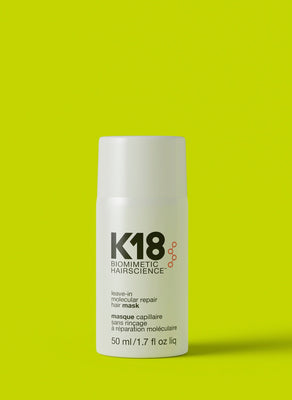
Begin with a molecular repair treatment that can penetrate hair's structure and rebuild broken bonds. The K18 Leave-In Molecular Repair Mask works at the molecular level to reverse damage in just four minutes, making it ideal for addressing structural problems that supplements simply can't fix.
Pair molecular repair with gentle maintenance products that won't strip or further damage compromised hair. A complete system approach ensures you're both repairing existing damage and preventing new problems.
-
Use molecular repair treatments consistently for the first month
-
Switch to gentle, damage-shielding daily products
-
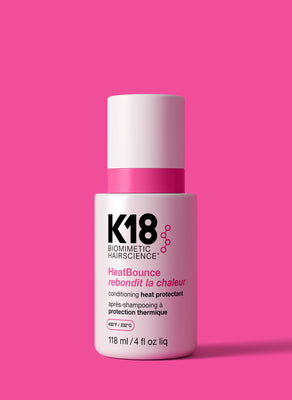
Protect hair during heat styling with appropriate products
-
Adjust detangling technique to reduce mechanical stress
[collection-carousel="bmaintainance-routine-new"] [product-feature="k18-retail-leave-in-molecular-repair-hair-mask-50ml"]
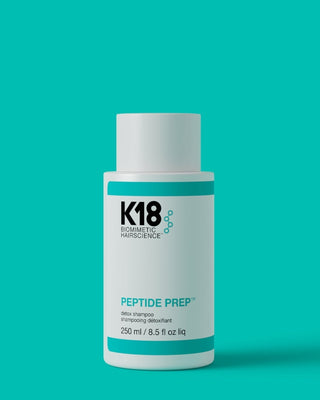
For comprehensive care, consider a complete detox and repair system that addresses both cleansing and treatment needs. This approach ensures you're not inadvertently causing damage while trying to repair it.
When to Reassess Your Approach
Monitor your hair's response to treatment over 4-6 weeks. Healthy hair should feel stronger, more elastic, and less prone to breakage. If you're not seeing improvement, consider whether your damage might be more severe than initially thought, or whether environmental factors are continuing to cause problems.
Severely bleached or chemically processed hair may need more intensive treatment or professional intervention. The key is being honest about the level of damage and choosing treatments that match the severity of the problem.
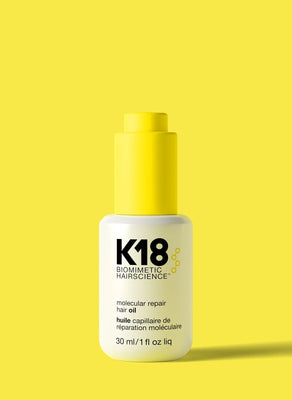
[product-feature="molecular-repair-oil-molecular-repair-hair-mask-deal-valued-at-1224"] [tip-text="Remember that hair repair is a process, not an instant fix. Consistency with the right treatments will give you better results than switching products frequently or expecting overnight transformation."]
Building Long-Term Hair Health
Once you've addressed immediate damage, focus on prevention and maintenance to keep your hair healthy long-term. This means making smarter choices about styling, using protective products consistently, and understanding that healthy hair is the result of cumulative good habits rather than quick fixes.
The most sustainable approach combines effective treatments for existing damage with prevention strategies that protect your hair going forward. While supplements might support overall hair health as part of good nutrition, targeted molecular repair and protective styling practices deliver the most reliable results for damaged hair.
Your hair's ability to look and feel healthy again depends more on choosing the right treatments and techniques than on any supplement regimen. Focus on proven molecular repair methods, gentle handling, and consistent protection to restore your hair's strength and resilience.
