
When your hair feels damaged, brittle, or simply isn't growing as you'd like, the supplement aisle can feel overwhelming. Bottles promising "growth" sit next to others claiming "repair," leaving many wondering whether these are different solutions or just clever marketing variations. The truth is, hair damage repair supplements and hair growth supplements target fundamentally different mechanisms, though they often work best together.
Understanding the distinction matters because treating hair damage repair with the wrong approach can leave you frustrated and your hair unchanged. Growth supplements focus on creating optimal conditions for new hair follicles, while repair supplements work on strengthening and protecting the hair you already have. Most effective hair routines combine both internal and external approaches for comprehensive results.
What Are Hair Growth Supplements and How Do They Work
Hair growth supplements target the follicle production cycle, providing nutrients that support healthy hair formation from the root. Research shows that these nutrients can influence hair follicle biology and extend the growth phase by supporting cellular processes at the follicle level. These formulations typically include biotin, iron, zinc, and vitamins like B12 and D3 that influence how quickly and robustly new hair develops.
Which Nutrients Drive Hair Growth Most Effectively
The most researched growth-supporting nutrients work at the cellular level where hair begins. Biotin helps produce keratin, the primary protein structure in hair strands. Studies confirm that biotin supports keratin production through its role in protein synthesis and as a cofactor for enzymes essential for keratin infrastructure. Iron ensures adequate oxygen delivery to follicles, while zinc regulates hormone levels that can inhibit growth.
-
Biotin supports keratin synthesis and strand thickness
-
Iron prevents growth-slowing nutrient deficiencies
-
Zinc balances hormones that can shrink follicles
-
Vitamin D3 activates follicle stem cells
-
B-complex vitamins improve scalp circulation
Growth supplements work slowly because they're influencing the hair cycle itself. Evidence indicates that new growth takes 8-12 weeks to become visible, and meaningful length changes require 4-6 months of consistent use.
|
Growth Phase |
Duration |
What's Happening |
Supplement Impact |
|---|---|---|---|
|
Anagen (Growth) |
2-7 years |
Active hair production |
High - nutrients directly fuel growth |
|
Catagen (Transition) |
2-3 weeks |
Follicle shrinking |
Medium - supports healthy transition |
|
Telogen (Rest) |
3 months |
Hair ready to shed |
Low - preparing for next cycle |
What Are Hair Repair Supplements and When Do You Need Them
Hair repair supplements focus on strengthening existing strands and protecting them from ongoing damage. Unlike growth supplements that work at the follicle level, repair formulations target the hair shaft itself, often including antioxidants, amino acids, and protective compounds. Industry research shows these supplements commonly contain antioxidants like vitamins C and E, amino acid-derived ingredients such as collagen peptides, and protective compounds that reduce oxidative damage to strengthen the hair shaft.
How Damage Accumulates and Why Repair Matters
Hair damage is cumulative and, for the most part, permanent. Each instance of heat styling, chemical processing, or environmental stress weakens the protective cuticle layer and breaks down internal protein structures. This cumulative effect means that while low-temperature heat causes minimal damage, higher temperatures above 140°C cause irreversible protein changes, and this damage builds up over the lifetime of each strand. However, the evidence is mixed regarding whether all heat use causes damage - effects depend significantly on temperature and exposure time.
For longer hair, this accumulation becomes particularly noticeable because the ends have been exposed to more damage events over time. Hair doesn't heal itself like skin does for existing strands, making protective strategies essential rather than optional.
-
Heat styling breaks down protein bonds permanently
-
Chemical treatments dissolve protective cuticles
-
Environmental stressors create oxidative damage
-
Mechanical damage from brushing adds up over time
-
UV exposure degrades hair colour and structure
Repair supplements typically include antioxidants like vitamin E and selenium to combat oxidative stress, plus amino acids that can temporarily fill in damaged protein structures. Some formulations add collagen peptides or keratin precursors to support strand integrity.
What the Research Says About Hair Supplements
The evidence for hair supplements shows some clear patterns, though not everything is settled science:
-
Growth supplements work best for deficiencies - multiple clinical trials show significant improvements when correcting iron, vitamin D, or biotin deficiencies
-
Timeline expectations are realistic - controlled studies consistently show measurable changes at 3 months, with substantial improvements by 6 months
-
Nutrients target different mechanisms - research confirms that vitamins, minerals and botanical compounds influence distinct pathways in follicle biology
-
Evidence is mixed for universal benefit - while supplements help those with deficiencies, results are less consistent for people with adequate nutrition
-
External protection remains essential - supplements cannot replace immediate thermal protection, as they don't provide real-time barrier effects against heat damage
Which Type of Supplement Should You Choose Based on Your Hair Goals
The choice between growth and repair supplements depends on your primary concern and hair condition. Most people benefit from addressing both aspects, but understanding your priorities helps determine where to start.
When Growth Supplements Make the Most Sense
Growth supplements work best when your hair is healthy but simply not growing as quickly or thickly as you'd like. They're particularly effective for people with nutritional deficiencies or those experiencing temporary shedding due to stress or hormonal changes.
Consider growth supplements if you have thinning hair, slow growth after a haircut, recent stress-related shedding, or confirmed nutrient deficiencies. These formulations work well for people whose existing hair feels healthy but lacks volume or length.
When Repair Supplements Become Essential
Repair supplements become crucial when your existing hair shows signs of damage like brittleness, split ends, colour fading, or rough texture. These issues indicate structural damage that growth supplements alone cannot address.
People who heat style regularly, colour their hair frequently, or live in harsh climates often need repair-focused nutrition. The protective compounds in repair supplements help minimise future damage while supporting whatever natural repair processes the hair can manage.
|
Hair Concern |
Primary Need |
Supplement Focus |
Expected Timeline
|
|---|---|---|---|
|
Slow growth, thinning |
Follicle nutrition |
Growth supplements |
3-6 months |
|
Breakage, split ends |
Strand protection |
Repair supplements |
6-8 weeks |
|
Heat/chemical damage |
Damage prevention |
Repair + external protection |
4-12 weeks |
|
Overall hair health |
Comprehensive support |
Combined approach |
2-6 months |
How External Hair Treatments Compare to Supplement Approaches
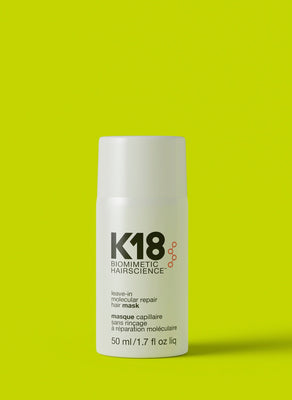
While supplements work from the inside out, external treatments like molecular repair masks and protective products deliver targeted ingredients directly to damaged areas. This dual approach often produces faster, more noticeable results than supplements alone.
Why Heat Protection Cannot Be Replaced by Supplements
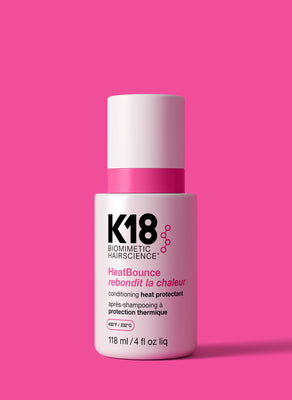
Heat protectants are generally effective and should be used routinely with any heat styling, regardless of supplement use. Even with optimal internal nutrition, heat protection remains essential because supplements cannot prevent real-time thermal damage to the hair shaft. Studies show that topical heat protectants can reduce damage by up to 50% through direct barrier formation, something internal supplements simply cannot replicate.
The perceived downsides of heat protectants, such as greasiness or residue, can usually be addressed by switching formulas or adjusting application methods. This makes finding the right external protection more worthwhile than skipping it entirely.
-
Supplements support long-term hair health and growth
-
Heat protectants prevent immediate thermal damage
-
Repair treatments target existing structural damage
-
Combined approaches offer the most comprehensive protection
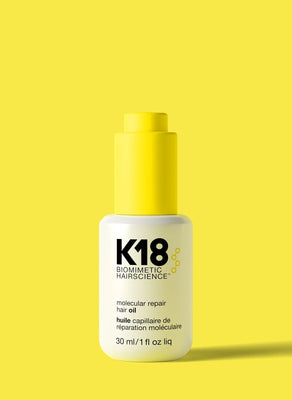
Molecular repair treatments work by targeting damaged protein bonds directly, delivering peptides and amino acids exactly where damage has occurred. This precision makes external treatments particularly effective for visible, immediate improvements.
[collection-carousel="treatment-new"]
What Results Can You Expect and When
Understanding realistic timelines helps set appropriate expectations and prevents premature abandonment of effective strategies. Hair responds slowly to both internal and external interventions, with different types of improvements appearing at different stages.
How Different Hair Types Respond to Supplement and Treatment Combinations
Hair type and length significantly influence how quickly improvements become noticeable and which approaches work best. Longer hair shows damage more readily because the ends have experienced more cumulative damage events, but it also demonstrates repair more dramatically when treatments work.
Fine hair typically responds faster to growth supplements because new, healthier strands become visible sooner. Thick, coarse hair may take longer to show growth improvements but often demonstrates repair benefits more quickly when using external treatments.
-
Week 2-4 - External treatments begin improving texture and manageability
-
Month 2-3 - New growth from growth supplements becomes measurable
-
Month 3-4 - Cumulative repair effects create noticeable strength improvements
-
Month 4-6 - Growth supplements reach full effectiveness for length and thickness
-
Month 6+ - Combined approaches show maximum benefits for overall hair health
Even with proper protection and supplementation, some damage remains irreversible. High heat can still gradually degrade hair structure over time, making prevention and maintenance crucial for long-term results.
[collection-carousel="maintainance-routine-new"]
How to Build an Effective Hair Health Routine
The most effective hair health strategies combine appropriate supplementation with targeted external treatments and protective practices. This comprehensive approach addresses both immediate damage and long-term hair quality.
Which Products Work Best Together
Starting with a prep and repair routine creates the foundation for healthy hair maintenance. This combination approach prepares hair for treatment while delivering molecular-level repair where damage has already occurred.
For heat styling users, protective cleansing systems paired with growth supplements create a maintenance routine that prevents new damage while supporting healthy growth patterns.
|
Hair Goal |
Supplement Strategy |
External Treatment |
Protective Practice
|
|---|---|---|---|
|
Faster growth |
Biotin + iron complex |
Scalp stimulating treatments |
Gentle handling when wet |
|
Damage repair |
Antioxidant + protein support |
Molecular repair masks |
Lower heat styling temperatures |
|
Prevention focus |
Comprehensive nutrient support |
Daily leave-in protection |
Regular heat protectant use |
|
Overall health |
Combined growth + repair formula |
Weekly intensive treatments |
Consistent protective routine |
Low-heat tools and careful styling practices can reduce but not eliminate damage, making the combination of supplements and external protection particularly important for frequent heat users.
[tip-text="Using heat protectant is always a better tradeoff than washing hair more frequently due to product buildup - the damage from heat exposure far exceeds any concerns about extra cleansing"]
What to Do Next for Your Hair Health
Begin by assessing your primary concern - whether it's slow growth, visible damage, or prevention of future problems. This determines whether to start with growth supplements, repair treatments, or a combined approach.
Comprehensive repair systems work well for people dealing with multiple types of damage who want to address everything systematically rather than piecemeal.
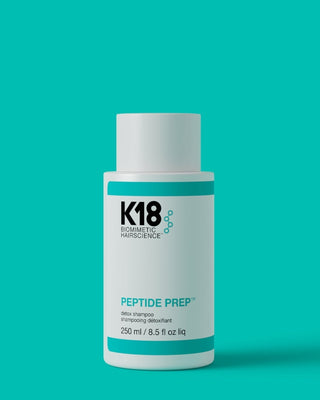
[product-feature="k18-detox-shampoo-repair-mask-routine-bundle"]
Remember that consistency matters more than perfection. Even basic protection used regularly provides significant benefits compared to sporadic use of premium products. Start with sustainable changes you can maintain long-term rather than complex routines that become burdensome.
Key Takeaways for Supplement and Treatment Success
Hair growth supplements and hair repair supplements serve distinct but complementary purposes in maintaining healthy hair. Growth supplements optimise the follicle environment for new hair production, while repair supplements protect and strengthen existing strands against ongoing damage.
The most effective approach combines both internal nutrition and external protection, recognising that cumulative damage is permanent while new growth represents ongoing opportunity. Understanding your hair type, damage history, and primary goals helps determine the right balance of growth support, repair treatments, and protective practices.
Realistic expectations and consistent application produce better results than expensive products used sporadically. Whether your focus is growing longer hair, repairing heat damage, or maintaining healthy strands, the combination of targeted supplementation and proven external treatments offers the most comprehensive path to hair like new.
