
The urge to go lighter faster is real, but rushing between bleach sessions is the fastest way to fry your hair. Understanding how often you can bleach your hair without damaging it comes down to biology, chemistry, and a hefty dose of patience.
Bleaching strips away your hair's natural pigment using powerful alkaline chemicals that force open the hair cuticle. Each session weakens the protein structure, making your strands more fragile. The key isn't avoiding damage entirely—it's keeping it within repairable limits while your hair rebuilds between sessions.
The science-backed answer? Wait at least three to four weeks between bleaching sessions, though six to eight weeks is even safer for maintaining hair integrity. This timeline isn't arbitrary—it's based on how long your hair needs to recover its structural strength and barrier function.
What Happens When You Bleach Hair Too Frequently
Every bleaching session opens your hair cuticles and breaks down melanin molecules inside the cortex. When you don't allow adequate recovery time, you're essentially attacking already compromised hair structure.
Why Your Hair Needs Recovery Time Between Sessions
Hair damage from frequent bleaching isn't just cosmetic—it's molecular. The cuticle layers that protect your hair shaft need time to partially close and regain some protective function. Without this recovery period, you risk:
-
Severe breakage from weakened protein bonds
-
Chemical burns on your scalp and hair shaft
-
Irreversible texture changes that leave hair permanently brittle
-
Uneven colour results from damaged areas absorbing chemicals differently
Professional colourists often describe over-bleached hair as "mushy" or "gummy" when wet—a clear sign that the internal protein structure has been compromised beyond what most treatments can repair.
How Long Should You Wait Between Bleach Sessions
The safest approach is waiting at least three to four weeks between full bleaching sessions, though this timeline varies based on your starting colour, hair condition, and desired results.
What the Timeline Looks Like for Different Hair Types
|
Hair Condition |
Minimum Wait Time |
Safer Timeline |
Why This Matters
|
|---|---|---|---|
|
Virgin dark hair |
4-6 weeks |
6-8 weeks |
Needs multiple sessions to lift safely |
|
Previously coloured |
3-4 weeks |
6 weeks |
Already compromised structure |
|
Fine or damaged hair |
6-8 weeks |
8-10 weeks |
Less structural integrity to start |
|
Touch-ups and highlights |
6-8 weeks |
8 weeks |
Overlapping can cause breakage |
These timelines aren't just about avoiding visible damage—they allow your hair's natural repair mechanisms to partially restore strength and flexibility. Hair that's given adequate recovery time between sessions maintains better integrity throughout the lightening process.
Why Some People Need Longer Between Sessions
Several factors can extend your ideal wait time beyond the standard three to four weeks. If your hair feels rough, tangles easily, or stretches significantly when wet, you need more recovery time. Similarly, if you've been using heat styling tools frequently or live in a harsh climate, your hair may need eight weeks or more between bleach sessions.
How to Make Your First Bleach Session Last While You Wait
Rather than rushing into another bleach session, strategic toning can dramatically improve your results and buy you time for proper hair recovery.
What Toning Can Do for Brassy Hair
After your first bleach session, orange or yellow tones are normal—and completely fixable with the right approach. Purple shampoos work on yellow tones at lighter levels, while blue-based toners neutralise orange at darker blonde levels.
Quality toners can make level 6-7 hair look intentional and polished, reducing the urge to bleach again immediately. This approach protects your hair while creating a more refined colour that you can live with for several weeks.
[tip-text="Professional tip: A strand test before any toning treatment prevents unexpected colour results and shows you exactly how your hair will respond."]
Which Bleaching Products Make a Difference
How Professional Grade Products Affect Your Timeline
Higher-end bleaching products often contain conditioning agents and more controlled lifting action. Professional formulations may lift more levels in a single session compared to drugstore alternatives, potentially reducing your need for multiple damaging sessions.
However, this doesn't mean you can ignore safety timelines. Even with premium products, your hair still needs adequate recovery time between sessions to maintain structural integrity.
Why Developer Strength Matters for Follow-Up Sessions
For subsequent bleaching sessions on already-processed hair, using a lower volume developer (20-30 volume instead of 40 volume) reduces stress on compromised strands. This approach takes longer but preserves more of your hair's remaining strength.
Using excessively strong developers on previously bleached hair is a fast track to breakage and chemical burns, regardless of how long you've waited between sessions.
[collection-carousel="treatment-new"]
How to Assess Whether Your Hair Can Handle Another Session
Your hair will tell you whether it's ready for more chemical processing—you just need to know what to look for.
What Healthy Hair Looks Like Before Re-Bleaching
Before scheduling another bleach session, your hair should feel relatively smooth when dry and not stretch excessively when wet. Healthy hair springs back when gently pulled, while over-processed hair either breaks immediately or stretches like elastic.
-
Texture should feel relatively smooth, not rough or cotton-like
-
Elasticity should show some spring-back when wet hair is gently stretched
-
Appearance should have some natural shine, not a dull, porous look
-
Manageability should allow for normal brushing without excessive tangling
Warning Signs That You Need More Recovery Time
Certain signs indicate your hair isn't ready for another chemical process, regardless of how much time has passed. Hair that feels gummy when wet, breaks easily when brushing, or has lost significant elasticity needs more intensive repair before any additional bleaching.
Trust these physical indicators over arbitrary timelines—damaged hair that undergoes further bleaching rarely achieves the desired results and often requires significant length removal to restore health.
What to Do Between Bleaching Sessions
The weeks between bleach sessions are crucial for maintaining and rebuilding hair strength. Strategic care during this period determines whether your next session will be successful or damaging.
How to Rebuild Hair Strength While You Wait
Focus on treatments that repair damaged protein bonds and restore moisture balance. Look for products containing amino acids, peptides, and other small molecules that can penetrate the hair shaft and provide structural support.
Avoid harsh treatments like high-heat styling, chemical relaxers, or intensive clarifying shampoos during your recovery period. Your hair is rebuilding its protective barriers and doesn't need additional stress.
For specific guidance on repairing chemically damaged hair, explore our comprehensive hair restoration strategies that address different levels of chemical damage.
Why Some Temporary Fixes Can Help
While waiting for your next bleach session, temporary colour depositing treatments can enhance your current shade without additional lifting. Semi-permanent colours, glosses, and intensive conditioning masks can improve both appearance and hair health during the recovery period.
[collection-carousel="maintainance-routine-new"]
These approaches work with your hair's current condition rather than fighting against it, providing better results than attempting to rush into another bleaching session.
When to Consider Professional Help Instead
Certain hair goals and conditions require professional expertise rather than continued at-home bleaching attempts.
What Situations Require Salon Intervention
If you're trying to lift very dark hair to platinum, correct previous colour mistakes, or work with significantly damaged strands, professional colourists have access to techniques and products that aren't available for home use.
Professionals can also assess your hair's condition more accurately and may be able to achieve your goals with fewer damaging sessions through strategic technique application.
How to Know When to Stop DIY Bleaching
Multiple failed attempts, visible breakage, or hair that won't hold moisture are clear signs to pause home bleaching efforts. Continuing to bleach severely compromised hair often results in irreversible damage that requires significant length removal.
Sometimes the most effective approach is focusing on repair and working with your current colour level rather than continuing to pursue dramatic lightening.
How K18 Can Help Repair Bleach Damage
When dealing with bleach-damaged hair, targeted molecular repair can make the difference between healthy-looking colour results and visible damage that requires cutting.
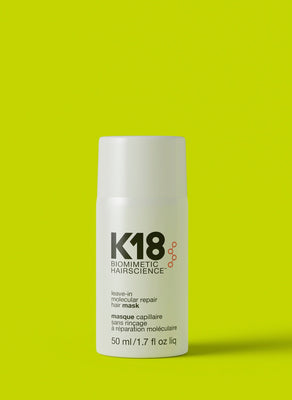
Our Leave-In Molecular Repair Mask works at the molecular level to reconnect broken keratin chains, addressing the fundamental damage that bleaching causes to hair structure.
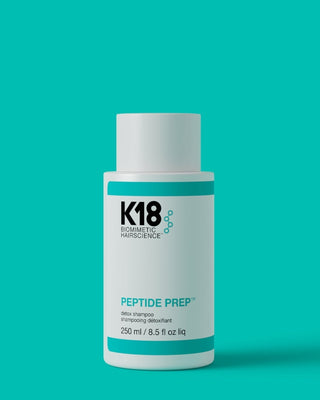
For comprehensive care during your bleaching journey, the detox and repair routine bundle provides everything needed to maintain hair health between chemical treatments.
[product-feature="k18-leave-in-molecular-repair-hair-mask-5ml"]
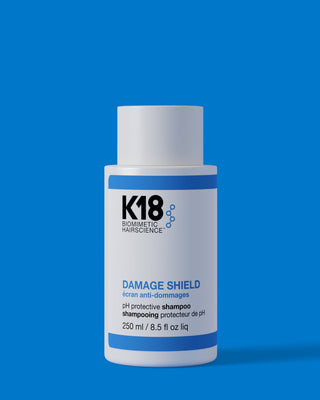
[product-feature="damage-shield-ph-protective-shampoo"]
Understanding proper bleaching timelines combined with effective repair treatments means you can achieve your colour goals while maintaining hair that looks and feels healthy. The key is patience, proper product selection, and realistic expectations about what each session can safely accomplish.
Key Takeaways for Safe Bleaching Timelines
Successfully lightening your hair without major damage comes down to respecting your hair's biological limits and recovery needs.
Wait at least three to four weeks between bleaching sessions, with six to eight weeks being safer for maintaining long-term hair health. Use this time strategically with toning treatments and intensive repair masks rather than simply waiting passively.
Monitor your hair's condition through simple tests like elasticity checks and texture assessments. Trust what your hair tells you over arbitrary timelines, and don't hesitate to extend your waiting period if your hair shows signs of significant stress.
For detailed guidance on revitalising lightened hair between sessions, check our specialised care recommendations for chemically processed strands.
Remember that achieving dramatic colour changes safely often requires multiple sessions spaced over months, not weeks. This approach protects your hair's structural integrity while delivering the lasting results you're looking for.
