
Hair breakage can feel like a never-ending battle, especially when you're watching strands snap during styling or finding excessive hair on your pillow. Learning how to strengthen hair isn't just about quick fixes - it's about understanding what makes hair vulnerable in the first place and building a defence system that works from the inside out.
At its core, hair strength comes down to the structural integrity of your hair shaft. When the protein bonds that hold your hair together become damaged or weakened through heat, chemicals, or environmental stress, breakage becomes inevitable. The good news? With the right combination of treatments, habits, and protective measures, you can rebuild that strength and create a foundation for healthier hair moving forward.
This guide breaks down the science-backed strategies that actually work, from molecular repair treatments to simple daily habits that make a measurable difference. You'll discover which approaches deliver the fastest results, how to avoid common mistakes that can set you back, and when to escalate your efforts for more intensive repair.
What Causes Hair Weakness and Breakage
Understanding why hair becomes weak is the first step in building an effective strengthening strategy. Hair breakage rarely happens overnight - it's typically the result of cumulative damage that weakens the hair shaft over time.
How Heat Damage Compromises Hair Structure
Heat styling tools work by temporarily breaking down the hydrogen bonds in your hair, allowing you to reshape it. However, research shows that repeated exposure to high temperatures permanently damages the protein structure, leaving hair brittle and prone to snapping. Even a single session with tools over 180°C can cause microscopic damage that accumulates over time.
The damage pattern is predictable - heat affects the hair cuticle first, then penetrates deeper into the cortex where your hair's strength-giving proteins live. Once these proteins become damaged, your hair loses its ability to stretch and return to its original shape, making breakage almost inevitable.
Why Moisture Loss Leads to Brittle Strands
Hair needs a delicate balance of moisture and protein to maintain its flexibility and strength. When moisture levels drop too low, hair becomes rigid and brittle, similar to how a dry rubber band snaps more easily than a flexible one.
Environmental factors like hard water, UV exposure, and low humidity can all contribute to moisture loss. Research indicates that hard water minerals form deposits on the hair shaft, though the evidence is still emerging on exactly how this affects moisture penetration. What's clear is that mineral buildup makes hair feel dry and tangled.
Chemical Processing and Structural Damage
Colour treatments, relaxers, and perms work by breaking down the natural bonds in your hair to create chemical changes. Studies demonstrate that these processes permanently alter your hair's structure, often leaving it more vulnerable to breakage.
The key is understanding that chemically processed hair has different needs than virgin hair. Evidence shows it requires more intensive moisture and protein treatments to maintain its integrity and prevent ongoing damage.
Which Daily Habits Make the Biggest Difference
Small changes in your daily routine can have a profound impact on hair strength over time. The most effective approaches focus on minimising damage while actively nourishing your hair.
How Temperature Control Prevents Ongoing Damage
Reducing your reliance on heat styling is one of the most effective ways to strengthen hair. Many people find that taking a complete break from heat tools for several months allows their hair to recover significantly. When you do use heat, keeping temperatures below 150°C and using a quality heat protectant can minimise damage.
Water temperature matters too. Washing with cooler water helps seal the hair cuticle, which locks in moisture and reduces frizz. While it might not feel as luxurious as a hot shower, the difference in hair texture and manageability is often noticeable within weeks.
Why Gentle Detangling Prevents Mechanical Breakage
How you handle wet hair can make or break your strengthening efforts. Scientific evidence confirms that wet hair is at its most vulnerable because it stretches more easily and the bonds between hair strands are temporarily weakened.
-
Use a wide-tooth comb or detangling brush designed for wet hair
-
Start detangling from the ends and work your way up to the roots
-
Apply a leave-in conditioner or detangling spray before combing
-
Never brush or comb aggressively when hair is soaking wet
How Water Quality Affects Hair Strength
If you live in an area with hard water, installing a shower filter can be a game-changer for hair health. Industry experts report that shower filters remove minerals that build up on hair, resulting in improved hydration and better product efficacy.
The mineral buildup also makes hair more tangled and difficult to manage, leading to increased breakage during styling. A quality shower filter removes these minerals, often resulting in softer, more manageable hair within a few weeks of use.
How Protein and Moisture Treatments Rebuild Hair Strength
The foundation of any successful hair strengthening routine lies in understanding and maintaining the protein-moisture balance. Research consistently shows that your hair needs both elements to stay strong and flexible, but finding the right balance for your specific hair type is crucial.
When Your Hair Needs Protein Versus Moisture
Determining whether your hair needs protein or moisture requires a simple assessment. Studies show that protein-deficient hair feels limp, stretches excessively when wet, and breaks easily. Moisture-deficient hair feels dry, rough, and brittle, with little flexibility.
|
Hair Condition |
Primary Need |
Treatment Frequency
|
|---|---|---|
|
Overstretches when wet, feels mushy |
Protein |
Weekly until improved |
|
Dry, brittle, snaps easily |
Moisture |
2-3 times per week |
|
Balanced but recovering from damage |
Both, alternating |
Protein weekly, moisture bi-weekly |
|
Chemically processed |
Protein priority, then moisture |
Protein 1-2x weekly, moisture as needed |
How Bond-Building Treatments Work at the Molecular Level
Modern bond-building treatments work by targeting the specific molecular structures that give hair its strength. Scientific research demonstrates that these treatments contain ingredients that can penetrate the hair shaft and help rebuild broken disulfide bonds - the same bonds that are damaged during chemical processing and heat styling.
Unlike traditional deep conditioners that work primarily on the surface, bond builders can actually repair damage at the molecular level. This makes them particularly effective for hair that has been compromised by bleaching, colouring, or excessive heat exposure.
For optimal results, understanding hair elasticity and how to restore it can help you choose the most effective treatment approach for your specific damage pattern.
Why Deep Conditioning with Heat Enhances Results
Adding gentle heat during deep conditioning treatments can significantly improve their effectiveness. Heat opens the hair cuticle, allowing beneficial ingredients to penetrate more deeply into the hair shaft.
You can achieve this with a hooded dryer, steamer, or even a warm towel wrapped around your hair for 15-30 minutes during treatment. The key is using gentle, consistent heat rather than high temperatures that could cause further damage.
Which Professional Treatments Deliver the Fastest Results
While at-home care forms the foundation of hair strengthening, professional treatments can accelerate your progress and address severe damage more effectively than DIY approaches alone.
How Molecular Repair Treatments Work
Advanced molecular repair treatments use peptide technology to target and rebuild the specific protein chains that give hair its strength. These treatments work at a deeper level than traditional protein treatments, actually reconstructing damaged areas of the hair shaft.
The results are often visible after just one treatment, with hair appearing smoother, stronger, and more resilient to styling stress. For severely damaged hair, a series of treatments may be recommended to achieve optimal results.
Learning how to protect hair during chemical processes can also help prevent future damage while you're rebuilding strength.
When Regular Trims Become Essential
Strategic trimming plays a crucial role in maintaining hair strength, especially when you're dealing with existing damage. Scientific evidence confirms that split ends can travel up the hair shaft if left untreated, undoing your strengthening efforts.
Rather than waiting for a scheduled appointment, pay attention to your hair's condition and trim damaged ends as needed. Even small, frequent trims every 6-8 weeks can prevent minor damage from becoming major breakage.
How Scalp Health Affects Hair Strength
A healthy scalp provides the foundation for strong hair growth. Research demonstrates that poor scalp circulation, product buildup, or inflammatory conditions can all compromise the quality of new hair as it emerges from the follicle.
Regular scalp massage, clarifying treatments, and maintaining proper scalp hygiene can improve the overall health of your hair from the root up. This is particularly important if you're trying to grow out damaged hair and want new growth to be as strong as possible.
How to Build an Effective Strengthening Routine
Creating a sustainable hair strengthening routine requires balancing intensive treatments with gentle daily care. The most effective approaches are those that can be maintained long-term without causing treatment fatigue or overwhelming your hair with too many active ingredients.
What a Weekly Strengthening Schedule Looks Like
An effective weekly routine typically alternates between different types of treatments to address multiple aspects of hair health. Here's a framework that works for most hair types:
-
Monday - Clarifying wash to remove buildup, followed by deep conditioning
-
Wednesday - Protein treatment if needed, or moisture mask for dry hair
-
Friday - Bond-building treatment or molecular repair mask
-
Sunday - Gentle cleansing with moisturising products, minimal manipulation
This schedule can be adjusted based on your hair's specific needs and how it responds to treatment. Some hair types may need more frequent moisture, while others require regular protein to maintain strength.
How to Layer Products for Maximum Effectiveness
The order in which you apply strengthening products can significantly impact their effectiveness. Generally, you want to apply products from thinnest to thickest consistency, allowing each layer to absorb before adding the next.
For strengthening routines, this typically means starting with leave-in treatments or serums, followed by oils or creams, and finishing with styling products if needed. Always allow adequate time between applications for optimal absorption.
Why Consistency Matters More Than Intensity
Hair strengthening is a gradual process that requires consistency over time. Sporadic intensive treatments are less effective than regular, moderate care. Your hair responds better to steady nourishment than irregular intensive interventions.
Track your progress by taking photos and noting changes in texture, elasticity, and breakage patterns. This helps you identify which treatments are working and adjust your routine accordingly.
[collection-carousel="treatment-new"] [collection-carousel="maintainance-routine-new"]
What the Research Says About Hair Strengthening
The science behind hair strengthening reveals some key insights that can guide your approach:
-
Heat damage becomes irreversible at temperatures above 140°C, with significant protein denaturation occurring around 180-200°C
-
Bond-building treatments using peptides or specialised molecules can successfully rebuild broken disulfide bonds in damaged hair
-
Wet hair is approximately 30% weaker than dry hair due to temporarily broken hydrogen bonds
-
Chemically processed hair shows measurable structural changes that require enhanced care protocols
-
The evidence on hard water's direct impact on hair structure is still emerging, though professionals consistently report improvements with filtration
-
Split ends can mechanically propagate up the hair shaft under stress, making regular trimming essential for maintaining gains
What to Do When Strengthening Efforts Aren't Working
Sometimes, despite your best efforts, hair continues to break or doesn't seem to be responding to treatments. This doesn't mean strengthening is impossible - it usually means you need to adjust your approach or address underlying issues.
How to Identify What's Not Working
If you've been consistent with a strengthening routine for 6-8 weeks without seeing improvement, it's time to reassess your approach. Common issues include protein-moisture imbalance, product buildup preventing absorption, or ongoing damage that outpaces your repair efforts.
Pay attention to how your hair feels and behaves. If it's becoming more brittle despite protein treatments, you may need more moisture. If it feels limp and overstretched, you might need to reduce moisture and increase protein.
When to Consider Professional Assessment
Persistent breakage despite consistent care may indicate underlying issues that require professional intervention. A qualified trichologist or experienced stylist can assess your hair's condition and recommend targeted treatments.
Professional assessment is particularly valuable if you have a history of chemical processing, medical conditions that affect hair health, or if you're experiencing unusual patterns of breakage or hair loss.
For complex damage patterns, understanding how to approach severely damaged hair can provide additional strategies for recovery.
How Environmental Factors Might Be Sabotaging Progress
Sometimes the issue isn't your routine but external factors that continue to damage your hair faster than you can repair it. These might include:
-
Chlorinated swimming pools without proper protection
-
Excessive sun exposure without UV protection
-
Dry indoor environments during winter months
-
Pollution or environmental toxins in your area
-
Medications that affect hair texture or growth
Identifying and addressing these factors alongside your strengthening routine often leads to breakthrough improvements in hair health.
How K18 Can Support Your Hair Strengthening Journey
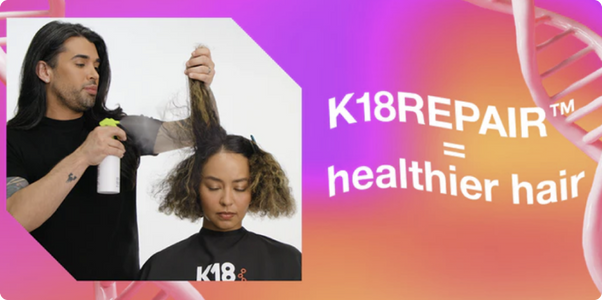
When you're ready to take your hair strengthening efforts to the next level, targeted molecular repair treatments can make a significant difference. K18's biotech approach focuses on repairing hair damage at the molecular level, not just coating the surface.
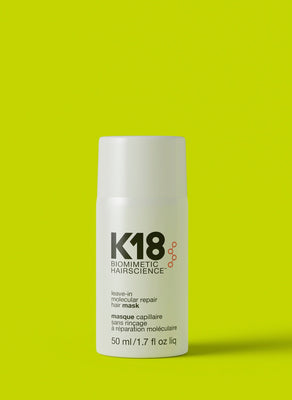
The K18 Leave-In Molecular Repair Hair Mask works by targeting the keratin chains that give hair its strength, helping to rebuild damaged areas from the inside out. Unlike traditional treatments that require rinsing, this leave-in formula continues working throughout the day.
For comprehensive strengthening, the K18 Repair Bundle provides everything you need for both immediate repair and ongoing protection. This approach addresses multiple aspects of hair health - from molecular repair to daily maintenance.
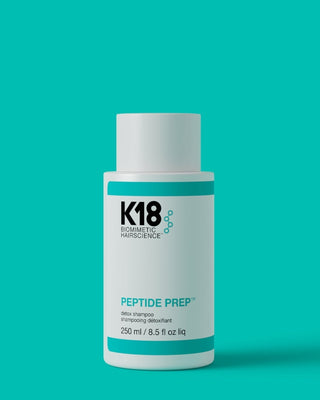
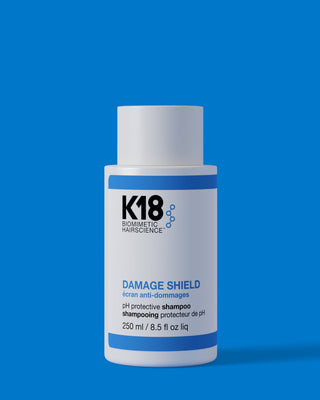
Pairing molecular repair with protective cleansing using the Damage Shield Protective Shampoo helps prevent new damage while you're rebuilding strength. This creates a comprehensive approach that works both defensively and actively.
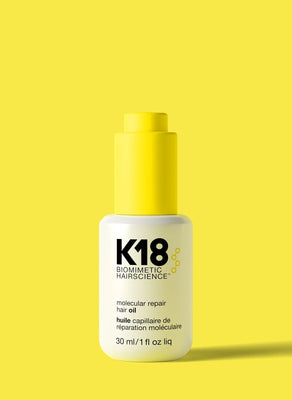
For additional nourishment and protection, the K18 Molecular Oil provides lightweight moisture and helps seal in repair treatments, making it an ideal finishing step in your strengthening routine.
[product-feature="k18-leave-in-molecular-repair-hair-mask-5ml"]
[product-feature="k18-repair-bundle"]
Understanding how to treat severely damaged hair can help you determine the most appropriate treatment intensity for your specific situation.
Building Long-Term Hair Resilience
True hair strengthening isn't just about fixing current damage - it's about building resilience that prevents future breakage and maintains healthy hair as it grows. This requires a shift from reactive treatment to proactive care.
How to Maintain Results Over Time
Once you've achieved stronger, healthier hair, maintaining those results requires ongoing attention but less intensive intervention. Focus on protective practices and regular maintenance rather than constant intensive treatments.
This might mean reducing protein treatments from weekly to monthly once your hair has reached a healthy balance, while maintaining consistent moisture and protection. The key is learning to read your hair's signals and adjusting care accordingly.
Regular assessment helps you catch potential issues early. Monthly check-ins with yourself about hair texture, elasticity, and breakage patterns allow you to adjust your routine before minor issues become major problems.
What Realistic Expectations Look Like
Hair strengthening is a gradual process that typically shows initial improvements within 4-6 weeks, with significant changes becoming apparent after 2-3 months of consistent care. Severely damaged hair may take longer to show dramatic improvement.
Remember that hair growth happens at roughly 1.5cm per month, so completely replacing damaged hair with healthy new growth takes time. Focus on preventing further damage while nurturing existing hair back to health.
Realistic expectations help maintain motivation and prevent the frustration that often leads to abandoning effective routines too early. Celebrate small improvements and trust the process.
