
Your hair feels different lately. Maybe it's snapping when you brush it, or you're finding more broken pieces on your pillow. Before you blame your styling tools or the weather, consider this - protein deficiency hair breakage is more common than you might think, especially if you've been eating less or following a restrictive diet.
Hair is made up of roughly 95% protein, primarily keratin. Research confirms that when your body doesn't get enough protein, it prioritises vital organs over hair growth, leading to weaker strands that break easily. The good news? Understanding the connection between protein intake and hair health means you can take targeted action to strengthen your strands from the inside out.
In this guide, we'll explore how protein deficiency affects your hair, what warning signs to watch for, and practical strategies to restore both your nutrition and your hair's resilience.
What Happens to Hair When Protein Intake Drops
When your body receives insufficient protein, it shifts into conservation mode. Hair follicles, considered non-essential for survival, are among the first to lose priority. This biological triage system means your hair enters the resting phase prematurely, leading to increased shedding and weaker new growth, though the research is still emerging on the exact mechanisms behind this shift.
How Protein Deficiency Affects Hair Structure
Hair strands become brittle and prone to breakage when the protein building blocks aren't available. Clinical evidence shows that the keratin chains that give hair its strength and elasticity start to deteriorate, creating weak points along the shaft. This explains why protein-deficient hair often shows these characteristics:
-
Increased breakage during brushing or styling
-
Dull, lacklustre appearance
-
Reduced hair thickness and density
-
Slower growth rates
-
Hair that feels dry and straw-like
Studies suggest that consuming at least 1.2 grams of protein per kilogram of body weight daily can help maintain healthy hair growth, though experts have different views on the optimal amount needed specifically for hair health. For a 60-kilogram person, that's roughly 72 grams of protein per day - more than many people realise they need.
Beyond Protein - Why Undereating Matters More Than You Think
Here's what many people miss - it's not always just about protein. Chronic undereating can trigger hair problems even when you think you're getting enough nutrients. When your overall calorie intake drops too low, your body can't properly utilise the protein you do consume, though we don't yet know for sure how this affects hair when individual nutrients appear adequate.
The Hidden Impact of Calorie Restriction
Undereating affects hair in multiple ways. Your metabolism slows down to conserve energy, which means fewer resources reach your hair follicles. Additionally, insufficient calories can impair nutrient absorption, making it harder for your body to use the protein you're consuming effectively.
This is particularly relevant for people following plant-based diets or those experiencing societal pressure to eat less. If you're struggling to reach 50 grams of protein daily, it might signal that your overall calorie intake is too low rather than just a protein-specific issue.
For comprehensive guidance on addressing hair that's lost its strength and elasticity, explore our detailed breakdown of elastic hair problems.
Which Nutrients Work Together for Healthy Hair
Protein doesn't work in isolation. Several nutrients must work together to support strong, healthy hair growth. Understanding these partnerships helps you create a more effective nutrition strategy.
The Iron and Protein Partnership
Iron deficiency often accompanies protein deficiency, particularly in people following plant-based diets. Evidence shows that iron carries oxygen to your hair follicles, and without adequate levels, even sufficient protein can't fully support hair health.
Pairing plant-based iron sources with vitamin C significantly improves iron absorption. Try combining spinach or lentils with citrus fruits, bell peppers, or kiwi fruit to maximise iron uptake from your meals.
Timing Matters for Supplement Absorption
If you're taking iron supplements alongside a calcium-rich diet, timing becomes crucial. Research indicates that calcium-rich foods can inhibit iron absorption when consumed close together, though not all studies agree on the clinical significance. Separate calcium and iron intake by at least two hours for optimal absorption.
|
Nutrient Combination |
Effect on Absorption |
Recommended Timing |
|---|---|---|
|
Iron + Vitamin C |
Significantly enhanced absorption |
Take together |
|
Iron + Calcium |
Reduced iron absorption |
Separate by 2+ hours |
|
Protein + Vitamin C |
Improved iron utilisation |
Take together |
How to Meet Protein Needs Without Meat
Plant-based diets can absolutely meet protein requirements with proper planning. The key lies in understanding which foods pack the most protein punch and how to combine them effectively throughout the day.
Practical Protein-Rich Plant Foods
Legumes, eggs, dairy, and protein supplementation form the foundation of successful vegetarian protein intake. Many people successfully reach 100 grams of protein daily on plant-based diets by focusing on these high-protein options:
-
Lentils and chickpeas (15-18g protein per cooked cup)
-
Greek yoghurt (15-20g protein per serving)
-
Eggs (6g protein per large egg)
-
Quinoa (8g protein per cooked cup)
-
Nuts and seeds (4-6g protein per 30g serving)
When Protein Powders Make Sense
Protein shakes and powders serve as practical tools for people struggling to reach protein targets through whole foods alone. While whole foods should form the foundation of your diet, protein supplements can help fill gaps on particularly low-intake days.
Greek yoghurt smoothies work particularly well for those who find protein powder taste off-putting. The yoghurt masks any artificial flavours while providing additional protein and probiotics for overall health.
What to Expect When Correcting Protein Deficiency
Realistic expectations matter when addressing protein deficiency hair issues. Hair improvement doesn't happen overnight, and understanding typical timelines helps you stay consistent with your nutrition changes.
Timeline for Hair Recovery
Clinical observations suggest that hair regrowth and strengthening may take three to four months after correcting nutritional deficiencies, though complete recovery often requires six to twelve months. This reflects the natural hair growth cycle - hair that's already grown out will still show signs of previous deficiency, while new growth gradually becomes stronger and healthier.
For iron-related improvements specifically, ferritin levels typically need to reach 70-80 (well above the minimum normal range) before visible hair improvements occur, though experts have different views on the exact threshold needed. This means consistent supplementation and monitoring over several months rather than expecting quick fixes.
If you're dealing with hair that's already been damaged by chemical treatments or heat styling on top of nutritional deficiencies, consider reading our guide on repairing chemically damaged hair for comprehensive recovery strategies.
When Diet Changes Aren't Enough
Sometimes, despite improving your diet and taking supplements, protein deficiency and related hair issues persist. This scenario suggests underlying medical conditions that require professional evaluation rather than continued dietary adjustments alone.
Medical Conditions That Interfere with Protein Absorption
Several conditions can prevent your body from properly absorbing or utilising protein and other nutrients, even when intake appears adequate. Medical evidence confirms that coeliac disease and chronic inflammatory conditions can impair protein absorption:
-
Hypothyroidism (watch for thinning eyebrows as an additional sign)
-
Coeliac disease or other malabsorption disorders
-
Chronic inflammatory conditions
-
Digestive disorders affecting nutrient uptake
When to Seek Medical Evaluation
Consider professional evaluation if you experience persistent nutrient deficiencies despite appropriate dietary changes and supplementation. Iron levels that remain low despite oral supplementation may require intravenous iron therapy or investigation into underlying causes.
A haematologist can help determine whether ongoing deficiencies stem from absorption problems, increased losses, or other medical factors requiring specific treatment beyond nutritional interventions.
Understanding how to prevent additional breakage during styling becomes particularly important while addressing underlying nutritional issues.
What the Research Says About Protein and Hair Health
Current evidence paints a clear picture of how protein impacts your hair, though some areas need more research:
-
Hair composition studies consistently show protein makes up 65-95% of hair structure, with keratin as the dominant protein
-
Clinical reviews confirm that protein deficiency leads to hair thinning, breakage, and reduced growth
-
Iron and protein work together - iron deficiency can undermine hair health even with adequate protein intake
-
The evidence is still emerging on exactly how much protein specific individuals need for optimal hair health
-
Recovery timelines vary widely between individuals, with improvements typically beginning within 3-6 months
-
Experts have different views on optimal ferritin levels needed for hair regrowth, with thresholds ranging from 40-80
How K18 Can Support Your Hair Recovery Journey
While addressing protein deficiency from the inside, supporting your hair externally accelerates recovery and prevents further damage. The K18 system works at the molecular level to restore keratin chains that may have been compromised by nutritional deficiencies.
Targeted Molecular Repair for Weakened Hair
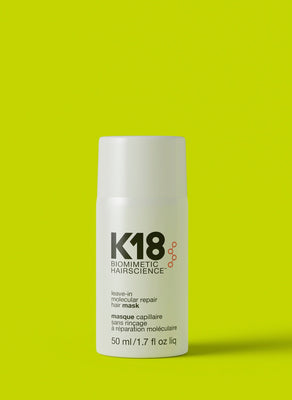
Protein-deficient hair often shows compromised keratin structure, making it more susceptible to breakage during daily styling and environmental stress. The K18 Leave-In Molecular Repair Mask penetrates the hair cortex to restore these damaged protein chains while you work on improving your nutrition.
For comprehensive support during your recovery process, the K18 Repair Bundle provides both immediate strengthening and ongoing protection as your hair regains its natural resilience.
[collection-carousel="treatment-new"]
This targeted approach means you don't have to wait months for nutritional changes to show results - you can start strengthening your hair immediately while supporting long-term health through improved protein intake.
[product-feature="k18-retail-leave-in-molecular-repair-hair-mask-50ml"] [product-feature="k18-repair-bundle"]
Your Action Plan for Stronger Hair
Addressing protein deficiency hair breakage requires a two-pronged approach - internal nutrition support and external hair strengthening. Start with these immediate steps while building sustainable long-term habits.
Immediate Action Steps
-
Calculate your daily protein needs (aim for 1.2g per kg body weight minimum)
-
Track your current protein intake for three days to identify gaps
-
Add one high-protein food to each meal
-
Separate calcium-rich foods from iron supplements by 2+ hours
-
Begin using molecular repair treatments to strengthen existing hair
Long-term Monitoring and Adjustment
Schedule blood work to establish baseline nutrient levels, particularly protein markers, iron, and ferritin. This provides objective measures to track your progress rather than relying solely on hair appearance, which can take months to reflect nutritional improvements.
Consider working with a registered dietitian if you're struggling to meet protein requirements, particularly on plant-based diets. Professional guidance can help you create sustainable meal patterns that support both your dietary preferences and hair health goals.
Remember that hair recovery from protein deficiency is a gradual process. Combining improved nutrition with targeted hair treatments provides the most comprehensive approach to restoring strength, reducing breakage, and supporting healthy growth moving forward.
