
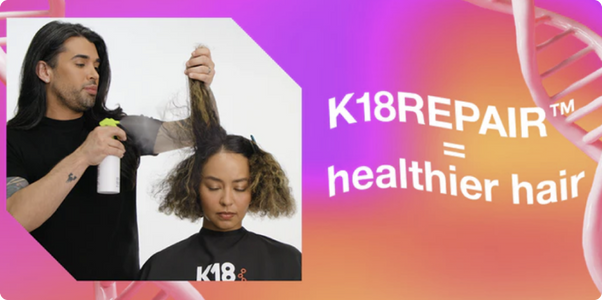

Your hair feels like straw after that last bleach session, or you've noticed more breakage since switching to daily heat styling. While you're searching for nutrients that can magically repair damaged hair, the reality is more nuanced than supplement marketing suggests.
Hair repair isn't about swallowing the right vitamins and watching your strands transform overnight. Damaged hair has broken bonds at the molecular level, cracked cuticles, and structural changes that can't be undone with nutrition alone. However, understanding which nutrients support healthy hair growth and which topical treatments actually work can help you create a realistic strategy for stronger, more manageable hair.
This guide cuts through the marketing noise to explain what actually repairs damaged hair, which nutrients matter for new growth, and how to set realistic expectations for your hair recovery journey.
What Actually Causes Hair Damage and Can It Be Reversed
Before diving into nutrients, let's address the elephant in the room. True hair damage involves broken disulfide bonds within the hair cortex, cracked cuticles from heat styling, and protein loss from chemical processing. Research confirms that these structural changes are permanent.
How Damage Occurs at the Molecular Level
Your hair shaft is made of keratin proteins held together by disulfide bonds. When you bleach, heat style, or chemically process your hair, these bonds break. The cuticle layer lifts and cracks, creating rough texture and increased porosity. This isn't something a vitamin can fix from the inside.
Think of it like a broken rope. You can coat it with protective substances to prevent further fraying, but the original fibres remain damaged. Similarly, damaged hair can be temporarily improved with bond-building treatments and protective products, but the fundamental structure stays compromised until you trim it away.
What Temporary Improvements Look Like
While you can't reverse damage, certain treatments can significantly improve how your hair feels and behaves. Bond-building treatments work by filling in gaps and creating temporary connections where natural bonds have broken, though evidence suggests the mechanism is more complex, with some treatments targeting permanent disulfide bonds while others address temporary hydrogen bonds. This can reduce breakage, improve manageability, and create the appearance of healthier hair.
These improvements require consistent use and realistic expectations. The effects fade over time as products wash out and environmental stressors continue to affect your hair.
Which Nutrients Support Healthy Hair Growth
While nutrients can't repair existing damage, they're crucial for growing strong, healthy hair from your scalp. Deficiencies in key vitamins and minerals can lead to weak, brittle new growth that's prone to breakage.
Essential Proteins and Amino Acids
Hair consists largely of protein, making adequate protein intake fundamental for strong growth. Studies indicate hair protein content varies from approximately 65-95% depending on measurement method, though nutrition alone doesn't guarantee stronger hair in well-nourished individuals. Your body needs a complete amino acid profile to synthesise keratin effectively.
-
Cysteine forms disulfide bonds that give hair its strength - research confirms these bonds are the primary source of hair shaft strength
-
Methionine provides sulphur for bond formation
-
Lysine supports iron absorption, which affects hair growth
-
Arginine improves circulation to hair follicles
Most people consuming a varied diet get sufficient protein, but those following restrictive diets or experiencing digestive issues may need to pay closer attention to their intake.
Critical Vitamins for Hair Structure
Several vitamins play direct roles in hair growth and strength. Deficiencies in these areas can lead to weak, slow-growing hair that breaks easily.
|
Vitamin |
Role in Hair Health |
Deficiency Signs |
Best Sources |
|---|---|---|---|
|
Biotin (B7) |
Keratin production |
Brittle, thinning hair |
Eggs, nuts, seeds |
|
Vitamin D |
Follicle cycling |
Hair loss, slow growth |
Sunlight, fatty fish |
|
Vitamin C |
Collagen synthesis, iron absorption |
Weak, breaking hair |
Citrus, berries, vegetables |
|
Vitamin E |
Antioxidant protection |
Scalp irritation, dullness |
Nuts, seeds, leafy greens |
Minerals That Affect Hair Strength
Mineral deficiencies are often overlooked but can significantly impact hair quality. Iron deficiency shows a complex relationship with hair loss - some studies find associations between low iron stores and hair loss in women, though the evidence remains mixed and doesn't establish a strong causal link across all hair loss types.
-
Iron carries oxygen to follicles and supports growth cycles
-
Zinc regulates hormone levels and protein synthesis
-
Selenium protects against oxidative damage
-
Copper helps form disulfide bonds and melanin production
Blood tests can identify deficiencies in these areas, making targeted supplementation more effective than general multivitamins.
What the Evidence Shows About Hair Nutrients
While nutrition marketing makes bold promises, the research tells a more nuanced story about which nutrients actually impact hair health:
-
Biotin supplementation only benefits hair in cases of genuine deficiency - studies confirm that severe biotin deficiency causes hair thinning and brittleness, but routine supplementation doesn't improve normal hair
-
Vitamin C's role in collagen synthesis and iron absorption supports hair structure, particularly when deficiency is present
-
Most people with varied diets get adequate nutrients for hair growth - deficiencies are the exception, not the rule
-
The evidence for iron-hair loss connections varies by population and hair loss type, with stronger associations seen in some women with nonscarring alopecia
-
Nutritional changes take months to show results since hair grows only 1-1.25cm monthly
-
Severely damaged hair may benefit more from strategic trimming than nutritional intervention
How Topical Treatments Compare to Nutritional Approaches
While internal nutrition supports new growth, topical treatments address existing hair directly. Understanding the difference helps you choose the right approach for your specific concerns.
Why Bond-Building Treatments Work Better Than Vitamins for Damage
Bond-building treatments penetrate the hair cortex and create temporary protein links where natural bonds have broken. Industry research shows these treatments can provide measurable improvements in hair strength and elasticity. This approach directly addresses the molecular damage that vitamins simply can't reach from your bloodstream.
These treatments work within minutes rather than the months required for nutritional changes to affect new growth. For immediately improving the feel and manageability of damaged hair, topical treatments deliver faster, more noticeable results.
[collection-carousel="treatment-new"]
Protein Treatments and Their Limitations
Protein treatments temporarily fill gaps in damaged cuticles and can strengthen weak hair. However, overuse leads to protein overload - research confirms this makes hair rigid and prone to breakage as the hair becomes too stiff and loses flexibility. The key is balancing protein treatments with moisture.
Signs you need protein treatment include hair that stretches excessively when wet, feels mushy, or lacks elasticity. Signs of protein overload include stiffness, brittleness, and increased breakage.
Moisturising Treatments for Damaged Hair
Damaged hair loses its ability to retain moisture, leading to dryness, frizz, and further breakage. Deep conditioning treatments and leave-in products help temporarily restore moisture balance.
Look for ingredients like hydrolysed proteins, ceramides, and natural oils that can penetrate the hair shaft rather than sitting on the surface. These create a protective barrier while providing temporary strength.
What to Expect from Different Repair Approaches
Setting realistic timelines and expectations prevents disappointment and helps you choose the most effective approach for your situation.
Nutritional Changes Take Time to Show Results
Hair grows approximately 1.25cm per month, so nutritional improvements only affect new growth. If you start taking supplements today, you won't see changes in your existing hair length for several months - this timeline is consistently supported across growth rate studies.
Most people notice improvements in new growth after 3-6 months of consistent nutrition support. The hair closest to your scalp may appear stronger, shinier, and less prone to breakage, while older lengths remain damaged.
Topical Treatments Provide Immediate Improvement
Bond-building treatments and protein masks can improve hair feel and manageability within a single use - consumer studies consistently report immediate improvements in smoothness, manageability, and strength perception. However, these effects are temporary and require regular maintenance to sustain.
Consistent use of quality topical treatments can significantly reduce daily breakage, improve detangling, and make damaged hair more manageable while you grow out the damaged lengths.
When Cutting Is the Most Effective Solution
Severely damaged hair often benefits most from strategic trimming. This removes the most compromised sections while allowing you to maintain length through improved care of the remaining hair.
Working with a skilled stylist who understands damage can help you develop a cutting plan that removes the worst damage while maintaining your desired style. Professional guidance confirms that regular small trims prevent split ends from travelling up the hair shaft, causing more breakage.
How to Create an Effective Hair Repair Strategy
The most successful approach combines realistic expectations with targeted treatments and improved daily care practices.
Assessing Your Current Hair Condition
Start by honestly evaluating your hair's condition. Severely damaged hair may require more aggressive cutting, while mildly damaged hair might respond well to intensive treatment protocols.
Look for signs like excessive stretching when wet, inability to hold moisture, constant tangling, and breakage during gentle handling. These indicators help determine whether to focus on damage management or replacement through healthy new growth.
Building a Maintenance Routine That Actually Works
Effective hair repair requires consistent daily practices that prevent further damage while supporting existing treatments.
-
Use a high-slip leave-in conditioner to reduce friction during styling
-
Apply oil to mid-lengths and ends before styling or sleeping
-
Choose gentle detangling tools and techniques
-
Protect hair during sleep with silk pillowcases or loose braids
-
Limit heat styling frequency and always use heat protectant
These practices work synergistically with professional treatments and nutritional support to minimise ongoing damage while repairs take effect.
Combining Internal and External Approaches
The most comprehensive strategy addresses both new growth through nutrition and existing damage through topical treatments. This approach provides both immediate improvements and long-term benefits.
Focus nutritional efforts on identified deficiencies rather than general supplementation. Use topical treatments consistently but avoid overloading hair with too many products or treatments simultaneously.
Understanding how to repair bleached hair can provide specific guidance for chemically damaged strands, while fixing elastic hair addresses protein loss issues common in over-processed hair.
Which Products Actually Deliver on Repair Claims
Not all hair repair products work as advertised. Understanding which technologies have proven effectiveness helps you invest in treatments that deliver real results.
Bond-Building Technology That Works
Genuine bond-building treatments contain small molecules that can penetrate the hair cortex and create temporary protein links. These treatments provide measurable improvements in hair strength and elasticity.
Look for products that work at the molecular level rather than simply coating the hair surface. The most effective treatments require minimal processing time and provide cumulative benefits with regular use.
[tip-text="Leave bond-building treatments on for the full recommended time - cutting corners reduces effectiveness and wastes product."]
Affordable Options That Compete with Premium Brands
High-quality hair repair doesn't require premium pricing. Many drugstore brands offer effective conditioning treatments, detangling products, and protective formulas that provide significant benefits.
The key is understanding ingredient lists and choosing products with proven technologies rather than relying on marketing claims or price points. Sometimes simpler formulations work better than complex, expensive alternatives.
Professional vs At-Home Treatment Options
Professional treatments often use higher concentrations of active ingredients and may include techniques not possible at home. However, many effective treatments can be self-administered with proper guidance.
Consider professional treatments for severe damage or when you want faster results, but maintain improvements with quality at-home products between salon visits.
[collection-carousel="maintainance-routine-new"]
What to Do Next for Your Hair Repair Journey
Creating a realistic repair plan starts with understanding your hair's current condition and setting achievable goals. Focus on preventing further damage while supporting both existing hair and new growth.
Immediate Steps You Can Take
Start with gentle handling practices and introduce one new treatment at a time. This approach helps you identify what works for your specific hair type and damage pattern without overwhelming your strands.
-
Assess your current nutrition and address any obvious deficiencies
-
Introduce a high-quality leave-in treatment for daily protection
-
Schedule a consultation with a stylist experienced in damage repair
-
Track your hair's response to new products and treatments
Remember that significant improvements take time, and the most damaged sections may need to be gradually removed through strategic trimming.
How Professional-Grade Treatments Can Accelerate Results
While nutrition and basic care form the foundation of hair health, targeted treatments can provide faster improvements in hair strength and appearance. Look for treatments that work at the molecular level to address damage where it occurs.
The most effective approach combines immediate repair technologies with long-term nutritional support. This strategy provides both quick improvements in hair manageability and sustained benefits for new growth.
Professional molecular repair treatments can provide immediate improvements in hair strength and elasticity. For comprehensive care, consider complete repair systems that address multiple aspects of hair damage simultaneously.
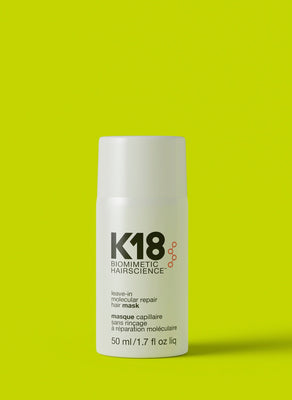
[product-feature="k18-leave-in-molecular-repair-hair-mask-5ml"]
[product-feature="k18-prep-repair-at-home-duo"]
The journey to healthier hair requires patience, consistency, and realistic expectations. While you can't undo existing damage, you can dramatically improve how your hair looks and feels while growing stronger, healthier strands from your scalp.
Key Takeaways for Sustainable Hair Health
Effective hair repair combines understanding damage limitations with strategic use of proven treatments and nutritional support. Focus on preventing further damage while addressing existing issues through appropriate topical treatments.
Remember that severely damaged hair may require trimming for optimal results, but consistent care can significantly improve manageability and reduce breakage during the growth process. The most successful approach balances immediate improvements through quality treatments with long-term health through proper nutrition and gentle handling practices.
Treating damaged and bleached hair requires specific techniques that address chemical processing damage, while maintaining realistic expectations about what can be achieved without cutting.
Your hair repair journey is unique to your damage pattern, lifestyle, and goals. Start with the basics, introduce changes gradually, and focus on sustainable practices that support both immediate improvements and long-term hair health.
