
Your hair's ability to stretch without breaking and bounce back from damage directly reflects what you eat. Hair elasticity and resilience aren't just about genetics—they're fundamentally shaped by nutrition for hair health. When your hair feels brittle, snaps easily, or looks dull despite your best styling efforts, the root cause often lies in nutritional gaps that compromise the hair shaft's structural integrity.
Hair elasticity refers to your hair's capacity to stretch when wet and return to its original length without damage. Resilience encompasses your hair's overall ability to withstand heat styling, environmental stressors, and chemical treatments while maintaining strength and flexibility. Both qualities depend on adequate protein synthesis, proper keratin formation, and sufficient micronutrient availability—all of which stem from your daily food choices.
Understanding this connection empowers you to strengthen your hair from within through targeted dietary changes that support long-term hair health, rather than relying solely on external treatments.
What Role Does Protein Play in Hair Strength and Flexibility
Protein forms the structural foundation of hair, comprising roughly 95% of each strand through keratin chains. When protein intake falls short, research demonstrates that hair becomes noticeably weaker, more prone to breakage, and loses its natural elasticity.
How Protein Deficiency Manifests in Hair
Community observations consistently show that increased protein consumption leads to faster hair growth and reduced shedding. Those who boost their protein intake through animal sources, beans, yogurt, and targeted collagen supplementation report visibly fuller hair with improved texture and reduced breakage.
-
Hair growth accelerates within weeks of increasing protein intake
-
Shedding decreases as hair follicles receive adequate amino acid building blocks
-
Hair diameter increases, creating a fuller appearance
-
Elasticity improves as keratin chains strengthen
Which Protein Sources Support Hair Resilience Best
Complete proteins containing all essential amino acids show promise for hair health, though the evidence is still emerging on whether they're definitively superior to other protein sources. Eggs provide cysteine and methionine, crucial for keratin synthesis. Collagen supplements, particularly when consumed consistently in 8-10 gram servings, may support hair growth and strengthen existing strands, though more research is needed to confirm their specific advantages.
Plant-based proteins from legumes, quinoa, and hemp seeds can also support hair health when consumed in adequate quantities and variety. However, individuals switching to exclusively plant-based diets sometimes experience temporary hair changes as their bodies adjust to different amino acid profiles.
[tip-text="Add collagen to your morning coffee or smoothie for an easy protein boost that supports hair strength from within."]
Which Micronutrients Directly Impact Hair Elasticity
Several key vitamins and minerals work synergistically to maintain hair's structural integrity and elastic properties. Deficiencies in these nutrients create cascade effects that weaken hair and reduce its ability to withstand stress.
How Iron and Vitamin C Support Hair Structure
Iron deficiency ranks among the most common nutritional causes of hair problems, particularly in women. Studies show that iron deficiency affects up to 72% of women experiencing hair loss, making it a leading reversible cause. Without adequate iron, hair follicles cannot produce healthy, elastic strands.
Vitamin C enhances iron absorption by converting ferric iron to its more easily absorbed ferrous form. Research demonstrates that addressing iron deficiency can lead to significant improvements in hair quality within months, with reduced shedding often noticeable within weeks of starting iron therapy.
|
Nutrient |
Primary Function |
Best Food Sources |
Signs of Deficiency
|
|---|---|---|---|
|
Iron |
Oxygen transport to follicles |
Spinach, lean meat, lentils |
Excessive shedding, thinning |
|
Vitamin C |
Iron absorption, collagen synthesis |
Sweet peppers, citrus, berries |
Slow healing, weak hair |
|
Biotin |
Keratin production |
Eggs, almonds, sweet potato |
Brittle, breaking hair |
|
Zinc |
Follicle function, protein synthesis |
Pumpkin seeds, shellfish |
Hair loss, slow growth |
Why B-Vitamins Matter for Hair Elasticity
B-complex vitamins, particularly biotin and folate, support cellular metabolism within hair follicles. Research indicates that 38% of women experiencing hair loss show biotin deficiency, highlighting this nutrient's critical role in maintaining hair strength through its involvement in keratin production.
Folate works alongside vitamin B12 to support DNA synthesis in rapidly dividing hair follicle cells. Leafy vegetables provide folate, while animal products supply B12, making balanced nutrition essential for optimal hair health.
[collection-carousel="treatment-new"]
How Do Healthy Fats Influence Hair Flexibility and Shine
Essential fatty acids form cell membranes throughout the hair follicle and contribute to the hair shaft's lipid layer, which provides flexibility and natural moisture retention. Studies show that fatty acids improve hair elasticity by filling gaps between cuticle cells and enhancing moisturisation, though without adequate healthy fats, hair becomes dry, brittle, and prone to breakage.
Which Omega-3 Sources Benefit Hair Most
Fatty fish consumption shows particularly strong associations with improved hair health. Community reports consistently highlight enhanced hair shine and strength when diets include salmon, sardines, and other omega-3 rich fish twice weekly.
-
Chia seeds and flaxseeds provide plant-based omega-3s
-
Avocados supply monounsaturated fats for moisture retention
-
Walnuts offer both omega-3s and vitamin E
-
Hemp seeds provide a complete amino acid profile plus essential fatty acids
The visible improvements in hair texture and manageability typically appear within 4-6 weeks of consistently incorporating these healthy fats into daily meals.
How Fat-Soluble Vitamins Support Hair Resilience
Vitamins A, D, E, and K require dietary fats for absorption and play distinct roles in hair health. A controlled trial found that tocotrienol supplements (a form of vitamin E) increased hair count by 34.5% over 8 months through their antioxidant properties that reduce oxidative stress in the scalp.
Vitamin A regulates sebum production and follicle development, while vitamin D influences hair follicle cycling. Ensuring adequate healthy fat intake enables optimal absorption of these crucial nutrients.
What Happens When Caloric Intake Falls Too Low
Severe calorie restriction triggers a survival response that creates nutritional deficiencies affecting hair follicles. Research shows this can cause dramatic changes in hair texture, growth rate, and elasticity, though the exact mechanisms are still being studied.
How Undereating Affects Hair Structure
Community observations reveal that extreme calorie restriction leads to significant hair problems within weeks. Individuals report hair coming out in handfuls, noticeable thinning, and changes in hair texture when consuming insufficient calories for basic metabolic needs.
-
Hair enters premature resting phase
-
Existing hair becomes fragile and breaks easily
-
New growth slows or stops entirely
-
Hair diameter decreases, creating thin, weak strands
Recovery requires gradually increasing caloric intake while ensuring balanced macronutrient distribution. Hair improvements typically lag behind dietary changes by several months as follicles need time to return to normal cycling.
Why Crash Diets Damage Hair Elasticity Long-Term
Rapid weight loss through severe restriction depletes stored nutrients that hair follicles rely on for healthy growth. Even after resuming normal eating, it can take 6-12 months for hair to fully recover its previous strength and elasticity.
Sustainable approaches that maintain adequate calories while optimising nutrient density prove far more effective for supporting both weight management and hair health simultaneously.
[tip-text="Focus on nutrient-dense whole foods rather than extreme calorie restriction to maintain healthy hair during weight management."]
Can Specific Foods Target Hair Regrowth and Strength
Certain foods contain concentrated compounds that may specifically benefit hair follicle function and strand strength beyond their basic nutritional content.
How Pumpkin Seeds Support Hair Regrowth
Pumpkin seeds contain delta-7 sterine, a compound that may block DHT (dihydrotestosterone), a hormone linked to hair loss patterns. Community reports suggest that consuming 10 pumpkin seeds daily may support visible hair regrowth, particularly along the hairline.
While this evidence remains anecdotal, pumpkin seeds also provide zinc, healthy fats, and plant proteins that support overall hair health through established nutritional pathways.
What Makes Bamboo Tea Beneficial for Hair Strength
Bamboo tea provides silica, a trace mineral that strengthens hair and may reduce breakage. Some individuals report stronger, more resilient hair and accelerated regrowth after incorporating bamboo tea into their daily routine.
Silica works by supporting collagen synthesis and improving the hair shaft's structural integrity. While research on bamboo tea specifically remains limited, silica's role in hair health has scientific support.
Which Other Targeted Foods Show Promise
-
Sweet potatoes provide beta-carotene for sebum production
-
Brazil nuts supply selenium for antioxidant protection
-
Oysters deliver highly bioavailable zinc
-
Greek yogurt combines protein with probiotics for nutrient absorption
How Does Stress Impact Nutrition and Hair Health
The connection between emotional wellbeing, nutrition, and hair health operates through multiple pathways. Chronic stress affects nutrient absorption, appetite regulation, and hormone balance, all of which influence hair resilience.
Why Stress Disrupts Hair Nutrition
Stress hormones like cortisol interfere with protein synthesis and nutrient utilisation. Even with adequate dietary intake, chronic stress can create functional nutrient deficiencies that manifest in hair problems.
Community observations reveal that individuals experiencing major life improvements—such as leaving stressful situations—often see dramatic hair improvements alongside or even before making dietary changes. This suggests that stress reduction can amplify the benefits of good nutrition for hair health.
How to Support Hair During Stressful Periods
-
Prioritise consistent meal timing to support stable blood sugar
-
Focus on easily absorbed nutrients during high-stress periods
-
Consider additional B-complex vitamins during acute stress
-
Maintain adequate protein intake even when appetite changes
What About Dietary Restrictions and Hair Health
Various dietary approaches can affect hair health differently depending on implementation quality and individual nutritional needs.
How Gluten-Free Eating May Impact Hair
Some individuals experience improved hair thickness and reduced shedding after eliminating gluten, potentially due to undiagnosed sensitivities that impair nutrient absorption. However, this benefit appears specific to those with actual gluten-related disorders rather than universal.
If other nutritional approaches haven't resolved unexplained hair thinning, trialing a gluten-free diet for several months may provide insights, particularly if accompanied by digestive symptoms.
What Happens with Plant-Based Diets
Plant-based diets show mixed results for hair health. Some individuals report faster hair and nail growth, possibly due to increased antioxidant intake and improved overall nutrition quality.
However, trichologists report increased cases of hair loss from poorly planned plant-based diets that create deficiencies in protein, B12, iron, and zinc. Success depends heavily on nutritional planning and possibly supplementation.
[product-feature="k18-retail-leave-in-molecular-repair-hair-mask-50ml"]
What the Research Says About Nutrition and Hair Health
The scientific evidence provides clear guidance on how nutrition affects hair elasticity and resilience:
-
Protein is fundamental - Hair is approximately 95% protein, and adequate intake directly impacts hair strength and flexibility
-
Iron deficiency is a major culprit - Studies show up to 72% of women with hair loss have iron deficiency, making it a priority to address
-
B-vitamins matter significantly - Research indicates 38% of women experiencing hair loss show biotin deficiency
-
Evidence is mixed on some claims - While vitamin E supplementation showed promising results in one study, more research is needed to confirm optimal dosing and forms
-
Individual responses vary - Plant-based diets can support or harm hair health depending on nutritional planning and supplementation
How to Optimise Your Diet for Hair Elasticity
Creating a hair-healthy eating pattern involves balancing macronutrients while ensuring adequate micronutrient intake through whole food sources.
What Does a Hair-Healthy Daily Menu Look Like
A nutrient-dense approach includes protein at each meal, healthy fats throughout the day, and a variety of colourful fruits and vegetables for micronutrients and antioxidants.
-
Breakfast - Eggs with spinach, avocado toast with hemp seeds
-
Lunch - Salmon salad with pumpkin seeds and sweet peppers
-
Dinner - Lean meat or legumes with roasted sweet potato and leafy greens
-
Snacks - Greek yogurt with berries, handful of walnuts
When Should You Consider Professional Guidance
Persistent hair problems despite dietary improvements warrant professional evaluation. Hair loss can signal underlying health conditions, medication effects, or malabsorption issues that require medical attention.
A healthcare provider can order targeted testing for nutrient deficiencies and rule out conditions like thyroid disorders or autoimmune issues that affect hair health.
[product-feature="damage-shield-protective-shampoo-conditioner-routine-1"]
What to Expect from Nutritional Changes
Hair improvements from dietary modifications follow predictable timelines, though individual results vary based on starting nutritional status and hair damage severity.
How Quickly Do Dietary Changes Affect Hair
New hair growth reflects current nutritional status, so improvements typically become visible as new hair emerges over 2-3 months. However, some changes in hair texture and shedding patterns may occur within weeks of dietary improvements.
Existing hair cannot be nutritionally "repaired," but protecting it from further damage while supporting healthy new growth creates gradual but significant improvements in overall hair quality.
What Realistic Improvements Look Like
-
Reduced daily shedding within 4-6 weeks
-
Improved hair texture and manageability within 2-3 months
-
Increased hair thickness and growth rate over 6-12 months
-
Enhanced elasticity and reduced breakage as new hair matures
While nutrition powerfully influences hair health, it works best as part of a comprehensive approach that includes proper hair care techniques and protection from damage.
How K18 Supports Nutritionally Compromised Hair
When dietary improvements are addressing underlying nutritional gaps, targeted hair treatments can accelerate visible results by repairing existing damage while new, healthier hair grows.
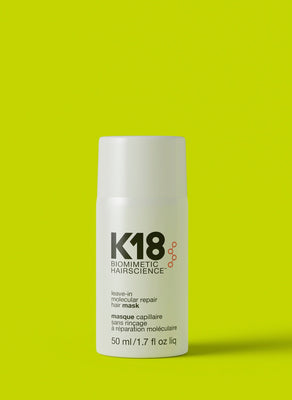
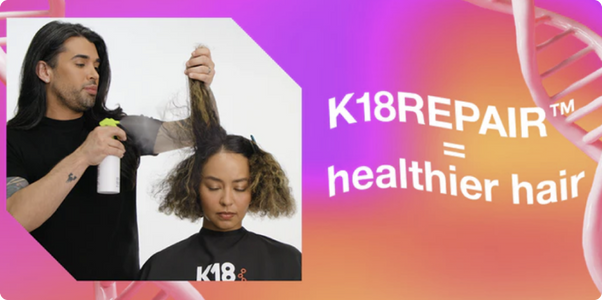
The K18 Leave-In Molecular Repair Mask works at the molecular level to restore damaged keratin chains, particularly beneficial for hair compromised by previous nutritional deficiencies. This biotech approach complements internal nutrition by immediately improving hair's structural integrity and elasticity.
For hair experiencing texture issues from damage, combining proper nutrition with molecular repair creates optimal conditions for both immediate improvement and long-term hair health.
[collection-carousel="maintainance-routine-new"]
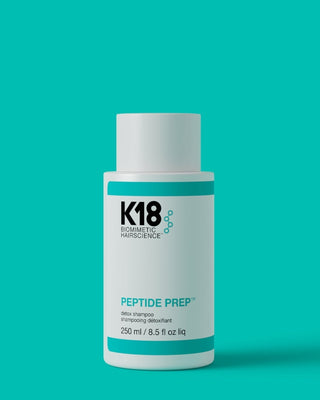
[product-feature="k18-detox-shampoo-repair-mask-routine-bundle"]
Supporting Long-Term Hair Health Through Nutrition
Sustainable hair health requires consistent nutritional support rather than short-term dietary changes. Building eating patterns that naturally include hair-healthy nutrients creates lasting improvements in elasticity and resilience.
Focus on nutrient density over restriction, ensuring adequate calories and protein while emphasising whole foods rich in vitamins, minerals, and healthy fats. This approach supports not just hair health but overall wellbeing, creating a foundation for strong, resilient hair throughout life.
Remember that hair reflects your body's nutritional history over months, not days. Patience with dietary changes, combined with protective hair care practices, delivers the most significant and lasting improvements in hair elasticity and overall health.
