
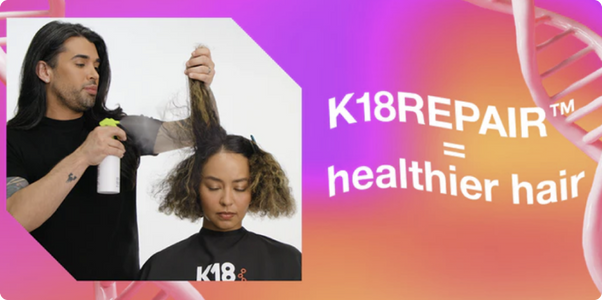
Bleaching transforms hair colour but brings serious chemical stress. Whether you're going platinum blonde or creating highlights, knowing how to prepare hair for bleaching to minimise damage makes the difference between stunning results and a hair disaster. The key lies in strategic preparation that strengthens your strands and protects your scalp before chemicals ever touch your hair.
Proper pre-bleach preparation isn't just about washing or not washing your hair. It's a systematic approach that considers your hair's current condition, scalp sensitivity, and the specific challenges bleach creates at the molecular level. When done right, preparation reduces breakage, minimises scalp irritation, and sets the foundation for healthier-looking results.
The science is clear - bleach strips away your hair's natural protective barriers and breaks down keratin bonds. But with the right preparation timeline and techniques, you can significantly reduce this damage while achieving the lift you want.
What Happens To Hair During Bleaching
Understanding bleach's impact on hair structure helps explain why preparation matters so much. Bleaching agents penetrate the hair cuticle and break down melanin pigments through oxidation. This process simultaneously damages keratin proteins that give hair its strength and elasticity.
Why Hair Becomes Vulnerable During Chemical Processing
Hair naturally contains disulphide bonds that maintain structural integrity. Bleach disrupts these bonds while lifting the cuticle layers to reach inner pigment. The result is temporarily weakened hair that's more prone to breakage, dryness, and porosity changes.
The damage isn't just cosmetic. Compromised hair struggles to retain moisture, becomes tangled more easily, and loses its natural shine. This is why understanding how bleaching affects hair structure is crucial before beginning any lightening process.
Different hair types respond differently to bleaching. Fine hair may process faster but breaks more easily. Coarse hair takes longer to lift but generally handles chemical stress better. Previously damaged hair faces the highest risk during bleaching.
How Long Should You Avoid Washing Before Bleaching
The most consistently effective preparation step involves timing your last wash strategically. Going 2-4 days without washing allows your scalp's natural oils to build up, creating a protective barrier against chemical irritation.
Why Scalp Oil Protection Works
Natural sebum acts as a buffer between harsh bleaching chemicals and sensitive scalp skin. This protection significantly reduces burning sensations, irritation, and potential scabbing during processing. Hair professionals consistently observe less scalp reactivity when clients follow this no-wash rule.
However, balance matters. Excessively dirty hair with heavy product buildup can interfere with bleach penetration, leading to uneven results or longer processing times. The sweet spot is 2-4 days of natural oil accumulation without excessive styling products.
-
Skip washing for 2-4 days before your bleaching appointment
-
Avoid harsh scalp scrubbing in the week leading up to bleaching
-
Use minimal styling products during the pre-bleach period
-
Never wash hair immediately before bleaching, even if it feels oily
What Pre-Bleach Hair Treatments Actually Work
Strategic conditioning in the weeks before bleaching can significantly improve your hair's resilience. The goal isn't just surface moisture but actual structural strengthening that helps hair withstand chemical stress.
When Deep Conditioning Makes The Biggest Difference
Bond builders and protein treatments strengthen hair when applied consistently over several weeks rather than as one-off intensive sessions. Look for treatments that contain bond-building ingredients or keratin-replenishing compounds rather than just moisturising agents.
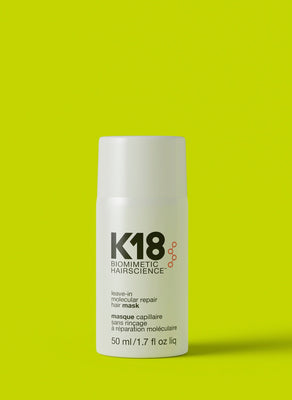
The molecular repair approach focuses on rebuilding damaged keratin chains before adding more chemical stress. This preparation method often produces visibly stronger results compared to surface conditioning alone.
|
Treatment Type |
Best Timing |
Primary Benefit |
Hair Suitability
|
|---|---|---|---|
|
Bond builders |
2-3 weeks prior |
Structural reinforcement |
All hair types |
|
Protein treatments |
1 week prior |
Keratin replenishment |
Damaged or fine hair |
|
Deep conditioning masks |
Weekly leading up |
Moisture preparation |
Dry or porous hair |
|
Clarifying treatments |
1 week prior (gentle only) |
Buildup removal |
Product-heavy hair |
How To Remove Product Buildup Without Over-Cleansing
Product buildup and mineral deposits can create unpredictable chemical reactions during bleaching. However, aggressive clarifying right before bleaching can strip away protective oils and irritate the scalp.
The Gentle Clarification Approach
The safest approach involves gentle clarification about one week before bleaching, followed by the no-wash period. This timing removes interfering buildup while allowing natural oils to rebuild scalp protection.
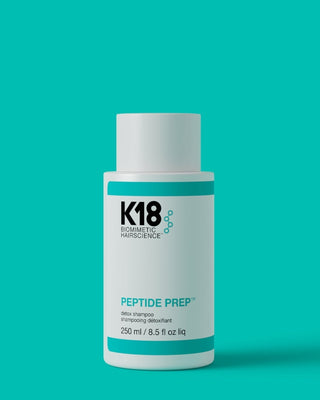
A specialised detox shampoo can effectively remove metals and chemical buildup that might react with bleach without over-stripping the hair. This preparation step is particularly crucial for hair exposed to hard water or heavy styling products.
Pay attention to your hair's response during clarification. If your scalp feels tight or irritated, extend the recovery period before bleaching. Some hair types need longer to rebuild their natural protective barrier.
Which Heat Styling Changes Reduce Pre-Bleach Damage
Heat styling creates microscopic damage that compounds with chemical processing. Eliminating heat tools for at least one week before bleaching allows hair cuticles to smooth and reduces the total stress load on your strands.
Why Heat Avoidance Matters More Than You Think
Heat styling raises hair cuticles and can create micro-fractures in the hair shaft. When bleach encounters already compromised cuticles, it can penetrate too aggressively, leading to excessive damage or breakage during processing.
Air-drying and gentle styling techniques during the pre-bleach week help hair maintain its structural integrity. This preparation is especially crucial for hair that regularly undergoes high-heat styling or has existing damage.
-
Stop using hot tools at least 7 days before bleaching
-
Use heat protectants if emergency styling is necessary
-
Choose air-drying over blow-drying when possible
-
Avoid tight hairstyles that create tension on the hair shaft
How To Assess If Your Hair Is Ready For Bleaching
Not all hair can safely handle bleaching, regardless of preparation. Learning to evaluate your hair's condition prevents costly mistakes and protects long-term hair health.
The Elasticity Test For Bleach Readiness
Hair elasticity is a key indicator of internal structural integrity better than surface appearance. Healthy hair should stretch 40-50% of its length when wet before breaking. Hair that snaps immediately lacks the strength for chemical processing.
Understanding hair elasticity and its importance helps you make informed decisions about bleaching timing. Hair with poor elasticity needs repair before it can handle additional chemical stress.
Other warning signs include excessive dryness, brittleness when dry, or hair that feels gummy when wet. These symptoms indicate damaged protein structures that bleach will worsen significantly.
What Professional Versus At-Home Preparation Differences Matter
Professional bleaching services and at-home applications require different preparation approaches. Salon bleaching often involves stronger chemicals and more precise application, while home bleaching carries higher risks for uneven results.
When Professional Application Changes Your Prep Strategy
Professional colourists can work with slightly different preparation timelines and may recommend specific products based on your hair analysis. They're also equipped to handle complications that arise during processing.
At-home bleaching requires more conservative preparation. The general recommendation strongly advises against on-scalp bleaching at home due to higher risks of severe irritation and chemical burns. Off-scalp techniques like foiling are safer for home use but still require careful preparation.
Regardless of application method, proper preparation remains crucial. The difference lies in risk tolerance and recovery options if complications occur.
How To Create Your Pre-Bleach Timeline
Effective bleach preparation follows a strategic timeline that addresses different preparation needs at optimal intervals. This systematic approach maximises hair strength while minimising scalp sensitivity.
The Complete Two-Week Preparation Schedule
Start with gentle clarification and assessment two weeks out, then focus on strengthening treatments in week one, followed by protective preparation in the final days.
-
14 days before - Assess hair condition and begin strengthening treatments
-
10-7 days before - Gentle clarification if needed, continue conditioning
-
7 days before - Stop all heat styling, final deep conditioning treatment
-
4-2 days before - Stop washing hair, minimal product use
-
Day of bleaching - Gentle brushing only, avoid scalp manipulation
This timeline can be compressed for urgent situations, but each step serves a specific purpose in damage prevention. Rushing preparation often leads to poor results or increased damage.
What To Do Next For Successful Bleaching Results
Proper preparation sets the foundation, but successful bleaching also depends on choosing appropriate products and techniques for your specific hair needs. Consider professional consultation if you're attempting significant colour changes or working with previously damaged hair.
The most effective approach combines strategic preparation with high-quality products designed for chemical processing. Preparation and repair systems can work together to minimise damage and optimise results.
[collection-carousel="treatment-new"] [product-feature="k18-retail-leave-in-molecular-repair-hair-mask-50ml"] [collection-carousel="maintainance-routine-new"] [product-feature="k18-official-retail-peptide-prep-detox-shampoo"]
Remember that bleaching is just the beginning of your hair's journey. Post-bleach care becomes crucial for maintaining the health and appearance of your newly lightened hair. Planning for ongoing maintenance helps ensure your results look better for longer.
Key Takeaways For Damage Prevention
Successfully preparing hair for bleaching requires patience, planning, and realistic expectations. The most important factors - avoiding washing for 2-4 days, strengthening treatments, and eliminating heat styling - work together to create optimal conditions for chemical processing.
Every hair type responds differently to preparation and bleaching. Pay attention to your hair's specific needs and don't hesitate to extend preparation time if your hair shows signs of damage or weakness. Preventing accidental damage is always easier than repairing it afterward.
The investment in proper preparation pays off through better colour results, less damage, and healthier-looking hair that can handle future chemical services. Take the time to prepare properly - your hair will thank you for it.
