
If you're watching your hair snap at the ends or noticing split ends that seem to multiply despite your best efforts, you're likely wondering whether supplements could be the answer to stronger, healthier hair solutions. The truth is more nuanced than many supplement ads would have you believe.
Hair breakage and split ends are primarily mechanical issues caused by damage to the hair shaft itself. Research demonstrates that splitting occurs through crack initiation and propagation in the hair fibre, essentially making it a structural engineering problem rather than a nutritional one. While nutrition plays a supporting role in overall hair health, the strands already growing from your scalp can't be "fed" back to health through your bloodstream. Understanding this distinction is crucial for setting realistic expectations and choosing the most effective approach to protect your hair.
This guide explores what science tells us about supplements for hair strength, when they might help, and what proven alternatives can give you the resilient, healthy hair you're after.
What Causes Hair Breakage and Split Ends in the First Place
Before diving into whether supplements can help, it's essential to understand why hair breaks and splits. The hair shaft is made up of overlapping cuticle scales that protect the inner cortex. When these scales become damaged or lifted, the hair becomes vulnerable to breakage.
How Daily Habits Contribute to Hair Damage
The most common culprits behind breakage include heat styling, chemical processing, and surprisingly, inadequate conditioning. Hair that's washed daily without proper conditioning becomes dry and brittle, making it prone to snapping under normal manipulation.
-
Heat tools that exceed 180°C can damage the protein structures in your hair, with studies showing that hair protein undergoes denaturation and structural changes at high temperatures, though the evidence is still emerging on exact damage thresholds
-
Chemical processes like bleaching and colouring weaken the hair shaft from within by breaking protein structures and reducing tensile strength
-
Mechanical damage from tight hairstyles, rough towel drying, or poor-quality hair ties
-
Environmental stressors such as UV exposure and pollution
Why Split Ends Are Different From Breakage
Split ends occur when the protective cuticle at the hair's tip wears away completely, causing the cortex to literally split apart. This typically happens at the oldest parts of your hair, which have been exposed to damage for months or years.
Once a hair splits, the damage travels up the shaft like a run in stockings. This is why regular trims are essential for maintaining hair health, regardless of what supplements or treatments you use.
Do Hair Supplements Actually Strengthen Existing Hair
The short answer is no - supplements cannot repair or strengthen hair that's already grown from your scalp. Hair is essentially dead tissue made of keratin protein. Dermatological evidence confirms that hair shafts consist of keratinised, dead cells that lack blood vessels or living cells, preventing nutrient absorption from the bloodstream for repair.
What Supplements Can and Cannot Do
Supplements work by potentially improving the quality of new hair growth at the follicle level. If you have nutritional deficiencies that affect hair production, addressing these through diet or supplements may result in stronger hair growing from your scalp over time. However, guidance from hair restoration specialists indicates that supplements are beneficial primarily in deficiency states, not in well-nourished individuals.
|
What Supplements May Help With |
What Supplements Cannot Fix |
|---|---|
|
New hair growth quality |
Existing split ends |
|
Hair thinning due to deficiency |
Chemical or heat damage |
|
Hair growth rate (if deficient) |
Mechanical breakage |
|
Overall hair health from roots |
Visible damage on hair shaft |
Which Nutrients Matter Most for Hair Strength
If you do have nutritional gaps, certain nutrients are particularly important for hair structure. Iron deficiency can lead to brittle, weak hair, while inadequate protein intake affects the keratin production that gives hair its strength.
-
Iron - Essential for carrying oxygen to hair follicles
-
Biotin - Supports keratin production, though deficiency is rare
-
Protein - Hair is primarily made of protein
-
Omega-3 fatty acids - May support scalp health and shine
-
Vitamin D - Involved in hair follicle cycling
However, most people in Australia get adequate nutrition for basic hair health through a balanced diet. Taking supplements beyond addressing specific deficiencies rarely produces dramatic improvements in hair strength.
Why Your Hair Might Appear to Stop Growing
Many people assume their hair has stopped growing when they can't achieve longer lengths, but this is usually a case of breakage masking growth. Hair grows approximately 1.25 cm per month from the scalp, but if it's breaking at the same rate, length appears stagnant.
Understanding Your Hair's Terminal Length
Every person has a genetically determined terminal length - the maximum length their hair can reach based on how long each follicle stays in the growth phase. This typically ranges from one to six years, meaning some people can grow waist-length hair while others max out at shoulder length.
Recognising your natural terminal length helps set realistic expectations. If you've never been able to grow your hair past a certain point despite healthy practices, you may have reached your genetic limit rather than dealing with a supplement-solvable problem.
How Damage Affects Length Retention
When hair breaks faster than it grows, you experience the frustrating cycle of seemingly stagnant length. This is where addressing the root causes of breakage becomes far more effective than hoping supplements will strengthen damaged strands.
The key is shifting focus from trying to repair existing damage to preventing future breakage while waiting for healthier hair to grow from the roots.
What Actually Works to Reduce Breakage and Split Ends
Since supplements can't fix existing damage, what proven strategies can help you achieve stronger, longer hair? The most effective approaches focus on protecting the hair you have while supporting optimal conditions for new growth.
Essential Daily Care Changes
The foundation of breakage prevention lies in gentle daily habits. Using a quality conditioner every time you wash helps smooth the cuticle and provides a protective barrier against environmental damage. Scientific evidence shows that conditioners deposit cationic surfactants that flatten cuticle scales and reduce friction, preventing damage.
-
Never skip conditioner, even if your hair feels fine without it
-
Reduce washing frequency to 2-3 times per week if possible
-
Use a wide-tooth comb on wet hair, starting from the ends
-
Sleep on silk or satin pillowcases to reduce friction
-
Apply a leave-in treatment for extra protection
For those dealing with significant damage, incorporating a professional treatment approach can provide the intensive care needed to improve hair texture and manageability.
The Role of Regular Trims in Breakage Prevention
Trimming every 8-10 weeks removes split ends before they can travel up the hair shaft and cause more extensive damage. Professional guidance confirms that regular trims prevent split ends from progressing up the hair shaft. While this might seem counterproductive when you're trying to grow longer hair, regular trims actually support length retention by preventing breakage.
Think of it as preventive maintenance. Removing a small amount of damaged hair regularly prevents having to cut off larger amounts later due to extensive splitting and breakage.
Heat Protection and Styling Modifications
Heat styling remains one of the biggest contributors to hair breakage. If you can't eliminate heat tools entirely, proper protection and technique modifications can significantly reduce damage. Professional guidance suggests keeping temperatures below 180°C for fine hair and below 200°C for thick hair.
-
Always use a heat protectant product before styling
-
Keep temperatures below 180°C for fine hair, below 200°C for thick hair
-
Use ionic or ceramic tools that distribute heat more evenly
-
Limit heat styling to 2-3 times per week maximum
-
Let hair air dry to 70-80% before using heated tools
When Professional Treatment Makes More Difference Than Supplements
For hair with existing damage, professional treatments that work on the molecular level can provide far more dramatic improvements than any supplement. These treatments focus on temporarily filling gaps in the hair shaft and smoothing the cuticle.
How Molecular Repair Treatments Work
Advanced treatments use small molecules that can penetrate the hair shaft and bind to damaged areas, effectively "filling in" gaps left by lost proteins. Chemistry research indicates that these treatments can temporarily fill gaps in the hair shaft and improve strength and elasticity, though effects vary by treatment and hair type.
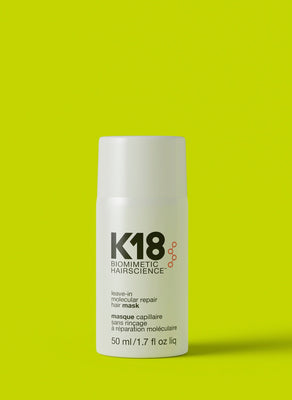
The K18 Leave-In Molecular Repair Hair Mask represents this approach, using bioactive peptides that work at the molecular level to restore hair's strength and elasticity in just four minutes.
Understanding Realistic Timelines for Improvement
Unlike supplements, which may take months to show any effect on new hair growth, topical treatments can improve the feel and manageability of your hair immediately. Clinical evidence shows that supplements typically require 3-6 months to demonstrate effects on hair growth due to the slow hair growth cycle. However, for truly healthy hair from root to tip, you'll need to wait for new growth - typically 12-18 months for shoulder-length hair.
|
Treatment Type |
Immediate Effect |
Long-term Improvement |
|---|---|---|
|
Supplements |
None |
3-6 months for new growth |
|
Molecular treatments |
Instantly improved feel |
Ongoing with regular use |
|
Deep conditioning |
Smoother, softer texture |
Cumulative protection |
|
Protective styling |
Reduced daily damage |
Better length retention |
How to Create an Effective Hair Strengthening Routine
The most successful approach to reducing breakage combines multiple strategies rather than relying on supplements alone. Creating a comprehensive routine addresses both immediate damage and long-term hair health.
Weekly Treatment Schedule
Consistency matters more than intensity when it comes to hair care. A structured weekly routine ensures your hair gets the protection and nourishment it needs without over-processing. Evidence-based approaches support incorporating gentle cleansing, regular conditioning, and targeted treatments.
-
Cleanse 2-3 times per week with a gentle, sulphate-free shampoo
-
Condition every wash with products suited to your hair's porosity
-
Weekly deep conditioning for extra moisture and protein balance
-
Leave-in protection daily whether you're styling or not
-
Targeted treatments for specific concerns like split ends
For those dealing with chemically processed hair, learning about repairing bleached hair damage can provide specific guidance for restoration.
Recognising When Your Hair Needs Extra Support
Certain signs indicate your hair needs more intensive care than a basic routine can provide. Recognising these early prevents more extensive damage.
-
Hair feels gummy or elastic when wet
-
Tangles form immediately after brushing
-
Split ends appear within weeks of trimming
-
Hair breaks during normal styling
-
Loss of natural shine and bounce
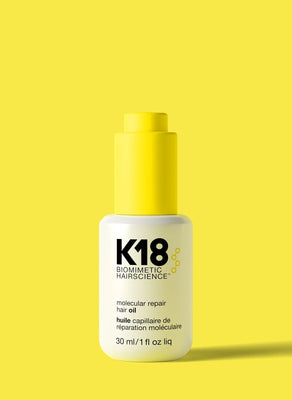
If you notice these symptoms, addressing them with targeted treatments like the K18 Molecular Repair Oil can help restore elasticity and reduce further breakage.
What the Research Says About Hair Supplements and Breakage
What the Evidence Shows
-
Supplements may improve new hair growth quality if you have documented nutritional deficiencies, with effects typically visible after 3-6 months
-
Hair conditioners and topical treatments provide immediate protection by smoothing the cuticle and reducing friction
-
Professional molecular repair treatments can temporarily restore strength and elasticity to damaged hair shafts
-
Regular trimming every 8-10 weeks effectively prevents split ends from progressing up the hair shaft
-
The evidence is still emerging on exact temperature thresholds for heat damage, though most experts recommend staying below 180°C for fine hair
-
We don't yet have strong evidence that supplements can repair existing breakage or split ends - these require topical intervention
What to Do Next for Stronger Hair
Rather than hoping supplements will fix existing damage, focus your energy on proven strategies that protect and strengthen your hair. Start with the basics - proper conditioning, heat protection, and gentle handling - before investing in expensive treatments or supplements.
If you suspect nutritional deficiencies might be affecting your hair growth, consult with a healthcare provider who can assess your individual needs through proper testing rather than guesswork.
For immediate improvement in hair texture and manageability, consider professional-grade treatments that work on the hair shaft itself. These provide tangible results you can see and feel right away.
[collection-carousel="treatment-new"] [collection-carousel="maintainance-routine-new"] [product-feature="k18-retail-leave-in-molecular-repair-hair-mask-50ml"] [product-feature="k18-molecular-repair-oil-new"]
Building Realistic Expectations
Remember that healthy hair growth is a marathon, not a sprint. Focus on consistent care that prevents future damage rather than trying to reverse years of wear in weeks. Your hair will thank you with improved strength, shine, and length retention over time.
Understanding the science behind hair elasticity can help you make informed decisions about products and treatments that truly address your hair's specific needs.
The Bottom Line on Supplements and Hair Strength
While supplements might support the health of new hair growth if you have specific nutritional deficiencies, they cannot repair existing breakage or split ends. Systematic reviews confirm that no high-quality evidence shows supplements can reverse pre-existing structural damage to hair. The hair on your head today needs topical care and protection, not internal nutrition.
Focus your efforts on proven external treatments, gentle handling techniques, and protective styling practices. These strategies provide immediate benefits and set the foundation for healthier hair growth moving forward.
Most importantly, be patient with the process. True hair transformation takes time, but with consistent care and realistic expectations, you can achieve the strong, resilient hair you're working towards.
