
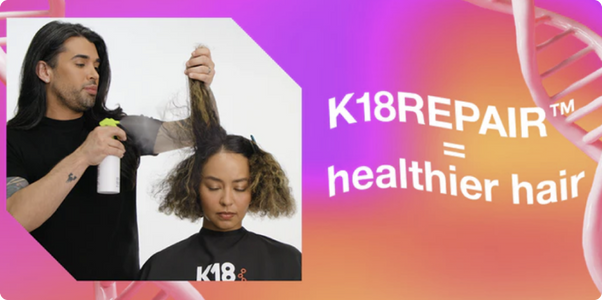
If your bleached hair feels like straw, snaps when wet, or has that dreaded cotton candy texture, you're not alone. Finding the best treatment for damaged bleached hair can feel overwhelming when your strands are crying out for help and every product promises miracles.
Bleached hair damage happens at the molecular level when chemicals break down your hair's natural keratin structure and strip away protective proteins. The good news? Science has cracked the code on repairing this damage, not just masking it. The key lies in understanding what type of damage you're dealing with and choosing treatments that rebuild your hair's internal structure rather than just smoothing the surface.
You'll discover which treatments actually reverse bleach damage, how to tell if your hair needs protein or moisture, and the exact steps to get your strands from brittle to bouncy. We'll cut through the marketing fluff to show you what really works, backed by real results from hair professionals and users who've been where you are now.
Why Does Bleached Hair Get So Damaged
Bleaching fundamentally changes your hair's structure by breaking down melanin pigments and creating tiny holes in the hair shaft. This process damages three critical components that keep your hair strong and healthy.
What Happens During The Bleaching Process
When bleach penetrates your hair cuticle, it destroys disulfide bonds - the structural bridges that hold keratin proteins together. These bonds are like the scaffolding of a building. Once they're broken, your hair loses its strength, elasticity, and ability to retain moisture.
The cuticle layer also becomes lifted and damaged, creating a rough, porous surface that can't hold onto moisture or nutrients. This is why bleached hair often feels rough and tangles easily.
The Three Types of Damage You're Fighting
-
Protein loss - Your hair's keratin structure breaks down, leading to weakness and that mushy, cotton-like texture
-
Moisture depletion - Damaged cuticles can't retain water, causing dryness and brittleness
-
Bond breakage - Broken disulfide bonds compromise your hair's structural integrity
Understanding which type of damage dominates your hair situation helps you choose the right treatment approach. Hair that feels soft and limp needs protein. Hair that snaps and feels brittle needs moisture and bond repair.
Which Bond Repair Treatments Actually Work
Bond repair technology represents the biggest breakthrough in treating bleach damage because it addresses the root cause rather than just the symptoms. These treatments work by rebuilding the broken disulfide bonds that hold your hair together.
How Bond Repair Technology Functions
Modern bond repair treatments use specific molecules small enough to penetrate deep into the hair shaft and reconnect broken protein chains. This isn't surface-level conditioning - it's molecular reconstruction that can reverse damage rather than just hiding it.
The most effective bond repair treatments target different types of bonds within your hair structure, which is why some professionals recommend alternating between different products for comprehensive repair.
Top-Performing Bond Repair Options
Based on professional recommendations and user experiences, several treatments consistently deliver results for severely bleached hair.
|
Treatment Type |
Best For |
Application |
Results Timeline
|
|---|---|---|---|
|
Molecular repair masks |
Severe chemical damage |
Leave-in for 4 minutes |
Immediate improvement |
|
Bond-building treatments |
Structural weakness |
Weekly intensive |
2-3 weeks for visible change |
|
Protein reconstruction |
Cotton candy texture |
Bi-weekly application |
4-6 weeks for strength return |
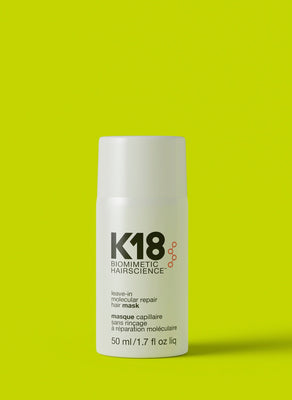
The K18 Leave-In Molecular Repair Mask has gained recognition for its ability to work at the molecular level, using bioengineered peptides that mirror your hair's natural keratin structure.
When Do You Need Protein Treatments
Protein treatments become essential when bleaching has stripped away too much of your hair's natural keratin structure. However, knowing when and how to use them makes the difference between restoration and further damage.
How To Tell If Your Hair Needs Protein
Protein-deficient hair has distinct characteristics that set it apart from simply dry or damaged strands. If your hair feels unusually soft, stretches too much when wet, or has lost its natural bounce and volume, protein depletion is likely the culprit.
The texture test is revealing - healthy hair should have some resistance when you pull a strand. If it stretches like a rubber band or feels mushy between your fingers, you're dealing with serious protein loss.
Choosing The Right Protein Treatment Intensity
-
Light protein treatments - For weekly maintenance and mild damage, often found in conditioners
-
Medium protein treatments - For noticeable weakness and monthly intensive care
-
Heavy protein treatments - For severe damage and cotton candy texture, used sparingly
Two-step protein treatments work particularly well for severely compromised hair because they first fill in the gaps in your hair structure, then seal the treatment in place. Users report significant improvements in hair strength and manageability when protein treatments are combined with bond repair products.
However, too much protein can make hair brittle and prone to breakage. The key is finding the right balance and following protein treatments with moisture-rich products to maintain flexibility.
How To Create An Effective Repair Routine
Successfully treating bleached hair damage requires a systematic approach that addresses multiple types of damage in the right sequence. Random product use rarely delivers the dramatic results you're after.
The Foundation Phase - Preparing Your Hair
Effective treatment starts with proper preparation. Clarifying your hair removes product buildup and mineral deposits that can block treatment penetration. This step is crucial but must be balanced to avoid additional dryness.
Monthly chelating treatments help remove mineral buildup from hard water, while weekly clarifying removes styling products and oils. Some users find that their repair treatments work dramatically better after proper clarification, though overuse can strip already fragile hair.
The Treatment Phase - Targeted Repair
Your treatment routine should address the primary type of damage first, then support it with complementary treatments. For most bleached hair, this means starting with bond repair, then adding protein or moisture as needed.
-
Start with bond repair - Use molecular repair treatments 1-2 times per week initially
-
Add protein if needed - Introduce protein treatments based on your hair's texture and elasticity
-
Balance with moisture - Deep conditioning treatments prevent brittleness and maintain flexibility
-
Protect ongoing - Heat protectants and leave-in treatments shield against future damage
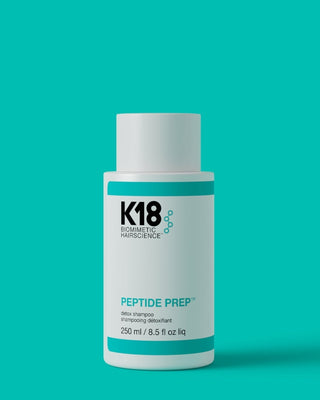
The K18 Detox and Repair Bundle provides a complete system approach, combining preparation and treatment steps for comprehensive hair recovery.
What To Expect During Recovery
Realistic timelines help set proper expectations and prevent treatment abandonment when results don't appear overnight. Most users see initial improvements within 2-3 treatments, but significant transformation takes 6-8 weeks of consistent care.
Hair recovery happens from the inside out, so internal strength improvements occur before visible cosmetic changes. Don't be discouraged if your hair still looks damaged after a few weeks - the molecular repair is happening even if you can't see it yet.
Which Products Work Best Together
Strategic product layering amplifies results because different treatments target different aspects of bleach damage. Understanding compatibility and sequencing prevents product interference and maximises repair potential.
Building Your Treatment Stack
Effective product combinations follow the principle of working from the most penetrating treatments to surface-level protection. This sequence ensures each product can do its job without interference.
|
Treatment Order |
Product Type |
Purpose |
Frequency
|
|---|---|---|---|
|
1st |
Clarifying shampoo |
Remove barriers to penetration |
Weekly or as needed |
|
2nd |
Bond repair treatment |
Rebuild internal structure |
1-2 times per week |
|
3rd |
Protein treatment |
Restore strength and elasticity |
Bi-weekly or monthly |
|
4th |
Deep conditioning mask |
Add moisture and flexibility |
Weekly |
|
5th |
Leave-in treatment |
Ongoing protection and nourishment |
Daily or as needed |
Avoiding Common Product Conflicts
Some treatments can interfere with each other when used simultaneously. Bond repair treatments work best on clean hair, while heavy oils can create barriers that prevent molecular penetration.
Users report better results when they alternate intensive treatments rather than layering them all at once. For example, using bond repair treatments on one wash day and protein treatments on another allows each product to work more effectively.
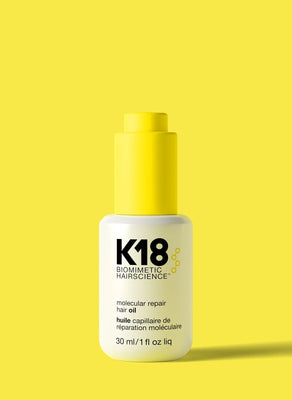
The K18 Molecular Oil works well as a finishing treatment because it's specifically formulated to work alongside molecular repair treatments without interfering.
How To Prevent Further Damage During Recovery
Stopping ongoing damage is just as important as repairing existing damage. Your hair needs time and protection to rebuild its structure, which means temporarily changing how you style and care for it.
The Recovery Pause Strategy
Taking a break from chemical processing gives your hair the best chance to recover. This means avoiding additional bleaching, colouring, or chemical straightening until your hair regains strength and elasticity.
Many users find that committing to a 3-6 month chemical hiatus allows treatments to work more effectively. During this time, you can maintain your colour with gentle, ammonia-free glosses or temporary colour deposits that don't require additional bleaching.
Heat Styling Modifications
Heat styling on already compromised hair can undo treatment progress, but you don't have to abandon styling altogether. Strategic modifications protect your investment in repair treatments.
-
Lower temperatures - Use the lowest effective heat setting, typically 25-50 degrees lower than usual
-
Quality heat protection - Apply products that create a thermal barrier before any heat styling
-
Reduced frequency - Aim for heat styling no more than 2-3 times per week
-
Air drying when possible - Let your hair dry naturally or use gentle techniques like plopping
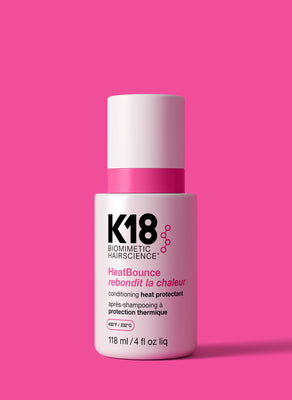
The Heat Bounce Conditioning Heat Protectant provides thermal protection while delivering conditioning benefits, making it ideal for fragile bleached hair.
Environmental Protection Factors
Sun exposure, chlorine, and hard water can all interfere with your hair's recovery process. Damaged hair is more susceptible to environmental damage, so extra protection becomes essential.
UV protection for hair is often overlooked but crucial for maintaining treatment results. Chlorine can strip treatments from your hair and cause additional chemical damage, so pre-swimming protection or swimming caps become important recovery tools.
What Results Can You Realistically Expect
Understanding realistic timelines and outcomes prevents disappointment and helps you stay committed to your treatment routine long enough to see real results.
The Recovery Timeline Breakdown
Hair repair happens in stages, with different improvements becoming noticeable at different points in your treatment journey.
-
Week 1-2 - Hair feels less rough, tangles reduce slightly
-
Week 3-4 - Noticeable improvement in manageability and shine
-
Week 5-8 - Significant strength gains, reduced breakage
-
Week 9-12 - Hair approaches pre-bleach condition in many areas
These timelines assume consistent treatment and protection from additional damage. Users who continue chemical processing or excessive heat styling typically see much slower progress or may plateau at partial recovery.
Managing Expectations For Severe Damage
Some damage cannot be fully reversed, particularly if bleaching has caused significant cuticle loss or shaft weakness. In these cases, treatments focus on preventing further deterioration and maximising the health of new growth.
Hair that has been bleached multiple times or processed to very light levels may require trimming damaged ends while treating the remaining length. This approach combines damage repair with gradual renewal as healthier hair grows in.
Professional assessment can help determine whether your hair damage level is suitable for at-home treatment or requires salon intervention. Understanding damage restoration approaches helps you make informed decisions about your recovery strategy.
When To Seek Professional Help
Some bleach damage situations require professional intervention to prevent further deterioration or achieve optimal results. Recognising these scenarios early can save you time, money, and additional hair damage.
Red Flags That Indicate Professional Treatment Needs
Certain types of damage respond better to professional treatments or require expert assessment to prevent worsening. Hair that breaks off at the root, shows signs of chemical burns on the scalp, or has completely lost its elasticity may need immediate professional attention.
Gummy or completely elastic hair that stretches without returning to its original length indicates severe structural damage that may require professional protein reconstruction treatments stronger than consumer products.
What Professional Treatments Can Offer
Professional treatments often use higher concentrations of active ingredients and can combine multiple treatment types in ways that aren't possible at home. Salon-strength bond builders, steam treatments, and professional-grade protein reconstructors can address damage levels that overwhelm consumer products.
Professional colourists can also assess whether your current colour goal is achievable with your hair's damage level and suggest alternative approaches that minimise additional trauma.
For insights into professional-grade solutions, explore advanced treatment applications that bridge professional and at-home care.
Your Next Steps For Hair Recovery
Starting your bleached hair recovery journey requires a strategic approach that addresses your specific damage type and lifestyle needs. The most successful results come from consistent application of the right treatments in the correct sequence.
Creating Your Personalised Treatment Plan
Begin by honestly assessing your hair's current condition and primary damage type. Take photos and notes about texture, elasticity, and breakage patterns to track progress over the coming weeks.
Start with one primary treatment - typically a bond repair product for most bleached hair - and add complementary treatments gradually. This approach helps you identify what works best for your specific situation without overwhelming your hair.
[collection-carousel="treatment-new"]
Building Sustainable Recovery Habits
Long-term success depends on developing habits that support ongoing hair health rather than just addressing current damage. This includes protective styling techniques, regular treatments, and lifestyle modifications that prevent future damage accumulation.
Set realistic expectations and commit to at least 8-10 weeks of consistent treatment before making major changes to your routine. Document your progress with photos and notes about how your hair feels and behaves.
[product-feature="k18-retail-leave-in-molecular-repair-hair-mask-50ml"]
Remember that prevention becomes increasingly important as your hair recovers. Learning to revitalise lightened hair safely helps maintain your treatment investment and prevents cycling back to severe damage.
[collection-carousel="maintainance-routine-new"]
Monitoring Progress And Adjusting Treatment
Pay attention to how your hair responds to different treatments and adjust accordingly. Hair that initially needed protein may shift toward needing more moisture as its structure improves, requiring treatment modifications.
Track improvements in manageability, shine, elasticity, and overall appearance. These changes often occur gradually, so regular documentation helps you recognise progress and stay motivated during the recovery process.
[product-feature="k18-detox-shampoo-repair-mask-routine-bundle"]
Key Takeaways For Bleached Hair Recovery
Successful bleached hair recovery combines understanding damage types, choosing appropriate treatments, and maintaining realistic expectations throughout the process. The science behind modern hair repair has advanced significantly, offering genuine solutions beyond surface-level cosmetics.
Bond repair treatments consistently show the most dramatic results for bleach damage because they address the underlying structural problems. However, comprehensive recovery typically requires combining bond repair with protein treatments and moisture balance for optimal results.
Most importantly, stopping additional chemical damage gives your treatments the best chance to work effectively. Recovery is an investment in both time and products, but the results justify the commitment when approached systematically and maintained consistently.
Understanding hair elasticity and its importance helps you monitor recovery progress and adjust treatments as your hair's needs change throughout the restoration process.
