
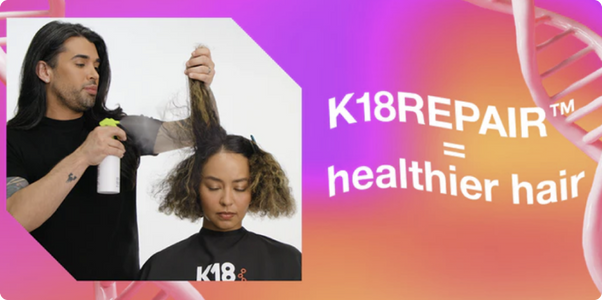

Hair breakage leaves you with snapped strands, split ends, and frustrating short pieces that refuse to grow. If you're weighing up vegan collagen vs marine collagen for hair strength, you're not alone. Millions of people turn to collagen supplements hoping to rebuild damaged hair from the inside out.
The truth about collagen and hair breakage is more nuanced than marketing claims suggest. While both vegan and marine collagen provide amino acids that support your body's natural processes, they don't magically target your hair follicles or directly repair existing damage. Understanding how these supplements actually work helps you make smarter decisions about your hair health routine.
This guide breaks down the science behind collagen supplements, reveals what actually stops hair breakage, and shows you evidence-based alternatives that deliver real results in minutes, not months.
What is collagen and how does it affect hair
Collagen is a structural protein that makes up roughly 30% of your body's total protein content. Research confirms this figure, with studies showing collagen comprises 25-35% of protein content in mammals. It provides strength and elasticity to your skin, joints, bones, and hair. As you age, your natural collagen production decreases progressively, with studies indicating a decline beginning after age 25, which contributes to visible signs of ageing including weaker hair.
How your body processes collagen supplements
When you consume any collagen supplement, your digestive system breaks it down into individual amino acids. These amino acids then enter your bloodstream and get distributed throughout your body based on immediate needs, not your personal preferences for hair growth.
Your body doesn't recognise "this collagen came from a supplement" versus "this collagen came from chicken breast." It simply processes the amino acids and allocates them where they're most needed at that moment. This biological reality explains why collagen supplements don't guarantee stronger hair, even though they provide the building blocks your body uses to make collagen.
The amino acid profile difference
Collagen contains a unique amino acid profile compared to other protein sources. Scientific analysis shows it's particularly rich in glycine, proline, and hydroxyproline, which are less abundant in standard dietary proteins like meat or dairy. These three amino acids comprise about 50% of collagen's composition and form its distinctive triple-helix structure. This distinct profile may offer specific benefits, but it doesn't automatically translate to targeted hair improvements.
Vegan collagen vs marine collagen - what are the key differences
The collagen supplement market offers two main categories, each with distinct characteristics and manufacturing processes.
Marine collagen sources and processing
Marine collagen comes from fish skin, scales, and bones, typically from cod, salmon, or other seafood industry byproducts. Research confirms it primarily contains Type I collagen, which is the same type found in human hair, skin, and nails. Marine collagen peptides are generally smaller than other collagen types, which some manufacturers claim improves absorption.
Processing involves extracting collagen from fish waste through enzymatic hydrolysis, breaking the proteins into smaller, more digestible peptides. The final product is usually a tasteless, odourless powder that dissolves easily in liquids.
Vegan collagen alternatives and composition
True vegan collagen doesn't exist naturally, since collagen is an animal protein. What's marketed as "vegan collagen" typically falls into two categories:
-
Collagen boosters - Supplements containing vitamin C, silica, and other nutrients that support your body's natural collagen production, though the evidence is still emerging on specific ingredient combinations
-
Lab-grown collagen - Actual collagen produced by genetically modified bacteria or yeast programmed to create human collagen proteins
-
Plant-based amino acids - Supplements providing the same amino acids found in collagen, sourced from plants
The effectiveness varies significantly depending on which type you choose and your body's current nutrient status.
|
Factor |
Marine Collagen |
Vegan Collagen Boosters |
Lab-Grown Collagen |
|---|---|---|---|
|
Source |
Fish byproducts |
Plant nutrients |
Modified microorganisms |
|
Environmental impact |
Uses fish waste |
Lower carbon footprint |
Controlled lab production |
|
Allergen concerns |
Fish/seafood allergies |
Minimal |
Minimal |
|
Cost |
Moderate to high |
Low to moderate |
High |
|
Availability |
Widely available |
Widely available |
Limited |
Do collagen supplements actually prevent hair breakage
The relationship between collagen supplements and hair strength is complex and often misunderstood. Meta-analyses of clinical trials show that collagen supplements can provide measurable benefits for skin elasticity and hydration, but the evidence for hair-specific benefits is still emerging.
What the evidence actually shows
Studies on collagen supplements demonstrate modest improvements in skin elasticity and hydration, with some research suggesting potential benefits for hair thickness and growth. However, most collagen studies run for 8-12 weeks and show incremental changes rather than dramatic transformations, though not all studies agree on the magnitude of these effects.
The amino acids from collagen supplements do become available for your body's natural collagen production, but your body prioritises essential functions over cosmetic improvements. If you're already consuming adequate protein, the additional amino acids from collagen supplements may not provide significant hair benefits.
Why most people don't see dramatic results
Many people in developed countries already consume more protein than their bodies require for optimal function. When you're meeting your amino acid needs through regular food, additional collagen supplements become expensive amino acid supplements rather than targeted hair treatments.
Hair breakage often stems from external damage such as heat styling, chemical processing, or mechanical stress rather than internal nutritional deficiencies. No supplement can reverse damage that's already occurred to your hair shaft.
The placebo effect factor
Some reported benefits from collagen supplements may be attributed to the placebo effect, where people experience improvements because they expect them. This doesn't mean the supplements are worthless, but it highlights the importance of realistic expectations and evidence-based decision making.
When might collagen supplements help your hair
Collagen supplements aren't universally beneficial, but specific circumstances may increase their potential effectiveness for hair health.
Nutritional deficiency scenarios
If your diet lacks adequate protein or specific amino acids, collagen supplements might help fill nutritional gaps, though we don't yet know for sure whether supplements are more effective in people with protein deficiencies. This is most relevant for people following restrictive diets, dealing with digestive issues that affect protein absorption, or recovering from illness.
Vegans and vegetarians may find collagen boosters particularly useful since plant proteins don't naturally contain the same amino acid profile as animal collagen. However, a well-planned plant-based diet can provide all necessary amino acids through food combinations.
Age-related collagen decline
After age 25, natural collagen production declines progressively. People over 40 may see more noticeable benefits from collagen supplementation since their bodies produce less endogenous collagen to support hair structure and growth.
Additional health benefits beyond hair
Some people report improvements in joint comfort and skin hydration from collagen supplements. If you're dealing with joint discomfort alongside hair concerns, collagen supplements might address multiple issues simultaneously, making them more cost-effective.
What actually stops hair breakage more effectively
While collagen supplements work slowly and indirectly, other approaches can prevent and address hair breakage more efficiently and reliably.
Molecular-level hair repair technology
Advanced hair treatments can now target damage at the molecular level, repairing broken keratin chains within minutes rather than months. This approach addresses existing damage directly rather than hoping future hair growth will be stronger.
Biotech-driven treatments that work on damaged disulfide bonds can restore hair's structural integrity from the inside of the strand, not just coating the surface. This creates genuinely stronger hair that's more resistant to future breakage.
Protection strategies that work immediately
Preventing new damage is often more effective than trying to repair existing breakage through supplements. Key protective strategies include:
-
Heat protection - Using thermal protectants before any heat styling
-
Gentle detangling - Starting from ends and working upward with appropriate tools
-
Chemical spacing - Allowing adequate recovery time between colour or chemical treatments
-
Sleep protection - Using silk pillowcases or protective hairstyles overnight
-
Environmental shields - Protecting hair from sun, chlorine, and harsh weather
Targeted nutritional support
Rather than generic collagen supplements, consider nutrients with stronger evidence for hair health such as iron (if deficient), biotin, vitamin D, and omega-3 fatty acids. Blood tests can identify specific deficiencies that directly impact hair strength and growth.
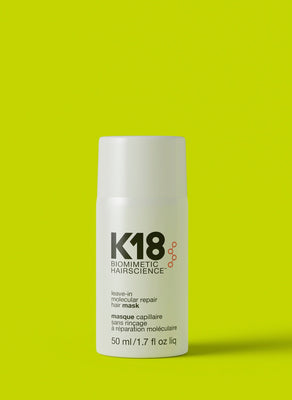
[collection-carousel="treatment"] [product-feature="k18-leave-in-molecular-repair-hair-mask-5ml"]
How to choose between vegan and marine collagen
If you decide to try collagen supplements despite their limitations, several factors can guide your choice between vegan and marine options.
Consider your dietary restrictions and values
Marine collagen isn't suitable for vegans, vegetarians, or people with fish allergies. If ethical or religious considerations influence your choices, vegan collagen boosters align better with plant-based lifestyles.
Environmental impact may also factor into your decision. Marine collagen typically uses fish industry waste, while vegan options often have smaller carbon footprints but may require more complex manufacturing processes.
Evaluate cost-effectiveness
Quality varies significantly within both categories. Marine collagen from reputable sources typically costs more than basic vegan collagen boosters but may contain more bioavailable amino acids. Lab-grown vegan collagen tends to be the most expensive option.
Consider the cost per serving and duration of supplementation when comparing options. Some retailers offer bulk purchasing discounts that can make higher-quality products more affordable long-term.
Quality and testing standards
Look for products that provide third-party testing results, clear ingredient lists, and transparent sourcing information. Marine collagen should specify the fish source and extraction method, while vegan options should detail their amino acid profiles or collagen-boosting ingredients.
[tip-text="Remember that supplement quality isn't regulated as strictly as medications. Choose brands with good manufacturing practices and independent testing verification."]
What to expect when using collagen for hair
Setting realistic expectations helps you evaluate whether collagen supplements are worth the investment for your specific hair goals.
Timeline for potential results
Hair grows approximately 1.25 centimetres per month, so any nutritional improvements would only be visible in new growth after several months of consistent supplementation. Clinical trials typically run for 8-12 weeks, with modest improvements appearing toward the end of this period.
Don't expect dramatic changes in the first month. If you notice improvements, they'll likely be subtle and gradual rather than obvious transformations.
What improvements look like
Realistic benefits from collagen supplementation might include:
-
Slightly improved hair thickness over 3-6 months
-
Reduced breakage during brushing or styling
-
Better overall hair texture and manageability
-
Complementary improvements in skin hydration and nail strength
These changes are typically subtle and may be influenced by other factors like seasonal changes, stress levels, or modifications to your hair care routine.
When to discontinue use
If you don't notice any improvements after 3-4 months of consistent use, collagen supplements probably aren't providing significant benefits for your hair. Consider redirecting that investment toward proven hair care treatments or addressing other potential causes of breakage.
What the research says about hair repair
Understanding the current evidence helps separate promising treatments from marketing hype:
-
Collagen supplements show consistent but modest benefits for skin hydration and elasticity in clinical trials
-
Hair-specific collagen research is limited, with the evidence still emerging on direct hair benefits
-
Molecular repair technologies demonstrate immediate structural improvements in damaged hair within minutes
-
Most supplement studies show gradual changes over 8-12 weeks, not rapid transformations
-
External protection strategies prevent more damage than internal supplementation can repair
-
Individual responses to supplements vary significantly based on age, diet, and overall health status
Better alternatives for immediate hair strength
Rather than waiting months for potential supplement benefits, consider approaches that strengthen hair immediately and provide measurable results.
Professional-grade molecular repair
Advanced hair treatments that work at the molecular level can reverse years of damage in a single application. These treatments target broken keratin chains and disulfide bonds, restoring hair's natural strength and elasticity from within the hair shaft.
Unlike supplements that work slowly and indirectly, molecular repair technology delivers immediate structural improvements that you can see and feel after the first treatment.
Comprehensive hair care systems
Combining gentle cleansing, targeted treatments, and protective styling creates a synergistic effect that's more powerful than any single supplement. Look for systems designed to work together rather than mixing random products from different brands.
A strategic approach addresses current damage while preventing future breakage, giving you both immediate improvements and long-term hair health benefits.
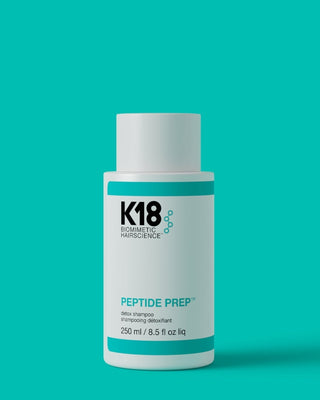
[collection-carousel="bundles"] [product-feature="k18-detox-shampoo-repair-mask-routine-bundle"]
K18's biotech-driven approach repairs damage at the molecular level, delivering professional results you can achieve at home. Our patented peptide technology targets broken keratin chains and restores hair's natural strength in just 4 minutes.
Making the right choice for your hair
The debate between vegan collagen vs marine collagen for hair misses the bigger picture. While both supplements may provide modest benefits over time, neither addresses the root causes of hair breakage or offers the immediate repair that damaged hair needs.
Your hair's strength depends more on external protection and targeted repair treatments than internal supplementation. Focus your efforts and budget on proven solutions that deliver measurable results rather than hoping supplements will solve complex hair damage issues.
If you choose to try collagen supplements, approach them as a potential complement to, not replacement for, evidence-based hair care practices. Set realistic expectations and be prepared to evaluate their effectiveness honestly after several months of consistent use.
For immediate, visible improvements in hair strength and breakage resistance, invest in technologies that repair existing damage at the molecular level while protecting your hair from future stress. This approach delivers the strong, resilient hair you want without the wait or uncertainty of supplementation.
