
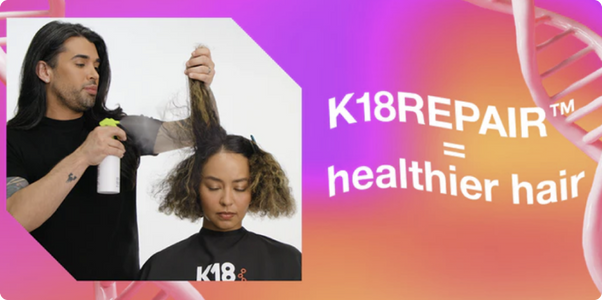
When your hair feels brittle, breaks easily, or lacks its former shine, you might find yourself wondering whether you need to repair damage or simply strengthen what you have. The difference between hair repair vs hair strengthening isn't just semantic - it determines which vitamins, minerals, and treatments will actually work for your specific hair concerns.
Hair repair focuses on rebuilding the internal bonds that hold your hair shaft together, addressing structural damage at the molecular level. Research demonstrates that bond-repairing treatments target disulfide, hydrogen, and ionic bonds within the hair cortex. Hair strengthening, on the other hand, often refers to surface treatments that make hair feel stronger temporarily without fixing underlying damage. Understanding this distinction helps you choose the right nutritional support and treatments for lasting results.
While vitamins and minerals play crucial supporting roles in hair health, the reality is more nuanced than simply popping a biotin supplement and expecting miraculous changes. Your hair's ability to rebuild bonds depends on a combination of internal nutrition, external treatments, and understanding what type of damage you're actually dealing with.
What Does Hair Strengthening Actually Mean
The term "strengthening" in hair products is largely a marketing label rather than a standardised scientific claim. This vague branding can mislead consumers who expect dramatic structural improvements when the actual effects are often cosmetic.
How Most Strengthening Products Actually Work
Most products labelled as "strengthening" improve how hair feels and reduce breakage through conditioning rather than actually increasing tensile strength. Studies show that many commercially marketed strengthening products primarily act at the cuticle surface through conditioning and smoothing rather than rebuilding internal bonds. They work by:
-
Smoothing the hair cuticle to reduce friction and tangling
-
Adding temporary protein or moisture to fill microscopic gaps
-
Creating a protective coating that makes hair feel thicker
-
Improving manageability to prevent mechanical breakage from brushing
While these effects can significantly reduce day-to-day breakage, they don't address the underlying structural damage that causes long-term hair problems. Users should manage expectations and understand that many effects are cosmetic rather than structural.
Why Context Matters More Than Claims
There's no single action all strengthening products perform, and effects vary widely depending on your hair's current condition. A protein treatment might strengthen damaged hair but cause brittleness in healthy hair that's already protein-rich, as protein overload can actually weaken hair structure. Similarly, a moisturising treatment helps dry hair but won't fix chemically damaged bonds.
How Does True Hair Repair Differ From Strengthening
True hair repair works at the molecular level to rebuild the internal bonds that give hair its structural integrity. Unlike surface strengthening treatments, repair focuses on fixing damage from the inside out.
What Happens During Bond Repair
Hair repair treatments target the disulfide bonds, hydrogen bonds, and salt linkages that hold your hair's protein structure together. Chemical processing, heat damage, and environmental stress break these bonds, leading to:
-
Increased porosity and moisture loss
-
Reduced elasticity and flexibility
-
Rough texture and lack of shine
-
Increased susceptibility to further damage
Bond repair treatments work by penetrating the hair shaft and either rebuilding broken connections or creating new cross-links between protein chains. Advanced peptides and thiol-reactive agents can form covalent bonds with keratin chains, restoring mechanical strength. This approach addresses the root cause of damage rather than masking symptoms.
Long-Term Internal Repair vs Short-Term Cosmetic Effects
|
Approach |
Target |
Duration |
Best For |
|---|---|---|---|
|
Bond Repair |
Internal hair structure |
Cumulative and lasting |
Chemical, heat, or UV damage |
|
Surface Strengthening |
Hair cuticle and feel |
Until next wash |
Temporary improvement and styling |
|
Protein Treatment |
Filling gaps in hair shaft |
2-4 weeks |
Over-processed or porous hair |
|
Moisture Treatment |
Hydration and flexibility |
1-2 weeks |
Dry, brittle, or weather-damaged hair |
Which Vitamins Support Hair Bond Formation
While topical treatments provide the most direct path to bond repair, certain vitamins support your hair's natural ability to maintain and rebuild its protein structure from within.
Vitamin C for Collagen and Disulfide Bond Formation
Vitamin C plays a crucial role in collagen synthesis and helps maintain the disulfide bonds that give hair strength. Research demonstrates vitamin C is essential for collagen production, supporting the scalp matrix that nourishes hair follicles. It also acts as an antioxidant, protecting existing bonds from free radical damage.
Daily needs range from 75-90mg for adults, easily met through citrus fruits, berries, and leafy greens. Deficiency is rare in developed countries, but smokers and those under chronic stress may need higher amounts.
Biotin and B-Complex for Keratin Production
Biotin (B7) supports the production of keratin, the primary protein in hair. Evidence shows biotin functions as a cofactor for enzymes involved in keratin synthesis, though benefits are primarily seen when deficiency is present. Biotin deficiency is uncommon except in cases of certain genetic disorders or prolonged antibiotic use that disrupts gut bacteria.
Other B vitamins work synergistically:
-
B6 helps metabolise proteins needed for hair structure
-
B12 supports healthy hair follicle function
-
Folate aids in DNA synthesis for new hair growth
-
Niacin improves circulation to hair follicles
Vitamin D for Hair Follicle Health
While vitamin D doesn't directly repair bonds, it's essential for hair follicle cycling and the production of new, healthy hair. Studies consistently link vitamin D deficiency with various types of hair loss, including telogen effluvium and androgenetic alopecia. Deficiency can lead to hair loss, making existing damage more noticeable.
Essential Minerals for Hair Structure and Repair
Minerals provide the building blocks for hair proteins and support the enzymatic processes involved in bond formation and repair.
Iron for Oxygen Transport and Protein Synthesis
Iron deficiency is one of the most common nutritional causes of hair problems. Even without anaemia, low iron stores can affect hair growth and the quality of new hair produced.
Iron supports hair health by enabling oxygen transport to follicles and supporting the enzymes involved in collagen and keratin synthesis. Iron serves as a critical component of haemoglobin and functions as a cofactor in protein synthesis pathways. Women of reproductive age are at highest risk for deficiency due to menstrual losses.
Zinc for Protein Synthesis and Wound Healing
Zinc is critical for protein synthesis, DNA repair, and maintaining the oil glands around hair follicles. It also supports the immune system's ability to fight scalp infections that can damage hair.
Signs of zinc deficiency include slow wound healing, frequent infections, and changes in taste or smell alongside hair problems. However, excessive zinc supplementation can interfere with copper absorption, as high zinc intake reduces intestinal copper absorption and can cause copper deficiency, so balance matters.
Sulfur-Containing Amino Acids
While not technically minerals, sulfur-containing amino acids like cysteine and methionine are essential for forming the disulfide bonds that give hair its strength. Cysteine residues form the disulfide bridges that stabilise keratin structure, directly determining hair properties like curl and tensile strength. These are found in protein-rich foods rather than typical mineral supplements.
-
Cysteine forms cross-links between protein chains
-
Methionine supports overall protein synthesis
-
Both are abundant in eggs, fish, poultry, and legumes
Why Different Hair Issues Require Targeted Approaches
Using the wrong type of treatment can worsen hair condition instead of helping it. Different hair issues require specific interventions, and vitamins work best as part of a comprehensive approach.
Chemical Damage vs Mechanical Damage vs Nutritional Deficiency
Chemical damage from colouring, bleaching, or perming breaks internal bonds and requires bond-building treatments. Mechanical damage from heat styling or aggressive brushing affects the cuticle and needs protective treatments. Professional guidance distinguishes these damage types and recommends different primary strategies: bond-repair treatments for chemical damage and protective measures for mechanical damage. Nutritional deficiency affects new hair growth and requires addressing the underlying shortage.
Many people have multiple types of damage simultaneously, which is why single-ingredient solutions rarely provide complete results.
When Protein Treatments Can Backfire
Protein-heavy treatments may be too intense for undamaged or fine hair and could cause protein overload. This leads to brittleness and increased breakage - the opposite of the intended effect.
Signs of protein overload include:
-
Hair that feels straw-like or overly stiff
-
Increased breakage despite using strengthening products
-
Loss of elasticity - hair snaps rather than stretches
-
Dullness despite using shine-enhancing treatments
When this happens, moisture treatments and gentle cleansing help restore balance before resuming any strengthening regimen.
How to Determine What Your Hair Actually Needs
Before adding vitamins or changing your hair care routine, assess what type of damage or deficiency you're dealing with. This prevents wasting time and money on approaches that won't help your specific situation.
The Elasticity Test for Damage Assessment
Test your hair's elasticity by gently stretching a clean, wet strand. Healthy hair should stretch 30-50% of its length before breaking and return to its original length when released.
If hair breaks immediately with minimal stretch, you likely have bond damage that requires repair treatments. If it stretches but doesn't return to normal length, you may need moisture treatments to restore flexibility.
Identifying Nutritional vs Structural Issues
Nutritional deficiencies typically affect new hair growth, causing changes in texture, colour, or growth rate over several months. Structural damage from processing affects existing hair length and is visible immediately after treatment.
|
Issue Type |
Timeline |
Affected Hair |
Primary Solution |
|---|---|---|---|
|
Nutritional Deficiency |
3-6 months to see changes |
New growth |
Dietary changes, supplements |
|
Chemical Damage |
Immediate, cumulative |
Processed lengths |
Bond repair treatments |
|
Heat Damage |
Immediate, progressive |
Frequently styled areas |
Protein treatments, heat protection |
|
Mechanical Damage |
Gradual |
Ends and fragile sections |
Gentle handling, regular trims |
What the Evidence Shows About Hair Repair
Research reveals important insights about what actually works for damaged hair versus what we might hope works:
-
Bond-repair treatments using peptides and reactive molecules can chemically restore disulfide bridges and improve mechanical strength in damaged hair
-
Vitamin support is most effective when addressing documented deficiencies rather than supplementing already adequate levels
-
Most commercial "strengthening" products work through conditioning effects rather than increasing true tensile strength
-
The evidence on vitamin supplementation for hair health remains mixed for people without nutritional deficiencies
-
Chemical and mechanical damage require different repair strategies, and using the wrong approach can worsen hair condition
-
Hair responds to treatments over months rather than days, and realistic expectations are crucial for evaluating success
Realistic Expectations for Vitamin and Mineral Support
While proper nutrition supports healthy hair, vitamins and minerals work slowly and can't reverse existing damage. Understanding realistic timelines and limitations helps you make informed decisions about supplementation.
What Supplements Can and Cannot Do
Nutritional supplements support the growth of new, healthy hair but cannot repair damage to existing hair shafts. Hair grows approximately 1.25cm per month, so it takes several months to see the effects of improved nutrition in your hair length.
Supplements may help if you have documented deficiencies, dietary restrictions that limit certain nutrients, or conditions that increase nutritional needs. They're unlikely to help if your nutrition is already adequate and your hair problems stem from processing or environmental damage.
When Professional Consultation Makes Sense
Consider consulting a healthcare provider or dermatologist if you experience sudden hair loss, dramatic changes in hair texture, or if hair problems persist despite addressing obvious damage sources.
Blood tests can identify specific deficiencies that might benefit from targeted supplementation rather than general hair vitamins. This approach is more effective and avoids potential interactions or imbalances from unnecessary supplements.
Effective Hair Bond Repair Beyond Vitamins
While vitamins provide foundational support, the most dramatic improvements in damaged hair come from targeted treatments that work directly on hair structure. Modern bond-building technology offers scientifically proven alternatives to the trial-and-error approach of traditional strengthening products.
How Molecular Repair Technology Works
Advanced treatments penetrate deep into the hair cortex to rebuild broken bonds at the molecular level. Unlike protein treatments that temporarily fill gaps, these technologies create lasting structural improvements that withstand washing and styling.
This approach is particularly effective for chemically damaged hair that's lost its internal integrity through colouring, bleaching, or chemical straightening. The results are cumulative, with each treatment building on previous applications.
For comprehensive information on repairing severely compromised hair, explore our guide on treating damaged bleached hair and learn about effective approaches to repair bleached hair.
Combining Nutritional Support with Professional Treatments
The most effective approach combines adequate nutrition for new hair growth with targeted repair treatments for existing damage. This dual strategy addresses both current problems and prevents future issues.
[collection-carousel="treatment-new"] [tip-text="Remember that cutting split ends is the only effective way to eliminate them - no product can truly mend split hair shafts. Regular trims every 6-8 weeks prevent splits from travelling up the hair shaft and causing more extensive damage."]
Start with a comprehensive hair assessment to identify your primary concerns, then layer appropriate treatments. Most people benefit from alternating moisture and protein treatments while addressing any nutritional gaps through diet or targeted supplementation.
[collection-carousel="maintainance-routine-new"]
What to Do Next for Healthier Hair Bonds
Begin with the basics by assessing your current hair condition and identifying whether you're dealing with nutritional, mechanical, or chemical damage. This determines whether vitamins, topical treatments, or professional consultation will be most beneficial.
If you suspect nutritional deficiencies, consider consulting a healthcare provider for blood tests before starting supplements. For existing damage, focus on gentle handling, regular trims, and treatments specifically designed for bond repair rather than generic strengthening products.
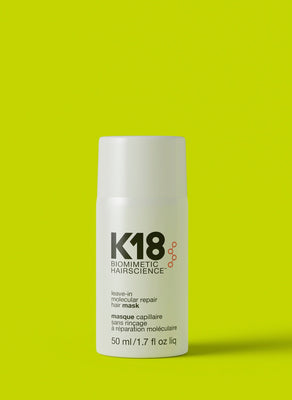
For immediate bond repair support, consider starting with proven molecular repair technology that targets damage at its source. The K18 Leave-In Molecular Repair Hair Mask provides a convenient introduction to professional-grade bond building, while the K18 Prep + Repair At-Home Duo offers a complete system for ongoing maintenance.
[product-feature="k18-leave-in-molecular-repair-hair-mask-5ml"]
For comprehensive repair support, the K18 Repair Bundle combines multiple treatments to address different aspects of hair damage while supporting your hair's natural rebuilding processes.
[product-feature="k18-repair-bundle"]
Remember that sustainable hair health comes from consistency rather than quick fixes. Combine appropriate nutrition, gentle care practices, and targeted treatments for the best long-term results.
Key Takeaways for Hair Repair vs Strengthening
The distinction between hair repair and hair strengthening isn't just academic - it determines which approaches will actually improve your hair's condition. True repair works at the molecular level to rebuild damaged bonds, while strengthening often refers to temporary cosmetic improvements.
Vitamins and minerals support hair health by providing building blocks for new growth and maintaining existing structure, but they work slowly and cannot reverse existing damage. Focus on vitamin C, B-complex vitamins, iron, and zinc if you have documented deficiencies, but don't expect dramatic changes to damaged hair lengths.
Different types of damage require specific interventions. Chemical damage needs bond repair treatments, mechanical damage requires protective care, and nutritional issues need dietary correction. Using the wrong approach can worsen your hair's condition rather than improving it.
For lasting results, combine adequate nutrition for new hair growth with targeted repair treatments for existing damage. This comprehensive approach addresses both current problems and prevents future issues, giving you the strongest foundation for healthy hair.
