
Getting your hair to that perfect platinum or vibrant fashion colour often requires multiple bleaching sessions. But rushing the process is one of the fastest ways to turn your hair transformation dream into a damaged hair nightmare. The question of how long to wait between bleaching sessions isn't just about patience - it's about preserving the integrity of your hair while achieving your colour goals.
Bleaching is one of the most aggressive chemical processes your hair can undergo. Each session strips away natural pigments by breaking down the hair's protein structure, leaving strands vulnerable and weakened. Without proper recovery time, you risk severe breakage, chemical burns, and hair that snaps off at the touch.
The science is clear - your hair needs time to recover between bleaching sessions. Understanding the optimal timing, what happens during recovery, and how to support your hair through the process makes the difference between achieving beautiful results and ending up with irreversible damage.
What Happens to Your Hair During Bleaching
Bleaching fundamentally changes your hair's structure at the molecular level. The process uses alkaline agents to swell the hair cuticle and oxidising agents to break down melanin pigments. This chemical reaction doesn't just remove colour - it also breaks down some of the keratin proteins that give your hair strength and elasticity.
Why Your Hair Needs Recovery Time
After bleaching, your hair cuticles remain raised and damaged, making strands porous and fragile. The internal structure has been compromised, with protein chains disrupted and moisture barriers weakened. This damage accumulates with each session, which is why spacing treatments becomes crucial for maintaining hair integrity.
Professional colourists understand that healthy hair holds colour better and processes more evenly. Damaged hair often lifts unevenly, creating patchy results that require additional correction - defeating the purpose of rushing the process.
How Long Should You Wait Between Bleach Sessions
The consensus among hair professionals is clear - wait at least 3 to 4 weeks between bleaching sessions. This timeframe allows your hair cuticles to recover and reduces the risk of severe damage, particularly for previously damaged or thickly pigmented hair.
Minimum Waiting Periods by Hair Condition
|
Hair Condition |
Minimum Wait Time |
Optimal Wait Time |
Special Considerations
|
|---|---|---|---|
|
Virgin, healthy hair |
3 weeks |
4-6 weeks |
Best candidate for multiple sessions |
|
Previously coloured hair |
4 weeks |
6-8 weeks |
May need extra conditioning treatments |
|
Damaged or dry hair |
6-8 weeks |
8-12 weeks |
Consider protein treatments between sessions |
|
Fine or fragile hair |
4-6 weeks |
8 weeks |
Lower developer volumes recommended |
These timeframes aren't arbitrary - they're based on your hair's natural growth cycle and repair processes. Hair grows approximately 1.25 centimetres per month, and the new growth provides a buffer zone that's less damaged than previously processed lengths.
Signs Your Hair Isn't Ready for Another Session
-
Hair feels elastic or gummy when wet
-
Excessive breakage during brushing or styling
-
Dry, straw-like texture that doesn't improve with conditioning
-
Scalp irritation or sensitivity from the previous session
-
Uneven porosity causing patchy colour results
What to Do During the Waiting Period
The weeks between bleaching sessions aren't just about waiting - they're an opportunity to prepare your hair for the best possible results. This recovery period is crucial for rebuilding strength and ensuring your next session lifts evenly.
Toning Instead of Re-bleaching
One of the smartest strategies during your waiting period is using toner to manage unwanted orange or brassy hues. Toning neutralises unwanted pigments without the damage of additional bleaching, making the in-between period more tolerable and avoiding panic decisions that could compromise your hair.
Professional-grade toners can shift your colour significantly while you wait. Purple toners neutralise yellow tones, while blue-based toners combat orange. This approach lets you live with your current level while your hair recovers properly.
Intensive Repair Treatments
Your hair is essentially in recovery mode between sessions. This is the perfect time for targeted repair treatments that rebuild damaged protein structures. Focus on treatments that work at the molecular level rather than just coating the hair surface.
Deep conditioning masks, protein treatments, and leave-in repair products become essential during this period. The goal is to restore as much strength and moisture as possible before the next chemical service.
Professional Techniques for Safer Multiple Sessions
When you do return for your next bleaching session, professional techniques can minimise damage and improve results. These methods have been developed through years of stylist experience and understanding of hair chemistry.
Using Lower Volume Developers
For follow-up bleaching rounds, using 20-30 volume developer instead of higher strengths reduces the chance of burning or breakage. This is especially important for already weakened hair, as lower volumes work more gently while still achieving lift.
Higher volume developers (40 volume) should generally be reserved for virgin hair or when significant lift is needed in a single session. Experienced colourists often prefer multiple gentler sessions over aggressive single treatments.
The Importance of Strand Testing
Before applying any bleach, toner, or colour, strand testing from multiple sections is essential. This prevents unpredictable and hard-to-correct results while helping gauge whether your current level is suitable for your desired outcome.
Strand tests reveal how your hair will respond after the recovery period, showing whether additional waiting time might be beneficial or if you're ready to proceed safely.
Alternative Lightening Methods for Impatient Hair
If waiting feels impossible, there are gentler alternatives that provide some lift without the full impact of traditional bleaching. However, understanding their limitations prevents disappointment and overprocessing.
Soap Cap Treatments
Soap caps combine small amounts of bleach powder with clarifying shampoo for milder lift. While gentler than straight bleach, they're not substitutes for full bleach sessions when targeting significant lightening or preparing for bright fashion colours.
These treatments work best for subtle adjustments or removing slight colour build-up, but won't achieve the level 8-10 lightening needed for vivid blues, purples, or true platinum results.
High-Quality Bleach Products
Investing in professional-grade bleaching products can sometimes achieve more lift in fewer sessions, potentially reducing the total number of appointments needed. Quality formulations often include conditioning agents and can lift up to 8-9 levels safely in one session on suitable hair.
While this doesn't eliminate waiting periods, it can reduce the total number of sessions required to reach your goal, minimising cumulative damage over time.
Supporting Your Hair Between Sessions
The products and techniques you use during recovery periods directly impact your hair's readiness for the next session. This isn't just about damage control - it's about optimising your hair's condition for better processing and longer-lasting results.
Molecular-Level Repair
Traditional conditioning treatments work on the hair's surface, but bleach damage occurs deep within the protein structure. Understanding how bleaching impacts your hair at the molecular level helps you choose treatments that actually rebuild damaged keratin chains rather than just creating temporary smoothness.
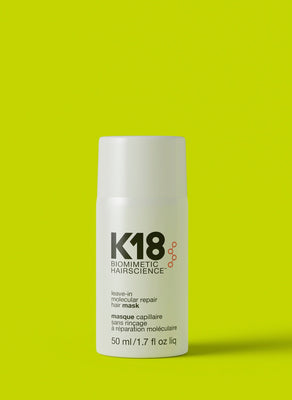
[product-feature="k18-leave-in-molecular-repair-hair-mask-5ml"]
Protective Styling and Daily Care
During recovery periods, your styling choices matter more than usual. Heat protection becomes non-negotiable, and protective styles that minimise manipulation help prevent additional breakage to already compromised strands.
-
Use silk or satin pillowcases to reduce friction
-
Avoid tight hairstyles that create tension
-
Minimise heat styling or use lower temperatures
-
Apply leave-in treatments before any styling
-
Consider protective hairstyles for sleeping
Specific care techniques for lightened hair can make the difference between hair that survives multiple sessions and hair that thrives through the transformation process.
When Professional Help Is Essential
While understanding timing is important, recognising when you need professional intervention prevents costly mistakes and potential hair disaster. Some situations simply require expert assessment and treatment.
Signs You Need Professional Assessment
-
Hair breaking off in chunks during or after bleaching
-
Scalp burns, blisters, or persistent irritation
-
Uneven lifting creating severe colour patches
-
Hair that feels mushy or dissolves when wet
-
Previous DIY disasters that need correction
Professional colourists can assess your hair's condition objectively and create a safe timeline for achieving your goals. They also have access to professional-strength treatments and techniques not available for home use.
Corrective Colour Considerations
If you're dealing with uneven colour from previous sessions, correction work often requires even longer waiting periods. Attempting to fix colour mistakes too quickly almost always results in more damage and worse results.
Professional colour correction might involve multiple appointments spread over several months, but this patience prevents the need for dramatic cuts or potential permanent damage.
Creating Your Personal Bleaching Timeline
Your optimal waiting period depends on multiple factors unique to your hair and goals. Creating a realistic timeline prevents disappointment and ensures each session builds toward your desired result rather than creating setbacks.
[collection-carousel="treatment-new"]
Factors That Extend Waiting Periods
-
Starting with very dark hair (natural level 1-3)
-
Previous chemical treatments or relaxers
-
Fine or fragile hair texture
-
Scalp sensitivity or previous reactions
-
Desire for extreme lightening (level 9-10)
Factors That May Allow Shorter Intervals
-
Virgin, healthy hair in good condition
-
Starting with lighter natural colour (level 4-6)
-
Thick, coarse hair texture
-
Professional application and aftercare
-
Modest lightening goals (level 6-7)
Remember that these are general guidelines - individual hair responds differently, and what works for others may not be suitable for your specific situation.
Recovery and Maintenance Strategies
Successfully navigating multiple bleaching sessions requires a comprehensive approach to hair health. The most successful transformations combine proper timing with intensive care and realistic expectations.
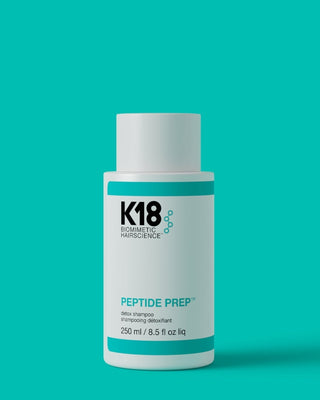
[product-feature="k18-detox-shampoo-repair-mask-routine-bundle"]
Professional aftercare becomes even more important as you progress through multiple sessions. Your hair's needs change with each treatment, requiring adjustments to your routine and product selection.
Long-term Hair Health Considerations
Multiple bleaching sessions represent a significant commitment to ongoing hair care. The investment in your colour transformation should include investment in maintaining healthy hair throughout the process.
Consider this a marathon rather than a sprint - the hair that looks stunning six months from now is hair that was treated with patience and proper care from the beginning.
[collection-carousel="maintainance-routine-new"]
Final Recommendations for Safe Bleaching
Achieving your dream hair colour safely requires balancing ambition with patience. The 3-4 week minimum between sessions isn't just a suggestion - it's a crucial element of successful colour transformation.
Every week you wait allows your hair to rebuild strength, your scalp to recover, and your next session to process more evenly. This patience pays dividends in both the quality of your results and the long-term health of your hair.
Remember that damaged hair doesn't just look poor - it also holds colour unpredictably and may require additional correction work that extends your timeline even further. Investing in proper timing and care from the beginning prevents these frustrating setbacks.
Whether you're working with a professional or managing the process yourself, respect your hair's need for recovery time. The difference between stunning results and damaged disaster often comes down to this simple factor - giving your hair the time it needs to stay healthy through the transformation process.
