
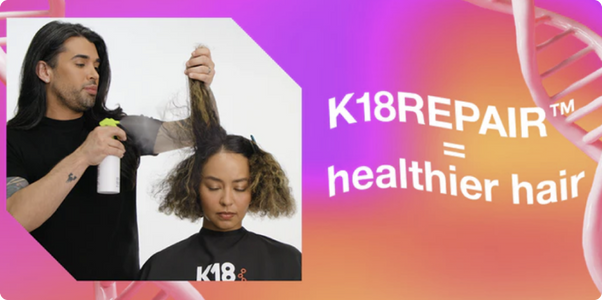
Weak hair isn't just a cosmetic concern—it's often your body's way of signaling deeper health issues. Research suggests that when your strands lack strength, elasticity, or shine, these hair health indicators can reveal everything from nutritional deficiencies to hormonal imbalances, stress levels, and environmental damage.
Understanding what causes hair weakness helps you address the root problems rather than just masking symptoms. Whether you're dealing with sudden brittleness, unexplained thinning, or strands that snap at the slightest touch, your hair is communicating important information about your overall wellbeing.
This guide breaks down the science behind weak hair, explores what different types of damage reveal about your health, and provides evidence-based solutions to restore both your hair's strength and your body's balance.
What Is Weak Hair And How Do You Recognise It
Weak hair lacks the structural integrity needed to withstand normal daily stresses. Unlike healthy hair that bounces back from gentle stretching, weak strands break easily, feel brittle to the touch, and often appear dull or lifeless.
Which Physical Signs Indicate Hair Weakness
The most telling indicators of weak hair include:
-
Poor elasticity - Hair that snaps when stretched instead of bouncing back
-
Excessive breakage - Short, broken pieces accumulating on pillows, brushes, or clothing
-
Lack of movement - Strands that feel stiff or don't flow naturally
-
Rough texture - Hair that feels coarse or gritty rather than smooth
-
Split ends - Frayed or forked tips that travel up the hair shaft
-
Dullness - Loss of natural shine and light reflection
These symptoms often develop gradually, making them easy to dismiss initially. However, recognising these early warning signs allows for more effective intervention before damage becomes severe.
How Does Healthy Hair Structure Compare
Healthy hair consists of three layers working together. The outer cuticle protects inner structures, the cortex provides strength and elasticity, and the medulla forms the core. When this structure is compromised, weakness follows predictably.
Strong hair demonstrates resilience through its ability to stretch up to 30% of its length without breaking when dry, though evidence shows wet hair can stretch even further—up to 50% in healthy strands. This structural integrity depends on both external care practices and internal health factors.
What Environmental Factors Contribute To Hair Weakness
Your environment plays a massive role in hair health, often in ways that aren't immediately obvious. Understanding these external factors helps identify controllable causes of weakness.
How Does Water Quality Affect Hair Strength
Hard water significantly contributes to hair dryness, buildup, and brittleness. Mineral deposits from calcium and magnesium create a coating on hair shafts that prevents moisture absorption and makes strands feel rough and unmanageable.
Many people notice dramatic improvements after addressing water quality issues through filtration systems or occasional distilled water washing. This simple change can restore softness and reduce breakage without requiring major product overhauls.
Which Chemical Exposures Weaken Hair
Chemical damage from colouring, bleaching, or harsh treatments breaks down the hair's protein structure, leading to porosity issues and mechanical weakness. Studies have shown that combined treatments like dyeing and straightening can increase protein loss by up to 356% compared to virgin hair, dramatically weakening strands.
Heat styling compounds these problems by accelerating moisture loss and making hair more susceptible to mechanical damage. Regular use of high-temperature tools without proper protection can transform healthy hair into brittle, weak strands over time.
Understanding how bleaching affects hair structure helps explain why chemically treated hair requires different care approaches than virgin hair.
What Internal Health Issues Manifest As Hair Problems
Weak hair often reflects underlying health imbalances that require attention beyond topical treatments. Your hair follicles are among the most metabolically active tissues in your body, making them sensitive indicators of internal health.
Which Nutritional Deficiencies Cause Hair Weakness
Iron deficiency stands out as a primary cause of brittle, weak hair. Low ferritin levels affect hair's ability to maintain strength and can contribute to increased shedding and texture changes.
Evidence shows other crucial nutrients for hair strength include:
-
Protein - Building blocks for keratin structure
-
Zinc - Essential for hair follicle function and repair
-
Vitamin C - Supports collagen production and iron absorption
-
Vitamin A - Regulates sebum production and cellular renewal
-
B vitamins - Support energy metabolism in hair follicles
Research from dermatology journals confirms that addressing nutritional gaps often produces noticeable improvements in hair strength and appearance within a few months of consistent supplementation or dietary changes.
How Do Hormonal Imbalances Affect Hair Quality
Hormonal fluctuations from thyroid disorders, PCOS, menopause, or high stress levels can dramatically alter hair texture and strength. Studies show hypothyroidism commonly causes hair to become coarse, dry, and prone to breakage.
Chronic stress elevates cortisol levels, which can disrupt the hair growth cycle and lead to a condition called chronic telogen effluvium. This results in widespread thinning and weakened hair quality that persists until stress levels are managed.
|
Condition |
Hair Changes |
Timeline |
Recovery Approach
|
|---|---|---|---|
|
Iron Deficiency |
Brittleness, increased shedding |
2-3 months to show |
Supplementation, dietary changes |
|
Thyroid Dysfunction |
Coarse texture, dryness |
Gradual onset |
Hormone regulation, medical treatment |
|
Chronic Stress |
Thinning, weakness, dullness |
3-6 months delayed |
Stress management, lifestyle changes |
|
PCOS |
Androgenic thinning, texture changes |
Progressive |
Hormonal balance, targeted treatments |
How Do Hair Care Practices Impact Strength
Your daily hair care routine can either support or undermine hair strength. Understanding which practices help versus harm allows for more effective maintenance of healthy hair.
Which Products Support Weak Hair Recovery
Contrary to popular belief in some natural hair care circles, silicone-based products can actually benefit fragile, damaged hair by providing protective coating and reducing mechanical damage during styling and manipulation.
Research shows that products containing amodimethicone and other hair-beneficial silicones help restore manageability and shine to compromised strands. These ingredients create a protective barrier that reduces friction and prevents further damage while other treatments work to repair underlying structure.
Deep conditioning treatments and leave-in products designed for damaged hair provide essential moisture and protein balance. The key lies in alternating hydrating and strengthening treatments to avoid overloading hair with either moisture or protein.
[collection-carousel="treatment-new"]
What Styling Habits Contribute To Weakness
Mechanical damage from tight hairstyles ranks among the most preventable causes of hair weakness. Professional dermatological organisations confirm that regular tension from tight ponytails, buns, or braids can cause traction alopecia and ongoing breakage, particularly around the hairline and temples.
Switching to looser styles and using silk or satin scrunchies reduces stress on hair shafts. Alternating styling patterns prevents consistent pressure on the same areas.
Over-brushing, especially when hair is wet and most vulnerable, contributes significantly to breakage. Wet hair stretches more easily and is prone to snapping under mechanical stress—evidence shows wet strands are particularly susceptible to damage when brushed roughly.
What Role Does Oil Selection Play In Hair Health
Not all hair oils provide the same benefits, and choosing the wrong oil can actually worsen existing weakness or dryness issues.
Why Does Coconut Oil Sometimes Cause Problems
Coconut oil's molecular structure allows it to penetrate hair shafts, but this isn't always beneficial. For some hair types, coconut oil can lead to protein overload, making hair feel stiff, brittle, and more prone to breakage.
Signs of coconut oil sensitivity include increased dryness after use, hair that feels straw-like, or worsening breakage despite regular oiling treatments. These symptoms suggest the hair may benefit from lighter oils or different treatment approaches.
Which Alternative Oils Support Hair Strength
Argan oil and amla oil often work better for hair that doesn't respond well to coconut oil. These alternatives provide moisture without the penetrating effects that can overwhelm some hair types.
-
Argan oil - Rich in vitamin E and fatty acids, provides surface protection
-
Amla oil - Contains antioxidants that may support scalp health
-
Black seed oil - Offers moisturising benefits without heavy penetration
-
Jojoba oil - Closely mimics natural sebum for balanced conditioning
The key is matching oil properties to your hair's specific needs rather than following one-size-fits-all recommendations.
How Should You Address Protein Versus Moisture Imbalance
Weak hair often results from an imbalance between protein and moisture rather than a simple lack of either element. Understanding this balance helps target treatments more effectively.
What Are The Signs Of Each Imbalance
Protein overload creates hair that feels stiff, brittle, and lacks flexibility. Multiple expert sources confirm that excessive protein buildup makes strands snap easily and feel rough or straw-like to the touch. This condition often develops from overuse of protein treatments or products containing hydrolysed proteins.
Moisture deficiency, on the other hand, produces hair that feels dry, frizzy, and lacks shine. These strands may stretch excessively before breaking and often appear dull or lifeless.
For hair that's dry rather than severely chemically damaged, moisture-focused treatments typically provide better results than protein-heavy regimens.
Which Treatment Approach Works Best
Alternating between protein and moisture treatments helps maintain optimal balance. Industry guidance suggests starting with hydrating treatments if hair feels dry and brittle, then introduce gentle protein treatments once moisture levels improve.
Deep conditioning masks should be used weekly for severely compromised hair, gradually reducing frequency as strength improves. Leave-in treatments provide ongoing support between intensive treatments.
Learning to recognise how to address elasticity issues helps fine-tune your approach based on your hair's changing needs.
[collection-carousel="maintainance-routine-new"]
When Does Hair Method Flexibility Become Important
Rigid hair care methods don't work for everyone, and flexibility in approach often produces better results than strict adherence to specific regimens.
What Issues Can Arise From Strict Methods
The curly girl method, while beneficial for many, can worsen dryness or create buildup issues for those with wavy or low-density hair. Products designed for curly hair may be too heavy for finer textures, leading to limpness and reduced volume.
Some people find their hair improves when they reintroduce occasional clarifying shampoos or light silicones after following sulfate-free, silicone-free regimens that left their hair feeling dry or unmanageable.
How Do You Customise Care For Your Hair Type
Pay attention to how your hair responds to different products and techniques rather than following methods rigidly. Hair that becomes drier or more tangled with a particular approach may need modifications or alternative strategies.
Wavy hair often benefits from lighter products and occasional clarifying treatments, while very damaged hair may need heavier conditioning and protective styling regardless of its natural texture.
Understanding how to address texture issues provides guidance for adapting care routines to changing hair needs.
What Does Recovery Timeline Look Like For Weak Hair
Realistic expectations about hair recovery help maintain motivation and guide treatment decisions. Hair improvement typically follows predictable patterns, though individual timelines vary.
What Changes Appear First
Initial improvements usually involve reduced breakage and increased manageability within 2-4 weeks of starting appropriate treatments. Hair may feel softer and be easier to detangle before visible strength improvements become apparent.
Shine and smoothness often return before elasticity fully recovers. This progression reflects the hair's structure rebuilding from the outside in as treatments repair cuticle damage first.
How Long Does Complete Recovery Take
Full recovery depends on the extent of damage and underlying causes. Surface-level improvements from environmental factors or product adjustments may be visible within a month, while addressing nutritional deficiencies or hormonal imbalances can take 3-6 months to show results.
Severely damaged hair may require 6-12 months of consistent care to regain optimal strength and appearance. Regular trims help remove damaged ends while new, healthier growth emerges.
For comprehensive recovery approaches, exploring targeted repair strategies provides additional guidance on treatment selection and timing.
How Can Biotech Solutions Accelerate Hair Recovery
Modern biotechnology offers targeted approaches to hair repair that work at the molecular level, potentially accelerating recovery compared to traditional conditioning treatments alone.
What Makes Molecular Repair Different
Molecular repair treatments target the internal structure of damaged hair rather than just coating the surface. These advanced formulations can penetrate into the cortex where structural damage occurs, helping rebuild broken protein chains.
The K18PEPTIDE™ technology represents this approach, working to reverse damage by addressing molecular-level breaks in hair's keratin structure. This allows for more comprehensive repair than surface treatments alone.
[tip-text="For severely weakened hair, molecular repair treatments can provide faster, more complete recovery than traditional deep conditioning alone"]
Which Products Support Comprehensive Recovery
Treatment routines that combine molecular repair with protective maintenance provide the most thorough approach to strengthening weak hair. This typically involves intensive repair treatments followed by ongoing protection and maintenance.
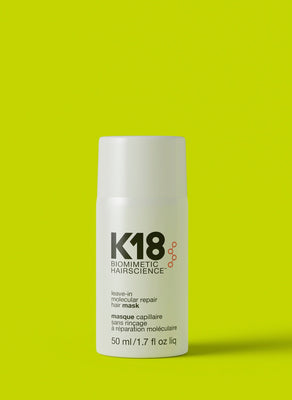
The K18 Leave-In Molecular Repair Mask offers targeted treatment for structural damage, while complementary products support ongoing hair health.
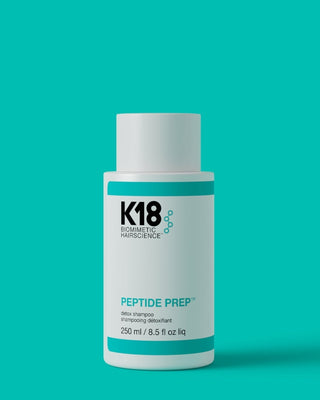
For comprehensive care, the K18 Detox and Repair Bundle provides both cleansing and treatment components for a complete recovery approach.
What the Research Says About Hair Health and Recovery
Scientific evidence provides clear guidance on addressing weak hair effectively:
-
Nutritional deficiencies directly impact hair strength - Iron, zinc, vitamin C, and B vitamins are essential for maintaining hair integrity, with improvements typically visible within 3-6 months of addressing deficiencies
-
Chemical damage creates measurable protein loss - Combined treatments can increase protein loss by over 300% compared to virgin hair, making targeted repair crucial for recovery
-
Heat styling systematically weakens hair structure - Temperature-dependent damage occurs through moisture loss and cuticle degradation, though protective products can reduce this effect
-
Hormonal factors significantly influence hair quality - Thyroid disorders and chronic stress create predictable patterns of weakness and thinning through disrupted follicle function
-
Mechanical damage from styling is highly preventable - Traction alopecia and breakage from tight hairstyles can be reversed if caught early
-
Protein-moisture balance requires individual assessment - While the evidence is still emerging on optimal ratios, alternating treatments consistently show better results than single-approach regimens
What Should You Do Next For Weak Hair Recovery
Taking action on weak hair requires a systematic approach that addresses both immediate symptoms and underlying causes. Start with the most likely culprits before moving to more complex interventions.
Which Immediate Steps Provide Quick Relief
Begin by evaluating your water quality and considering occasional distilled water rinses if you live in a hard water area. This simple change often provides noticeable improvements within weeks.
Reduce mechanical damage by switching to gentler styling practices, using silk pillowcases, and avoiding tight hairstyles. These adjustments prevent further weakening while other treatments work.
Introduce deep conditioning treatments 1-2 times per week, focusing on moisture if hair feels dry and brittle. Alternate with gentle protein treatments if hair stretches excessively.
How Do You Address Underlying Health Factors
Consider basic blood work to check iron, ferritin, thyroid function, and vitamin levels if hair changes are sudden or severe. Many hair problems improve significantly once nutritional deficiencies are corrected.
Evaluate stress levels and implement management strategies if chronic stress may be contributing to hair problems. This might include exercise, meditation, better sleep habits, or professional support.
Professional-grade repair treatments can provide more intensive intervention for severely compromised hair that doesn't respond to basic care adjustments.
[product-feature="k18-leave-in-molecular-repair-hair-mask-5ml"]
[product-feature="k18-detox-shampoo-repair-mask-routine-bundle"]
For ongoing maintenance and protection, explore comprehensive approaches that combine treatment and prevention strategies tailored to your hair's specific needs and damage level.
Key Takeaways About Hair Health Indicators
Weak hair serves as an early warning system for both external damage and internal health imbalances. By recognising these signals early and responding appropriately, you can often reverse damage and restore strength.
The most effective recovery approaches address multiple factors simultaneously rather than focusing on single solutions. This includes optimising your environment, adjusting care practices, and addressing any underlying health issues that may be contributing to hair weakness.
Remember that hair recovery takes time, with initial improvements typically visible within weeks but complete restoration potentially requiring months of consistent care. Focus on preventing further damage while supporting your hair's natural repair processes through targeted treatments and healthy lifestyle choices.
