
If you've ever wondered why that expensive hair supplement isn't delivering the promised results, you're not alone. The harsh truth is that supplement absorption how well your body actually uses the nutrients matters far more than the ingredient list itself. Most people focus on finding supplements packed with biotin, collagen, or vitamin C, but they're missing the bigger picture.
Your hair is essentially dead tissue made of keratin proteins. Research confirms that the visible hair shaft consists of dead keratinised cells that cannot absorb nutrients directly from topical treatments or supplements the way living tissue can. What really influences hair health happens at the follicle level, deep within your scalp, where blood circulation delivers the nutrients your body has successfully absorbed and processed.
Understanding how supplement absorption actually works and why it often fails can save you from wasting money on products that sound impressive but deliver minimal results. Let's break down the science behind what really works for hair health.
What Is Supplement Absorption And Why Does It Matter
Bioavailability, also known as supplement absorption, refers to how much of a nutrient your body can actually use after you've swallowed it. This process happens primarily in your small intestine, where nutrients are broken down and transported into your bloodstream.
The reality is sobering. Many supplements have shockingly low absorption rates. Your digestive system faces several barriers including stomach acid, enzyme availability, gut health, and competing nutrients that can block absorption. Even if a supplement contains 1000mg of a particular vitamin, your body might only absorb and utilise 10-20% of it.
How Your Body Processes Hair Supplements
When you take a hair supplement, it travels through your digestive system where various factors determine how much benefit you'll actually receive. Studies show that the molecular form of nutrients in supplements varies significantly, with some forms being far more easily recognised and absorbed by your digestive system than others.
For hair health specifically, absorbed nutrients must then travel through your bloodstream to reach the hair follicles in your scalp. Only nutrients that successfully complete this entire journey can potentially influence hair growth, strength, or condition.
Which Factors Actually Block Supplement Absorption
Several common issues can dramatically reduce how much nutrition your hair follicles receive from supplements, even expensive ones with impressive ingredient lists.
What Supplement Interactions Mean For Hair Health
Many people unknowingly sabotage their supplement absorption by taking incompatible nutrients together. Evidence shows that iron competes with calcium and magnesium for absorption sites in your intestines. If you're taking a hair supplement containing iron alongside calcium-rich foods or supplements, you're essentially wasting both.
Timing matters enormously. Medical guidance confirms that thyroid medications, which some people take for hair-related issues, need to be taken on an empty stomach. Taking other supplements too close to thyroid medication can block its absorption entirely.
-
Iron and calcium compete for the same absorption pathways
-
Fat-soluble vitamins (A, D, E, K) require dietary fats to be absorbed properly
-
Water-soluble vitamins can be flushed out quickly if taken in large doses
-
Alcohol consumption significantly impairs nutrient absorption
-
Poor gut health creates barriers to all nutrient uptake
Why Supplement Form Makes The Difference
The molecular form of nutrients in supplements varies wildly. Some forms are easily recognised by your digestive system, while others pass through largely unused. Unfortunately, cheaper supplement forms are often the ones with poor absorption rates.
Binding agents and fillers in supplements can also interfere with absorption. Some manufacturers prioritise shelf life and cost over bioavailability, resulting in products that look impressive on paper but deliver minimal real-world benefits.
How Hair Actually Responds To Nutritional Support
Understanding how hair growth works helps explain why supplement absorption is so critical. Your hair follicles are some of the most metabolically active tissues in your body, constantly dividing and producing new hair cells.
Hair cannot absorb nutrients directly from the outside. It's dead tissue, much like your fingernails. Any product claiming to "nourish" hair with topical vitamins or proteins is essentially coating the hair shaft, not providing biological nutrition.
What Really Influences Hair Growth And Quality
Scalp health drives hair quality far more than direct hair treatments. Your scalp has blood vessels that can deliver absorbed nutrients to active hair follicles. This is where properly absorbed vitamins and minerals can actually make a difference.
The hair growth cycle spans months, not weeks. Even perfectly absorbed nutrients need time to influence new hair growth. Expecting rapid changes from supplements often leads to disappointment and product switching before any real benefits can occur.
|
Hair Growth Phase |
Duration |
Nutrient Impact |
|---|---|---|
|
Anagen (Growth) |
2-7 years |
High - active cell division requires nutrients |
|
Catagen (Transition) |
2-3 weeks |
Low - follicle is shrinking |
|
Telogen (Rest) |
3 months |
None - hair is disconnected from follicle |
What Types Of Supplement Claims Actually Hold Up
The supplement industry is rife with misleading claims, particularly around hair health. Understanding which promises are realistic versus which are marketing hype can save you significant money and frustration.
How To Evaluate Supplement Marketing Claims
Many hair supplement claims rely on selectively presented data or subjective measures like "hair feels healthier." These studies often involve small sample sizes or remove certain demographic groups to inflate positive results.
Be particularly sceptical of before-and-after photos or testimonials. Hair appearance can be dramatically altered by lighting, styling, and photography techniques that have nothing to do with supplement efficacy.
-
Claims about "instant results" contradict hair growth biology
-
"Clinical studies" may involve tiny sample sizes or biased methodology
-
Subjective measures like "shinier hair" are easily manipulated
-
Expensive ingredients don't guarantee better absorption or results
Which Vitamin Deficiencies Actually Affect Hair
Genuine vitamin deficiencies can impact hair health, but they're less common than supplement companies suggest. Clinical research confirms that iron deficiency, particularly in women, can cause hair loss, with hair shedding sometimes being the first sign. Vitamin D deficiency may also affect hair follicle cycling, though the evidence is still emerging. However, taking megadoses of vitamins when you're not deficient won't improve hair beyond its genetic potential.
Fat-soluble vitamins (A, D, E, K) can accumulate to toxic levels if over-supplemented. Water-soluble vitamins are generally safer but expensive urine is often the main result of excessive doses.
What The Evidence Shows About Hair Supplements
Research reveals important patterns about how supplements actually work for hair health and where the gaps in evidence remain.
-
Absorption is the bottleneck: Studies confirm that fat-soluble vitamins require dietary fats for optimal absorption, while many people take them incorrectly
-
Timing matters: Research shows that alcohol consumption significantly impairs nutrient absorption, reducing supplement effectiveness
-
Hair growth is slow: Dermatologists confirm it takes 3-6 months to see changes from supplements, contradicting "instant results" claims
-
Deficiency vs. excess: Evidence supports supplementation for genuine deficiencies, but not all studies agree on benefits for people with normal nutrient levels
-
Individual variation: Experts note that absorption rates vary dramatically between people due to gut health, genetics, and other factors we don't yet fully understand
Which Practical Steps Actually Improve Nutrient Uptake
Rather than focusing solely on finding the "perfect" hair supplement, improving your body's ability to absorb and utilise nutrients offers better long-term results.
How To Optimise Your Supplement Timing
Taking supplements strategically can dramatically improve absorption. Separate competing nutrients by at least two hours. Take fat-soluble vitamins with meals containing healthy fats. Water-soluble vitamins can be taken on an empty stomach for better absorption.
Maintaining good gut health forms the foundation of all nutrient absorption. A compromised digestive system can't properly break down and absorb even the highest-quality supplements.
-
Take iron supplements away from calcium-rich foods or supplements
-
Pair fat-soluble vitamins with healthy fats like avocado or nuts
-
Consider your overall gut health before adding more supplements
-
Stay hydrated to support nutrient transport through your bloodstream
-
Limit alcohol consumption, which impairs nutrient absorption
What Role Diet Plays In Hair Health
Whole foods often provide nutrients in forms that are more easily absorbed than synthetic supplements. The complex matrix of nutrients, enzymes, and cofactors in real food supports better bioavailability.
A balanced diet rich in protein, healthy fats, and varied nutrients provides a more reliable foundation for hair health than supplement megadoses. This doesn't mean supplements are useless, but they work best as additions to good nutrition, not replacements for it.
How To Build An Effective Hair Care Foundation
While you're working on optimising your nutrient absorption, supporting your hair externally with science-backed treatments can provide more immediate and visible results.
External hair treatments work differently than supplements they can repair existing damage and improve hair appearance without requiring absorption into your bloodstream. This makes them valuable complements to any internal nutritional approach.
What External Hair Treatments Actually Accomplish
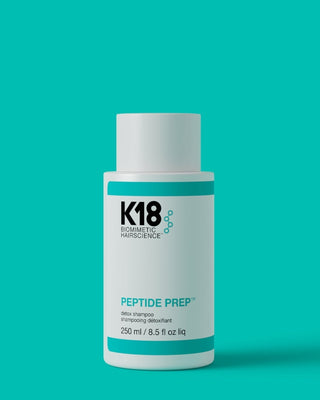
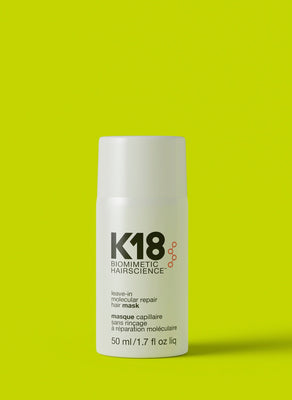
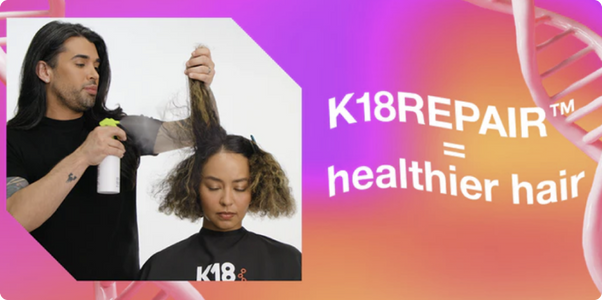
Unlike supplements that must be absorbed and travel through your bloodstream to reach hair follicles, external treatments can directly address damage to your existing hair. Molecular repair treatments can work on the hair shaft itself, smoothing damaged cuticles and strengthening weakened protein structures.
For damaged or chemically treated hair, this direct approach often delivers faster visible improvements than waiting for supplements to work their way through your system.
[collection-carousel="treatment-new"]
Which Hair Care Approaches Work Best Together
The most effective hair care strategies combine internal nutritional support with external treatments that address immediate concerns. This dual approach covers both the long-term health of new hair growth and the immediate appearance and condition of your existing hair.
Gentle cleansing and proper conditioning form the foundation of external care. Over-washing strips natural oils, while under-washing can lead to product buildup that blocks follicles. Finding the right balance for your hair type and lifestyle matters more than expensive active ingredients.
[product-feature="k18-leave-in-molecular-repair-hair-mask-5ml"]
-
Use clarifying treatments to remove buildup that might block follicles
-
Apply molecular repair treatments to strengthen existing hair
-
Protect hair from heat damage that supplements can't reverse
-
Maintain scalp health through gentle cleansing
What To Do Next For Better Hair Health
Rather than searching for the perfect supplement blend, focus on improving your body's ability to use the nutrients you're already consuming. This foundational approach delivers more reliable results than constantly switching products.
Start by evaluating your current supplement timing and combinations. Are you taking competing nutrients together? Could better absorption explain why expensive supplements aren't working? Small changes in how you take supplements often yield better results than buying different products.
[tip-text="Take iron supplements on an empty stomach and separate them from calcium by at least 2 hours for maximum absorption"]
How K18 Can Support Your Hair Goals
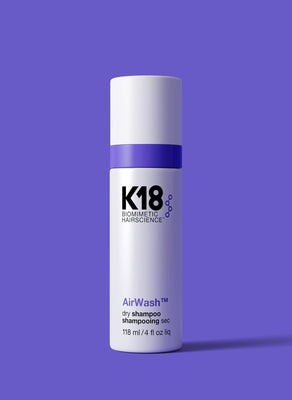
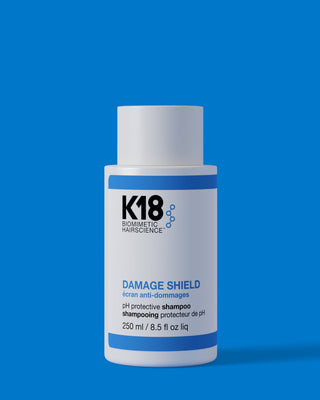
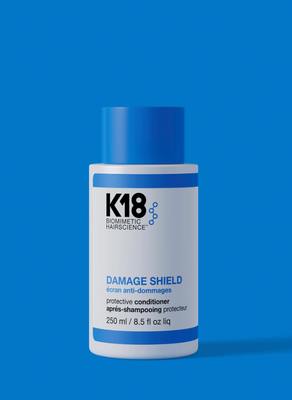
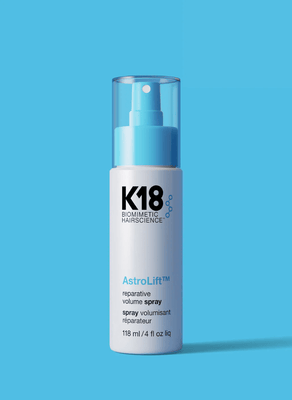
While you're optimising your internal nutrition, external molecular repair treatments can address existing damage and improve hair condition immediately. This gives you visible results while waiting for nutritional improvements to influence new hair growth.
[product-feature="k18-detox-shampoo-repair-mask-routine-bundle"]
The K18 approach focuses on repairing hair at the molecular level using biotech innovations rather than relying on superficial coatings. This scientific foundation aligns with the evidence-based thinking needed for effective supplement use.
[collection-carousel="maintainance-routine-new"]
-
Assess your current supplement absorption factors
-
Separate competing nutrients in your routine
-
Support existing hair with molecular repair treatments
-
Give nutritional changes time to influence new hair growth
-
Focus on scalp health rather than trying to "feed" hair directly
Key Takeaways About Supplement Absorption
Effective hair health requires understanding that absorption matters more than ingredient lists. Your hair cannot absorb nutrients directly, making proper supplement absorption and scalp health the real drivers of improvement.
Most supplement failures come from poor absorption rather than inadequate ingredients. Timing, combinations, gut health, and supplement form all influence how much benefit reaches your hair follicles. Addressing these factors often produces better results than buying more expensive products.
External treatments provide the most immediate path to healthier-looking hair while nutritional optimisation works on long-term follicle health. This combined approach acknowledges that hair care involves both supporting new growth and maintaining existing hair quality.
Remember that genuine hair improvement takes time. Whether through better supplement absorption or external treatments, sustainable results develop over months, not days. Focus on consistent, science-backed approaches rather than chasing quick fixes.
