
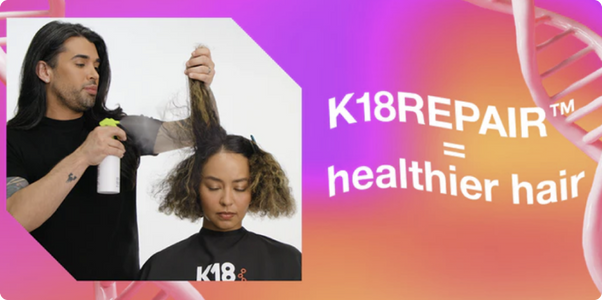
You've sworn off bleach, avoided heat styling, and yet your hair still snaps off at random lengths. Sound familiar? Hair breakage causes extend far beyond chemical damage, affecting even the most careful hair enthusiasts. Understanding why perfectly healthy-looking strands suddenly become fragile requires looking deeper than surface treatments.
Hair breakage without chemical processing often stems from mechanical stress, environmental factors, and imbalances in your hair's protein-moisture structure. The good news? Once you identify the real culprits behind your breakage, targeted solutions can restore your hair's strength and resilience.
This comprehensive guide explores the hidden causes of hair breakage and provides science-backed strategies to rebuild damaged strands from the molecular level up.
What Causes Mechanical Hair Breakage
Mechanical stress represents the most common cause of unexplained hair breakage. Your daily styling habits create repetitive tension on specific areas, gradually weakening the hair shaft until it snaps.
How Repetitive Styling Damages Hair Structure
When you tie your hair in the same position repeatedly, you create consistent stress points. These areas experience constant tension, stretching the hair cuticles and eventually causing mid-shaft breakage. Research on styling patterns confirms that repetitive tight hairstyles like ponytails, buns, and braids create repeated tension along the mid-lengths, weakening the hair structure over time. The damage accumulates over weeks and months, often appearing suddenly despite consistent care routines.
Key mechanical stressors include:
-
Tight ponytails or buns in identical positions
-
Aggressive brushing, especially when hair is wet
-
Rough towel drying that creates friction
-
Sleeping on rough pillowcases without protection
-
Constant manipulation during styling
Why Wet Hair Becomes Particularly Vulnerable
Wet hair stretches up to 50% more than dry hair, making it extremely susceptible to breakage. However, elasticity research shows that this increased stretch is actually a sign of healthy, well-hydrated hair when it returns to its original shape without breaking. The concern arises when wet hair's hydrogen bonds temporarily break down, reducing structural integrity during manipulation.
The solution involves gentle handling when hair is damp and avoiding aggressive brushing until hair reaches at least 80% dryness.
How Environmental Factors Contribute to Breakage
Your environment plays a significant role in hair health, with hard water being a particularly underestimated culprit. Mineral buildup from hard water creates a coating on hair strands that interferes with moisture absorption and makes hair brittle over time.
What Hard Water Does to Hair Structure
Hard water contains high concentrations of calcium and magnesium minerals that bind to hair proteins. While controlled studies show mixed results on tensile strength under standard conditions, industry experts consistently observe that this mineral buildup creates several problems:
-
Blocks moisture penetration into the hair shaft
-
Makes hair feel rough and tangled
-
Interferes with product performance
-
Creates an environment for increased friction and breakage
Installing a shower filter can significantly improve hair condition by removing these damaging minerals before they deposit on your strands, though the evidence is still emerging on the full extent of benefits.
How Product Buildup Weakens Hair
Certain shampoos, particularly those with heavy silicones, can create buildup that weighs hair down and prevents proper moisture balance. Silicone research indicates that non-water-soluble silicones form a coating that blocks moisture absorption. This buildup gradually makes hair more prone to breakage by disrupting the hair's natural flexibility.
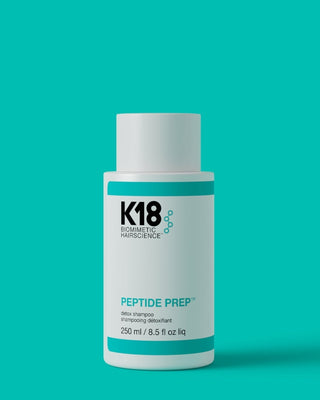
Switching to gentler, clarifying formulas helps remove accumulated residue and restore hair's natural strength.
What Role Protein and Moisture Imbalance Plays
Hair requires a delicate balance between protein and moisture to maintain flexibility and strength. Multiple studies confirm that protein provides structural strength while moisture offers elasticity and flexibility. When this balance tips too far in either direction, breakage becomes inevitable.
How Protein Overload Creates Brittle Hair
Too much protein makes hair rigid and inflexible. This often happens gradually through repeated use of protein-rich treatments or products containing coconut oil, which has a small molecular structure that can overwhelm fine hair with protein. Evidence shows that excess protein buildup reduces elasticity, causing hair to snap instead of stretch.
Signs of protein overload include:
-
Hair feels stiff or straw-like
-
Breakage occurs easily with minimal manipulation
-
Hair appears dull despite regular conditioning
-
Strands snap rather than stretch when pulled
Why Moisture Loss Leads to Fragility
Conversely, hair lacking adequate moisture becomes dry and prone to cracking. Environmental factors, frequent washing, or using products that strip natural oils can create moisture deficiency. Research confirms that frequent washing strips natural oils that moisturise hair strands, leaving hair dry and brittle with increased vulnerability to breakage.
The key lies in using lightweight, penetrating moisturisers that don't create buildup while providing essential hydration to the hair shaft.
|
Hair Condition |
Symptoms |
Primary Need
|
|---|---|---|
|
Protein Overload |
Stiff, brittle, snaps easily |
Moisture and flexibility |
|
Moisture Deficiency |
Dry, frizzy, tangles easily |
Hydration and conditioning |
|
Balanced Hair |
Soft, elastic, manageable |
Maintenance routine |
When Internal Factors Affect Hair Strength
Sometimes breakage stems from internal changes that affect hair growth and structure. These factors often require a holistic approach beyond topical treatments.
How Stress Impacts Hair Quality
Chronic stress affects scalp blood flow, reducing nutrient delivery to hair follicles. This can result in weaker hair growth and increased susceptibility to breakage. Additionally, stress hormones can alter hair texture, making previously manageable hair suddenly coarse and brittle.
Managing stress through lifestyle changes often improves hair quality over 3-6 months as new, healthier hair growth emerges.
What Nutritional Deficiencies Mean for Hair
Hair requires specific nutrients to maintain strength and elasticity. Nutritional studies show that deficiencies in iron, protein, biotin, or essential fatty acids can manifest as increased breakage, even when external care remains consistent. Iron deficiency causes dry, brittle hair, while protein deficiency results in thinning and breakage due to hair's keratin structure.
While supplements may help, addressing underlying dietary patterns typically provides more sustainable improvements.
For persistent or sudden changes in hair quality, consulting a trichologist can provide valuable insights into underlying causes and targeted solutions beyond typical salon advice.
How to Prevent Further Hair Breakage
Prevention focuses on eliminating damaging practices while supporting hair's natural structure and strength.
What Daily Habits Protect Against Breakage
Simple changes to your routine can dramatically reduce mechanical stress on hair:
-
Vary ponytail and bun positions daily
-
Use silk or satin pillowcases to reduce friction
-
Brush hair gently, starting from ends and working upward
-
Apply leave-in conditioner before any manipulation
-
Avoid brushing soaking wet hair
How Often Should You Trim Breaking Hair
Regular trims every 6-8 weeks prevent split ends from travelling up the hair shaft, which can cause mid-length breakage. However, trimming alone won't solve underlying causes like protein imbalance or mechanical stress.
Focus on addressing root causes while maintaining healthy ends through consistent trimming.
[tip-text="Always detangle hair with a wide-tooth comb or wet brush when damp, never soaking wet, to minimise breakage risk."]
What Treatments Actually Repair Damaged Hair
Effective treatments work at the molecular level to rebuild damaged bonds rather than simply coating the hair surface.
How Molecular Repair Technology Works
Advanced treatments penetrate the hair shaft to reconnect broken keratin chains. Scientific research demonstrates that keratin peptides and biomimetic peptides can interact with damaged hair keratin at the molecular level, reconnecting broken polypeptide chains and disulfide bonds to restore mechanical properties. This approach addresses damage at its source rather than temporarily masking symptoms with surface treatments.
The most effective repairs target the hair's cortex, where structural damage occurs, rebuilding strength from within.
Our elastic hair repair guide explains how over-stretched, weakened strands can regain their natural resilience through targeted molecular treatments.
[collection-carousel="treatment-new"]
What to Look for in Strengthening Products
Effective strengthening products should:
-
Penetrate rather than coat the hair shaft
-
Balance protein and moisture content
-
Be lightweight enough for regular use
-
Target specific types of damage
-
Provide cumulative benefits over time
For hair experiencing texture changes alongside breakage, our gummy hair solutions address protein damage that often accompanies unexplained breakage issues.
How to Rebuild Hair Strength Long-Term
Sustainable hair recovery requires consistent care that addresses both immediate damage and ongoing protection.
What a Comprehensive Recovery Routine Includes
Building hair strength involves layering treatments that work synergistically:
-
Gentle cleansing that removes buildup without stripping
-
Molecular repair treatments for structural damage
-
Lightweight moisture for daily protection
-
Preventive measures during styling
-
Regular assessment and routine adjustments
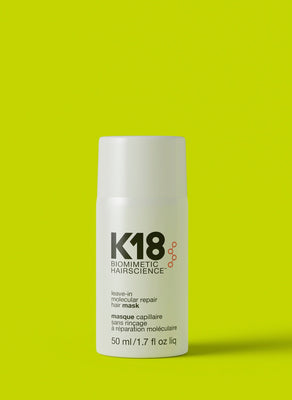
The K18 Leave-In Molecular Repair Hair Mask provides ongoing structural repair that works cumulatively to reverse damage at the molecular level.
[collection-carousel="maintainance-routine-new"]
How Long Does Hair Recovery Take
Improvement timelines vary based on damage severity and consistency of care. Surface improvements may appear within days, while structural repair typically shows progressive results over 4-8 weeks of consistent treatment.
For comprehensive recovery, the detox and repair routine bundle combines gentle cleansing with intensive molecular repair for optimal results.
|
Timeline |
Expected Changes |
Focus Areas
|
|---|---|---|
|
1-2 weeks |
Improved manageability, less tangling |
Surface smoothing, moisture balance |
|
4-6 weeks |
Reduced breakage, better elasticity |
Structural repair, bond rebuilding |
|
8-12 weeks |
Stronger hair growth, lasting results |
Long-term strength, damage prevention |
What the research says about hair breakage
Scientific evidence reveals several clear patterns about hair breakage causes and prevention:
-
Repetitive styling in the same positions consistently creates stress points that lead to mid-shaft breakage over time, regardless of chemical processing history
-
Protein and moisture balance is crucial for hair strength - both protein overload (causing brittleness) and moisture deficiency (causing dryness) lead to increased breakage
-
Nutritional deficiencies, particularly iron, protein, and biotin, directly impact hair structure and breakage resistance
-
The evidence on hard water's impact remains mixed - while mineral buildup is well-documented, controlled studies show varying results on actual tensile strength changes
-
Wet hair elasticity is complex - while wet hair stretches more, this isn't necessarily a vulnerability unless the hair fails to return to its original shape
-
Professional evaluation is recommended for persistent breakage despite proper care, as underlying health factors may be involved
What to Do Next for Breaking Hair
Taking action requires identifying your specific breakage pattern and addressing the underlying causes systematically.
How to Assess Your Hair's Current Condition
Start by examining where breakage occurs most frequently. Mid-shaft breaks suggest mechanical damage, while breakage near the roots may indicate internal factors or product buildup.
Consider recent changes in routine, stress levels, or environmental factors that might contribute to sudden brittleness.
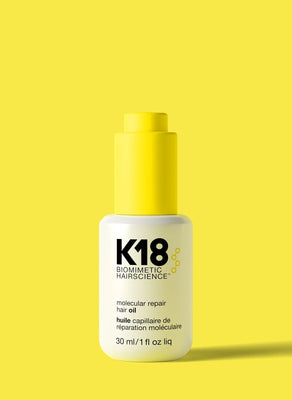
The K18 Molecular Repair Oil offers lightweight support for weakened strands while you identify and address underlying causes.
[product-feature="k18-retail-leave-in-molecular-repair-hair-mask-50ml"] [product-feature="k18-detox-shampoo-repair-mask-routine-bundle"]
When to Seek Professional Help
Persistent breakage despite consistent care may require professional evaluation. Clinical research indicates that ongoing breakage can stem from underlying health issues such as poor diet, stress, hypothyroidism, or eating disorders. Trichologists can identify these factors, along with hormonal influences or nutritional deficiencies affecting hair strength.
Consider professional consultation if you experience sudden texture changes, widespread breakage, or no improvement after 8 weeks of targeted care.
Building Resilient Hair for the Future
Understanding that hair breakage extends beyond chemical damage empowers you to address the real causes affecting your strands. Mechanical stress, environmental factors, and protein-moisture imbalances often play larger roles than expected.
The key to lasting results lies in consistent, targeted care that rebuilds hair strength at the molecular level. With patience and the right approach, even severely damaged hair can regain its natural resilience and flexibility.
Remember that hair recovery is a gradual process. Focus on preventing further damage while supporting your hair's natural repair mechanisms through science-backed treatments and gentle daily practices.
