
When you're dealing with hair fall, thinning, or damage, waiting for improvements can feel endless. Understanding the hair growth timeline helps set realistic expectations and guides you toward the most effective treatments for your specific situation.
Hair health improvements take time because your hair grows in distinct biological phases, with each strand following its own cycle of growth, rest, and renewal. Research shows that most visible improvements require at least 3-6 months of consistent care, though some changes can appear within weeks when you address underlying issues like nutritional deficiencies.
The key is matching your approach to your hair's natural rhythm while addressing both internal factors like nutrition and external factors like damage protection. This comprehensive strategy accelerates recovery and creates lasting results.
How Does The Hair Growth Cycle Work
Your hair follows a predictable three-phase cycle that determines when and how improvements become visible. Each follicle operates independently, which is why you don't lose all your hair at once.
What Are The Three Growth Phases
The anagen phase is your active growth period, lasting 2-7 years for scalp hair. During this time, hair grows approximately 1 centimetre per month. About 85-90% of your hair is in anagen at any given time.
The catagen phase is a brief transition lasting just a few weeks. The follicle shrinks and detaches from its blood supply, preparing to rest.
The telogen phase is the resting period, lasting about three months. The hair remains in place but isn't growing. New hair begins forming beneath the old strand, which eventually sheds to make room.
|
Phase |
Duration |
What Happens |
Percentage of Hair |
|---|---|---|---|
|
Anagen |
2-7 years |
Active growth |
85-90% |
|
Catagen |
2-3 weeks |
Transition and shrinkage |
1-3% |
|
Telogen |
3 months |
Rest and eventual shedding |
10-15% |
Why This Cycle Affects Improvement Timelines
When you start a new treatment or address a deficiency, only the hair currently in anagen responds immediately. Hair in catagen or telogen won't show changes until it cycles back to active growth.
This is why most treatments require 3-6 months to show visible results. You're essentially waiting for a full telogen cycle to complete, plus enough anagen growth to create noticeable length or density changes.
What Internal Factors Slow Down Hair Recovery
Before investing in topical treatments, addressing internal imbalances often produces the fastest and most dramatic improvements. Nutritional deficiencies can keep your hair in a weakened state regardless of external care.
Which Vitamin Deficiencies Affect Hair Growth Most
Vitamin D deficiency disrupts the hair cycle and can push more follicles into telogen phase prematurely. Testing and correcting low vitamin D levels may reduce hair fall within 8-12 weeks, though individual responses vary.
Iron deficiency, particularly in women, directly impacts hair growth speed and can cause diffuse thinning. Ferritin levels below 70 ng/mL often correlate with hair concerns, even when other iron markers appear normal.
B12 deficiency affects cell division and can slow hair growth significantly. Vegetarians and people over 50 are at higher risk, though the timeline for improvement varies widely between individuals.
-
Get comprehensive testing for vitamin D, B12, folate, and iron panels
-
Work with your GP to address deficiencies with appropriate doses
-
Retest after 3 months to track progress
-
Consider that hair improvements often lag behind blood marker improvements
How Protein Intake Affects Hair Structure
Hair is primarily keratin protein, so inadequate protein intake directly impacts hair quality and growth rate. Aim for 0.8-1.2 grams per kilogram of body weight daily from quality sources.
Protein deficiency shows up as brittle, thin hair that breaks easily rather than growing to length. Increasing protein intake often improves hair texture within 6-8 weeks, though length gains take longer.
What External Treatments Work And How Long They Take
Once internal factors are optimised, external treatments can significantly accelerate improvements and protect existing hair from further damage.
How Effective Are Natural Oil Treatments
Regular oiling with coconut oil, often combined with rosemary or castor oil, consistently shows positive results for hair thickness and reduced breakage. The key is consistency rather than frequency.
Weekly oil treatments applied to the scalp and left for several hours before washing can improve hair texture within 4-6 weeks. Some people notice new baby hairs appearing around the hairline after 2-3 months of consistent use.
Rosemary oil specifically has some research supporting its potential for androgenetic alopecia when used consistently, though larger studies are needed to confirm its effectiveness. The improvement timeline typically follows this pattern:
-
Weeks 1-4: Reduced hair fall during washing and styling
-
Months 2-3: Improved hair texture and shine
-
Months 4-6: Possible new hair growth in responsive individuals
-
Months 6+: Continued density improvements with sustained use
What About Pharmaceutical Options Like Minoxidil
Minoxidil can halt hair fall and stimulate regrowth, but requires realistic expectations about timelines and commitment. Most people see reduced shedding within 2-4 weeks, but regrowth takes 3-6 months to become visible.
The initial shedding phase with minoxidil can be discouraging, as weak hairs are pushed out to make room for stronger growth. This temporary increase in hair fall typically lasts several weeks before improvements become apparent, though the duration varies between individuals.
Long-term results depend on consistent daily use, and benefits typically plateau after 12-18 months. Combining minoxidil with finasteride under medical supervision may enhance results for androgenetic alopecia, with studies showing superior outcomes compared to either treatment alone.
For comprehensive hair recovery, consider exploring targeted repair treatments for damaged hair that work at the molecular level to strengthen weakened strands while you address underlying causes.
[tip-text="Consistency beats intensity when it comes to hair treatments. A simple routine followed religiously for 6 months typically outperforms complex regimens abandoned after a few weeks."]
How Lifestyle Factors Impact Recovery Speed
Beyond nutrition and topical treatments, lifestyle modifications can significantly accelerate hair improvements and help maintain long-term results.
Why Exercise Supports Hair Growth
Regular exercise improves scalp circulation, which enhances nutrient delivery to hair follicles. This effect synergises well with topical treatments like minoxidil or oil applications.
Exercise also helps manage stress hormones that can disrupt the hair cycle. High cortisol levels push more follicles into telogen phase, leading to increased shedding 2-3 months later.
The hair benefits of exercise become noticeable within 8-12 weeks of consistent activity, particularly when combined with other hair-supporting practices.
How Sleep And Stress Affect Hair Recovery
Poor sleep disrupts growth hormone production, which directly impacts hair growth rate. Most cellular repair, including hair follicle regeneration, occurs during deep sleep phases.
Chronic stress creates a cascade of hormonal changes that can trigger temporary hair loss conditions like telogen effluvium. Managing stress through meditation, adequate sleep, or professional support often reduces hair fall within 6-8 weeks.
-
Aim for 7-9 hours of quality sleep nightly
-
Practice stress management techniques consistently
-
Maintain regular exercise that you enjoy
-
Consider that stress-related hair loss often has a 2-3 month delay
When Should You Expect To See Different Types of Improvements
Understanding specific timelines for different types of improvements helps you stay motivated and adjust your approach when needed.
What Changes Appear First
Reduced hair fall is typically the first improvement you'll notice, often within 2-4 weeks of addressing deficiencies or starting effective treatments. You'll see fewer hairs in your brush, shower drain, and on your pillowcase.
Improved hair texture and shine usually follow within 4-8 weeks as existing hair becomes healthier. This includes reduced breakage, better manageability, and enhanced natural shine.
What Takes Longer To Develop
New hair growth requires the most patience, typically becoming visible after 3-4 months of consistent treatment. Initial regrowth often appears as fine, short hairs around the hairline or crown.
Significant length and density improvements require 6-12 months of sustained effort. This timeline reflects the natural hair growth rate of approximately 1 centimetre per month combined with the time needed for new follicles to mature.
|
Improvement Type |
Timeline |
What You'll Notice |
|---|---|---|
|
Reduced shedding |
2-4 weeks |
Less hair in brush and drain |
|
Better texture |
4-8 weeks |
Stronger, shinier, more manageable hair |
|
New growth |
3-4 months |
Baby hairs at hairline and crown |
|
Length/density gains |
6-12 months |
Noticeable thickness and length |
How To Accelerate Your Hair Recovery Timeline
While you can't rush biology, certain strategies can optimise your hair's natural recovery process and help you see improvements sooner.
What Combination Approaches Work Best
Addressing multiple factors simultaneously often produces faster results than focusing on just one treatment. The most effective approaches combine internal optimisation with external support.
Start with testing and correcting any nutritional deficiencies while implementing a consistent external routine. This two-pronged approach often produces visible improvements within 6-8 weeks rather than the typical 12-16 weeks.
For damaged or chemically-treated hair, incorporating damage reversal treatments can dramatically improve hair quality while supporting new growth.
Which Mistakes Slow Down Progress
Switching treatments too frequently prevents you from seeing their full potential. Most treatments require at least 12 weeks of consistent use before you can accurately assess their effectiveness.
Over-processing hair with heat, chemicals, or aggressive styling during recovery significantly slows progress. Protective styling and gentle handling are crucial during the rebuilding phase.
-
Stick with chosen treatments for at least 3 months before making changes
-
Minimise heat styling and chemical processing during recovery
-
Take progress photos monthly rather than relying on daily observations
-
Address stress and sleep issues alongside topical treatments
[collection-carousel="treatment-new"]
What To Do If You're Not Seeing Expected Improvements
If you've been consistent with treatments for 4-6 months without noticeable improvements, it's time to reassess your approach and consider additional factors.
When Should You Adjust Your Strategy
Re-evaluate your nutritional status if improvements plateau after initial progress. Sometimes multiple deficiencies need addressing, or absorption issues require different supplementation approaches.
Consider underlying hormonal factors if topical treatments aren't producing expected results. Thyroid disorders, PCOS, or hormonal imbalances can override external treatments and may require medical evaluation.
For persistent hair concerns, exploring structural hair damage repair can address underlying weaknesses that prevent normal growth and recovery.
What Professional Support Might Help
Dermatologists specialising in hair disorders can identify conditions like alopecia areata or scarring alopecia that require specific medical treatment rather than general growth-supporting measures.
Trichologists can perform detailed scalp analysis and identify factors like product buildup, inflammatory conditions, or mechanical damage that might be slowing recovery.
[collection-carousel="maintainance-routine-new"]
What the evidence shows about hair recovery timelines
Understanding what scientific research tells us about hair recovery helps set realistic expectations and choose evidence-based approaches.
-
Most treatments require patience: Studies consistently show that visible hair improvements typically emerge at the 3-6 month mark, aligning with natural hair cycle phases
-
Combination approaches work better: Research demonstrates that combining treatments like minoxidil with finasteride produces superior results compared to single therapies
-
Stress effects are real but delayed: Evidence confirms that high cortisol from chronic stress can trigger hair loss, with shedding appearing 2-3 months after the stressor
-
Nutritional deficiencies have variable recovery times: While vitamin D correction may help some people within 8-12 weeks, individual responses to nutritional supplementation vary significantly
-
Early improvements focus on quality, not quantity: The first changes you'll notice are typically reduced shedding and improved texture, with new growth taking considerably longer
How K18 Can Support Your Hair Recovery Journey
While internal factors like nutrition and lifestyle form the foundation of hair health, targeted molecular repair can dramatically accelerate your recovery timeline and protect your progress.
The K18 Repair Bundle provides comprehensive support for damaged hair, working at the molecular level to rebuild broken keratin chains while you address underlying causes of hair concerns.
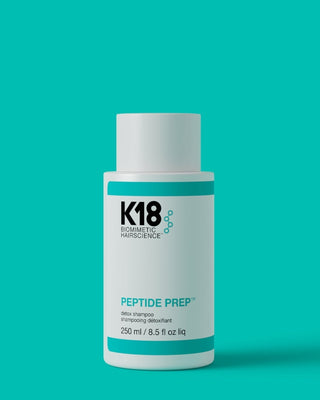
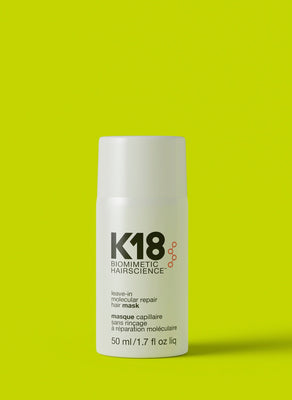
For a complete recovery protocol, the Detox Shampoo and Repair Mask routine removes buildup that can impede growth while delivering targeted repair to strengthen each strand from within.
[product-feature="k18-repair-bundle"]
Starting your recovery journey is simple with the Prep and Repair At-Home Duo, which provides the essential molecular repair foundation while you implement nutritional and lifestyle improvements.
[product-feature="k18-prep-repair-at-home-duo"]
Creating Realistic Expectations For Long-Term Success
Sustainable hair improvements require both patience and consistency. Understanding that hair recovery is a gradual process helps you stay committed during the initial phases when changes aren't yet visible.
Most people see their best results between 6-12 months of comprehensive care. This timeline allows for complete hair cycle turnover and gives new, healthier hair time to replace damaged strands.
The investment in proper hair recovery pays dividends in long-term hair health, reduced styling damage, and decreased need for corrective treatments. Building healthy habits now creates a foundation for maintaining strong hair throughout life.
Remember that hair health is an ongoing journey rather than a destination. Maintaining the practices that created improvements ensures lasting results and helps prevent future damage or loss.
