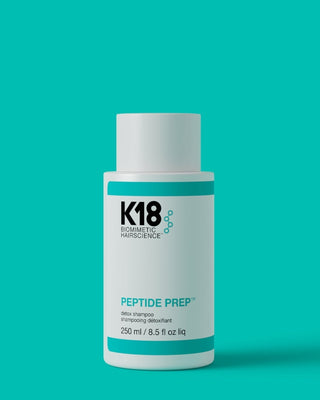
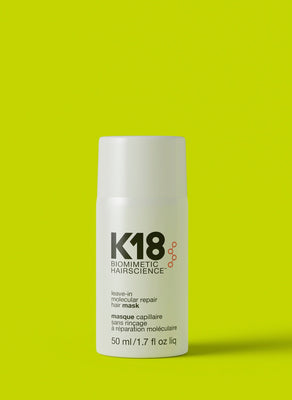
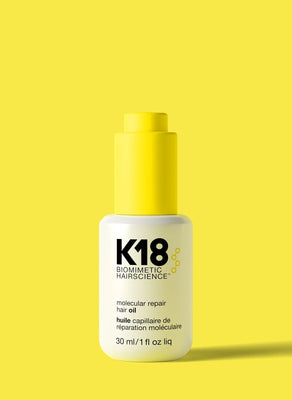
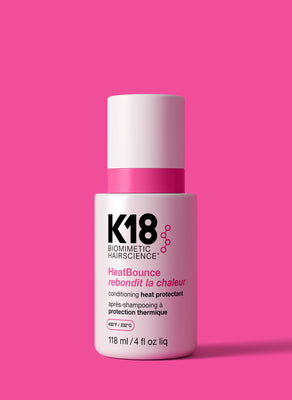
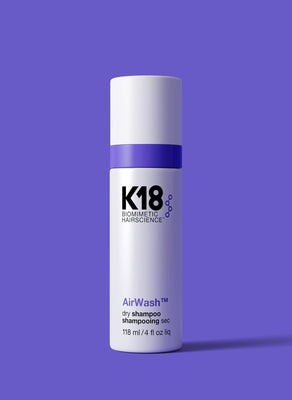
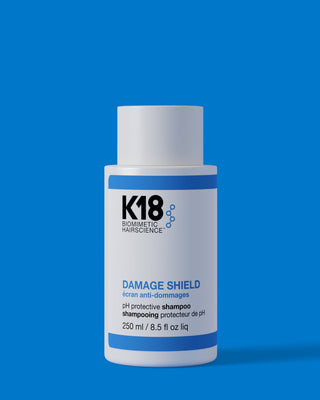
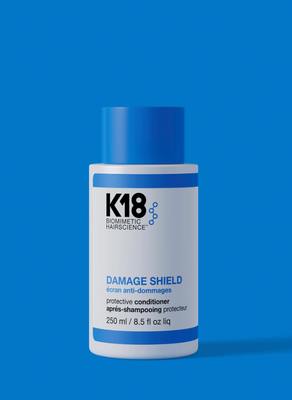
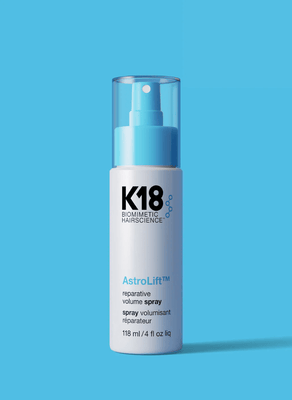




hair like new, powered by biotech / science-backed / stylist-trusted / client-loved /
THE 60-SECOND POROSITY TEST
How thirsty is your hair, really?
Answer six quick questions and we'll read your hair's porosity - how easily it takes moisture in, and how well it holds onto it - then match you to the right K18 routine.
In the shower, how does your hair take to water?
Once you're out, how long does it take to air-dry?
How does it behave with products (masks, oils, leave-ins)?
What's your colour and heat history?
Run your fingers up a strand, from tip to root. How does it feel?
Day to day, what's your hair's mood?
YOUR RESULT
low
Your hair is low porosity
What it means: Your cuticle lies flat and tight, so moisture takes its time getting in - and once product is on, it tends to sit on the surface. Low-porosity hair is often strong and healthy, but it can feel coated, look flat, or take an age to dry.
What your hair wants: Lightweight, water-based moisture. A little warmth to help things absorb (apply to damp hair, or pop on a warm towel). And regular clarifying, so buildup doesn't block whatever you put on next.
Go easy on: Heavy oils, butters and thick creams that sit on top, and piling on protein it can't take in.
YOUR RESULT
balanced
Your hair is balanced porosity
What it means: This is the sweet spot. Your cuticle opens and closes just enough to take moisture in and hold onto it, so hair feels elastic, holds shine and style, and is generally low-drama. The job now is keeping it there.
What your hair wants: Consistency over intensity - a weekly repair reset - and protection from the things that tip hair into high porosity (bleach, heat, rough handling).
Go easy on: Over-processing and skipping heat protection. That's usually how balanced hair slides into high porosity.
YOUR RESULT
high
Your hair is high porosity
What it means: Your cuticle is raised or has gaps - usually from colour, bleach, heat or chemical services, though sometimes it's simply your natural texture. Hair soaks up water and product fast, then loses moisture just as fast, so it can feel dry, frizzy and tangly, and it's more prone to snapping. This is exactly where bond repair earns its place.
What your hair wants: Rebuild the fibre from the inside, then seal the moisture in. Bond and keratin repair to fill the gaps, oils and leave-ins to lock it down, plus gentler handling and heat protection.
Go easy on: Heat without protection, aggressive brushing, and over-washing.