
If you're considering going blonde or lightening your hair, you've probably wondered whether bleaching hair causes damage. The short answer is yes - bleaching does cause damage to your hair strands. But the full picture is more nuanced than a simple yes or no.
Bleaching works by using chemicals to strip pigment from your hair shaft, fundamentally altering its structure in the process. This chemical reaction makes your hair more porous and vulnerable, but it doesn't doom you to a lifetime of damaged locks. Understanding exactly what happens during bleaching - and what you can do about it - helps you make informed decisions about your hair goals.
The damage from bleaching is real, but it's also manageable with the right approach. Whether you're planning your first bleach session or dealing with already lightened hair, knowing the science behind the damage gives you the power to minimise harm and maximise your hair's health potential.
What Happens to Hair During the Bleaching Process
Bleaching fundamentally changes your hair's internal structure through a process called oxidation. The bleach chemicals open up your hair's protective cuticle layer - think of it as forcing open the scales that protect your hair shaft. Once this outer barrier is compromised, the bleach penetrates deeper into the cortex, where your hair's pigment lives.
How Chemical Oxidation Breaks Down Hair Proteins
Inside your hair cortex, bleach doesn't just remove colour - it breaks down the protein chains that give your hair its strength and elasticity. These proteins, primarily keratin, form the structural foundation of each strand. When bleach disrupts these protein bonds, your hair loses its natural resilience and becomes more fragile.
The oxidation process also increases your hair's porosity dramatically. Imagine your hair shaft like a sponge that's been stretched - it can absorb moisture quickly but also loses it just as fast. This explains why bleached hair often feels dry and looks dull, even immediately after treatment.
Why Bleached Hair Feels Different
You'll notice several immediate changes after bleaching that reflect this structural damage:
-
Hair feels rougher and more tangled due to raised cuticles
-
Strands stretch more easily when wet, indicating weakened protein structure
-
Hair appears more porous and absorbs products differently
-
Natural shine diminishes because light scatters off the damaged cuticle surface
These changes aren't just cosmetic - they signal real alterations to your hair's molecular structure that affect how it behaves and how you need to care for it going forward.
Is Bleach Damage Permanent or Reversible
Here's the crucial distinction many people miss - bleach damage affects only the hair strands that have been treated, not your hair follicles or future growth. The damage to existing hair is permanent because hair is essentially dead tissue once it emerges from your scalp. You can't reverse the chemical changes that bleaching creates.
Why New Hair Growth Remains Unaffected
Your hair follicles, buried safely in your scalp, remain completely unaffected by surface bleaching treatments. Each new strand that grows from these follicles will have the same healthy structure as your pre-bleach hair. The damaged portions won't "travel" upward to affect new growth, despite common misconceptions.
This means that bleach damage has a built-in expiration date. As your hair grows approximately 1.25 centimetres per month, you're constantly producing fresh, undamaged hair. The key is managing the damaged portions while you wait for healthy regrowth.
Managing Damaged Hair Until It Grows Out
While you can't reverse bleach damage, you can significantly improve how damaged hair looks and feels. The goal shifts from repair to reinforcement and protection. Professional treatments and targeted products can help rebuild some structural integrity and smooth the hair's surface.
Regular trims become essential because damage can worsen over time if left unchecked. Split ends and breakage points act as weak spots that can travel up the hair shaft, so removing them prevents further deterioration of your existing length.
Which Bleaching Approaches Cause More or Less Damage
Not all bleaching experiences are equal when it comes to damage levels. The technique, products used, and your hair's starting condition all influence how much harm occurs during the lightening process.
Professional Versus DIY Bleaching Damage Comparison
|
Factor |
Professional Treatment |
DIY Approach
|
|---|---|---|
|
Chemical strength control |
Customised to hair type and goals |
One-size-fits-all formulation |
|
Processing time accuracy |
Expert monitoring prevents over-processing |
Guesswork often leads to leaving bleach on too long |
|
Application technique |
Even distribution minimises hot spots |
Uneven application creates damage variations |
|
Pre-treatment options |
Bond-building treatments applied beforehand |
Limited access to professional pre-treatments |
Professional colourists can assess your hair's condition and adjust their approach accordingly. They might use lower volumes of developer, apply protective treatments during processing, or recommend alternative techniques to achieve your desired result with less damage.
Why Platinum Blonde Requires Extreme Commitment
Achieving platinum blonde represents the most damaging end of the bleaching spectrum. This level of lightness typically requires multiple sessions and lifting your hair 7-8 levels from its natural colour. The extensive chemical processing needed creates significant structural damage.
Platinum maintenance also demands ongoing root touch-ups every 6 weeks to prevent obvious regrowth lines. Each touch-up session involves more bleaching, creating a cycle of repeated chemical exposure. The financial and time investment is substantial, and the risk of breakage remains constantly elevated.
Heavy Highlights as a Damage-Reduction Strategy
Strategic highlighting offers a middle ground between full bleaching and natural colour. This technique lightens substantial portions of your hair while leaving some strands untreated, creating natural-looking dimension with less overall damage.
Benefits of heavy highlighting include:
-
Reduced chemical exposure across your entire head
-
Softer regrowth lines that require less frequent maintenance
-
Ability to achieve significant colour change without full commitment
-
Option to gradually increase highlight density over multiple sessions
How to Minimise Damage Before and During Bleaching
While bleaching will always cause some damage, strategic preparation and technique choices can significantly reduce the severity. The key is strengthening your hair before chemical processing and protecting it during the procedure.
Pre-Bleaching Hair Preparation Strategies
Your hair's condition before bleaching dramatically influences how much damage occurs. Healthy, well-moisturised hair withstands chemical processing better than already compromised strands. Consider these preparation steps:
-
Deep condition weekly for 2-4 weeks before your appointment
-
Avoid washing hair 24-48 hours before bleaching to preserve natural oils
-
Minimise heat styling in the weeks leading up to treatment
-
Consider professional bond-building treatments as pre-care
The natural oils on your scalp and hair provide some protection during chemical processing. Freshly washed hair is more vulnerable because these protective oils have been stripped away.
What Professional Techniques Reduce Damage Risk
Experienced colourists employ several damage-reduction techniques that aren't available in home bleaching kits. These methods help achieve lightening goals while preserving as much hair integrity as possible.
Professional approaches include using lower developer volumes for longer processing times, applying bleach in strategic sections to prevent over-processing, and incorporating bond-building treatments directly into the bleach mixture. Some salons also offer pre-lightening treatments that prepare the hair shaft for chemical processing.
[tip-text="Professional colourists can assess your hair's porosity and damage level before treatment, adjusting their technique to match your hair's specific needs and minimise unnecessary harm."]
What Post-Bleaching Care Actually Works
Once you've bleached your hair, your care routine needs to shift dramatically. Bleached hair requires different products, techniques, and expectations than virgin hair. Understanding how to care for lightened strands makes the difference between manageable, healthy-looking hair and brittle, breaking locks.
Why Bond-Repair Products Make a Real Difference
Bond-repair treatments work by targeting the broken protein connections within your hair shaft. These products contain ingredients that can temporarily rebuild some of the structural damage caused by bleaching, improving hair's strength and elasticity.
The most effective treatments penetrate deep into the hair cortex rather than just coating the surface. They work best when used consistently as part of your regular routine, not just as occasional rescue treatments. Many people notice improvements in hair texture, reduced breakage, and better moisture retention with regular use.
[collection-carousel="treatment-new"]
Heat Styling Precautions for Bleached Hair
Bleached hair becomes exponentially more vulnerable to heat damage. The already compromised protein structure can't withstand high temperatures the way healthy hair can. This doesn't mean you must avoid heat styling entirely, but it does require more careful approach.
Essential heat protection strategies include:
-
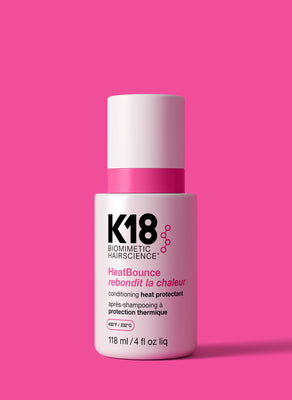
Always use heat protectant products before styling
-
Lower your tool temperatures by 20-30 degrees from your pre-bleach settings
-
Reduce styling frequency when possible
-
Focus on protective styles that minimise daily heat exposure
Some people find that embracing air-drying and heat-free styling methods helps their bleached hair maintain better condition over time. This approach significantly reduces the risk of compounding chemical damage with thermal damage.
When Bleach Damage Becomes Concerning
While some damage is expected with bleaching, certain warning signs indicate that your hair needs immediate attention or professional intervention. Recognising these red flags helps you address problems before they become irreversible.
Normal Versus Problematic Bleach Effects
Expected changes after bleaching include increased dryness, slight texture changes, and more fragile-feeling hair. These effects, while noticeable, shouldn't dramatically impact your daily routine or cause significant breakage during normal handling.
Concerning symptoms that require immediate attention include:
-
Hair that breaks off in large sections during washing or brushing
-
Hair that feels gummy or dissolves when wet
-
Extensive breakage at the root level
-
Hair that won't hold any moisture despite deep conditioning
How Other Damage Sources Complicate Bleach Effects
Sometimes what appears to be bleach damage actually results from multiple stressors working together. Heat styling, aggressive brushing, environmental exposure, and even natural aging can compound the effects of chemical processing.
If you notice significant damage but have been careful with your bleached hair care, consider other contributing factors. Poor brushing technique, excessive sun exposure, chlorine damage, or using incompatible products can all worsen the appearance of chemically processed hair.
What to Do if Your Hair Is Already Bleach-Damaged
If you're dealing with existing bleach damage, your priority shifts to damage control and strategic recovery. The good news is that even significantly damaged hair can be improved with the right approach and products.
Immediate Damage Control Steps
Start with gentle handling and protective measures. Switch to sulfate-free shampoos, reduce washing frequency, and eliminate unnecessary chemical treatments until your hair stabilises. Focus on adding moisture and protein back into your routine gradually.
Consider these immediate interventions:
-
Schedule a consultation with a professional colourist to assess the damage level
-
Implement weekly deep conditioning treatments
-
Trim away the most damaged sections to prevent further splitting
-
Invest in high-quality bond-repair treatments for ongoing maintenance
[collection-carousel="maintainance-routine-new"]
Building a Recovery-Focused Hair Routine
Recovery from significant bleach damage requires patience and consistency. Your new routine should focus on gentle cleansing, intensive moisture replacement, and protein reconstruction. Targeted treatments that work at the molecular level can help rebuild some of the structural integrity lost during bleaching.
The most effective recovery routines combine multiple approaches - protective styling, minimal heat exposure, regular professional treatments, and high-quality home care products. Expect gradual improvements over several months rather than immediate transformation.
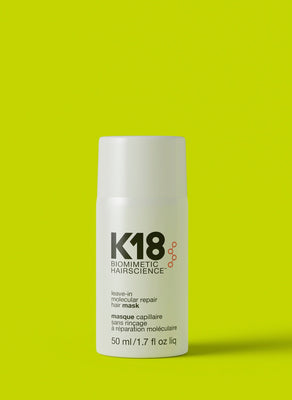
[product-feature="k18-retail-leave-in-molecular-repair-hair-mask-50ml"]
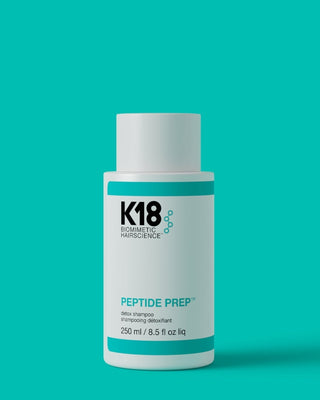
[product-feature="k18-detox-shampoo-repair-mask-routine-bundle"]
Remember that some damage may require cutting away the most compromised sections. This isn't failure - it's strategic hair health management that allows your new growth to flourish while removing the weakest points that could continue breaking.
Making Informed Decisions About Bleaching
Understanding that bleaching causes damage shouldn't automatically rule it out as an option. Instead, this knowledge should inform your decision-making process and help you weigh the trade-offs involved in chemical hair lightening.
Questions to Ask Yourself Before Bleaching
Consider your lifestyle, maintenance commitment, and hair goals honestly. Are you prepared for more intensive daily care routines? Can you afford regular professional maintenance appointments? Do you have realistic expectations about processing time and potential damage?
Factor in your hair's current condition, your styling habits, and your long-term colour goals. Someone who rarely uses heat tools and is committed to careful hair care might handle bleach damage better than someone with a high-maintenance styling routine.
Your professional colourist should discuss these considerations with you during consultation. They can assess your hair's structure, recommend alternatives if bleaching seems too risky, and help you understand the realistic timeline and commitment involved in your desired look.
Whether you choose to proceed with bleaching or explore alternative options, protecting your hair's long-term health should remain the priority. Damaged hair can be beautiful and manageable with proper care, but preventing unnecessary damage is always preferable to trying to repair it afterwards.
