
Bleaching hair can transform your look dramatically, but it's also one of the most chemically aggressive processes your hair can endure. The quest for platinum blonde or vibrant fashion colours often comes with a price - weakened strands, increased breakage, and that unmistakable straw-like texture that screams "over-processed."
Understanding how to prevent hair damage from bleaching isn't just about avoiding disaster; it's about achieving your colour goals whilst keeping your hair healthy enough to style, maintain, and enjoy long-term. The good news is that with the right preparation, professional guidance, and aftercare routine, you can minimise bleach damage significantly.
This comprehensive guide breaks down the science behind bleach damage, explores proven prevention strategies, and provides practical steps to protect your hair before, during, and after the lightening process.
What Happens When You Bleach Hair
Bleaching works by breaking down the melanin pigments in your hair shaft, but this process inevitably affects the hair's structural integrity. The chemical reaction opens the hair cuticle and penetrates deep into the cortex, where it oxidises colour molecules.
This process makes hair significantly more porous, meaning it loses moisture faster and becomes more vulnerable to environmental damage. Your hair's natural protective barrier is compromised, leaving it exposed to UV rays, chlorine, salt water, and everyday styling damage.
Why Some Hair Handles Bleaching Better Than Others
Virgin hair typically responds better to bleaching than previously processed hair because its structure hasn't been compromised by prior chemical treatments. Hair texture and density also play crucial roles - fine hair may lighten faster but is more prone to breakage, whilst coarse hair might require multiple sessions but can handle the process more robustly.
The condition of your hair before bleaching determines much of the outcome. Hair that's already damaged from heat styling, environmental exposure, or chemical processing has less structural integrity to withstand the bleaching process.
How To Choose The Right Professional Colorist
The most critical factor in preventing bleach damage is selecting an experienced colorist who understands lightening chemistry and uses high-quality products. This decision can make the difference between achieving your desired result safely and experiencing irreversible damage.
What To Look For In A Bleaching Specialist
-
Portfolio showing successful lightening transformations on hair similar to yours
-
Use of bond-building treatments during the lightening process
-
Willingness to discuss realistic timelines for your colour goals
-
Professional-grade lighteners rather than box bleach products
-
Understanding of your hair's limits and ability to say no when necessary
Many successful bleaching experiences involve colorists who use protective treatments like bond builders throughout the process. These products work by reconnecting broken disulfide bonds in the hair, significantly reducing damage during chemical processing.
Your colorist should also assess whether your desired result is achievable in one session or requires multiple appointments spaced weeks apart. Rushing the process is one of the primary causes of severe bleach damage.
Which Pre-Bleaching Treatments Actually Work
Preparing your hair before bleaching can significantly impact the health of your strands post-process. The goal is to strengthen your hair's structure and create a protective barrier against chemical damage.
Deep Conditioning And Protein Treatments
Intensive conditioning treatments in the weeks leading up to bleaching help ensure your hair is in optimal condition. Focus on moisture-rich treatments that penetrate the hair shaft rather than just coating the surface.
However, avoid heavy protein treatments immediately before bleaching, as over-proteinated hair can become brittle and more prone to breakage during chemical processing. The ideal approach is balanced hydration that strengthens without creating rigidity.
Natural Oil Pre-Treatments
Coconut oil applied several hours before bleaching may provide some protective benefits. The oil can penetrate the hair shaft and create a barrier that slightly reduces chemical penetration, though this also means the bleaching process may take longer.
Apply coconut oil from mid-length to ends, avoiding the roots where you want maximum lightening effect. This technique is particularly useful for protecting the most fragile parts of your hair - the ends that have been exposed to damage for the longest time.
|
Pre-Treatment Method |
Best For |
Timing |
Expected Benefit
|
|---|---|---|---|
|
Deep conditioning mask |
All hair types |
1-2 weeks before |
Improved elasticity and moisture |
|
Coconut oil treatment |
Medium to coarse hair |
2-4 hours before |
Protective barrier, reduced dryness |
|
Bond-building treatment |
Previously damaged hair |
During bleaching session |
Structural protection, less breakage |
What To Expect During The Bleaching Process
Understanding what happens during professional bleaching helps you advocate for your hair's health and recognise when something isn't going according to plan.
Professional Bleaching Techniques That Minimise Damage
Skilled colorists use techniques like foiling, balayage, or sectioning to control bleach application and processing time. They monitor your hair's response throughout the process, adjusting timing and technique as needed.
Quality lighteners work more efficiently and cause less damage than budget alternatives. Professional products often include conditioning agents and pH balancers that help protect the hair during processing.
The colorist should be checking your hair regularly, assessing both the lightening progress and the hair's condition. If your hair shows signs of excessive damage - such as gummy texture or unusual stretching - a professional will stop the process even if the desired lightness hasn't been achieved.
When To Speak Up During Your Appointment
Communicate immediately if you experience unusual burning, stinging, or discomfort beyond normal mild tingling. Your scalp health is crucial, and allergic reactions or chemical burns can cause permanent damage.
If you have protein sensitivities or have had reactions to hair products in the past, discuss this before the appointment begins. Your colorist may need to adjust their product selection or perform a strand test.
How To Care For Hair Immediately After Bleaching
The first 48-72 hours after bleaching are critical for your hair's recovery. Your hair cuticles remain elevated and vulnerable, making this period crucial for damage prevention.
Essential Post-Bleach Hair Care Steps
-
Avoid washing for at least 24-48 hours to allow cuticles to settle
-
Use lukewarm water instead of hot when you do wash
-
Apply leave-in treatments immediately after towel-drying
-
Sleep on silk or satin pillowcases to reduce friction
-
Avoid heat styling for the first week if possible
Deep conditioning treatments become essential in your routine, but the type matters. Look for treatments that focus on moisture replenishment rather than heavy proteins, which can make bleached hair feel brittle.
Your hair's porosity has increased dramatically, meaning it will absorb products quickly but also lose moisture rapidly. This is why frequent, gentle conditioning becomes more important than intensive weekly treatments.
Managing Colour Application After Bleaching
If you're planning to apply colour after bleaching, timing matters. Semi-permanent colours can often be applied immediately, but your hair's new porosity means colours may grab differently than expected.
Vegetable-based dyes tend to be gentler on freshly bleached hair than chemical colours. However, monitor your hair's condition closely - if it feels excessively dry or shows signs of breakage, postpone colouring until you've restored some strength.
Which Products Help Prevent Ongoing Damage
Bleached hair requires a completely different care routine than virgin hair. The key is supporting your hair's compromised structure whilst avoiding ingredients that could cause further damage.
Ingredients To Seek Out
Look for products containing amino acids, peptides, and ceramides that can help rebuild damaged areas of the hair shaft. These molecules are small enough to penetrate bleached hair's increased porosity and provide structural support.
Molecular repair technologies represent the cutting edge of damaged hair treatment. These treatments work at the cellular level to reconnect broken bonds and restore hair's natural strength and elasticity.
What To Avoid In Your Hair Care Routine
Sulfates become your enemy after bleaching. These harsh detergents can strip away what little natural oil your hair produces and exacerbate dryness and colour fading.
-
Sulfate-based shampoos that over-cleanse
-
Alcohol-heavy styling products that cause dryness
-
Excessive heat styling above 150°C
-
Tight hairstyles that create tension on weakened strands
-
Over-washing - aim for 2-3 times per week maximum
Consider co-washing (conditioner-only washing) between shampoo sessions to maintain cleanliness without over-stripping your hair. This technique helps preserve moisture whilst removing styling product buildup.
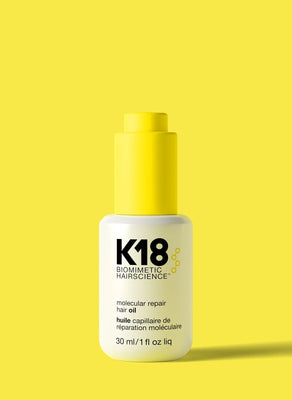
When it comes to restoring severely damaged hair, molecular-level repair treatments can make a dramatic difference in texture and manageability.
[collection-carousel="treatment-new"]
How To Protect Bleached Hair From Environmental Damage
Bleached hair's increased porosity makes it significantly more vulnerable to environmental stressors that wouldn't normally cause problems. Sun exposure, chlorine, salt water, and pollution can all cause additional damage to compromised hair.
UV Protection For Lightened Hair
UV rays can cause bleached hair to become brassy, dry, and brittle. Use products with UV filters when spending time outdoors, or wear protective covering like hats or scarves.
The sun can also fade freshly applied colours much faster on bleached hair, so protection becomes doubly important if you've added fashion colours after lightening.
Swimming And Chlorine Exposure
Chlorine is particularly damaging to bleached hair because it can cause unwanted colour shifts (especially green tones in blonde hair) and increased dryness. Always wet your hair with fresh water before swimming and apply a protective leave-in treatment.
After swimming, rinse immediately with fresh water and apply a moisturising treatment to counteract chlorine's drying effects.
For comprehensive strategies on avoiding accidental damage, explore daily habits that can compromise hair health and how to modify them for bleached hair.
When To Seek Professional Help For Bleach Damage
Sometimes despite best efforts, bleach damage becomes severe enough to require professional intervention. Recognising these warning signs early can prevent irreversible hair loss.
Signs Your Hair Needs Professional Treatment
-
Hair that stretches significantly when wet and doesn't return to normal length
-
Breakage that continues weeks after the bleaching process
-
Hair that feels gummy or mushy when wet
-
Excessive tangling that wasn't present before bleaching
-
Scalp irritation, itching, or unusual sensitivity that persists
Professional treatments can include intensive protein treatments, reconstructive therapies, and in severe cases, recommendations for protective cutting to remove the most damaged sections.
Understanding The Limits Of Damage Repair
Whilst modern treatments can dramatically improve the feel and appearance of damaged hair, some changes from bleaching are permanent. Hair that has been severely over-processed may never return to its original texture or strength.
This reality underscores the importance of prevention over correction. Taking time to properly prepare, choosing skilled professionals, and maintaining realistic expectations about timelines can prevent most severe damage scenarios.
For targeted solutions to persistent damage, specialised repair treatments offer molecular-level intervention that can restore much of your hair's functionality.
How To Maintain Long-Term Hair Health After Bleaching
Successfully preventing bleach damage extends far beyond the initial lightening process. Long-term hair health requires consistent care and realistic expectations about what your newly bleached hair can handle.
Developing A Sustainable Hair Care Routine
Bleached hair benefits from consistent moisture replacement and gentle handling. This means rethinking your entire approach to styling, washing, and protecting your hair.
Regular protein treatments become important for maintaining structural integrity, but balance is key. Too much protein can make bleached hair brittle, whilst too little leaves it weak and prone to breakage.
|
Hair Care Step |
Frequency for Bleached Hair |
Key Considerations
|
|---|---|---|
|
Washing |
2-3 times per week |
Use sulfate-free, gentle formulas |
|
Deep conditioning |
Weekly |
Focus on moisture over protein |
|
Protein treatments |
Monthly |
Monitor hair response, adjust as needed |
|
Trimming |
Every 6-8 weeks |
Remove damaged ends promptly |
Planning Future Colour Maintenance
Touch-ups and colour refreshes require careful planning to avoid cumulative damage. Work with your colorist to develop a maintenance schedule that achieves your aesthetic goals whilst preserving hair health.
Root touch-ups should focus only on new growth, avoiding overlap onto previously processed hair whenever possible. This technique prevents the compounding damage that comes from repeated chemical exposure to the same hair shaft.
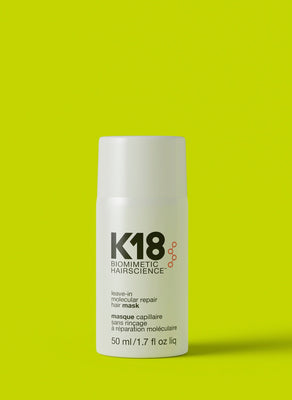
[product-feature="k18-retail-leave-in-molecular-repair-hair-mask-50ml"]
Consider the long-term commitment involved in maintaining bleached hair. Regular salon appointments, specialised products, and modified styling routines all become part of your new normal.
If you're experiencing ongoing breakage issues, targeted strategies for managing breakage can help restore strength and prevent further damage.
Making Informed Decisions About Hair Bleaching
Ultimately, preventing bleach damage requires honest assessment of your hair's current condition, realistic goal-setting, and commitment to proper aftercare. Not everyone is a good candidate for dramatic lightening, and that's perfectly fine.
Weighing The Benefits And Risks
Some people find that the aesthetic satisfaction of their desired colour outweighs the challenges of maintaining damaged hair. Others discover that the ongoing care requirements and potential for permanent texture changes aren't worth the temporary colour goals.
Consider your lifestyle, hair care budget, and tolerance for high-maintenance routines before committing to significant lightening. The most successful bleaching experiences happen when expectations align with reality.
Alternative Approaches For Colour Goals
If your natural hair is very dark and your goals are very light, consider whether techniques like highlights, lowlights, or gradual lightening over multiple sessions might achieve a similar aesthetic impact with less overall damage.
Temporary and semi-permanent colour options continue to improve, offering ways to experiment with colour that don't require permanent structural changes to your hair.
Understanding which styling procedures pose the highest risk helps you make informed decisions about combining multiple chemical processes.
[collection-carousel="maintainance-routine-new"]
Your Next Steps For Healthy Hair Transformation
Preventing bleach damage starts with education, continues with professional expertise, and requires ongoing commitment to specialised care. The key is approaching the process with patience and realistic expectations.
If you're planning to bleach your hair, start preparing weeks in advance with deep conditioning treatments and research to find an experienced colorist. Don't rush the process or compromise on professional expertise to save money - the cost of damage repair far exceeds the price of doing it right the first time.
For hair that's already been lightened, focus on moisture replenishment, gentle handling, and protection from environmental stressors. Consistent care with high-quality products designed for damaged hair can dramatically improve both the appearance and health of bleached strands.
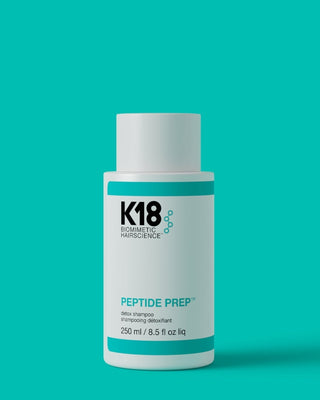
[product-feature="k18-detox-shampoo-repair-mask-routine-bundle"]
Remember that hair health is a journey, not a destination. Even with perfect technique and care, bleached hair will always require more attention than virgin hair. Embrace this reality and enjoy the process of learning what works best for your individual needs.
