K18 Molecular Repair Oil + K18 Mask Deal (salon value $1,224.00) - K18 Australia

The complete guide

Does bleaching damage hair?

Yes, and that is how it works. Here is exactly what bleach breaks, how to tell how far yours has gone, and the routine that rebuilds it.

The short answer

Does bleaching damage your hair?

Yes. Bleach lifts colour by breaking the disulphide bonds and polypeptide chains that give hair its strength, so some damage is not a mistake, it is the mechanism. What changes from person to person is how much, and whether you rebuild it afterwards. Bonds that have been broken can be reconnected. Hair that has already snapped off cannot, and needs growth and a trim instead.

  • Is it damaging Yes, always to some degree. Lifting colour and breaking bonds are the same chemical step.
  • Is it permanent The broken bonds are not. Lengths that have already snapped are. That distinction decides what you can fix.
  • What repairs it A bond-building leave-in that reconnects keratin chains, used every wash rather than once.
  • How long it takes Strength and feel improve within one to two weeks. Badly over-processed lengths take months.
Jump to the repair routine
93% Less breakage in 4 weeks
4 min To rebuild bonds per use
Patented K18PEPTIDE technology
2,000+ AU reviews on the mask

If you have gone blonde, balayage, platinum or had highlights, you have broken the bonds that hold your hair together. That is how bleach works, not a sign anything went wrong. The job from here is to rebuild those bonds and protect your lengths while new growth comes through.

This guide covers the whole journey, from what bleach does to your hair, through how to prep and how often to lift, to the repair routine and how long recovery really takes. Read it in order, or use the contents to jump to where you are right now.

The chemistry

What bleach actually does to your hair

Lifting colour and losing strength are the same process. Once you can see the mechanism, a repair routine stops looking optional.

The four stages of bleaching hair Bleach swells the cuticle, oxidises melanin in the cortex, breaks disulphide bonds and polypeptide chains, and the strand loses tensile strength as a result. Inside a bleach service 01 Cuticle swells The alkaline agent lifts the scales so peroxide can reach the cortex. 02 Melanin oxidised Peroxide dissolves the pigment. This is the part you actually paid for. 03 Bonds break Disulphide bridges and polypeptide chains are severed as a side effect. The damage Strength lost Elasticity, tensile strength and shine all fall with the bonds. Stages 1 to 3 are the service working as intended. Stage 4 is what a repair routine exists to reverse. 20 to 45 minutes in the bowl Weeks to rebuild
Bleaching is controlled oxidation. The pigment loss is the goal and the bond loss is the cost, and that cost is what a bond-building routine exists to pay back.
Three levels of bleach damage along the cuticle Healthy hair has tight flat cuticle scales. Porous hair has lifted scales and gaps. Over-processed hair has broken scales and missing sections that expose the cortex. Cuticle condition Healthy Scales lie flat and overlap Porous Scales lift, moisture escapes Over-processed Scales break away, cortex exposed
Porosity is the tell. Once the scales stop lying flat the strand soaks up water fast, dries out faster and tangles more, long before anything actually snaps.
Strength recovery after bleaching, with and without bond repair Both treated and untreated hair drop sharply on the day of bleaching. With a bond-building routine, strength climbs back towards baseline over about eight weeks. Without one it stays low and drifts lower as mechanical damage accumulates. Strength after bleaching Pre-bleach baseline Bleach day No repair With bond repair Strength Day 0 Week 2 Week 4 Week 8 Illustrative shape of recovery, not measured data from a single study.
The drop happens in one appointment. The climb back happens over weeks of consistent treatment, which is why a routine beats a single rescue mask.

Work out where you are

How damaged is your hair, honestly

Three levels, and the everyday signs that separate them. Treat the level you are actually at, not the one you hope you are at.

Level 1

Dry, but still springy

Ends feel rough, colour fades quickly and conditioner seems to vanish into the lengths. A wet strand still stretches a little and springs back.

What to doTreat weekly and seal with oil. You are maintaining, not rescuing.

Level 2

Porous and tangling

Hair soaks up water the second it hits the shower, air-dries rough, tangles badly and snaps if you brush it wet. Mid-lengths feel noticeably thinner than the roots.

What to doTreat after every wash for a fortnight, then twice weekly. Hold off on any more lift.

Level 3

Gummy and stretching

Wet hair feels like chewing gum, stretches a long way and stays stretched. Pieces come away in your hands. This is structural rather than surface damage.

What to doStop all chemical services and heat styling. Treat every wash and book a colourist to assess before anything else.

The wet stretch test

Take one wet strand and pull it gently. Healthy hair stretches about a third and springs back. Damaged hair keeps stretching and stays limp. If it feels like chewing gum and never recovers, you are at level three, and the honest next step is a colourist rather than another product. How to fix gummy hair covers the recovery, and how to fix elastic hair after bleaching walks through the same test in more detail.

01

What bleach actually does to your hair

Bleach lifts colour by forcing the cuticle open and oxidising the pigment inside the cortex. To get there it breaks the disulphide bonds and polypeptide chains that hold keratin together. That is not a side effect of bleaching, it is the mechanism. Every shade lighter costs the hair some of its internal structure.

Read more Show less

Once those bonds are broken, the strand loses strength and elasticity. It feels rough when dry, stretchy when wet, and snaps more easily under a brush. The K18PEPTIDE was designed for exactly this damage. It is small enough to travel into the cortex and reconnect the broken keratin chains, which is why bond repair, not surface conditioning, is the foundation of any real recovery plan.

If you want the full chemistry of how bleach changes the strand, we break it down in our guide on what bleach does to your hair.

Read the full guide
02

How to tell how damaged your hair really is

Before you treat anything, work out how far the damage has gone. The fastest test is the wet stretch. Take a single wet strand and pull it gently. Healthy hair stretches a little and springs back. Damaged hair keeps stretching and stays limp, which is the classic sign of gummy hair, where the protein structure has broken down.

Read more Show less
  • Gummy or mushy when wet, like wet wool, means the cortex has lost its bonds.
  • Stretchy and slow to recover points to lost elasticity from over-processing.
  • Dry, rough and snapping at the mid-lengths usually means the cuticle is gone and breakage has started.

We cover the diagnosis and recovery in detail in our guides on how to fix gummy hair and how to fix elastic hair after bleaching.

Read the gummy hair guide
03

How to prepare before you bleach

The single biggest lever you have is what you do before the bleach goes on. Hair that is already strong and evenly conditioned lifts more predictably and survives the process with less damage. The prep window is the few days before your appointment, not the morning of.

Read more Show less
  • Treat with a bond builder in the days beforehand so the strand starts from a position of strength.
  • Avoid stripping or clarifying right before, which can leave the cuticle raised and uneven.
  • Tell your colourist about any recent chemical services, since stacked processes compound the damage.

The full prep routine, including timing, is in our guide on how to prepare your hair before bleaching, and the wider protection plan is in how to prevent bleach damage.

Read the prep guide
04

How often you can safely bleach

There is no fixed number of weeks that works for everyone, because the honest answer depends on the condition of your hair, not the calendar. As a general guide, root touch-ups on healthy hair sit around eight to ten weeks apart. If your hair is already showing breakage, gummy ends or stretch, that gap needs to be longer, and sometimes a session needs to be postponed entirely.

Read more Show less

Going lighter in one sitting is where most damage happens. Spreading a big lift across multiple appointments, with repair in between, protects the strand far better than chasing platinum in a single chair session.

We set out the timing in full in how often you can safely bleach your hair and how long to wait between bleaching sessions.

Read the timing guide
05

How to repair bleached hair at home

Repair is a routine, not a single rescue treatment. The pattern that works is simple and repeatable: clean the hair so the peptide can reach the cortex, rebuild the broken bonds with a leave-in molecular repair mask, then seal and protect the surface with an oil. Done after every wash in the first few weeks post-bleach, it is the fastest way back to strength.

Read more Show less
  • Detox first so product build-up and hard-water minerals do not block the repair.
  • Treat with the leave-in mask, the step that does the structural work.
  • Seal with the molecular oil to smooth the cuticle and add heat protection.

The full at-home method is in how to repair bleached hair at home, and the plan for hair that is already badly over-processed is in how to treat damaged bleached hair.

Read the repair guide
06

How long recovery actually takes

Some of the change is immediate. A single bond-building treatment improves strength and feel the same day. The rest is cumulative, building over weeks of consistent use, and the most damaged lengths often need to grow out and be trimmed before the hair reads as fully healthy.

Read more Show less

Set your expectations to the goal. Strength and reduced breakage answer in days to weeks. Growing out fried ends is a months-long job measured by how fast your hair grows, which is roughly one to one and a half centimetres a month. Patience plus consistency beats any single heavy treatment.

We explain the biology of why this takes time in why hair health takes time to rebuild, with a broader recovery plan in how to restore damaged hair.

Read the recovery guide

The four minute routine

The repair routine that actually works

Three products, one hero, every wash. Each one earns its place for a different reason.

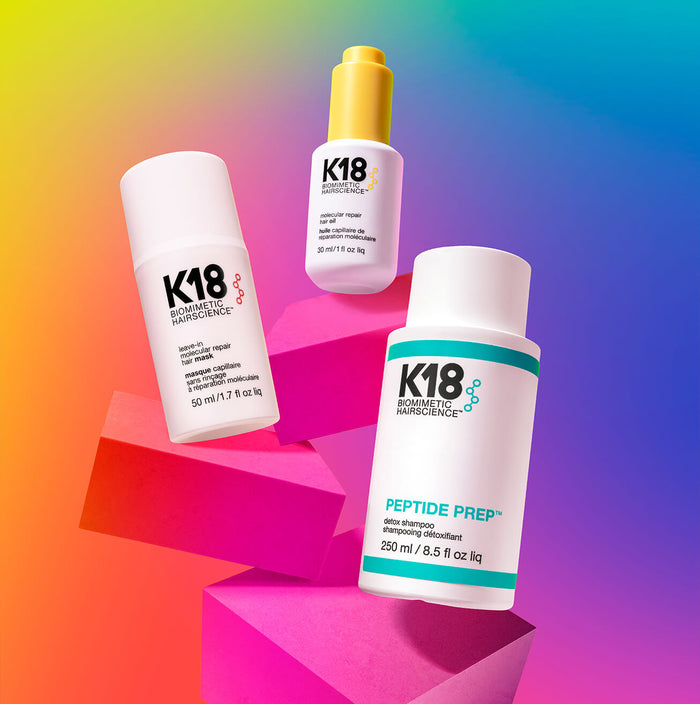
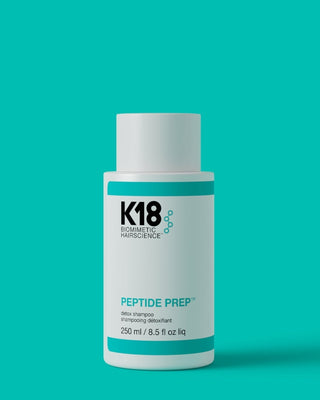
Step 01 - Cleanse *PEPTIDE PREPâ„¢ detox shampoo 250ml

*PEPTIDE PREPâ„¢ detox shampoo 250ml

A weekly clarifier that strips build-up and hard-water minerals so the peptide can reach the cortex.

  • Clears the residue that blocks repair
  • Balances the hair to a healthy pH before treatment
  • Gentle enough to use on bleached lengths

$59.95

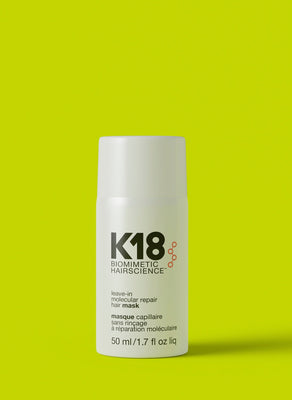
Step 02 - Repair leave-in molecular repair hair mask 5ml

leave-in molecular repair hair mask 5ml

The hero. A leave-in mask that rebuilds the broken keratin bonds in about four minutes, no rinse needed.

  • Reconnects the bonds bleach breaks
  • Restores strength and elasticity from the inside
  • Results build with every wash

$16.95

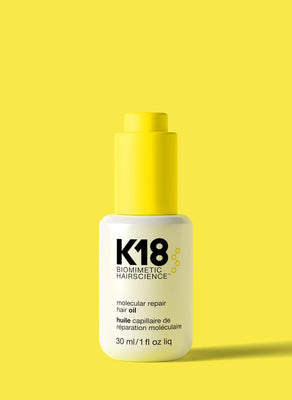
Step 03 - Seal molecular Repair Hair Oil 30ml

molecular Repair Hair Oil 30ml

A molecular oil that smooths the cuticle, adds shine and protects against heat up to 230C.

  • Locks in the repair and tames frizz
  • Heat protection for everyday styling
  • Lightweight, will not weigh fine hair down

$94.95

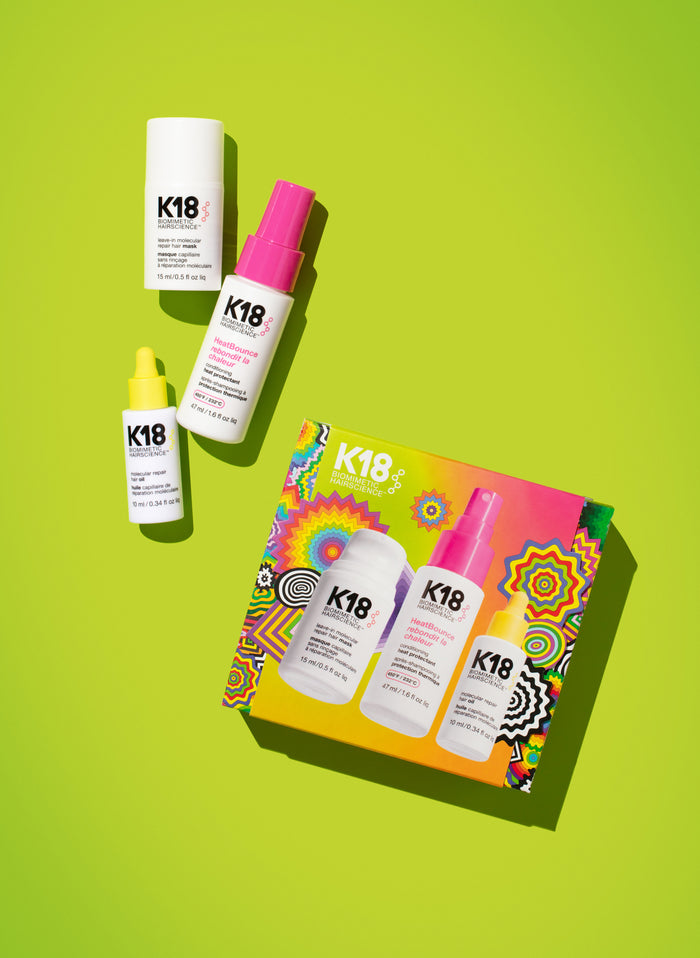
Buy the three together and save 15 percent.

Shop the bundle

What recovery looks like, week by week

Week 1

Less stretch when wet. Hair stops feeling gummy and combs through with less drag.

Weeks 2 to 3

Strength returns to the mid-lengths. You notice fewer broken hairs on the towel.

Weeks 4 to 6

Most people report normal feel and elasticity. Breakage is well down.

Week 8 and on

Maintenance mode. Treat weekly and prep before any future colour or bleach.

Honest verdict

Can you bleach again yet

The honest answer depends on the condition of your hair, not the calendar. Find the row that sounds like yours.

Go ahead

Healthy hair, roots only

Strength and elasticity are normal, the wet stretch test passes and you are only lifting new growth. Eight to ten weeks between root touch-ups is the usual guide.

Wait a while

Porous mid-lengths

Treat for four to six weeks first and have your colourist assess the lengths. Lifting over hair that is already porous is where most breakage happens.

Not yet

Gummy or snapping

No more lift until strength has returned, which can take months. A tone, a gloss or a trim will get you further right now than another bleach.

K18 before and after on bleached hair

Real bleached hair, real results

See what molecular repair looks like on hair that has been lifted, toned and lifted again.

View before and after

For the chair

Lift further, with less to apologise for

Bond building changed what is safely possible in a single appointment. Used in the service rather than only sold at the counter, it lets you take a client further in one sitting and hand back hair that still feels like hair.

  • Use it in the bowl, in the backwash and as a take-home
  • Fewer re-dos and fewer breakage conversations at the basin
  • A retail routine your client can actually keep up between visits
  • Education and support for salons across Australia
K18 professional colour service

Get a second opinion

When to stop and see a professional

Some damage is past the point a product can fix. If your hair stretches and will not recover, if pieces are breaking off at the same length, or if the scalp is sore or flaking after a service, stop treating it yourself and get it looked at. A colourist can tell you what needs to grow out, what needs cutting, and what is genuinely recoverable, which is usually cheaper than another round of products.

If you are not sure where to start, the routine finder will narrow it down, and the porosity test is a useful second data point alongside the stretch test above.

The full bleached hair library

Every guide we have written on bleaching and repair, grouped by where you are in the process.

Common questions

Can bleached hair be repaired

The bonds bleach broke can be rebuilt with the K18 peptide, and the surface can be smoothed with the right products. Hair that has already snapped off cannot be made longer again, that needs growth and a trim.

How often should I treat bleached hair

Use the leave-in molecular repair mask after every wash for the first few washes post-bleach, then twice a week as maintenance.

How long until my hair feels normal again

Most people notice a real difference within one to two weeks of consistent treatment. Badly over-processed lengths can take months and may need a trim.

Can I bleach again while my hair is recovering

Wait until strength and elasticity have returned, and have your colourist assess the hair first. Bleaching over already damaged lengths is where most breakage happens.

Claims and fine print

Figures quoted on this page come from K18 consumer and laboratory testing. Individual results vary with your starting condition, how often your hair has been processed and how consistently the routine is used. The recovery curve shown above is an illustration of the shape of recovery, not measured data from a single study.

Nothing here is medical advice. If you have sudden hair loss, a sore or broken scalp, or hair that is breaking without a chemical cause, speak to your GP or a dermatologist.

Repair starts with the next wash

You cannot undo the bleach. You can rebuild the bonds it broke, starting today.

Shop the repair routine