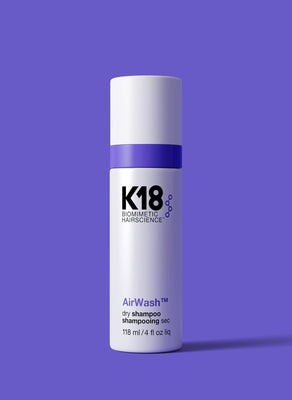
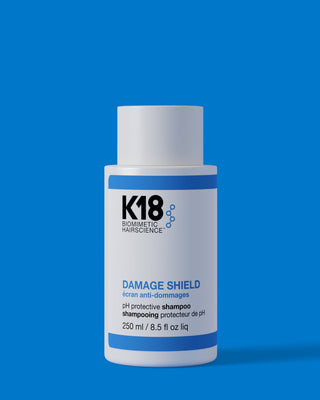
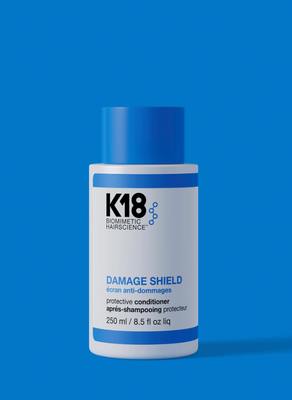
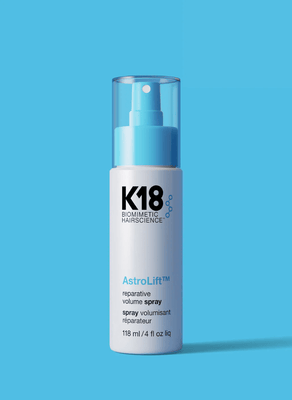




hair like new, powered by biotech / science-backed / stylist-trusted / client-loved /
Hair health
Hair shedding vs breakage
They can look the same in the shower drain, but shedding and breakage are two different things - one starts at the root, the other happens along the strand. Telling them apart is the first step to fixing the right problem, and building the right routine around it.

50–100hairs a day is normal to shed
2simple signs tell them apart
~4 minto rebuild bonds with K18 repair
K18PEPTIDE™patented molecular repair
If you are seeing more hair than usual, it helps to know whether it is shedding (whole hairs leaving the scalp from the root) or breakage (hairs snapping partway along the strand). They have different causes and different fixes. Shedding is usually about what is happening inside the body - hormones, stress, or a recent event like having a baby. Breakage is about the strength of the hair fibre itself, which is exactly where K18 molecular repair does its work.
The difference
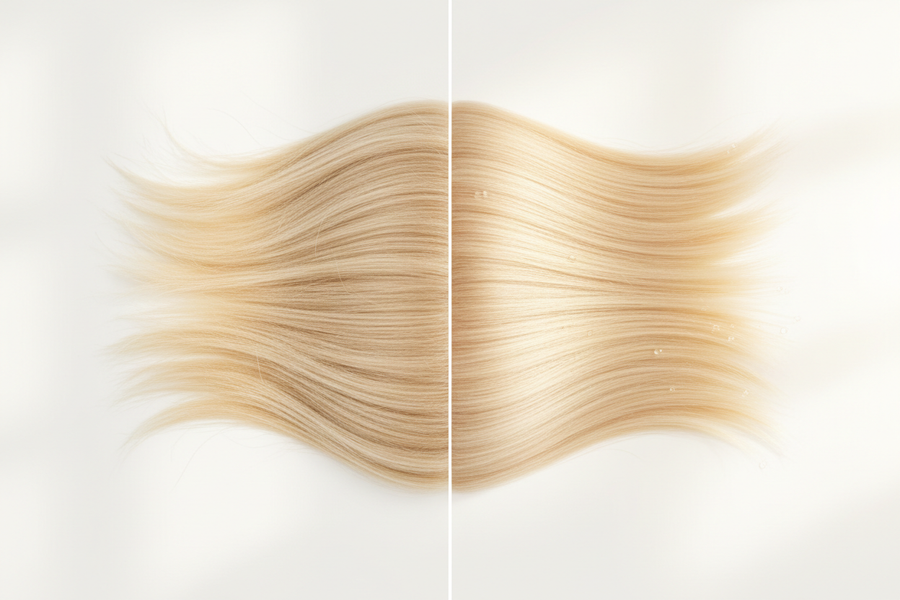
Shedding vs breakage, side by side
The fastest way to work out what is going on is to compare the two directly. Most people have a bit of both, but usually one is the main driver.
How to compare
Shedding
From the rootBreakage
Along the strandWhat it is
A whole hair leaves the scalp from the follicle. Often part of the natural growth cycle, or pushed along by a trigger.
A hair snaps somewhere along its length, so the fibre fails before it reaches the end.
Where it comes from
The follicle, at the root.
The hair shaft - the mid-lengths and ends.
What the lost hair looks like
Full-length, often with a tiny pale bulb at one end (the root).
Short, uneven pieces with frayed or blunt ends, and no bulb.
How much is normal
Losing around 50 to 100 hairs a day is completely normal.
Any regular snapping is a sign the fibre needs more support.
Common causes
Postpartum change, stress, illness, hormonal shifts, thyroid or low iron.
Bleach and colour, heat styling, protein or moisture imbalance, rough brushing and tight styles, product and hard-water buildup.
What helps
Time and treating the underlying trigger. See a GP if it is sudden, patchy or ongoing.
Bond repair, gentler handling, heat protection, and balancing protein with moisture.
Where K18 fits
K18 is cosmetic and works on the hair, not the follicle, so it will not stop shedding at the root.
This is K18's job - reconnecting broken keratin bonds so hair is stronger and snaps less.
The quick test
Look at one lost hair
Pick up a single hair from your brush or the shower floor. If it is full length with a small pale bulb at one end, it has shed from the root. If it is short, frayed or blunt with no bulb, that is breakage. A halo of short flyaways around your part or crown is another classic breakage sign - shedding shows up instead as more full-length hairs collecting on the brush and pillow.
Is this you


Signs worth noticing
A few of these together point you towards one or the other. Note which list sounds more like your hair right now.

More on the brush
Noticeably more full-length hairs on the brush, pillow or shower floor than is normal for you. (Shedding.)

Short flyaways
A halo of short, wispy hairs around your part and crown that never seem to grow out. (Breakage.)

A recent trigger
A baby, illness, big stress or a crash diet in the last few months. (Shedding, often temporary.)

Rough, snapping ends
Ends that feel dry and straw-like and snap when you brush or style. (Breakage.)

A wider part
Your part or ponytail looks thinner overall, diffuse rather than patchy. (Shedding.)

Heavy colour or heat
Regular bleach, colour or hot tools, with hair that has lost its stretch and shine. (Breakage.)
Shop the range
Shop all →The anti-breakage edit
The K18 products that do the most for fragile, breakage-prone hair, built around patented molecular repair.
01Read: postpartum shedding and regrowth →
Why hair sheds
Every hair moves through a cycle - a long growth phase, a short transition, then a resting phase before it sheds and a new hair takes its place. At any time most of your hair is growing, which is why healthy hair feels dense.
Shedding increases when more hairs shift into the resting phase at once. A baby, a fever, sudden stress or a big drop in calories can all do it, and so can hormonal changes and low iron. This kind of shedding usually shows up a couple of months after the trigger, is diffuse rather than patchy, and often settles on its own once the cause passes.
02Read: when hair has had too much repair →
Why hair breaks
Breakage is different - it is mechanical and chemical stress on the hair fibre itself. Bleach and permanent colour lift the cuticle and weaken the internal bonds that give hair its strength. Heat styling, rough towel-drying and brushing wet hair add to it, and tight styles create friction at the same points day after day.
Two quieter causes are worth knowing. Protein overload - too many strengthening treatments without enough moisture - can leave hair stiff and brittle, so it snaps. And product or hard-water buildup can coat the hair so nothing absorbs properly. Both are fixable once you spot them.
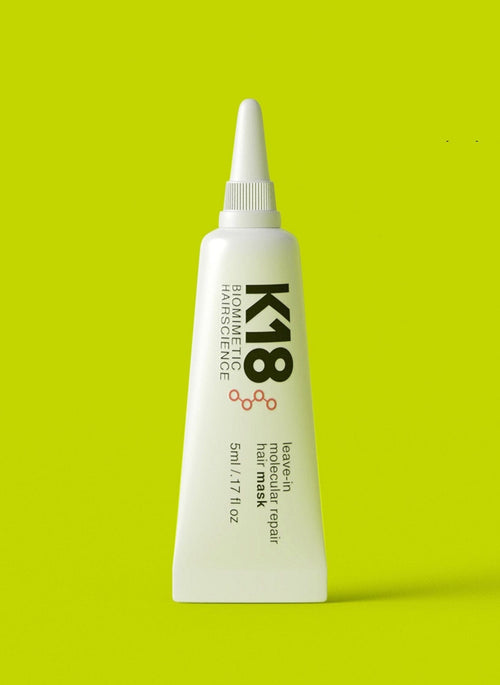
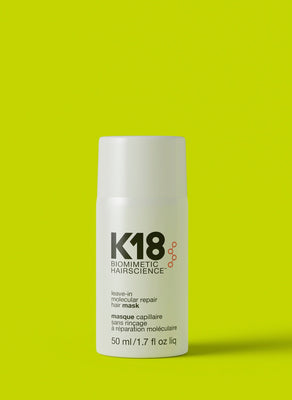
leave-in molecular repair hair mask 5ml
A leave-in mask that reconnects broken keratin bonds in about four minutes, so fragile hair holds together.
$16.95
03Compare Olaplex vs K18 →
Where K18 molecular repair fits
K18 does one thing exceptionally well: it repairs the internal bonds that give hair its strength. The patented K18PEPTIDE is small enough to reach into the cortex and reconnect the keratin chains that break through colour, heat and everyday wear. For hair that is already fragile and breaking, that structural support matters - there is simply less hair to lose to snapping.
What it will not do is change your hormones or act on the follicle, so it is not a treatment for shedding or hair loss. It is cosmetic care that keeps the hair you are growing as strong, smooth and resilient as it can be, so it behaves better and breaks less.
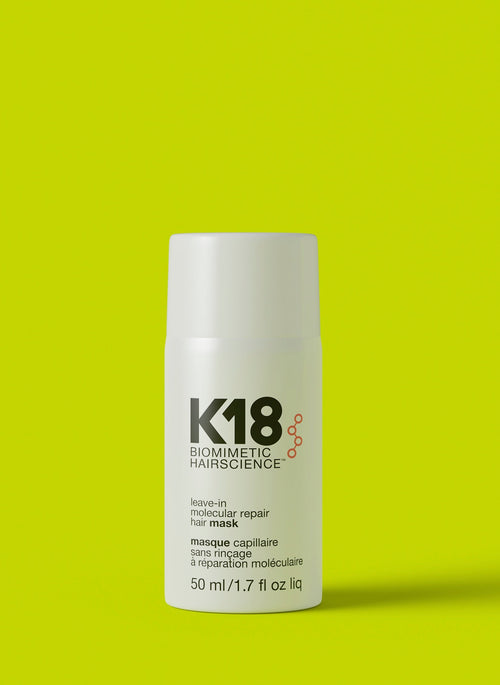
leave-in molecular repair hair mask 50ml
The leave-in mask that rebuilds strength from the inside, wash after wash.
$114.95
Where to start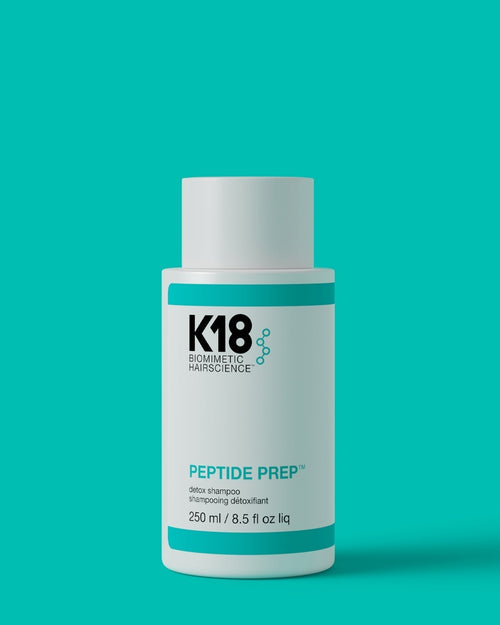
A bond-repair routine that reduces breakage
Fragile hair needs less stress and more support. Three steps, built around K18 molecular repair, that each earn their place.
Step 01 – Cleanse
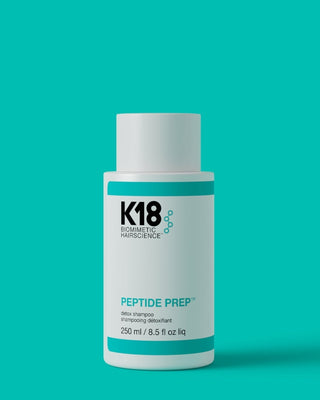
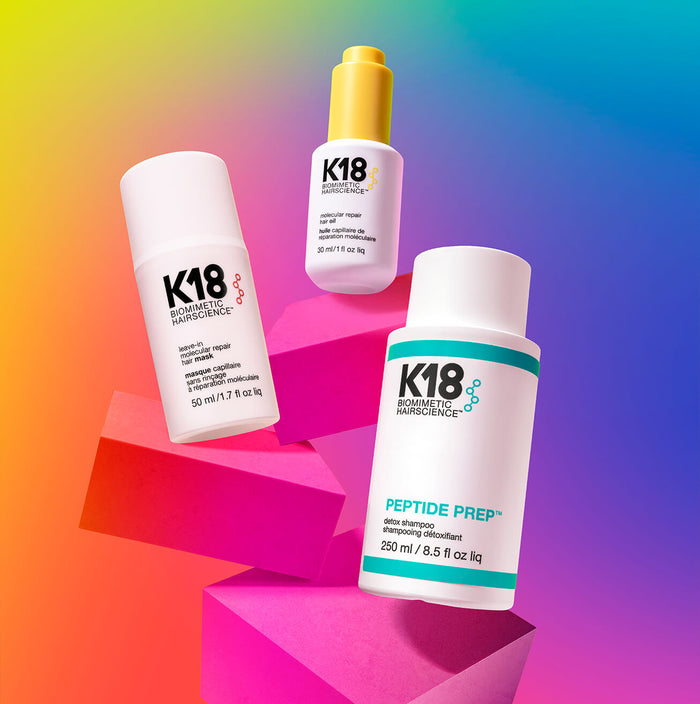
*PEPTIDE PREP™ detox shampoo 250ml
A gentle clarifying cleanse that clears product and hard-water buildup without stripping fragile hair.
- Resets hair so treatment can absorb
- Helps with the coated, hard-water feel
- Gentle enough for dry, fragile lengths
$59.95
Step 02 – Repair
leave-in molecular repair hair mask 5ml
The hero. A leave-in mask that reconnects broken keratin bonds in about four minutes, no rinse needed.
- Rebuilds strength and elasticity
- Helps hair resist breakage
- Results build with every wash
$16.95
Step 03 – Protect
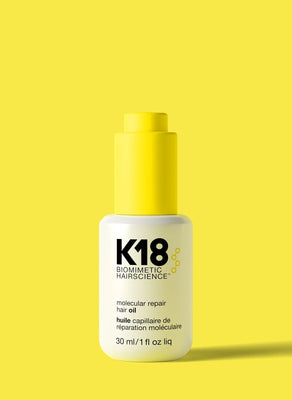
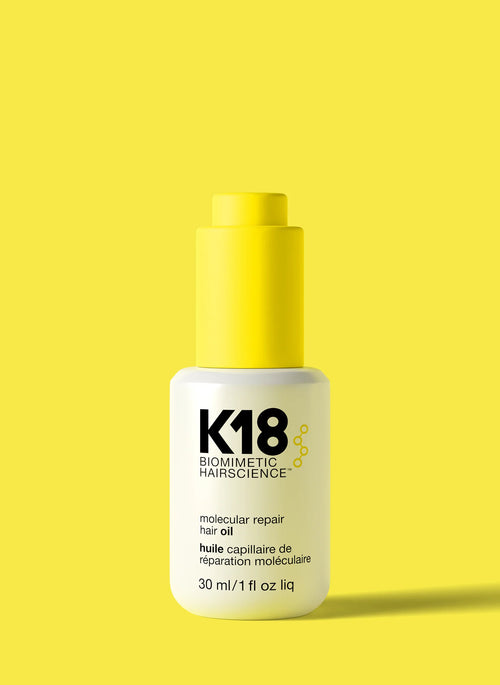
molecular Repair Hair Oil 30ml
A weightless molecular oil that smooths, adds shine and protects against heat up to 230°C.
- Locks in the repair and tames frizz
- Heat protection for everyday styling
- Light enough not to weigh hair down
$94.95
Build the full routine and keep breakage in check, wash after wash.
Shop the routineChoose your path
Find your routine by where your hair is
Whether you are repairing, maintaining or refreshing, there is a K18 routine to match.

Get a second opinion
When to see a professional
Breakage is a hair-care problem you can usually improve at home. Shedding can be too, but not always - sudden, heavy or patchy shedding, or shedding with an itchy or sore scalp, is worth having checked. Thyroid changes, low iron, some medications and stress can all thin hair, and they are worth ruling out.
If you are worried, see your GP or a dermatologist. For the cosmetic side - cut, colour and a routine that suits fragile hair - a K18 stylist is a good place to start.
Related reading and next steps
Keep going, whether you want to understand what is happening, compare your options, or test your hair.
Understand your hair
Common questions
Is it shedding or breakage?
Look at a lost hair. Full length with a tiny pale bulb at one end means it shed from the root. Short, frayed or blunt with no bulb means it broke along the strand. A halo of short flyaways points to breakage; more full-length hairs on the brush points to shedding.
How much shedding is normal?
Losing around 50 to 100 hairs a day is completely normal - it is just your growth cycle turning over. It only needs looking into if it is sudden, much heavier than usual for you, patchy, or comes with a sore or itchy scalp.
Can K18 stop hair shedding?
No. K18 is a cosmetic bond-repair range that works on the hair fibre, not the follicle, so it cannot change what happens at the root. If your main issue is shedding, treating the underlying cause matters most - speak to a GP if it is sudden or ongoing.
Does K18 help with breakage?
Yes - this is exactly what it is designed for. The patented K18PEPTIDE reconnects the broken keratin bonds inside the hair, so it is stronger, more elastic and snaps less. For fragile, over-processed hair, that means keeping more of the length you already have.
What causes sudden breakage?
Usually a build-up of stress on the fibre: bleach or colour, hot tools, rough brushing and tight styles. Two less obvious causes are protein overload - too much strengthening treatment without moisture - and product or hard-water buildup that stops anything absorbing properly.
Can I have both at once?
Often, yes. Many people shed a little more after a trigger while also dealing with breakage from styling or colour. Work out which is the bigger issue using the signs above, treat the cause of any shedding, and support the fibre with bond repair to bring breakage down.