
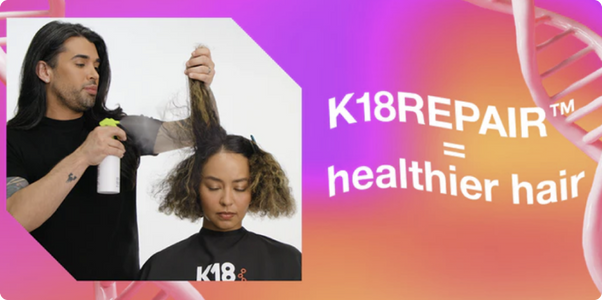
The dream of platinum blonde locks often comes with a nagging worry about can you bleach hair without breakage. The honest answer is complex and depends on several factors including your hair's natural resilience, current condition, and the approach you take. While some level of structural change is inevitable when lightening hair dramatically, understanding the science behind bleaching damage can help you minimise breakage and achieve the blonde you want.
Bleaching fundamentally alters your hair's protein structure by breaking down melanin pigments and disrupting keratin bonds. This process weakens the hair shaft, but the extent of damage varies dramatically between individuals. Some people's hair naturally tolerates chemical processing better than others, while certain techniques and aftercare routines can significantly reduce the risk of severe breakage.
The key lies in understanding your hair's unique characteristics, recognising the early warning signs of damage, and implementing targeted repair strategies before and after bleaching. This approach transforms bleaching from a gamble into a calculated decision with proper safeguards in place.
Why Some Hair Breaks During Bleaching While Others Don't
Hair resilience to bleaching varies dramatically between individuals, creating confusion about what's "normal" when lightening hair. This variation stems from fundamental differences in hair structure, genetics, and processing history that determine how well your strands can withstand chemical treatments.
What Makes Hair More Resistant to Bleach Damage
Thicker, coarser hair typically withstands more aggressive bleaching before showing signs of breakage. The larger diameter provides more structural integrity, allowing the hair shaft to maintain strength even as the bleaching process disrupts protein bonds. However, this same thickness means these hair types often require stronger developers or longer processing times to achieve the desired lift.
Hair that has undergone previous colour treatments may actually have some advantages during bleaching. Previously lightened or dyed hair often lifts more quickly than virgin hair, potentially reducing the overall processing time and chemical exposure needed to reach your target shade.
When Hair Is More Vulnerable to Breakage
Fine hair, despite sometimes appearing delicate, can surprise people with its bleaching tolerance. However, it requires more careful monitoring since damage may be less immediately visible but still accumulate over time. Black or very dark hair presents unique challenges, as it can appear robust while actually being quite fragile to chemical processing.
-
Fine hair diameter means less structural support during chemical processing
-
Previously damaged hair from heat styling or chemical treatments
-
Hair with existing protein loss or moisture depletion
-
Overly porous hair that absorbs chemicals too quickly
Understanding your hair's baseline condition helps set realistic expectations for bleaching outcomes and the level of care required throughout the process.
How Bleaching Damage Actually Develops Over Time
One of the most misunderstood aspects of bleaching is that damage often appears gradually over weeks and months rather than immediately after processing. This delayed timeline can create a false sense of security, leading to over-processing before the full extent of damage becomes apparent.
What Happens During the Bleaching Process
Bleaching works by breaking protein bonds within the hair shaft to remove melanin pigments. This process creates microscopic gaps and weaknesses in the hair's structure that may not immediately translate to visible damage. The hair might feel slightly different but still appear healthy immediately after treatment.
|
Timeline |
What You Might Notice |
What's Actually Happening
|
|---|---|---|
|
Immediately after bleaching |
Hair feels drier but looks intact |
Protein bonds disrupted, cuticles raised |
|
1-2 weeks later |
Increased tangling, slight texture change |
Weakened areas beginning to show stress |
|
1-3 months later |
Visible breakage, split ends, brittleness |
Cumulative damage from daily manipulation |
Why Some People Experience Delayed Breakage
The gradual nature of bleach damage occurs because daily activities like brushing, styling, and even sleeping create ongoing stress on already-weakened hair structures. Hair that survived the initial bleaching process may begin breaking weeks later as the compromised protein bonds can no longer withstand normal manipulation.
This timeline explains why some people report their hair "felt fine" immediately after bleaching but started breaking later. The damage was present from the chemical process, but it took time and repeated stress to manifest as visible breakage.
What Professional Techniques Can Prevent Severe Breakage
Professional hairstylists use specific techniques and products to minimise breakage risk during bleaching. Understanding these approaches can help you make informed decisions about DIY bleaching or communicate effectively with your stylist about your concerns.
How Bond Builders Change the Bleaching Game
Modern bond-building treatments work by creating new cross-links within the hair shaft as existing bonds are broken down during bleaching. These products can be mixed directly with bleach or applied as a separate step, significantly reducing the structural damage that leads to breakage.
The science behind bond builders involves small molecules that can penetrate the hair shaft and form new connections where bleaching has created gaps. This doesn't prevent all damage, but it maintains more of the hair's structural integrity throughout the lightening process.
Strategic Developer Selection and Application
Professional bleaching success often comes down to using the lowest effective developer strength and adjusting application timing based on hair's response. Rather than using maximum strength developers, skilled stylists often prefer longer processing times with gentler formulations to achieve the same lift with less structural damage.
-
Lower volume developers (10-20 vol) with longer processing times
-
Sectioning hair to ensure even saturation without over-processing
-
Monitoring lift progression rather than following rigid timing
-
Using foil or heat sparingly to avoid acceleration damage
These techniques require experience to execute safely, which is why professional application often produces better outcomes than at-home bleaching attempts.
How to Assess Your Hair's Bleaching Readiness
Before attempting any bleaching, honestly evaluating your hair's current condition helps predict how well it might tolerate chemical processing. This assessment can guide decisions about proceeding, delaying treatment, or seeking professional help.
What Tests Reveal About Your Hair's Condition
Simple at-home tests can provide valuable insights into your hair's structural integrity. The elasticity test involves gently stretching a wet strand to see how far it extends before breaking. Healthy hair should stretch significantly and return to its original length, while damaged hair may snap quickly or fail to retract.
The porosity test helps determine how your hair might react to bleaching chemicals. Drop a clean strand into water and observe how quickly it sinks. Hair that sinks immediately is highly porous and may process too quickly during bleaching, while hair that floats has lower porosity and may need longer processing times.
Warning Signs to Postpone Bleaching
Certain hair conditions indicate that bleaching should be delayed until the hair's health improves. These warning signs suggest the hair lacks the structural integrity to withstand additional chemical stress.
-
Visible breakage or split ends throughout the length
-
Hair that feels gummy or stretches excessively when wet
-
Recent chemical processing within the past 2-4 weeks
-
Excessive dryness or brittleness that doesn't improve with conditioning
-
Hair that tangles easily or breaks during normal brushing
If multiple warning signs are present, focusing on restoring damaged hair health before attempting bleaching significantly improves your chances of successful lightening without severe breakage.
For those considering gentler alternatives, natural bleaching alternatives like baking soda, hydrogen peroxide, and cinnamon can lighten hair more gradually than traditional bleach formulations, though results will be more subtle.
Which Recovery Strategies Work Best After Bleaching
Even with careful bleaching technique, some structural damage is inevitable. The key to preventing this damage from progressing to visible breakage lies in immediate and ongoing repair strategies that target the specific types of damage caused by chemical lightening.
How Molecular Repair Addresses Bleach Damage
Bleaching creates specific patterns of damage at the molecular level, disrupting keratin chains and creating gaps in the hair's protein structure. Effective recovery requires treatments that can penetrate deeply enough to rebuild these broken connections rather than simply coating the hair's surface.
Advanced peptide treatments work by delivering small protein fragments that can fit into the damaged areas of the hair shaft and form new bonds. This approach addresses the root cause of post-bleach brittleness rather than temporarily masking the symptoms with heavy conditioning agents.
What Your Post-Bleach Routine Should Include
Successful recovery from bleaching damage requires a multi-pronged approach that addresses both immediate needs and long-term hair health. The routine should evolve as your hair recovers, starting with intensive repair and gradually transitioning to maintenance.
-
Immediate damage control within 24-48 hours of bleaching
-
Weekly intensive treatments for the first month post-bleaching
-
Ongoing maintenance to prevent future damage accumulation
-
Protective styling to minimise mechanical stress
The most effective treatments target multiple aspects of bleach damage simultaneously. Rather than using numerous different products, focus on comprehensive solutions that address protein loss, moisture depletion, and structural weakness in a coordinated approach. Professional hair colorists can also provide toning services which help condition the hair whilst maintaining your lightened colour.
What Common Mistakes Make Breakage Worse
Many people inadvertently worsen bleach damage through well-intentioned but misguided recovery attempts. Understanding these common pitfalls helps avoid turning manageable damage into severe breakage that requires cutting off significant length.
Why More Products Don't Equal Better Results
The instinct to use multiple treatments simultaneously often backfires by overloading already-compromised hair with conflicting ingredients. Damaged hair has altered absorption patterns, meaning it may take in too much product or react unpredictably to ingredient combinations that would be fine on healthy hair.
Over-conditioning can actually worsen breakage by making hair too soft and elastic, reducing its ability to maintain structure during styling and daily manipulation. This is particularly problematic with bleached hair, which already has weakened protein bonds.
How Heat Styling Accelerates Post-Bleach Breakage
Bleached hair's reduced ability to withstand heat means that styling temperatures safe for natural hair can cause additional damage. The combination of chemical processing and heat creates a cumulative effect that rapidly progresses from minor damage to significant breakage.
-
Using high heat settings out of habit rather than adjusting for damaged hair
-
Skipping heat protectant products or using insufficient amounts
-
Applying heat to damp hair, which intensifies thermal damage
-
Frequent touch-ups and re-styling throughout the day
Many people don't realise that certain styling procedures contribute to ongoing damage that compounds the initial bleaching stress, creating a cycle of progressive weakening.
How to Know When Professional Help Is Needed
Recognising when bleaching damage has progressed beyond what home care can address prevents further deterioration and helps salvage as much length as possible. Professional intervention becomes necessary when damage patterns indicate structural compromise that requires specialised treatment or strategic cutting.
What Damage Patterns Require Professional Assessment
Certain types of breakage indicate that the hair's internal structure has been severely compromised, requiring professional evaluation to determine the best recovery approach. These patterns often develop when initial damage goes unaddressed or when multiple stressors compound the original bleaching damage.
|
Damage Pattern |
What It Indicates |
Action Needed
|
|---|---|---|
|
Mid-shaft breakage |
Severe structural damage from chemical over-processing |
Professional damage assessment and possible cutting |
|
Gummy, elastic texture |
Excessive moisture without adequate protein structure |
Professional protein treatments and routine adjustment |
|
Uneven breakage patterns |
Inconsistent processing or underlying damage |
Professional evaluation and corrective treatment |
When to Seek Professional Corrective Treatment
Professional colorists have access to stronger repair treatments and can assess damage patterns that aren't obvious to untrained eyes. They can also determine whether corrective coloring is possible or if the hair needs time to recover before any additional chemical processing.
If you're experiencing ongoing breakage despite following proper care routines, or if the damage seems to be progressing rather than stabilising, professional assessment can prevent more extensive damage and help develop a targeted recovery plan.
Understanding the underlying causes of excessive breakage helps distinguish between normal post-bleach adjustment and damage that requires professional intervention.
How We Can Help Your Hair Recovery Journey
Recovering from bleach damage requires targeted treatments that work at the molecular level to rebuild broken protein bonds and restore structural integrity. Our scientifically-formulated approach addresses the specific types of damage caused by chemical lightening, providing effective repair without the guesswork of trial-and-error product combinations.
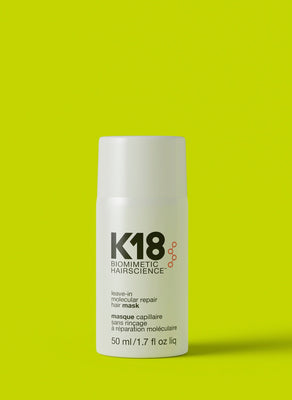
The K18 Leave-In Molecular Repair Hair Mask works differently from traditional conditioning treatments by targeting the exact keratin chains damaged during bleaching. This precision approach means faster, more effective repair that actually rebuilds your hair's structure rather than temporarily masking damage.
[collection-carousel="treatment-new"]
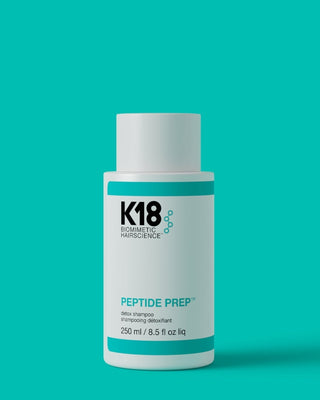
For comprehensive post-bleach recovery, the K18 Detox Shampoo & Repair Mask Bundle provides both the deep cleansing needed to remove chemical residue and the intensive repair treatment to restore hair health. This combination addresses both immediate and ongoing recovery needs in a coordinated approach.
[tip-text="Apply the K18 mask to clean, towel-dried hair and leave for 4 minutes - no rinsing required. Use every wash until hair feels restored, then maintain with weekly treatments."]
[collection-carousel="maintainance-routine-new"]
Our peptide technology specifically targets the molecular damage patterns created by bleaching, making it particularly effective for post-chemical processing recovery. The K18PEPTIDE™ approach to damaged hair care offers a scientifically-backed alternative to traditional protein treatments that can sometimes over-correct bleached hair.
[product-feature="k18-retail-leave-in-molecular-repair-hair-mask-50ml"]
[product-feature="k18-detox-shampoo-repair-mask-routine-bundle"]
What Realistic Expectations Look Like for Bleached Hair
Setting realistic expectations about bleaching outcomes helps avoid disappointment and guides decision-making throughout the process. While severe breakage isn't inevitable, some degree of structural change occurs with any chemical lightening, and recovery takes time and consistent care.
Even with perfect technique and excellent aftercare, bleached hair will always be more fragile than virgin hair. This doesn't mean it can't be healthy and beautiful, but it does mean adjusting your hair care routine and styling expectations to work with rather than against the chemical changes.
Most people find that with proper care, their hair reaches a new stable condition within 2-3 months post-bleaching. This stabilised state may be drier and more porous than before, but it can be healthy and manageable with appropriate products and techniques. The key is accepting this new baseline rather than trying to restore hair to its pre-bleach condition.
Remember that using more products doesn't automatically improve hair condition. Focus on targeted treatments that address your hair's specific needs rather than overwhelming already-compromised strands with excessive product layering.
Success with bleached hair comes from understanding and working with your hair's new characteristics rather than fighting against them. With the right approach, you can achieve and maintain the blonde you want while keeping your hair healthy and strong.
