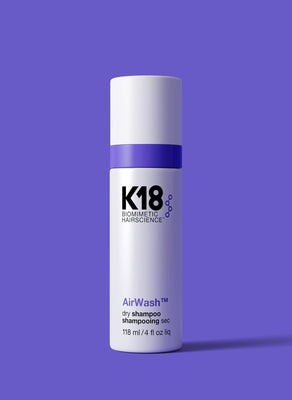
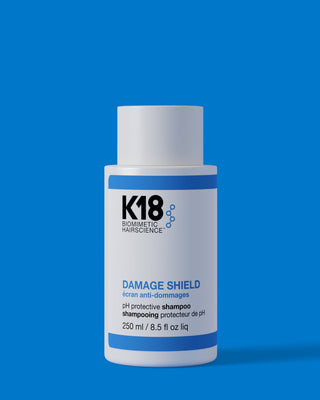
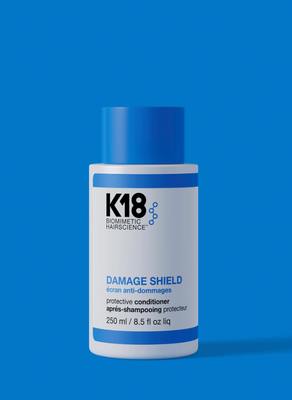
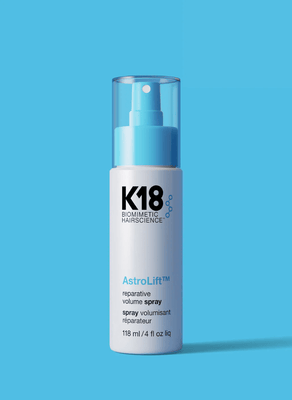


If your blonde hair has been looking dull, brassy, or feeling rough despite your best efforts, hard water might be the hidden culprit. This mineral-rich water doesn't just leave spots on your shower screen - it's actively working against your hair health, creating a buildup that blocks moisture and makes your colour look muddy.
Hard water hair damage happens when calcium, magnesium, and other minerals coat your hair shaft, creating an invisible barrier that prevents products from working effectively. For blonde hair, this is particularly devastating because these minerals can cause brassiness, dryness, and an overall lacklustre appearance that no amount of purple shampoo seems to fix.
The good news is that hard water damage isn't permanent. With the right understanding and targeted approach, you can reverse the buildup and restore your blonde hair to its healthy, vibrant state.
What Exactly Is Hard Water And Why Does It Target Your Hair
Hard water contains high concentrations of dissolved minerals, primarily calcium and magnesium. These minerals exist as various compounds including bicarbonates, chlorides, and sulfates rather than just carbonates. When this water hits your hair, these minerals don't simply rinse away - they bind to your hair shaft, creating a coating that accumulates over time.
This mineral buildup affects hair in several ways. Research shows it creates a barrier that prevents moisture from penetrating the hair shaft, leading to dryness and brittleness. Second, it interferes with the pH balance of your hair, making it more alkaline and causing the cuticles to lift and appear rough.
How Hard Water Specifically Attacks Blonde Hair
Blonde hair faces unique challenges with hard water because it's often been chemically processed through bleaching or colouring. Studies indicate this processing makes the hair more porous, allowing minerals to penetrate deeper into the hair structure.
The minerals in hard water can also react with the underlying pigments in blonde hair, causing unwanted colour shifts. Iron content, while not always the primary culprit for discolouration, can contribute to brassiness when combined with other factors like improper lightening processes.
-
Calcium buildup blocks moisture absorption
-
Magnesium interferes with product performance
-
Iron content can contribute to colour shifts
-
Mineral coating makes hair feel rough and look dull
What Are The Warning Signs Your Blonde Hair Is Suffering From Hard Water
Hard water damage doesn't happen overnight, but the signs are unmistakable once you know what to look for. Your hair will start sending distress signals that become more pronounced over time.
Physical Changes You Can See And Feel
The most obvious sign is a change in texture. Your hair may feel rough, sticky, or coated even immediately after washing. This happens because the mineral buildup prevents your shampoo and conditioner from working effectively, leaving residue behind.
Visually, your blonde hair may appear dull or lacklustre, losing that bright, healthy shine. You might notice increased brassiness or unwanted colour tones that seem to worsen despite using colour-correcting products.
-
Hair feels rough or sticky after washing
-
Increased tangling and difficulty detangling
-
Dull, lacklustre appearance
-
Increased brassiness or colour shifts
-
Products seem to stop working effectively
-
Styling products build up more quickly
When Hard Water Damage Becomes Severe
In advanced cases, you might notice increased breakage and hair fall. The mineral coating weakens the hair structure, making it more susceptible to damage from heat styling and brushing. Your hair may also become increasingly difficult to style, with products seeming to sit on top rather than being absorbed.
Warning sign If your hair suddenly becomes unmanageable despite no changes to your routine, hard water buildup could be the cause.
Which Immediate Solutions Can Remove Hard Water Buildup
The key to reversing hard water damage lies in removing the mineral buildup that's coating your hair. This requires targeted products and techniques that can break down and chelate these stubborn deposits.
How Chelating Shampoos Work Their Magic
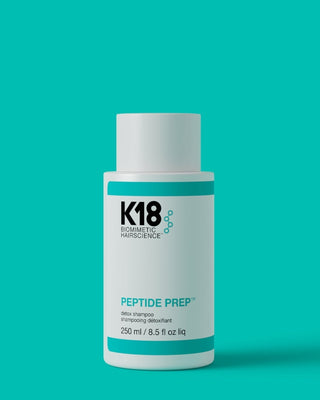
Chelating shampoos contain ingredients that bind to minerals and remove them from your hair shaft. These specialised formulas work more aggressively than regular clarifying shampoos, specifically targeting calcium and magnesium deposits.
However, chelating shampoos can be drying, so they should always be followed by deep conditioning. While most experts recommend using them once or twice monthly, severely hard water may require more frequent use - though evidence suggests caution, as overuse can strip natural oils and cause brittleness.
[product-feature="new-k18-peptide-prep-detox-shampoo"]
The Science Behind Molecular Repair For Hard Water Damage
While chelating shampoos remove surface buildup, hard water damage often goes deeper, particularly in chemically processed blonde hair. This is where molecular repair technology becomes crucial for restoring hair health from within.
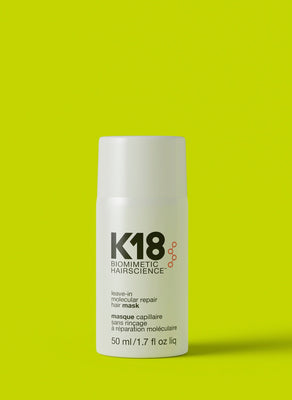
Biotech-driven treatments work at the peptide level to repair damaged keratin chains that have been compromised by mineral buildup and chemical processing. This approach doesn't just mask the problem - it actually rebuilds the hair structure for lasting results.
[product-feature="k18-leave-in-molecular-repair-hair-mask-5ml"]
|
Treatment Type |
How It Works |
Best For |
Frequency |
|---|---|---|---|
|
Chelating Shampoo |
Binds and removes mineral deposits |
Surface buildup removal |
1-2 times per week |
|
Molecular Repair |
Rebuilds keratin chains |
Deep structural damage |
Every wash |
|
Vinegar Rinse |
Acidic pH dissolves minerals |
Budget-friendly maintenance |
Weekly |
|
Distilled Water Rinse |
Prevents new mineral deposits |
Final rinse protection |
Every wash |
How Can Natural And DIY Methods Help Combat Hard Water Effects
While professional treatments offer the most effective results, several budget-friendly natural methods can help manage hard water damage and prevent future buildup.
Why Vinegar Rinses Actually Work
Apple cider vinegar has an acidic pH that can help dissolve mineral deposits and restore your hair's natural pH balance. Research shows that alkaline pH causes cuticles to lift, and the acetic acid in vinegar acts as a mild chelating agent, breaking down calcium and magnesium buildup.
To use this method effectively, mix one part apple cider vinegar with three parts water and use it as a final rinse after conditioning. Leave it on for 2-3 minutes before rinsing thoroughly with cool water. This method is particularly useful for maintaining hair between more intensive treatments.
The Distilled Water Technique For Prevention
Using distilled water for your final rinse can prevent new mineral deposits from forming after you've cleansed and conditioned your hair. Studies show distilled water eliminates mineral residue because it lacks the calcium and magnesium that cause buildup.
While this method requires some preparation - keeping bottles of distilled water in your shower - it's an effective way to maintain the benefits of your other treatments and prevent rapid re-buildup.
-
Mix vinegar with water in a 1 to 3 ratio
-
Apply after conditioning as a final rinse
-
Leave for 2-3 minutes before rinsing thoroughly
-
Use distilled water for the very final rinse
-
Store distilled water bottles conveniently in your shower
What Long-Term Solutions Prevent Hard Water Damage
While treating existing damage is important, preventing future hard water problems requires addressing the source. Long-term solutions focus on modifying your water supply or creating protective barriers for your hair.
How Water Softeners Transform Your Hair Health
Installing a whole-home water softener is considered the most effective long-term solution for hard water problems. These systems remove calcium and magnesium from your water supply before it reaches your taps, preventing mineral buildup from occurring in the first place.
Many people report dramatic improvements in both hair and skin health after installing water softeners. The initial investment pays off through reduced product usage, better treatment effectiveness, and healthier hair that requires less intensive repair work.
Creating A Protective Hair Care Routine
Even with treated water, maintaining a routine that protects against mineral damage helps preserve your blonde hair's health. This involves using pH-balanced products that support your hair's natural protective barrier and regular maintenance treatments that prevent buildup accumulation.
[collection-carousel="treatment-routine"]
Professional-grade treatments designed for hard water damage offer concentrated solutions that work more effectively than consumer products. These specialised formulas are developed specifically to address mineral buildup and often contain proprietary ingredients that target calcium and magnesium deposits.
[tip-text="Always follow chelating treatments with deep conditioning to prevent over-drying. Your hair needs moisture replacement after mineral removal."]
How To Build An Effective Hard Water Hair Care Routine
Creating a sustainable routine for hard water damaged blonde hair requires balancing removal treatments with protective and restorative care. The goal is to remove buildup without stripping your hair of essential moisture and proteins.
Weekly Treatment Schedule For Optimal Results
Start with a chelating treatment once or twice per week, depending on your water's mineral content and your hair's condition. Always follow this with intensive conditioning or molecular repair treatment to restore moisture and rebuild damaged structures.
On non-chelating days, use pH-balanced maintenance products that won't contribute to buildup while supporting your hair's health. Incorporate protective treatments that shield your hair from future mineral deposits.
-
Begin with chelating shampoo 1-2 times weekly
-
Follow immediately with deep conditioning treatment
-
Use molecular repair masks every wash for structural rebuilding
-
Apply protective products before heat styling
-
End with cool water rinses to seal the cuticle
-
Consider distilled water for final rinses when possible
When To Escalate Your Treatment Approach
If your hair doesn't show improvement after 4-6 weeks of consistent treatment, it may be time to seek professional help. Colourists and trichologists can assess whether additional damage from chemical processing is complicating your hard water issues.
Severe cases might require salon-grade treatments or adjustments to your colour maintenance routine. Professional guidance becomes especially important if you're experiencing significant breakage or hair loss alongside the hard water symptoms.
[collection-carousel="bestsellers"]
What Results Can You Expect And When
Understanding realistic timelines helps set proper expectations for your hard water recovery journey. Hair improvement happens gradually, and different aspects of damage resolve at different rates.
Short-Term Changes You Should Notice
Within the first few washes using proper chelating techniques, you should notice immediate improvements in how your hair feels. The sticky, coated sensation should diminish, and your hair should feel cleaner and lighter after washing.
Your products should also start working more effectively. Conditioners will rinse out more completely, and styling products should distribute more evenly without building up as quickly.
Long-Term Restoration Timeline
Visible improvements in shine and colour clarity typically appear within 2-4 weeks of consistent treatment. Your blonde tones should become brighter and more vibrant as mineral buildup is removed and proper product penetration is restored.
Structural improvements from molecular repair treatments may take 6-8 weeks to become fully apparent, as these work to rebuild damaged keratin chains throughout your hair shaft. Patience is essential during this rebuilding process.
Remember Results depend on your starting damage level, water hardness, and consistency of treatment. Severe buildup accumulated over years will take longer to resolve than recent damage.
What the research says about hard water hair damage
Scientific evidence consistently supports the mechanisms behind hard water damage and effective treatment approaches:
-
Multiple studies confirm that calcium and magnesium minerals form residual films on hair that prevent moisture penetration and cause dryness
-
Research demonstrates that chelating agents effectively bind to mineral deposits, allowing them to be rinsed away from the hair shaft
-
Clinical evidence shows biotech peptides can rebuild damaged keratin structures at the molecular level, reversing structural damage
-
Studies indicate that chemically processed hair is more vulnerable to mineral penetration due to increased porosity
-
Evidence remains mixed on optimal frequency for chelating treatments, with recommendations varying from monthly to weekly depending on water hardness
-
Research is still emerging on the long-term effects of different mineral compositions on hair health and colour retention
How K18 Can Help Restore Your Hard Water Damaged Blonde
Dealing with hard water damage requires a scientific approach that addresses both surface buildup and deeper structural damage. K18's biotech-driven solutions work at the molecular level to reverse damage that traditional treatments can't reach.
The patented K18PEPTIDE™ technology specifically targets broken keratin chains in chemically processed hair, rebuilding the internal structure that hard water minerals have compromised. This approach delivers lasting results rather than temporary cosmetic improvements.
[collection-carousel="k18repair™"]
For comprehensive hard water recovery, combining targeted detox treatments with ongoing molecular repair provides the most effective approach. This dual strategy removes existing buildup while strengthening hair against future damage.
[collection-carousel="bundles"]
Key Takeaways For Healthy Blonde Hair In Hard Water
Hard water damage is reversible with the right approach and consistency. The most important factor is understanding that surface treatments alone won't address the deeper structural damage that minerals cause to chemically processed blonde hair.
Success requires balancing removal of mineral buildup with rebuilding damaged hair structure. This means using chelating treatments to remove deposits while simultaneously employing molecular repair technology to restore strength and elasticity.
Prevention through water softening systems offers the best long-term solution, but effective treatment routines can manage hard water damage even without modifying your water supply. The key is maintaining consistency and using products specifically designed for mineral-damaged hair.
With proper care and scientifically-backed treatments, your blonde hair can regain its health, vibrancy, and manageability despite challenging hard water conditions. Focus on evidence-based solutions rather than quick fixes for lasting results.
