
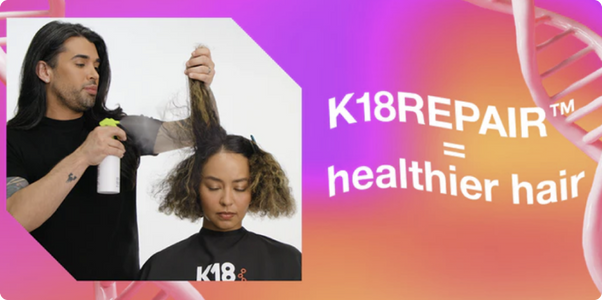

If you've been battling damaged hair that just won't bounce back, you've probably wondered whether peptides for hair follicle repair could be the game-changer you need. While regular supplements work from the inside out through your bloodstream, peptides take a completely different approach, targeting the follicle and scalp level through cellular signalling pathways.
Peptides are short chains of amino acids that can work at the cellular level in hair follicles to support repair processes. Research suggests that peptides affect hair growth through mechanisms like stimulating collagen production and reducing inflammation, though the evidence is still emerging on exactly how they interact with damaged hair structures. Unlike traditional supplements that rely on your body's absorption and distribution systems, peptides work topically, delivering concentrated active ingredients exactly where your hair needs them most.
Understanding how peptides compare to regular supplements can help you make smarter choices about your hair repair routine, especially when dealing with damage from heat styling, chemical treatments, or environmental stressors.
What are peptides and how do they target hair follicles
Peptides are essentially molecular messengers made up of amino acids that can influence cellular processes in hair follicles. Think of them as tiny repair crews that can work at the follicle level to support growth and strengthening processes.
How peptides penetrate hair structure
The key advantage of peptides lies in their targeted approach. Studies have found that certain peptides can penetrate into damaged hair via electrostatic interactions, though this penetration is primarily limited to already-damaged structures. While regular supplements must be broken down, absorbed through your digestive system, and then distributed throughout your body, peptides applied topically can:
-
Work directly at the follicle level
-
Target specific cellular processes within the hair growth cycle
-
Stimulate collagen production and reduce inflammation
-
Support cellular repair processes in the follicle environment
This direct approach means you're delivering concentrated active ingredients exactly where growth processes occur, rather than hoping enough nutrients make it through your system to reach your hair follicles.
Why regular supplements fall short for hair repair
Regular hair supplements typically contain vitamins, minerals, and proteins that support overall hair health. However, they face several limitations when it comes to repairing existing damage.
Your body prioritises these nutrients for essential functions first, and hair gets what's left over. Even if you're taking high-quality supplements, there's no guarantee that damaged follicles will receive enough concentrated nutrients to reverse structural damage that's already occurred.
What results can you expect from peptide hair treatments
The science behind peptide hair repair shows promising results, but understanding realistic timelines and outcomes helps set proper expectations for your hair journey.
How long does it take to see changes
Most people notice initial improvements within the first few applications, though experts have different views on how quickly peptides work. Evidence shows that significant changes typically emerge after consistent use over several months. Based on clinical studies and user experiences, here's what you might expect:
-
First 2-4 weeks - Improved hair texture and manageability
-
1-3 months - Visible reduction in breakage and split ends
-
3-6 months - Research suggests copper peptide serums can increase hair density by up to 27% at this stage
-
6+ months - Enhanced hairline thickness and overall density
Many users find that combining peptide treatments with scalp massage accelerates these results. The massage increases blood circulation, helping peptides penetrate more effectively while stimulating follicle activity.
Managing expectations about ongoing use
One crucial aspect of peptide hair treatments is that benefits require consistent application to maintain results. When people stop using peptide products, their hair often returns to its previous state over time.
This isn't a sign that the treatment failed, but rather evidence that peptides work by actively maintaining and supporting hair growth processes. Think of it like skincare - you wouldn't expect moisturiser benefits to last indefinitely after stopping use.
|
Treatment Type |
How It Works |
Results Timeline |
Maintenance Required |
|---|---|---|---|
|
Peptide Treatments |
Direct follicle stimulation |
2-12 weeks |
Ongoing use needed |
|
Regular Supplements |
Systemic nutrition support |
3-6 months |
Daily intake required |
|
Topical Vitamins |
Surface nourishment |
4-8 weeks |
Regular application |
How to choose the right peptide treatment for your hair type
Not all peptide treatments work the same way, and finding the right approach depends on your specific hair concerns and damage type.
What types of hair damage respond best to peptides
While the evidence is still emerging on exactly which damage types respond best, peptides show promise for addressing structural concerns that affect the hair growth cycle. This may include:
-
Heat damage from styling tools
-
Chemical damage from colouring or processing
-
Environmental damage from UV exposure
-
Age-related changes in hair structure
For damage that has compromised the hair's protein structures, peptide treatments may help support the follicle environment and strengthen anchoring structures from the root level.
Combining peptides with other hair treatments
Many people find enhanced results when combining peptide treatments with complementary approaches. Some effective combinations include:
-
Peptide serums with gentle scalp stimulation techniques
-
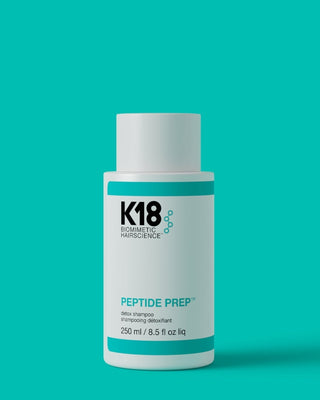
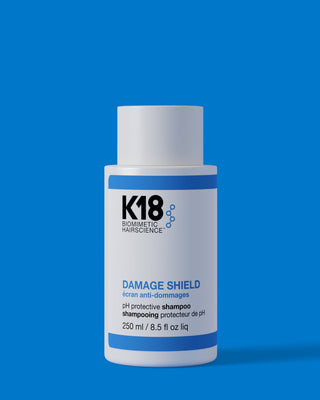
Molecular repair treatments alongside damage-preventing shampoos
-
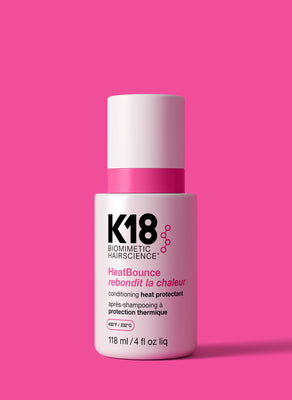
Leave-in peptide treatments with heat protectants
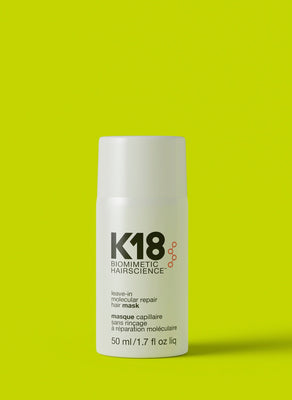
The K18 Leave-In Molecular Repair Hair Mask represents this targeted approach, using patented peptide technology to reverse damage at the molecular level in just minutes.
[collection-carousel="treatment"]
What to watch out for when using peptide hair products
While peptide treatments offer powerful repair benefits, understanding potential challenges helps you get the best results.
Managing product texture and application
Some users notice that peptide products can feel heavier or greasier than regular hair treatments. This is often because peptides require carrier ingredients to penetrate effectively.
To minimise any heavy feeling:
-
Start with smaller amounts and build up as needed
-
Focus application on damaged areas rather than coating all hair
-
Allow products to absorb fully before styling
-
Consider your hair's porosity when determining application frequency
Remember that some texture change is normal as peptides work to support hair structure. What feels different initially often becomes more manageable as your hair responds to treatment.
Understanding product consistency variations
Peptide formulations can be sensitive to manufacturing variations and storage conditions. Some users report slight differences between product batches in texture or fragrance.
While concerning, minor variations don't necessarily indicate product failure. However, significant changes in consistency, colour, or scent warrant contacting the manufacturer to ensure product integrity.
[product-feature="k18-hair-masque-molecular-repair-150ml-wholesale"]
How to maximise your peptide treatment results
Getting the most from peptide hair treatments requires a strategic approach that goes beyond simply applying product.
Creating an effective application routine
Consistency matters more than frequency when it comes to peptide treatments. Many people see better results with regular, moderate use rather than sporadic intensive applications.
Consider this approach:
-
Start with clean hair - Remove product buildup that could block peptide penetration
-
Apply to damp hair - Moisture helps peptides distribute more evenly
-
Focus on damaged areas - Concentrate product where repair is most needed
-
Allow processing time - Let peptides work before adding other products
-
Track your progress - Document changes to adjust routine as needed
Supporting peptide treatments with lifestyle changes
While peptides handle molecular repair, supporting your overall hair health amplifies their effectiveness. Simple changes can make a significant difference:
-
Gentle handling during washing and styling
-
Protection from heat and environmental damage
-
Adequate protein in your diet to support new growth
-
Stress management, which affects hair follicle health
[collection-carousel="bundles"]
When to consider professional hair repair options
While peptide treatments offer powerful at-home repair capabilities, some situations benefit from professional intervention or combination approaches.
Recognising when damage requires professional assessment
Consider consulting a hair professional if you experience:
-
Severe breakage that continues despite treatment
-
Sudden changes in hair texture or growth patterns
-
Scalp irritation or sensitivity to products
-
Industry standards indicate that no improvement after 3-6 months of consistent use warrants professional assessment
Professional stylists can assess damage severity and recommend whether peptide treatments alone will be sufficient or if additional interventions might be helpful.
Combining professional and at-home peptide care
Many people find success combining professional treatments with at-home peptide maintenance. This approach allows for intensive repair sessions followed by consistent molecular maintenance between appointments.
Professional treatments might include deeper penetration techniques or higher concentration formulas, while at-home peptide care maintains and extends these results.
[tip-text="Professional stylists often recommend starting with intensive peptide treatments to address existing damage, then transitioning to maintenance routines once hair health improves."]
What the research says about peptides for hair
Understanding the current state of peptide research helps set realistic expectations for your hair repair journey.
-
Clinical studies show promise - Copper peptide serums demonstrated a 27% increase in hair density after six months of consistent use
-
Multiple mechanisms at work - Research indicates peptides support hair growth through collagen stimulation, improved blood flow, and reduced inflammation at the follicle level
-
Timing matters for results - Most clinical evidence supports significant improvements occurring after 3-6 months of regular application
-
Evidence is still emerging - While promising, we don't yet know for sure exactly how different peptides interact with various types of hair damage
-
Individual responses vary - Not all studies agree on optimal formulations or application frequencies for different hair types
What to do next for your hair repair journey
Understanding how peptides repair damaged hair follicles better than regular supplements gives you the foundation to make informed decisions about your hair care routine.
The key advantage of peptides lies in their ability to work directly at the follicle level through cellular signalling pathways, rather than hoping nutrients reach your hair through your bloodstream. This targeted approach can deliver faster, more noticeable results for supporting hair growth processes.
Start by assessing your specific damage type and hair needs. Focus on consistent application rather than intensive sporadic treatments, and be patient with the repair process. Most people see meaningful improvements within 2-3 months of regular use.
Remember that peptide treatments work best as part of a comprehensive hair care approach that includes damage prevention, gentle handling, and proper nutrition support.
[product-feature="k18-retail-leave-in-molecular-repair-hair-mask-50ml"]
[collection-carousel="bestsellers"]
Key takeaways about peptides vs regular supplements
Peptides offer a fundamentally different approach to hair repair compared to traditional supplements. While supplements support overall hair health through nutritional pathways, research suggests peptides work more directly on follicle processes to support growth and strengthening at the cellular level.
The most significant advantage is precision and targeting - peptides can work at the follicle level and begin supporting repair processes immediately upon application. Regular supplements, while valuable for long-term hair health, cannot target specific follicle processes in the same targeted way.
Success with peptide treatments requires realistic expectations about ongoing use and consistency. The repair benefits show promise in clinical studies, but maintaining results requires continued application rather than one-time fixes.
For anyone dealing with heat damage, chemical processing, or environmental stress on their hair, peptides represent a powerful tool for supporting follicle health and hair integrity. Combined with proper hair care practices and damage prevention, they can help achieve healthier, stronger hair that looks and feels renewed.
