

Blonde hair looks stunning when the colour is fresh, but maintaining that perfect tone between salon visits can feel like a constant battle. Brassy yellow and orange tones creep in faster than you'd like, leaving you searching for the best purple shampoo to keep your blonde looking salon-fresh.
The challenge isn't just finding a toning shampoo that neutralises brassiness effectively. It's finding one that does the job without leaving your hair feeling stripped, dry, or worse, depositing unwanted colour streaks. The wrong approach can damage your hair's health while failing to deliver the toning results you're after.
Understanding how toning shampoos work at a molecular level, plus knowing the key factors that separate effective products from disappointing ones, will help you make the right choice for your specific blonde shade and hair condition.
What Makes Purple Shampoo Work and Why Technique Matters
Purple shampoo works through colour theory. Research in colour science shows that yellow and orange tones in your hair sit opposite purple on the colour wheel, so purple pigments neutralise these warm tones when they come into contact with your hair shaft.
Why Application Method Determines Success
The most critical factor in purple shampoo success isn't which brand you choose, it's how you use it. Multiple professional sources confirm that proper application technique is essential for effective toning without over-processing. Many people treat purple shampoo like regular shampoo, leaving it on their hair for extended periods and wondering why their hair feels damaged afterwards.
Purple shampoo should be used like a toner, applied briefly then rinsed out. Evidence suggests that the pigments work quickly to neutralise brassiness, so extended contact time typically causes more harm than benefit. Professional guidance indicates that 2-5 minutes is sufficient for most formulations.
Professional colourists understand this principle and apply it consistently. When you use purple shampoo correctly, you maintain your colour without compromising your hair's health and moisture levels.
Which Purple Shampoo Characteristics Deliver Results
Not all purple shampoos are created equal. The concentration of purple pigments, the base formula, and additional conditioning agents all impact both effectiveness and hair health.
Pigment Strength and Concentration
Highly pigmented formulas neutralise brassiness more effectively and work faster than moderate-strength versions. Studies on pigment concentration show that stronger formulations deliver enhanced toning power, but they also carry higher risk of over-toning if left on too long.
Some users find that very strong purple shampoos can leave unwanted colour streaks, particularly if application isn't even or if certain sections of hair are more porous than others. Hair science research confirms that damaged or chemically processed hair has increased porosity, leading to uneven absorption of products and pigments.
Moisture and Conditioning Balance
The best toning shampoos balance effective colour correction with hair health. Professional formulations demonstrate how to combine colour-neutralising pigments with conditioning agents to prevent dryness and maintain hair integrity.
Even the most effective purple shampoos can be drying because they're designed to deposit pigment rather than primarily moisturise. This makes your conditioning routine even more important when you're using toning products regularly.
|
Shampoo Characteristic |
Benefits |
Considerations |
|---|---|---|
|
High pigment concentration |
Fast, effective toning |
Risk of over-toning, requires careful timing |
|
Moderate pigment levels |
Gradual, controlled toning |
May need more frequent use |
|
Added conditioning agents |
Less drying, better hair health |
May be less effective at toning |
|
Sulphate-free formulas |
Gentler on colour and hair |
Less cleansing power, different lather |
How to Choose Based on Your Blonde Type and Hair Condition
Your specific blonde shade and hair condition should guide your purple shampoo choice. What works beautifully for platinum blonde might be too strong for honey blonde, and what's perfect for healthy hair might be too harsh for chemically damaged strands.
Matching Product Strength to Hair Needs
Platinum and very light blondes typically need stronger purple shampoos because yellow tones show more dramatically against the lightest base. However, these hair colours often result from extensive bleaching, which means the hair structure is already compromised.
If your hair is significantly damaged from bleaching or chemical processing, prioritise gentler formulas even if they work more slowly. Repairing bleached hair damage should be your first focus before aggressive toning. Professional sources recommend that gentle formulations are better suited for bleached or damaged hair to avoid further stress to compromised strands.
For darker blondes or those with natural highlighting, moderate-strength purple shampoos often provide the right level of toning without risk of over-correction.
Frequency Considerations for Different Hair Types
-
Very light, porous hair may only need purple shampoo once or twice per week
-
Darker blondes might use it 2-3 times weekly for maintenance
-
Freshly coloured hair typically needs less frequent toning initially
-
Hair exposed to sun, chlorine, or hard water may require more frequent use
What Professional Results Look Like and How to Achieve Them
Understanding what realistic results look like helps set proper expectations and prevents overuse. Purple shampoo maintains your colour between salon visits but isn't designed to dramatically change your hair colour or fix major brassiness overnight.
Realistic Timeline and Expectations
Quality purple shampoos show results within 1-3 uses when used correctly, though professional guidance emphasises that the evidence on immediate results is mixed. You should notice reduced yellow tones and brighter, cooler blonde shades without dramatic colour shifts or obvious purple casts.
If you don't see any results after several uses, you might need a stronger formula or should examine your application technique. If you see too much purple or grey toning, reduce frequency or contact time.
Signs Your Current Approach Needs Adjustment
Several indicators suggest your purple shampoo routine needs modification. Hair that feels consistently dry or brittle after use indicates the formula is too harsh or you're using it too frequently.
-
Uneven colour results suggest inconsistent application or varying hair porosity
-
No visible toning effects might mean the formula is too weak or contact time too brief
-
Purple or grey casts indicate over-toning from too strong a product or excessive use
-
Increased breakage suggests your hair needs repair before continuing with toning products
How to Prevent Damage While Maintaining Your Colour
Protecting your hair health while achieving optimal toning results requires a balanced approach that considers your hair's current condition and long-term needs.
Essential Steps for Damage Prevention
Always follow purple shampoo with intensive conditioning. The toning process can strip moisture, so replenishing hydration immediately afterwards maintains hair health and improves colour results.
Consider alternating purple shampoo with gentle cleansing formulas that support colour vibrancy without additional toning. This approach maintains your colour while giving your hair regular breaks from the more intensive toning process.
When to Prioritise Repair Over Toning
If your hair shows significant damage from bleaching or chemical processing, focus on repair before aggressive toning. Damaged hair doesn't hold colour well anyway, so addressing the underlying hair health issues often improves colour results naturally.
Professional treatments and targeted repair approaches can restore your hair's ability to maintain beautiful colour while reducing the need for frequent toning interventions.
[tip-text="For best results, apply purple shampoo to wet hair, work through evenly, and rinse after 1-2 minutes maximum. Always follow with a deep conditioning treatment."]
Alternative Toning Methods Worth Considering
Purple shampoo isn't the only way to maintain your blonde colour. Understanding alternative methods helps you choose the best approach for your specific needs and hair condition.
Toning Masks and Treatments
Toning masks offer more controlled colour correction with added conditioning benefits. These treatments typically contain lower concentrations of purple pigments combined with intensive moisturising agents.
Many users find that alternating between toning masks and purple shampoos provides better overall results. The masks handle deeper conditioning while providing gentle toning, and occasional purple shampoo use addresses more stubborn brassiness.
Professional Toning Options
Regular salon toning treatments can reduce your dependence on at-home purple shampoo. Professional colourists can assess your hair's condition and provide targeted toning that lasts longer and causes less damage than frequent home treatments. Professional guidance indicates that salon toning provides longer-lasting results, allowing you to use purple shampoo less frequently between appointments.
-
Schedule professional toning every 6-8 weeks for maintenance
-
Use gentle purple shampoo sparingly between appointments
-
Focus on hair health and moisture between professional services
-
Discuss your home routine with your colourist for personalised guidance
What the Research Says About Purple Shampoo
Understanding the science behind purple shampoo helps you make informed decisions about your hair care routine.
-
Colour theory confirms that purple pigments effectively neutralise yellow and orange tones through complementary colour cancellation
-
Higher pigment concentrations provide faster, more effective toning but require careful application timing
-
Damaged hair with increased porosity absorbs pigments unevenly, potentially causing streaking
-
Most blonde hair types need purple shampoo only 1-2 times per week for maintenance
-
Evidence on immediate results is mixed – while some users see changes after one use, experts emphasise gradual improvement over time
-
Professional toning treatments last longer than at-home products, reducing the need for frequent purple shampoo use
What to Do Next for Optimal Blonde Hair Health
Maintaining beautiful blonde colour while protecting your hair health requires the right products and consistent techniques. Start with a moderate-strength purple shampoo and adjust frequency based on your results.
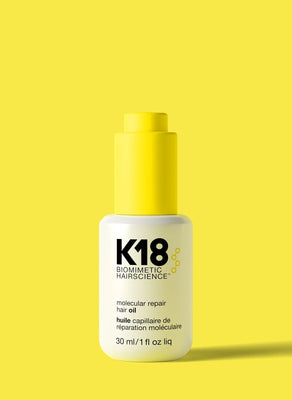
Prioritise hair repair alongside colour maintenance. Molecular repair treatments can restore your hair's structure, making it better able to hold colour and reducing the need for frequent toning.
[collection-carousel="treatment"]
Monitor your hair's response to any new purple shampoo routine. Adjust frequency and contact time based on your hair's condition and the results you're seeing. Remember that healthy hair holds colour better and looks more vibrant overall.
[collection-carousel="maintenance-routine"]
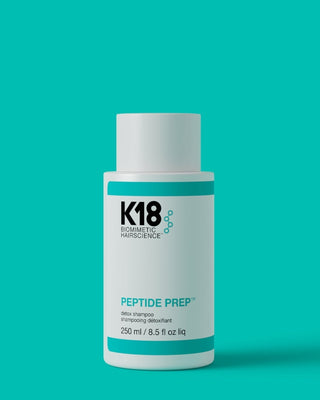
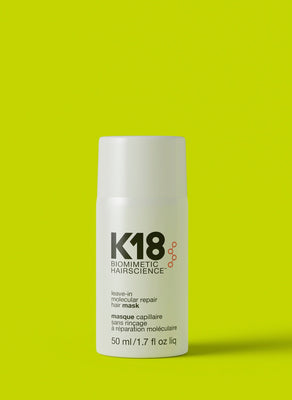
[product-feature="k18-leave-in-molecular-repair-hair-mask-5ml"] [product-feature="k18-official-retail-peptide-prep-detox-shampoo"]
Professional guidance can help optimise your approach, especially if you're dealing with damaged hair or inconsistent results. Your colourist can recommend specific products and techniques based on your hair's unique needs and your colour goals.
Key Takeaways for Long-Term Success
Choosing the right purple shampoo involves balancing effectiveness with hair health. Use purple shampoo like a toner rather than regular shampoo, applying briefly and rinsing thoroughly. Always prioritise moisture and conditioning alongside colour maintenance.
Your hair's condition matters more than the specific brand you choose. Focus on preventing damage during bleaching and repairing existing damage before pursuing aggressive toning routines.
Remember that maintaining beautiful blonde hair is a marathon, not a sprint. Gentle, consistent care produces better long-term results than harsh, frequent interventions. When in doubt, err on the side of caution and consult with professional colourists who understand your hair's unique needs.
