

Purple shampoo has become the holy grail for blonde hair maintenance, but figuring out how often to use purple shampoo can feel like navigating a minefield. Research confirms that using it too frequently risks drying out your hair or creating unwanted ashy tones. Skip it entirely and brassiness creeps in faster than you'd like.
The truth is, purple shampoo frequency isn't one-size-fits-all. Studies consistently show that your hair's unique characteristics, damage level, and colour history all play crucial roles in determining the perfect routine. What works for your friend's platinum locks might leave your honey blonde looking lifeless.
This guide breaks down the science behind purple shampoo timing, reveals the telltale signs your hair is ready for toning, and helps you build a routine that keeps your blonde looking fresh without compromising hair health.
What Determines Your Purple Shampoo Schedule
Why Hair Tone and Colour History Matter
Your starting point determines everything. Fresh highlights respond differently than months-old colour, and the underlying pigments in your hair create unique toning needs.
Professional colourists confirm that darker blonde tones often benefit from blue-based shampoos rather than traditional purple formulas. The colour wheel tells the story here - purple neutralises yellow tones, while blue tackles orange and copper undertones more effectively.
How Processing Level Affects Frequency
Highly processed hair absorbs purple pigments faster and more intensely. Evidence shows that bleached or highly processed hair is very porous, allowing it to absorb toning pigments more quickly compared to less processed hair. If your hair has been through multiple bleaching sessions or chemical treatments, you'll likely need less frequent applications to achieve the same toning effect.
Meanwhile, virgin hair that's been lightened for the first time may resist toning initially, though the evidence on this specific scenario is still emerging. Understanding your hair's bleaching and repair history helps calibrate your approach.
When to Start Using Purple Shampoo After Colouring
The Timing Question Explained
Professional advice on timing varies - while some recommend waiting several weeks after fresh colour, industry experts suggest starting approximately one to two weeks after salon service or when brassiness first appears. The key is protecting your salon toner, which needs time to settle and oxidise properly.
Using purple shampoo at the wrong time can affect your carefully applied colour balance. However, the evidence doesn't support claims that it strips toner or causes patchiness - instead, the main risk is over-depositing purple pigment.
Signs Your Hair Is Ready for Purple Shampoo
Watch for these indicators that it's time to start toning:
-
Subtle warmth appearing in your roots or mid-lengths
-
Your colour looking slightly less vibrant than when you left the salon
-
Yellow or brassy tones becoming noticeable in natural light
-
Your toner beginning to fade around the two-week mark
Research suggests that preventive toning can be more effective than aggressive correction, though the evidence on optimal timing strategies is still developing. Start gentle and adjust based on your hair's response.
How Often Should Different Hair Types Use Purple Shampoo
|
Hair Type |
Recommended Frequency |
Key Considerations |
|---|---|---|
|
Fine, highly processed blonde |
Once weekly maximum |
Absorbs pigment quickly; prone to over-toning |
|
Coarse, virgin blonde |
1-2 times per week |
May need consistent use, though evidence is mixed on frequency |
|
Medium texture, moderate processing |
1-2 times per week |
Most adaptable; adjust based on results |
|
Damaged or chemically treated |
Once weekly with conditioning |
Requires extra moisture and gentle formulations |
Adjusting for Your Environment
External factors influence how quickly your blonde fades. Hard water, chlorine exposure, and UV radiation all accelerate brassiness, potentially requiring more frequent purple shampoo use.
Conversely, if you live in an area with soft water and minimal sun exposure, you might extend the time between toning sessions without compromising colour quality.
How to Minimise Dryness While Using Purple Shampoo
Why Purple Shampoo Can Be Drying
Purple shampoos contain cleansing agents and colour-depositing ingredients that can strip natural oils and disrupt the hair cuticle, especially with frequent use. While specific concentration comparisons aren't well documented, the formulations are designed for toning effectiveness rather than gentle cleansing.
Gentler Application Methods
Consider these strategies to maintain toning benefits while protecting hair health:
-
Mix purple shampoo with your regular shampoo for diluted toning
-
Use purple conditioner instead of or alongside purple shampoo
-
Apply to damp rather than soaking wet hair for better control
-
Focus application on areas that yellow fastest, typically mid-lengths and ends
-
Always follow with a deeply hydrating conditioner or treatment
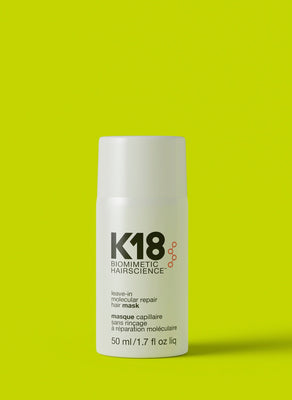
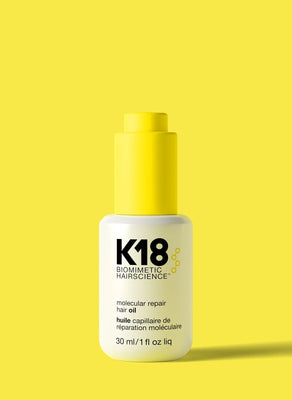
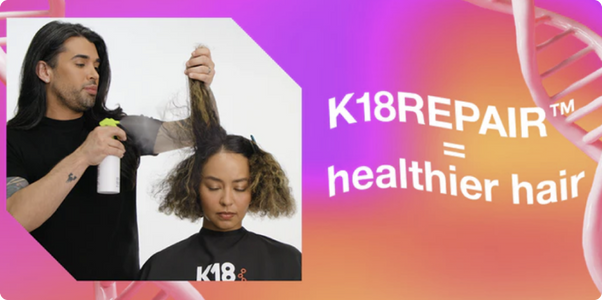
For severely damaged hair, incorporating a molecular repair treatment between purple shampoo sessions helps restore structural integrity while maintaining colour.
[collection-carousel="treatment"]
What Results to Expect and When
Immediate Versus Cumulative Effects
Purple shampoo doesn't work like traditional hair colour. You'll notice subtle toning after the first use, with results building gradually over subsequent applications.
Most people see significant brassiness reduction within 2-3 uses, while optimal tone typically develops over 2-3 weeks of consistent application. Dramatic overnight changes usually indicate over-processing.
Warning Signs You're Using Too Much
Monitor your hair for these red flags that suggest reducing frequency:
-
Hair feeling noticeably drier or more brittle
-
Colour appearing flat, ashy, or greyish
-
Uneven toning with some sections looking darker than others
-
Increased tangling or difficulty styling
-
Purple or lavender tints that don't wash out
What the Research Says About Purple Shampoo
Understanding the evidence behind purple shampoo helps you use it more effectively:
-
Overuse risks are real - Multiple studies confirm that excessive use leads to dryness, brittleness, and unwanted ashy tones
-
Hair porosity matters - Highly processed hair absorbs purple pigments faster, requiring less frequent application
-
Colour theory works - Blue-based products effectively neutralise orange tones in darker blondes, while purple targets yellow
-
Individual variation is significant - Optimal frequency depends on hair type, processing history, and environmental factors
-
Evidence gaps exist - Specific timing after colouring and effects on virgin hair need more research to establish definitive guidelines
Building Your Complete Blonde Maintenance Routine
The Weekly Schedule That Works
A balanced approach typically looks like this:
-
Week 1-2 post-colour - Use regular, gentle shampoo only
-
Week 2-3 onwards - Introduce purple shampoo once weekly
-
Ongoing maintenance - Adjust frequency based on brassiness and hair response
-
Monthly reset - Deep conditioning treatment to restore moisture balance
Pairing Purple Shampoo with Protective Products
Purple shampoo works best as part of a comprehensive blonde care system. Damage prevention strategies should run parallel to your toning routine.
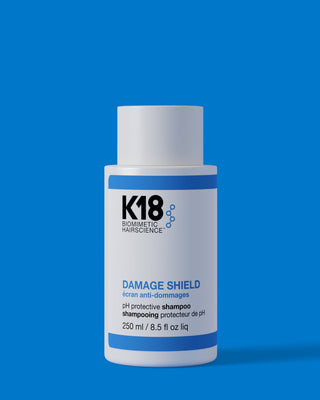
Consider alternating purple shampoo days with a damage-shielding protective shampoo that fortifies hair structure while maintaining cleanliness. This approach balances colour maintenance with hair health.
[collection-carousel="shampoo"]
What to Do When Purple Shampoo Isn't Working
Common Troubleshooting Scenarios
If you're not seeing the toning results you expect, consider these factors:
-
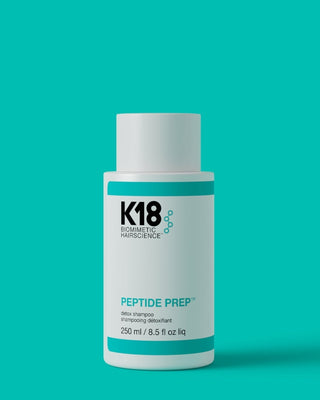
Product buildup - Clarifying shampoo may be needed before purple shampoo can penetrate effectively
-
Wrong colour base - Orange undertones require blue-based products, not purple
-
Insufficient processing time - Some formulas need 3-5 minutes to work, not just a quick rinse
-
Hair too damaged - Severely compromised cuticles may not hold toning pigments properly
When to Seek Professional Help
Schedule a salon consultation if you experience persistent brassiness despite consistent purple shampoo use, uneven toning results, or significant hair damage. Professional colour correction may be necessary to reset your base before home maintenance can be effective.
Next Steps for Healthier Blonde Hair
Successful blonde maintenance starts with understanding your hair's unique needs and responding accordingly. Begin with conservative purple shampoo frequency and adjust based on your results and hair's condition.
Remember that healthy hair holds colour better and longer. Incorporating molecular repair treatments alongside your toning routine creates the foundation for vibrant, resilient blonde that requires less frequent correction.
[product-feature="k18-leave-in-molecular-repair-hair-mask-5ml"]
For comprehensive blonde care, pair your purple shampoo routine with products designed to repair and protect chemically treated hair. This dual approach maintains your desired tone while preserving hair integrity for the long term.
[product-feature="damage-shield-protective-shampoo"]
Building Long-Term Colour Success
The most successful blonde maintenance routines evolve with your hair. What works immediately after colouring may need adjustment as your hair grows and changes. Stay flexible, monitor your results, and prioritise hair health alongside colour goals.
Quality purple shampoo used thoughtfully will keep your blonde looking salon-fresh between appointments, while a solid repair and protection routine ensures your hair stays strong enough to handle ongoing chemical processing.
