

Nothing kills the excitement of fresh blonde highlights quite like watching them turn an unwelcome shade of orange or yellow. Brassy hair is one of the most common frustrations for anyone who colours their hair lighter, whether you're going platinum blonde, adding highlights, or just trying to brighten your natural colour.
Brassiness occurs when unwanted warm pigments become visible in lightened hair, creating orange, yellow, or copper tones instead of the cool, neutral shades you were aiming for. Multiple hair colour experts consistently define this as unwanted warm tones that emerge when cool pigments fade or underlying pigments oxidise. While it might seem like an inevitable part of the colouring process, understanding what causes brassy hair and how to prevent it can help you maintain that salon-fresh look for longer.
The good news is that brassy hair isn't permanent, and with the right approach, you can both fix existing brassiness and prevent it from happening again. Let's dive into the science behind what's happening to your hair and explore the most effective solutions.
What Exactly Is Brassy Hair and Why Does It Happen
Brassy hair refers to the unwanted warm tones that appear in lightened hair, typically showing up as yellow, orange, or copper hues. These tones become visible when the cooler pigments in your hair colour fade or wash out, leaving behind the underlying warm pigments that naturally exist in your hair.
How Hair Lightening Reveals Underlying Pigments
When hair is bleached or lightened, the process doesn't just remove colour randomly. It follows a specific sequence, breaking down darker pigments first and leaving lighter ones behind. Natural hair contains melanin pigments in various shades, and as these are lifted during lightening, your hair progresses through predictable colour stages.
Starting from dark brown or black, hair typically moves through these stages during lightening:
-
Dark brown to medium brown
-
Medium brown to light brown
-
Light brown to dark orange
-
Dark orange to light orange
-
Light orange to dark yellow
-
Dark yellow to pale yellow
The key issue is that many people stop the lightening process too early, leaving their hair at the orange or dark yellow stage. Professional hair colour science shows that incomplete lightening is a primary cause of persistent brassiness, as full neutralisation requires lifting to pale yellow levels. When toner is applied over insufficiently lightened hair, it may initially cover these warm tones, but as the toner fades, the underlying brassiness becomes visible again.
Why Some Hair Gets Brassy Faster Than Others
Several factors influence how quickly your hair develops brassy tones and how stubborn they are to remove. Hair porosity plays a crucial role here - highly porous hair absorbs colour quickly but also releases it just as fast, leading to quicker fading and the return of warm tones.
Your natural hair colour also matters significantly. Research consistently shows that darker hair contains more red and orange pigments, making it more prone to brassiness when lightened. These underlying pigments are harder to eliminate completely, which is why achieving and maintaining cool blonde tones is typically more challenging for those with naturally dark hair.
What Environmental Factors Make Brassy Hair Worse
Even if your hair was perfectly toned at the salon, environmental factors can quickly bring back those unwanted warm tones. Understanding these culprits helps you take preventive action.
How Water Quality Affects Your Hair Colour
Water quality is one of the most overlooked causes of brassy hair. Hard water, which contains high levels of minerals like iron, copper, and calcium, can deposit these minerals onto your hair shaft over time. Studies show that hard water affects approximately 85% of households and creates mineral buildup that causes both dullness and brassiness.
If you live in an area with hard water or older copper pipes, these mineral deposits can build up on your hair, making it appear dull and brassy. The minerals can also interfere with how hair products work, making your toner less effective and causing colour to fade more quickly.
|
Water Type |
Mineral Content |
Effect on Hair |
Solutions |
|---|---|---|---|
|
Soft Water |
Low minerals |
Better colour retention |
Maintain regular care routine |
|
Moderately Hard |
Medium minerals |
Some buildup over time |
Weekly clarifying treatment |
|
Very Hard Water |
High minerals |
Rapid colour fading and buildup |
Water filter or daily clarifying |
Heat and Sun Exposure Effects
Heat styling and sun exposure can accelerate colour fading and bring out brassy tones. UV rays break down hair colour molecules through photobleaching, revealing underlying warm pigments, while excessive heat from styling tools can damage the hair cuticle, making it more porous and less able to hold onto cool tones.
Chlorine from swimming pools is another major culprit, particularly problematic for blonde hair. The chemical reaction between chlorine and copper in pool water can create a greenish tint, while the chlorine itself strips away toner and protective treatments.
How Poor Salon Technique Contributes to Brassiness
Sometimes the problem isn't what happens after you leave the salon, but what happens during your appointment. Several technical issues during the colouring process can set you up for rapid colour fading and brassiness.
When Hair Isn't Lightened Enough
The most common salon mistake that leads to persistent brassiness is not lightening the hair to a pale enough level before applying toner. If your hair is only lifted to a dark yellow or orange stage, the toner applied over it will be fighting against strong underlying pigments.
Professional colourists often aim to lighten hair one level beyond the desired final result. This means if you want a level 8 blonde, your hair should be lightened to at least a level 9 before toning. This extra lightening provides a better base for the toner to work effectively and last longer.
Insufficient Toner Processing Time
Toner needs adequate time to penetrate the hair cuticle and neutralise unwanted tones effectively. Professional hair colour guides specify that toners typically require 5-20 minutes processing time to allow pigmented molecules to deposit properly within the hair shaft. When toner is rushed through the process or not given enough development time, it may only work on the surface level, leading to quicker fading and the return of brassiness within days.
Proper toner application involves not just the right product choice, but also adequate processing time and even application throughout all the lightened sections. Uneven application can result in patchy colour that looks brassy in some areas while remaining cool in others.
How to Fix Existing Brassy Hair at Home
If you're already dealing with brassy tones, several approaches can help neutralise them and restore your desired colour. The key is understanding colour theory and choosing the right products for your specific type of brassiness.
Understanding Colour Correction Principles
Colour correction works on the principle of using opposite colours on the colour wheel to neutralise unwanted tones. Hair colour theory confirms that purple cancels out yellow, while blue neutralises orange tones. This is why purple shampoo is so effective for yellow brassiness, and blue-based products work better for orange tones.
However, timing is crucial when using these corrective products. Using purple shampoo too soon after a fresh toning treatment can actually strip away the professionally applied toner, making the problem worse. It's generally better to wait at least a week after salon colouring before introducing purple shampoo into your routine.
Effective Home Treatment Options
For immediate brassiness relief, consider these approaches in order of gentleness:
-
Colour-depositing shampoo and conditioner - Use products specifically designed for your hair colour to gradually neutralise unwanted tones
-
Toning treatments - Semi-permanent colour treatments that can be applied at home for more dramatic results
-
Professional colour correction - For severe brassiness or if home treatments aren't working effectively
When dealing with damaged hair that's become brassy, addressing the underlying damage is just as important as colour correction. Repairing bleached hair can improve how well your hair holds onto colour and reduce future fading.
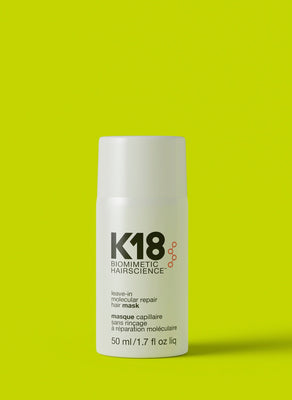
[product-feature="k18-leave-in-molecular-repair-hair-mask-5ml"]
What Prevention Strategies Work Best
Preventing brassiness is much easier than fixing it after it appears. A comprehensive prevention strategy addresses both the initial colouring process and ongoing maintenance.
Proper Hair Preparation Before Colouring
The foundation for long-lasting colour starts before you even apply bleach or toner. Hair that's in good condition holds colour better and fades more evenly. Preventing bleach damage begins with proper preparation and realistic expectations about the lightening process.
Professional hair care experts recommend having your hair assessed for porosity issues before major colour changes. Research shows that different porosity levels significantly impact colour absorption and retention, requiring specific preparation methods to avoid patchiness or fading. High porosity hair may benefit from protein treatments to help even out the hair's ability to absorb and retain colour.
Maintenance Routine for Colour-Treated Hair
Your daily hair care routine plays a massive role in how long your colour stays fresh. Start with products specifically formulated for colour-treated hair, which are typically gentler and contain ingredients that help lock in colour molecules.
|
Product Type |
Frequency |
Purpose |
Key Features |
|---|---|---|---|
|
Colour-safe shampoo |
2-3 times per week |
Gentle cleansing |
Sulphate-free, pH balanced |
|
Purple shampoo |
1-2 times per week |
Tone maintenance |
Violet pigments to neutralise yellow |
|
Deep conditioning |
Weekly |
Moisture and repair |
Protein and moisture balance |
|
Heat protectant |
Before styling |
Prevent damage |
Thermal protection up to 230°C |
Environmental Protection Strategies
Protecting your colour from environmental damage requires daily awareness and some simple adjustments to your routine. UV protection for hair is just as important as it is for your skin, especially if you spend time outdoors regularly.
If you're dealing with hard water issues, consider installing a shower filter or using a clarifying treatment weekly to remove mineral buildup. Some people find that switching to bottled or filtered water for their final rinse helps maintain colour vibrancy.
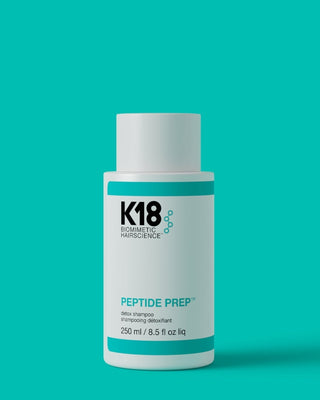
[product-feature="k18-official-retail-peptide-prep-detox-shampoo"]
When to Seek Professional Help
While many cases of mild brassiness can be managed at home, some situations require professional intervention. Recognising when you've reached the limits of DIY fixes can save you from further damaging your hair.
Signs You Need Professional Colour Correction
Seek professional help if you notice any of these warning signs:
-
Your hair has become significantly more orange or yellow after attempting home correction
-
The brassiness is uneven, with some sections much more affected than others
-
Your hair feels increasingly damaged, elastic, or brittle
-
Home toning products aren't making any noticeable difference after several weeks
-
You're experiencing significant breakage or hair loss
Professional colourists have access to stronger corrective products and the expertise to assess what your hair can safely handle. Industry professionals emphasise that uneven brassiness requires sectional analysis and targeted treatments that are best handled in salon. They can also determine if the brassiness is due to insufficient initial lightening, which may require additional bleaching that's best done professionally.
Questions to Ask Your Stylist
When discussing brassiness issues with your stylist, come prepared with specific questions about your situation:
-
Was my hair lightened to an appropriate level for my desired colour?
-
What type of toner was used, and how long should I expect it to last?
-
What's the best maintenance routine for my specific colour and hair type?
-
How often should I book toning appointments to maintain my colour?
-
Are there any environmental factors I should be particularly concerned about?
A good stylist will also discuss realistic expectations for your hair colour journey, especially if you're trying to go significantly lighter than your natural colour or if you have resistant hair.
What the Research Says About Brassy Hair Prevention
-
Hair porosity testing is crucial - Multiple studies confirm that assessing porosity before major colour changes prevents uneven absorption and faster fading
-
Incomplete lightening is the main culprit - Professional hair colour science shows stopping at orange or dark yellow stages leaves warm tones that inevitably return as toner fades
-
Hard water affects 85% of households - Mineral deposits from hard water create significant colour fading and brassiness issues
-
Processing time matters - Evidence shows toners need 5-20 minutes to properly penetrate and neutralise unwanted tones
-
UV damage is cumulative - Research indicates sun exposure causes ongoing photobleaching that reveals underlying warm pigments over time
-
Individual variation is significant - Studies note that darker natural hair colours and highly porous hair consistently show faster brassiness development, though specific timelines vary between individuals
How We Can Help You Achieve Hair Like New
At K18, we understand that brassy hair often goes hand in hand with damage from the lightening process. Our biotech-driven approach targets hair damage at the molecular level, not just covering it up on the surface.
The patented K18PEPTIDE™ works to repair broken keratin chains that can contribute to porosity issues and poor colour retention. When your hair is healthier at the molecular level, it's better able to hold onto colour and resist environmental damage that leads to brassiness.
[collection-carousel="treatment"]
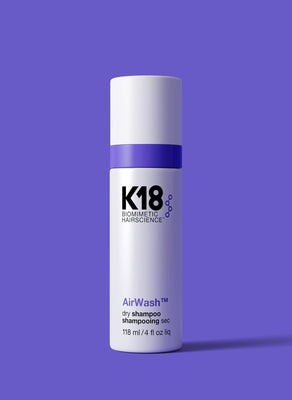
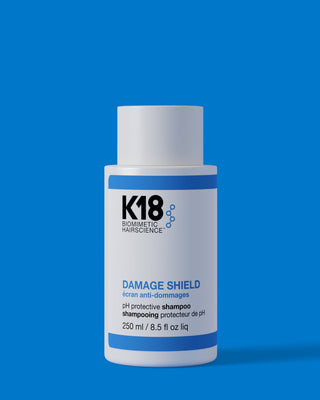
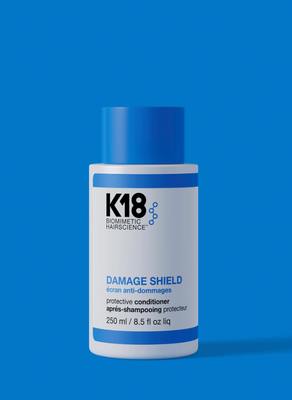
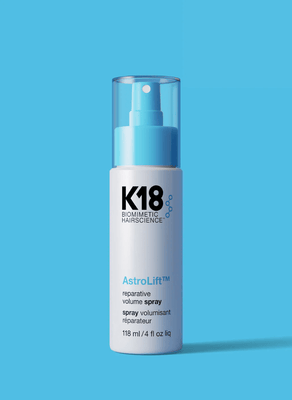
For ongoing maintenance, our damage-shielding shampoos help protect your colour investment while keeping your hair clean and healthy. Regular use of molecular repair treatments can help extend the time between salon visits and keep your colour looking fresh longer.
[tip-text="Always wait at least 48-72 hours after any chemical service before using molecular repair treatments to allow the colour to fully set"] [collection-carousel="bestsellers"]
Whether you're dealing with existing brassiness or want to prevent it from happening, combining proper colour maintenance with molecular repair technology gives you the best chance of achieving truly healthy, vibrant hair that stays beautiful longer.
Key Takeaways for Brass-Free Hair
Managing brassy hair successfully requires understanding both the causes and the solutions. The most effective approach combines proper salon technique, appropriate home maintenance, and protection from environmental damage.
Remember that some degree of colour fading is normal, especially in the first few weeks after colouring. However, with the right care routine and realistic expectations, you can significantly extend the life of your colour and minimise unwanted warm tones.
Focus on gentle, colour-safe products for daily use, and don't rush into corrective treatments immediately after salon services. Your hair needs time to settle into its new colour, and patience often yields better results than aggressive intervention.
Most importantly, addressing underlying hair damage will improve your hair's ability to hold colour and resist brassiness in the long term. Healthy hair is always the foundation for beautiful, long-lasting colour.
