


If your hair has started shedding more than usual, or your scalp feels tight and flaky no matter what you try, you have probably typed "trichologist" into a search bar at some point. The word sounds clinical and reassuring, which is part of why it gets used so loosely. So before you book anything, it helps to know what a trichologist genuinely does, where their expertise ends, and how their advice fits alongside a dermatologist, a GP and the products sitting in your bathroom.
What is a trichologist
A trichologist is a specialist in hair and scalp health. The focus sits on the hair fibre itself, the follicle it grows from, and the skin of the scalp underneath. A good trichologist spends their time on things like patterned menopause hair thinning, diffuse shedding, scalp conditions such as seborrhoeic dermatitis, and chronic breakage from colour or heat. They look at the whole picture: lifestyle, diet, stress, medication, hormones and how you treat your hair day to day.
The job is part detective, part educator. Hair grows slowly, so a trichologist is often working backwards from what they see now to what happened three or four months ago. They will ask a lot of questions, then match the pattern of loss or damage to a likely cause and a realistic plan.
How a trichologist differs from a dermatologist and a hairdresser
This is where most of the confusion sits, and it matters more in Australia than people realise. A dermatologist is a registered medical doctor who has completed years of postgraduate training in skin, hair and nails. They can order investigations, diagnose disease, perform scalp biopsies and prescribe restricted medicines. If a hair problem turns out to be an autoimmune condition or a scarring scalp disease, a dermatologist is the person who treats it.
A hairdresser is trained in cutting, colouring and styling. A skilled stylist will often be the first to notice thinning at your part line or breakage along a colour line, and a switched-on salon will refer you onward. What they are not trained to do is diagnose a medical cause.
A trichologist sits between those two. Here is the part worth reading twice: in Australia "trichologist" is not a protected medical title. Anyone can use the word, and training varies enormously, from a weekend course to a structured multi-year program. That does not make trichology worthless, far from it, but it does put the responsibility on you to check credentials. Look for recognised, assessed training and membership of a professional body such as the International Association of Trichologists, which sets a study standard and a code of practice. Ask where they trained, how long it took, and whether they hold current association membership. A reputable practitioner will answer happily.
Trichologist vs dermatologist vs GP
Each of these has a different remit, and the right starting point depends on your symptoms.
| Practitioner | What they do | Can they prescribe | When to see them |
|---|---|---|---|
| Trichologist | Assess hair and scalp, identify patterns of thinning, shedding and breakage, advise on routine, nutrition and topical care, refer onward | No restricted medicines | Ongoing thinning, shedding, breakage or a stubborn flaky scalp with no alarming signs |
| Dermatologist | Medical diagnosis of hair and scalp disease, scalp biopsy, blood test interpretation, prescription treatment | Yes | Patchy bald spots, scarring, scalp pain, suspected skin disease, hair loss that is not responding |
| GP | First medical port of call, basic examination, bloods, referral to a dermatologist or endocrinologist | Yes | Sudden loss, loss with other symptoms (fatigue, weight change), or when you need a referral and a rebate |
What actually happens in a consultation
A first appointment usually runs longer than you expect, often forty-five minutes to an hour. Most of that time goes on history. Expect questions about when the problem started, your family history of hair loss, recent illness or surgery, crash diets, new medications, contraception changes, iron levels and how much stress you have been carrying. Hair responds to all of it, so none of these questions are idle.
The physical part typically includes:
- Scalp analysis under magnification, often with a digital microscope, to look at follicle density, the ratio of thick to fine hairs, and the condition of the scalp skin.
- A pull test, where a small section of hair is gently tugged to gauge how much is shedding and at what stage of the growth cycle.
- A close look at the hair fibre itself for signs of breakage, weathering and porosity, especially if you colour or heat-style often.
- A referral for blood tests through your GP if iron, ferritin, thyroid or vitamin D look like they could be playing a part.
You should leave with a clear explanation of what they think is going on and a plan you can actually follow. If the assessment points to something medical, a responsible trichologist will tell you to see a GP or dermatologist rather than trying to manage it alone.
The concerns a trichologist helps with
Trichologists are at their best with the slow, frustrating problems that are real but not dangerous. Common reasons people book in include:
- General thinning and reduced density, including early female and male pattern hair loss.
- Increased shedding after a stressful event, illness or significant weight loss, known as telogen effluvium.
- Post-partum hair loss, the heavy shed many people notice two to four months after giving birth.
- Scalp conditions such as dandruff, seborrhoeic dermatitis and general irritation or build-up.
- Breakage and mid-length snapping from over-processing, tight styling or aggressive heat use.
Post-partum shedding deserves a mention on its own, because it frightens people. In most cases it settles on its own as hormones rebalance over six to twelve months, and a trichologist can confirm that this is what you are dealing with rather than something that needs treatment. That reassurance, backed by a proper look at your scalp, is worth a lot.
When to skip the trichologist and see a doctor first
Some signs are not for a trichologist to manage, and recognising them quickly protects your hair long term. Book a GP or dermatologist as your first stop if you notice any of these red flags:
- Sudden patchy hair loss with smooth, coin-shaped bald spots, which can point to alopecia areata.
- Visible scarring, shiny smooth patches where the follicles seem to have disappeared, since scarring loss can be permanent if left.
- Scalp pain, burning, sores, pustules or anything that looks infected.
- Rapid loss alongside other symptoms such as extreme fatigue, unexplained weight change or new skin rashes elsewhere.
Scarring conditions are the big one. Once a follicle scars over, the hair will not come back, so time genuinely matters. When loss is fast, painful or patchy, a medical doctor needs to lead.
What a trichologist cannot do
The honest limit is prescribing. A trichologist who is not also a doctor cannot write a script for restricted medicines, cannot diagnose disease in a legal medical sense, and cannot perform a biopsy. They also cannot promise to regrow hair where the follicle is already gone. Anyone guaranteeing dramatic regrowth from a product or a program alone is overselling, and that is a reason to be cautious rather than impressed. The most useful trichologists are clear about the line between what they can help with and what belongs with a doctor.
How professional advice and a good at-home routine work together
A consultation gives you the diagnosis and direction. What happens in your bathroom every week is what holds the result in place. The two are not in competition. If a trichologist confirms that your shedding is settling but your lengths are fragile from years of colour, the practical answer is gentler handling, less heat, and a routine that supports the strength of the hair you still have.
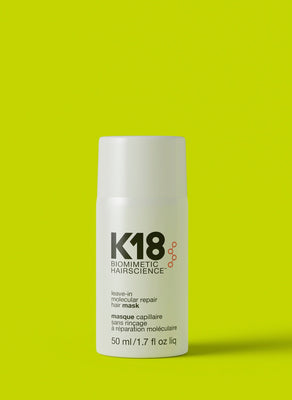
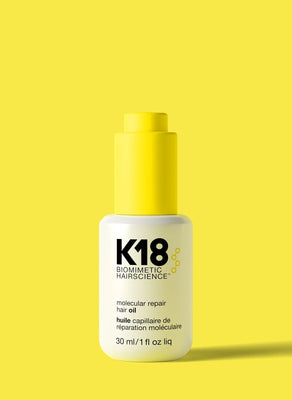
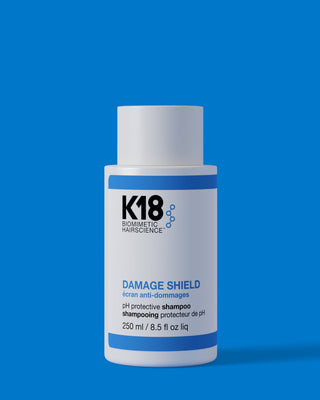
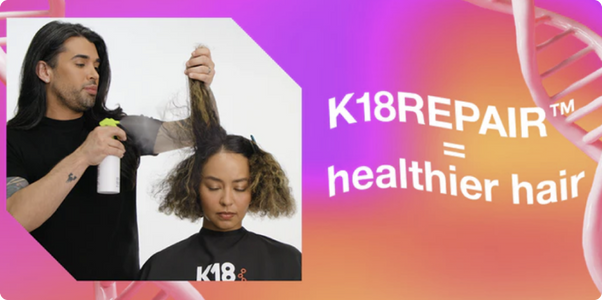
This is where bond-building care earns its place. The K18PEPTIDE works inside the hair fibre to help reconnect broken keratin chains, the internal structure that colour, bleach and heat slowly wear down. It will not change what is happening at the follicle, and we would never pretend it does. What it can do is keep mid-lengths and ends stronger so that breakage stops adding to the problem while your scalp and growth get sorted at the source. A clarified, balanced scalp is part of that picture too, which is where a clean starting point helps everything that follows.
[product-feature="k18-official-retail-peptide-prep-detox-shampoo"]
It is the same thinking behind Future IQ, our science-led range arriving in July. We built it with trichologist and doctor input precisely because hair and scalp health is not a one-product fix, and the people who understand follicles for a living should have a say in what goes on your head. More on that closer to launch.
[collection-carousel="bestsellers"]
The short version
See a trichologist for ongoing thinning, shedding, scalp niggles and breakage, once you have checked their training and association membership. Go straight to a GP or dermatologist for sudden patchy loss, scarring, pain or anything that looks like disease. Treat a trichologist's advice as the strategy and a considered at-home routine as the daily upkeep that protects the hair you are trying to keep.
