

If your hair is shedding more than usual and nobody can tell you why, your blood work might hold the answer. The connection between ferritin and hair loss is one of the most overlooked pieces of the puzzle, yet it shows up again and again once people start reading their own lab results closely. Ferritin is the protein that stores iron in your body, and when those stores run low, your follicles are often the first to feel it. This is well established science, with authoritative sources describing ferritin as the body's major iron-storage protein, sequestering iron in a safe, ready-to-use form.
Hair is a non-essential tissue in biological terms, which means your body will happily divert iron away from it to keep vital organs running. That is why low iron reserves can quietly trigger thinning long before you feel classic symptoms like fatigue. Studies have found that low ferritin is linked to diffuse thinning across the scalp, and clinicians often evaluate ferritin in patients with diffuse hair loss. That said, the evidence is not uniform, and at least one study found no clear direct link, so low ferritin is best treated as a likely contributor rather than a guaranteed cause in every case. Here you will learn what ferritin actually measures, why a "normal" result can still be too low for hair, which other markers matter, and how to turn confusing numbers into a clear plan.
What Is Ferritin And Why Does It Matter For Hair?
Ferritin is a storage protein that holds iron in reserve. Think of it as your body's iron savings account. A serum ferritin test tells you how much iron you have banked, which is a far better indicator of long-term status than a single snapshot of iron floating in your blood.
Hair follicles are among the most metabolically active cells in the body. They need a steady supply of iron and oxygen to keep the growth phase running. When ferritin drops, follicles can shift prematurely into a resting and shedding phase, producing the diffuse thinning many people notice across the whole scalp rather than in one patch.
Why Does A "Normal" Ferritin Result Still Cause Shedding?
Here is the catch that trips up so many people. Standard lab reference ranges often flag ferritin as "normal" once it clears single digits or the low teens. That threshold is set to rule out anaemia, not to optimise hair growth. This is broadly true across many labs, with lower limits commonly sitting around 13 to 15 ng/mL for women, though reference ranges do vary by lab, sex, age, and method. Community observations and a growing number of practitioners suggest hair often needs considerably more headroom.
-
Many report that ferritin sitting above roughly 60 to 70 ng/mL is where regrowth tends to become achievable. The evidence here is mixed. Some dermatology reviews use hair-specific targets around 40 to 60 ng/mL or higher, but experts have different views and there is no single magic number that works for everyone.
-
Some find they need to push closer to 100 ng/mL before shedding settles. This is best seen as an individual anecdote rather than a proven rule, as the literature supports a broader target range instead of a firm near-100 figure.
-
A result of, say, 25 ng/mL can be labelled "fine" on paper while your follicles are still starved.
The lesson is simple. Do not accept "your levels are normal" at face value. Ask for the actual number and compare it against the range that matters for hair, not just the range that rules out disease.
Which Blood Tests Should You Ask For?
Ferritin is the headline act, but it rarely works alone. A broader panel gives you context and helps you avoid chasing the wrong culprit. Iron deficiency is common, and evidence confirms it is especially common in women. Deficiencies or disorders involving zinc, certain B vitamins, and thyroid function can also contribute to hair loss in some people, though the strength of the link varies by nutrient, so a full picture matters.
What Does A Useful Hair-Focused Panel Include?
-
Ferritin - your iron reserves, the single most telling marker for hair.
-
Serum iron and transferrin saturation - to see how much iron is available and being carried.
-
Full blood count - to check for anaemia and overall red cell health.
-
Zinc - low levels are linked to increased shedding for many people.
-
Vitamin B12 and folate - deficiencies here can quietly worsen hair loss.
-
Thyroid panel - both underactive and overactive thyroid can drive diffuse thinning. Review literature and thyroid organisations confirm that both hypothyroidism and hyperthyroidism can cause diffuse hair loss across the scalp.
-
Vitamin D - frequently low and increasingly linked to follicle cycling.
Zinc deserves special mention. Some people notice a meaningful drop in shedding after correcting a zinc deficiency, so it is worth testing rather than guessing. The goal is a full picture, because treating low ferritin while ignoring an underactive thyroid will only get you halfway.
Can Ferritin Be Too High And Still Cause Hair Loss?
Low is the common story, but the opposite can also be a warning sign. Unusually high ferritin is not automatically good news. Ferritin rises in response to inflammation and certain metabolic conditions, so an elevated result can point to something that needs attention rather than a healthy iron surplus. It is widely recognised as an acute-phase reactant that climbs with inflammation and metabolic syndrome.
What Might High Ferritin Be Telling You?
There are documented cases where investigating hair loss uncovered raised ferritin that turned out to be linked to previously undiagnosed conditions, including issues with blood sugar regulation and thyroid function. In these situations, the hair loss and the high ferritin were both symptoms of the same underlying problem.
-
High ferritin can accompany inflammation, so it should never be dismissed.
-
It can be associated with conditions such as diabetes, with multiple studies showing that elevated ferritin can predict new-onset type 2 diabetes. Its link to thyroid disorders is less firmly established and is best treated as one of many possible non-specific signals.
-
An out-of-range reading in either direction is a reason to speak with a doctor, not to self-diagnose.
This is one of the clearest reasons to view hair loss as a signal rather than just a cosmetic nuisance. Sometimes chasing the reason your hair is thinning leads to catching a health issue early, which is a genuinely good outcome.
How Do You Raise Low Ferritin Safely?
If your ferritin is confirmed low, the fix is usually iron, whether through diet, supplements, or in some cases medical treatment. It sounds straightforward, but the details matter, and rushing can backfire.
What Are The Practical Steps For Correcting Iron?
-
Confirm the deficiency with a proper test before supplementing anything. Medical guidance consistently recommends confirming iron deficiency with lab testing, with ferritin as the key first-line marker, rather than starting supplements on symptoms alone.
-
Discuss dosing with a healthcare professional rather than self-prescribing high doses.
-
Support absorption by pairing iron with vitamin C and spacing it away from tea, coffee, and calcium.
-
Retest after a set period, often around eight to twelve weeks, to track progress. This window is well supported by clinical guidance, since ferritin changes more slowly than haemoglobin.
-
Adjust based on results rather than assuming more is always better.
Why Is Monitoring So Important?
Iron is powerful and it accumulates. There are real accounts of people successfully lifting their ferritin, only to find their circulating iron climbed too high, at which point they needed to stop supplementing. Iron overload can be harmful, so ongoing blood tests are not optional busywork. Evidence shows that excess iron can damage organs including the liver, heart, and pancreas, so regular monitoring is how you stay in the sweet spot rather than swapping one problem for another.
How Long Until Ferritin Correction Shows In Your Hair?
Patience is the least glamorous part of this journey. Hair grows slowly, and your body prioritises rebuilding its iron stores before it starts sending extra resources to follicles. Setting realistic expectations protects you from giving up right before things improve.
|
Phase |
What Is Happening |
Typical Timeframe |
|---|---|---|
|
Stores refilling |
Iron is directed to essential functions first |
2 to 3 months |
|
Shedding slows |
Fewer follicles shift into the resting phase |
3 to 4 months |
|
Visible regrowth |
New shorter hairs appear at the hairline and part |
4 to 6 months |
|
Restored density |
Fuller coverage as new hair matures |
6 to 12 months |
These are general guides, not guarantees. Someone with a mildly low result may bounce back faster, while a severe or long-standing deficiency, or one tangled up with thyroid or zinc issues, can take longer to resolve.
What the research says about ferritin and hair
-
Ferritin is the body's main iron-storage protein, and authoritative clinical sources back this as its core function.
-
Both underactive and overactive thyroid can cause diffuse thinning, which is why a thyroid panel earns its spot alongside ferritin.
-
Iron deficiency should be confirmed by testing before supplementing, and retesting at around eight to twelve weeks is the standard way to track progress.
-
Iron overload is genuinely harmful, so ongoing blood tests are how you stay safely in range.
-
The exact ferritin target for hair is where experts disagree. Some use hair-specific goals around 40 to 70 ng/mL, but the evidence for a single universal cutoff is still emerging, so treat these numbers as a starting point for a conversation, not a hard rule.
-
Low ferritin is a recognised contributor to diffuse thinning, but not all studies agree it is a direct cause in every case, so we do not yet know for sure that it explains all shedding.
Why Do So Many Cases Get Missed?
A recurring frustration is that the ferritin and hair loss link often goes unmentioned in routine appointments. Many people describe spending years searching for answers before someone connected their thinning to low reserves, and plenty only found the connection through their own reading.
How Can You Advocate For Yourself?
-
Request a copy of every result, including the exact ferritin number.
-
Ask specifically whether your levels are optimal for hair, not just clear of anaemia.
-
Bring up zinc, B12, folate, vitamin D, and thyroid so nothing gets skipped.
-
Keep a simple log of your numbers over time so trends are visible.
-
If you feel dismissed, it is reasonable to seek a second opinion.
Self-education is not about replacing your doctor. It is about walking in prepared so the right tests get ordered and the results get interpreted with your hair in mind.
How Can You Protect Your Hair While You Rebuild From Within?
Correcting ferritin fixes the internal cause, but the strands already on your head still need care while new growth finds its feet. Hair that has been through low-nutrient stress, plus the usual colour and heat, is more fragile and prone to breakage. Supporting the strand itself means the regrowth you work so hard for actually stays put.
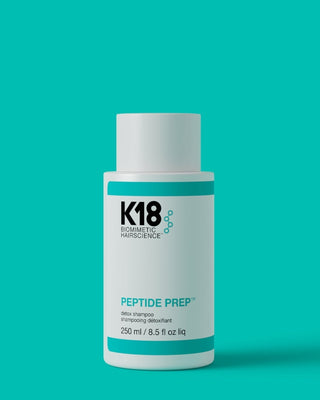
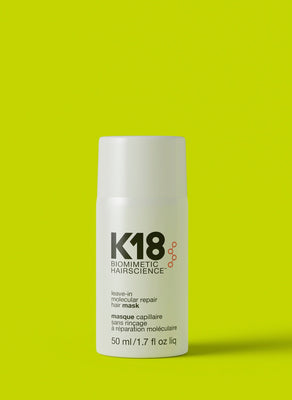
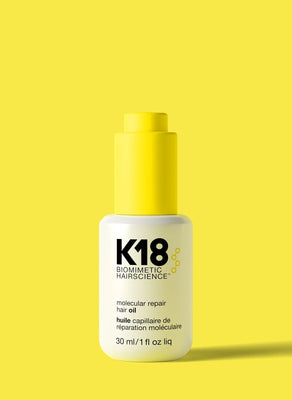
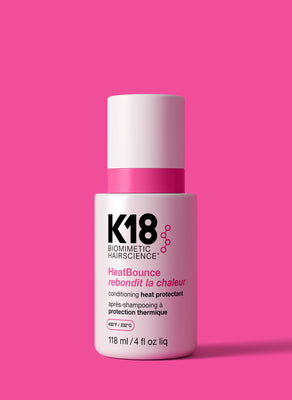
This is where targeted, science-led repair earns its place. Rather than sitting on the surface, biotech repair works at the molecular level to help restore strength and resilience, so your hair looks and feels closer to new while your body handles the deeper work. Explore the full range of proven K18 bestsellers to find the right fit, or browse the complete treatment collection for molecular repair if breakage is your main concern.
[collection-carousel="bestsellers"]
Which Products Support Damaged, Shedding-Prone Hair?
Consistency beats intensity. A simple, repeatable routine that reinforces the hair fibre helps you make the most of every millimetre of new growth.
[product-feature="k18-leave-in-molecular-hair-mask-5ml-keratin-chains"]
What Should You Do Next?
You do not need to guess your way through hair loss. A focused set of blood tests, read with your hair in mind, turns anxiety into a plan. Here is how to move forward with confidence.
-
Book a panel that includes ferritin, iron studies, zinc, B12, folate, vitamin D, and thyroid function.
-
Get your exact numbers and check ferritin against the hair-friendly target, not just the anaemia cut-off.
-
If low, correct it under medical guidance and retest to avoid overshooting into iron overload.
-
If high or otherwise unusual, investigate the underlying cause with your doctor.
-
Protect and strengthen your existing hair while regrowth catches up.
To pair your internal reset with real strand repair, browse the full complete K18 haircare collection and build a routine you can stick to.
[collection-carousel="treatment-routine"]
[product-feature="k18-leave-in-molecular-hair-mask-5ml-keratin-chains"]
The Takeaway On Ferritin, Iron And Hair
Low ferritin is one of the most common and most missed drivers of diffuse thinning, and a "normal" result is not always good enough for hair. Aim for optimal, not just adequate, and never look at ferritin in isolation. Zinc, B vitamins, thyroid, and vitamin D all deserve a seat at the table.
Correction takes months, not days, so give it time and keep monitoring so you stay safely in range. Treat any unusual result, high or low, as a prompt to speak with a professional, because your hair is often the first messenger of a bigger story. Do the internal work, protect the strand, and let hair like new come back on its own timeline. None of this replaces personalised medical advice, so use your results as a starting point for a conversation with your doctor.
