

Starting hormone replacement therapy can shift your hair in ways that feel exciting, confusing, and sometimes both at once. The link between HRT and hair growth is real, but it does not follow a single script. Some people notice softer strands within weeks, others watch new hair fill in where they thought it was gone for good, and a few see their curl pattern change entirely.
Here is the honest version. Hormones influence how oily your scalp gets, how thick each strand feels, and even how your hair grows in previously thinning zones. That said, the effects vary a lot from person to person, and clinical reviews for trichologists stress that response depends on hormone type, your baseline hormonal balance, and how your follicles respond. What hormones cannot do is rewrite every follicle overnight or guarantee a perfect result. Below, we map what tends to change, what usually stays put, and how to adapt your routine so your hair stays healthy through the transition.
How Does HRT Affect Hair Growth And Texture?
Hair responds to hormones because follicles carry receptors that read your hormonal environment. When those signals shift, the way hair grows, sheds, and behaves can shift too. This is well established. Reviews of hormonal effects on hair follicles confirm that follicles express hormone receptors, especially androgen and oestrogen receptors, and that hormonal signals alter follicle cycling and growth rate. The changes are gradual, not instant, because follicles cycle through their growth phases slowly rather than switching overnight.
What Are The Most Common Early Changes?
The pattern people report most often is a drop in oiliness. When sebum production slows, hair that once looked greasy by the end of the day can stay fresh for longer. Many find they no longer need to wash daily, which is a welcome change for scalp comfort and styling flexibility. Worth a reality check though. The evidence here is still emerging, and not everyone responds the same way. Oestrogen-based therapy can reduce scalp oiliness in some people, but reviews describe these hair-oil changes as variable, and a few notice little difference or even the opposite.
Alongside this, hair frequently feels softer. Finer, silkier strands are a commonly reported early sign that your hormonal profile is influencing the hair shaft, and clinical reviews of hormones and hair growth note that hormonal shifts can change hair texture and diameter, sometimes before obvious thinning appears. That said, experts have different views on how consistently softening happens, so treat it as a common possibility rather than a promise.
Can HRT Change Whether Your Hair Is Curly Or Straight?
Texture can move too, though this one is less predictable. Some people find their hair becomes wavier or curlier, while others notice it drops into a straighter fall. A peer-reviewed review of the menopausal transition supports the idea that hormonal change can alter hair texture, with softer, finer, wavier or curlier hair reported in some people. The straighter-hair direction is less firmly established and sits closer to anecdote, so the honest takeaway is that texture can shift, but the direction is not something we can predict for you. Stay curious rather than fixed on a specific outcome.
If new waves or curls appear, they may need different handling than you are used to. Curl-friendly techniques such as gentler detangling, richer moisture, and drying without roughing up the strand can make a big difference in how that new texture looks.
Does HRT Stimulate Hair Regrowth In Thinning Areas?
This is one of the most encouraging patterns for anyone who has experienced pattern thinning. Some people report new growth returning to areas that had been receding, including around the temples and along the hairline. Keep expectations grounded though. The clinical evidence on oestradiol therapy suggests HRT is generally stronger at slowing loss and improving existing thinning than at fully reversing a receded hairline, and research in this area shows results differ widely between individuals.
Where Does Regrowth Usually Show Up First?
Follicles that were miniaturised rather than fully lost have the best chance of waking up. That part is well supported. Density can improve across the crown as strands that were producing fine, weak hairs begin producing sturdier ones. As for where regrowth appears first, the evidence is mixed. Some HRT-treated patients see frontal hairline improvement, but clinical guidance on female pattern hair loss notes that temple thinning is not the typical starting pattern, so do not be surprised if your own sequence looks different.
Expect patience to be part of the process. Hair grows slowly, so meaningful regrowth is usually measured in months, not weeks. A clinical review of hormonal therapy in female pattern hair loss notes that significant improvement can take months to years, with efficacy often assessed after around six months. Early signs might be a soft fuzz of fine new hairs before they mature into fuller strands.
What Regrowth Should You Not Expect?
It is worth being clear-eyed. Follicles that have been dormant for a very long time may not respond, and results differ widely between individuals. Evidence shows HRT can support regrowth where the follicle is still viable, but it is not a guaranteed reversal for every affected area, and established or long-dormant loss is less likely to fully recover. If hair loss is a major concern, a conversation with a medical professional can help set realistic expectations and rule out other contributing factors.
Which Hair Changes Are Normal And Which Ones Warrant A Check?
Knowing what is typical helps you relax into the process instead of second-guessing every strand on your pillow.
|
Change |
Typical Or Concerning |
What It Usually Means |
|---|---|---|
|
Less oily scalp |
Typical for some |
Sebum production may slow, so washing frequency can drop, though this varies |
|
Softer, finer strands |
Typical |
The hair shaft is responding to hormonal shifts |
|
New growth at temples or hairline |
Possible and welcome |
Viable, miniaturised follicles may become active again |
|
Wavier or straighter texture |
Variable but normal |
Texture can shift, though the direction is unpredictable |
|
Dryness or brittleness after washing |
Manageable |
Lower oil output may need extra moisture support |
|
Sudden heavy shedding across the whole head |
Worth checking |
Could relate to stress, nutrition, or other factors, so speak with a professional |
When Should You Seek Professional Advice?
Gradual, patchy, and evolving changes are usually part of the journey. Rapid, widespread shedding, unusual scalp irritation, or hair loss that feels out of step with your expectations deserves a chat with a doctor or trichologist. Sudden or diffuse shedding can point to telogen effluvium, which the Cleveland Clinic links to major stressors, while nutritional gaps such as low iron or protein can also play a role. For a broader look at how shifting hormones influence the hair cycle, the guide to hormonal changes and hair growth offers helpful context that applies across many hormonal transitions.
How Should You Adjust Your Hair Care Routine During HRT?
As oil production and texture shift, the routine that once worked can start to feel out of sync. The good news is that adapting is straightforward once you know what to watch for.
What Should You Change First?
-
Wash less often. If your scalp is producing less oil, daily washing can strip needed moisture. Dermatology guidance from the Cleveland Clinic agrees that drier scalps often do better washing every few days rather than daily. Stretch out your wash days and see how your hair responds.
-
Add moisture back in. Lower sebum means hair can tip toward dryness. Hydrating and conditioning products help keep strands supple.
-
Rethink styling for new texture. If waves or curls appear, lean into techniques that define and protect them rather than fighting the change.
-
Protect fragile new growth. Fresh regrowth is delicate, so gentle handling and heat protection matter more than ever.
Why Does Repair Matter When Texture Is Changing?
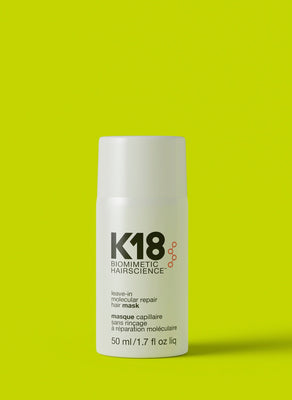
Hair that is softening or growing back can also be more prone to damage from heat, colour, and daily wear. This is where molecular repair earns its place. The K18 leave-in molecular repair hair mask works inside the strand to help restore strength, which is exactly what softer or newly regrowing hair benefits from. It is a smart way to keep your hair resilient while your routine is still settling.
[tip-text="Give any new routine a fair trial of four to six weeks before judging it. Hair changes slowly, and constant switching makes it hard to know what is actually working."]
What The Research Says About HRT And Hair
Here is the science, kept simple and honest.
-
Hair follicles carry hormone receptors, so hormonal signals can genuinely change how hair grows, sheds and behaves. This is well supported.
-
Hormonal shifts can make hair feel softer and finer, sometimes before any thinning is noticed. Reviews back this up as a common change.
-
Regrowth is slow and steady. Expect months rather than weeks, with early new hairs often coming in fine before they thicken.
-
Where follicles are still viable, HRT may support regrowth, but complete reversal is not guaranteed and results vary widely from person to person.
-
The evidence is still emerging on oiliness. Some people wash less often on HRT, but this is variable and not a universal rule.
-
Texture can shift, yet the direction is unpredictable. Wavier or curlier hair is reported more often than straighter hair, and experts do not agree on a consistent pattern.
What Products Support Healthier Hair Through Hormonal Change?
The aim during any hormonal shift is simple. Keep the hair you have strong, support the hair coming back, and adapt to whatever texture arrives.
Which Repair And Protection Options Are Worth Considering?
-
Molecular repair treatments to reinforce strands from within, especially useful as hair softens or regrows.
-
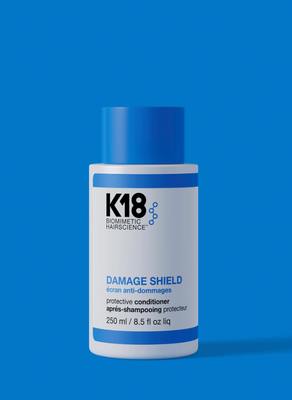
Damage-shielding conditioners to protect against breakage while you fine-tune your washing rhythm.
-
Hydration-focused care to counter dryness once oil production drops.
For a professional-strength option, the professional leave-in molecular repair mask is designed for hair that needs serious reinforcement, and it pairs well with a gentler washing schedule. To keep strands guarded between treatments, the damage-shield protective conditioner helps preserve strength so new and existing hair stays in better shape.
[collection-carousel="treatment-routine"]
What To Do Next And How We Can Help
Working with your hair, rather than against it, is the whole game. As your routine adapts, focus on repair, hydration, and gentle handling, then let time do the rest.
What Are Your Practical Next Steps?
-
Track your changes for a few weeks so you can tell what is genuinely shifting.
-
Reduce washing frequency if your scalp is less oily, and add moisture back where needed.
-
Introduce a molecular repair treatment to keep softer or regrowing hair strong.
-
Experiment with styling that suits any new texture instead of forcing the old one.
-
Seek professional advice if shedding is sudden, heavy, or worrying.
[product-feature="k18-leave-in-molecular-repair-hair-mask-5ml"]
If you are ready to build a routine that supports healthier, stronger hair through this change, explore the full range and find the combination that fits your hair right now.
[collection-carousel="bestsellers"]
Key Takeaways On HRT And Hair
Hormonal shifts can reshape your hair in real and often positive ways. The most commonly reported changes are less oiliness and softer strands, while regrowth in thinning areas is a genuine possibility for follicles that are still viable, even if the evidence on exactly who benefits is still developing.
-
Softer hair and reduced oil are common and usually welcome, though responses vary.
-
Regrowth can start at the temples and hairline but takes patience and is not guaranteed.
-
Texture may shift toward waves or straighter hair, so stay flexible.
-
Adjust washing, add moisture, and protect fragile new growth.
-
Persistent heavy shedding is worth a professional check.
Set realistic expectations, adapt your care as you go, and give your hair the support it needs to come through the change looking and feeling its best.
