

Finding more hair than usual on your pillow, in the shower drain, or wrapped around your brush can be unsettling. When you are also navigating a new baby or the shifting hormones of your late thirties and forties, working out whether you are dealing with postpartum vs perimenopausal hair loss becomes the first, most important question. The two can look similar on the surface, yet they behave differently over time and respond to different care.
Both types of shedding are usually driven by hormones, and both are common. Postpartum shedding tends to be a temporary reset after pregnancy, while perimenopausal thinning is often a slower, longer shift tied to changing oestrogen levels. Knowing which one you are facing helps you set realistic expectations, protect the hair you have, and know when it is smart to loop in a professional.
Below, you will learn how each type of hair loss works, how to tell them apart, what a normal timeline looks like, and the practical steps that actually support recovery and strength.
What Is Postpartum Hair Loss And Why Does It Happen
During pregnancy, higher oestrogen levels keep more hairs locked in their growing phase for longer. Clinical guidance from the Cleveland Clinic and Johns Hopkins Medicine confirms this, noting that rising oestrogen prolongs the growth phase and reduces normal shedding. That is why so many people feel their hair looks thick and glossy while pregnant. After birth, hormone levels drop quickly, and the hairs that were hanging on shift into shedding mode at roughly the same time.
This synchronised shedding is called telogen effluvium. It can feel dramatic because a large volume of hair releases in a short window, but it is your body returning to its normal cycle, not a sign of permanent loss.
When Does Postpartum Shedding Usually Start And Stop
Most people notice the shed between two and four months after birth, with a peak around the four month mark. Reputable clinical sources broadly agree, though the exact peak varies, with some placing it closer to four to six months. For the majority, it settles within six to twelve months as new growth comes through, and research tracking postpartum shedding has found the average end point sits around eight months.
-
Onset - typically two to four months postpartum.
-
Peak - often around month four.
-
Recovery - usually improving by six to twelve months.
-
Regrowth signs - short baby hairs along the hairline and part.
If your shedding is heavy but you can see fine new strands sprouting near your temples, that is a reassuring sign the cycle is doing its job.
What Is Perimenopausal Hair Loss And How Is It Different
Perimenopause is the transition leading into menopause, often starting in the late thirties or forties. According to the Cleveland Clinic, it most commonly begins in the mid to late forties, though it can start earlier for some. Oestrogen and progesterone begin to fluctuate and gradually decline, while the relative influence of androgens can increase. This shift changes how your follicles behave over time.
Rather than a single dramatic shed, perimenopausal hair loss is usually a slower thinning. Evidence backs this up, with medical sources describing gradual, diffuse thinning at the crown or part line rather than sudden loss. Individual strands can become finer, the ponytail feels less full, and the part may look wider. A 2023 review of the menopausal transition notes these follicle changes tend to build quietly across months and years instead of arriving in one wave.
How Severe And Varied Can Perimenopausal Symptoms Be
Community observations and lived experience suggest that perimenopause can bring a wider and sometimes more intense range of changes than postpartum shedding. Alongside thinning hair, people often report weight that is harder to shift, disrupted sleep, and mood swings that clump together during the same period.
This is a nuanced pattern rather than a fixed rule, so your experience may be milder or different. Still, if hair changes arrive as part of a bigger cluster of symptoms, perimenopause is worth considering seriously.
How Can You Tell Postpartum And Perimenopausal Hair Loss Apart
The clearest clues come from timing, pattern, and what else is happening in your body. Postpartum loss is tied tightly to a recent birth and tends to be short-lived. Perimenopausal thinning is tied to age and hormonal transition and tends to persist and evolve.
Which Signs Point To Each Type
|
Feature |
Postpartum hair loss |
Perimenopausal hair loss |
|---|---|---|
|
Trigger |
Sudden hormone drop after birth |
Gradual hormone fluctuation with age |
|
Onset |
Two to four months after delivery |
Slow, often across the late thirties and forties |
|
Pattern |
Heavy, diffuse shedding in a short burst |
Progressive thinning, wider part, finer strands |
|
Timeline |
Usually resolves within a year |
Ongoing, may need long-term management |
|
Companion symptoms |
Postnatal fatigue, feeding-related changes |
Hot flushes, insomnia, mood shifts, weight changes |
|
Regrowth |
New baby hairs commonly visible |
Regrowth can be slower and finer |
What About Older New Mums Who Could Be Both
Here is the tricky part. If you have had a baby later in life, you can genuinely be experiencing postpartum shedding and early perimenopause at the same time. In that case, the timing clue still helps. If the heavy shed starts a few months after birth and eases within a year, postpartum is likely leading, a pattern that matches how clinical sources describe the typical postpartum timeline. If thinning lingers well past twelve months or arrives alongside sleep and mood changes, perimenopause may be at play too.
You do not have to solve this alone. Tracking your symptoms over a few weeks gives you and a clinician a much clearer picture. A short overview of the hormonal shifts involved can be found in this practical guide to menopause and hair changes.
What Is Normal And When Should You Seek Help
Some daily shedding is completely normal. According to the American Academy of Dermatology, most people lose somewhere in the range of fifty to one hundred hairs a day, and that number naturally rises during a postpartum shed. The goal is to notice the difference between an expected phase and something that warrants professional input.
Which Warning Signs Suggest You Should See A Professional
-
Shedding that continues heavily beyond twelve months postpartum.
-
Visible bald patches, a receding hairline, or hair coming out in clumps.
-
Thinning paired with fatigue, unexplained weight change, or irregular cycles.
-
Scalp itching, redness, tenderness, or flaking.
-
Any sudden, rapid loss that feels out of proportion.
These can point to thyroid issues, iron deficiency, or other treatable causes, so they deserve a proper check rather than guesswork.
Why Finding An Informed Doctor Matters
A recurring theme in community conversations is that support quality varies. Some people feel their concerns are brushed off, while others find real relief once they connect with a clinician who understands hormonal transitions. If you feel unheard, it is reasonable to seek a second opinion or ask specifically about hormone-related options.
For some, approaches such as hormone replacement therapy have made a meaningful difference to symptoms, including hair. That said, the evidence is still emerging and results are inconsistent. A 2023 clinical study found oestradiol-based therapy improved some hair measures over three to six months, yet other reviews report it helps some women while worsening thinning in others depending on the formulation. It is very much a personal medical decision, so treat it as a conversation to have with a qualified professional rather than a one-size-fits-all answer.
How Can You Support And Strengthen Hair Through The Shed
While you cannot switch hormones off, you can protect the strands you keep and help new growth arrive stronger. Hair coming through during and after a shed is often fine and vulnerable, so gentle handling and smart repair matter.
Which Everyday Habits Protect Fragile Hair
-
Handle wet hair gently, since it stretches and snaps more easily.
-
Use a wide-tooth comb and detangle from the ends upward.
-
Ease off tight ponytails and buns that tug at the hairline.
-
Apply heat protection and keep hot tools to a sensible minimum.
-
Prioritise sleep and balanced nutrition, including protein and iron-rich foods.
[tip-text="New growth is delicate, so avoid tight styles at the hairline where fragile baby hairs live."]
How Does Molecular Repair Help New And Weakened Strands
Hair strength comes from the internal keratin structure, and damage from colour, heat, and daily wear breaks the bonds that hold that structure together. The science backs this. A 2022 review on hair care physicochemistry confirms that hair's mechanical strength largely comes from the keratin-rich cortex and its cross-linked disulfide bonds, and that colouring, bleaching and heat can disrupt those bonds and degrade the keratin structure. Repairing at the molecular level helps hair feel fuller, resist breakage, and behave better while it recovers.
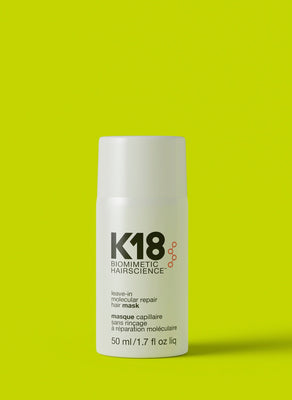
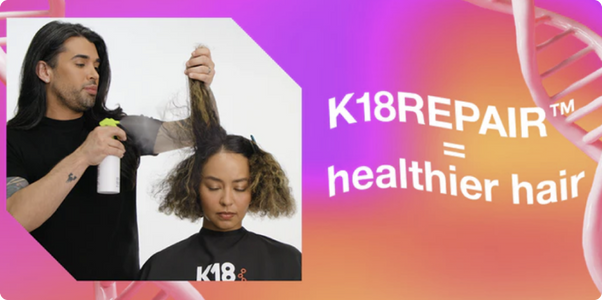
A targeted treatment like the leave-in molecular repair hair mask works from the inside of the strand to rebuild strength in minutes, which is ideal when new growth needs all the support it can get. For a more complete routine, the complete repair bundle pairs cleansing and treatment for consistent results.
What the research says about hormonal hair loss
-
Postpartum shedding is a well-documented, temporary reset. Leading clinics agree it is driven by the rapid drop in oestrogen after birth, and clinical research found the shed typically resolves within a year.
-
Normal daily shedding sits between fifty and one hundred hairs a day, so a busier brush during a postpartum phase is expected rather than alarming.
-
Perimenopausal thinning is usually gradual and persistent, tends to affect the crown and part line, and often arrives alongside other hormonal shifts.
-
Hair's strength is built into its keratin structure, and protecting or rebuilding those internal bonds is a genuinely evidence-backed route to stronger strands.
-
Hormone replacement therapy is where the picture gets murkier. The evidence is mixed, with some women seeing hair benefits and others none, so it is best explored one-on-one with a clinician.
What Should You Do Next
Start by naming the phase you are in. Note when the shedding began, how it looks, and whether other symptoms are showing up. That single step tells you a lot about whether you are likely dealing with a temporary postpartum reset or a longer perimenopausal shift.
From there, protect what you have and give new growth the best possible foundation with gentle handling and proper repair.
-
Track your timeline and symptoms for two to four weeks.
-
Book a check if warning signs appear or thinning persists.
-
Build a gentle, repair-focused hair routine you can keep up.
[collection-carousel="treatment-routine"]
[product-feature="k18-leave-in-molecular-repair-hair-mask-5ml"]
[collection-carousel="bestsellers"]
Key Takeaways On Hormonal Hair Loss
Postpartum shedding is usually a short, dramatic wave that settles within a year, with fresh baby hairs signalling recovery. That timeline is well supported across clinical sources. Perimenopausal thinning is slower, more persistent, and often arrives with other hormonal changes that deserve attention.
You can be experiencing both, especially as an older new mum, so lean on timing and companion symptoms to guide you. Seek professional support when signs feel severe, sudden, or stubborn, and do not settle for care that dismisses your concerns.
Whatever the cause, gentle habits and molecular-level repair help your hair come back stronger. With the right expectations and the right support, hair like new is a genuinely realistic goal.
