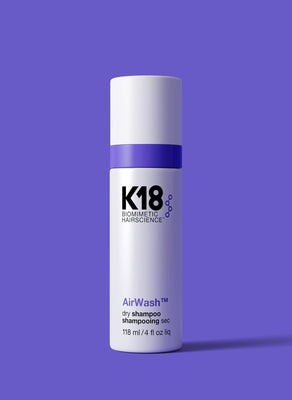
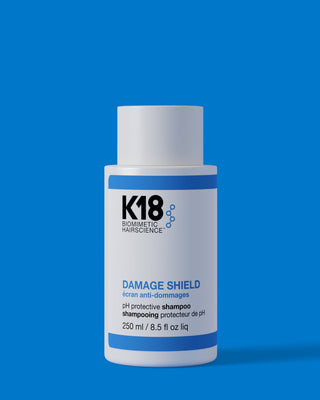
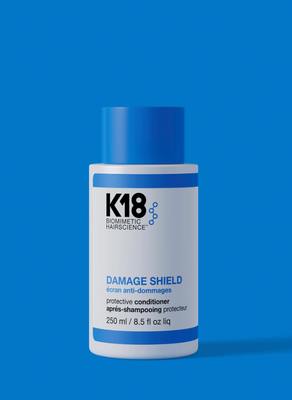
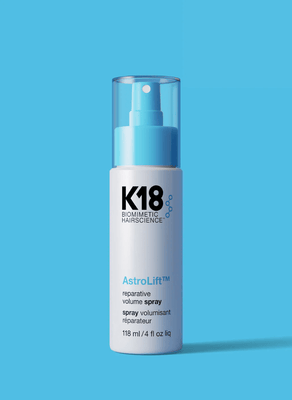


If you've ever wondered what does purple shampoo do for your blonde, silver, or highlighted hair, you're not alone. This colour-correcting powerhouse has become a staple in maintaining cool tones and banishing unwanted brassiness. But understanding how purple shampoo works and when to use it can mean the difference between salon-worthy results and an accidental purple tint.
Purple shampoo works on a fundamental principle of colour theory - purple sits opposite yellow on the colour wheel, allowing it to neutralise warm, brassy tones that naturally develop in lightened hair. Research into colour science confirms that these complementary colours cancel each other out when combined, creating optical neutralisation. The science is straightforward, but the execution requires precision to avoid common pitfalls like overtoning or uneven colour correction.
Whether you're dealing with fresh highlights that have turned brassy or trying to maintain that perfect cool blonde, understanding the mechanisms behind purple shampoo will help you achieve consistent, professional results at home.
What Is Purple Shampoo and How Does It Work
Purple shampoo is essentially a toning shampoo that deposits violet pigments onto your hair shaft. Multiple colour science studies confirm these pigments work by counteracting yellow and orange undertones that become visible when hair lightens naturally or through chemical processing.
Why Does Hair Turn Brassy in the First Place
Hair develops brassy tones for several scientific reasons. When hair is bleached or lightened, the process strips away natural melanin pigments. However, yellow and orange pigments are some of the most stubborn to remove, often lingering even after extensive lightening treatments. Professional colourist research shows these warm undertones persist because they're harder to fully lift during the bleaching process. Additionally, environmental factors like sun exposure, pollution, and even mineral deposits in water can cause existing cool tones to fade, revealing underlying warmth.
The molecular structure of yellow pigments makes them particularly persistent. These warm undertones become more pronounced over time, which is why even perfectly cool blonde hair can develop brassiness between salon visits.
How Purple Pigments Neutralise Unwanted Tones
The neutralisation process works through complementary colour theory. When purple pigments are deposited onto hair strands, they create an optical effect that cancels out yellow tones. The purple molecules temporarily attach to the hair cuticle, creating a visual balance that makes hair appear cooler and more neutral.
This process is temporary and builds up with repeated use. Unlike permanent hair colour, purple shampoo pigments sit on the hair's surface rather than penetrating deeply into the cortex.
Which Hair Types Benefit Most From Purple Shampoo
Purple shampoo works most effectively on hair that's already been lightened to a pale yellow or blonde level. Understanding your starting point is crucial for setting realistic expectations about results.
What Level of Lightness Do You Need
For purple shampoo to be effective, your hair needs to be lightened to at least a level 9 or 10 on the hair colour scale. On darker blonde hair (levels 6-8), purple shampoo may have minimal visible impact because the underlying pigments are too strong to neutralise with surface-level toning.
-
Platinum blonde hair responds dramatically to purple shampoo
-
Silver and grey hair benefits from regular purple toning
-
Highlighted hair sees improvement in the lightest sections
-
Natural blonde hair may need minimal purple intervention
Different Hair Conditions and Their Response
Damaged or highly processed hair tends to absorb purple pigments more readily than healthy hair due to increased porosity from chemical processing. This means you may need shorter contact times and less frequent applications to avoid overtoning. Conversely, hair with intact cuticles may require longer processing times or more concentrated formulas to achieve visible results.
Chemically straightened or permed hair often has altered porosity, which can affect how evenly purple pigments distribute. These hair types may benefit from specialised repair treatments alongside colour maintenance.
How Often Should You Use Purple Shampoo
Frequency of purple shampoo use depends on multiple factors including your hair's condition, the intensity of brassiness, and your desired tone maintenance schedule.
What Determines Your Usage Schedule
Most people achieve optimal results using purple shampoo 1-3 times per week, though professional hair care guidelines suggest starting with 1-2 times weekly to avoid overdrying. However, your specific schedule should be based on how quickly your hair develops warm tones and how your hair responds to the product.
|
Hair Condition |
Recommended Frequency |
Processing Time |
Key Considerations |
|---|---|---|---|
|
Fresh highlights |
2-3 times per week |
2-3 minutes |
Monitor for overtoning |
|
Established blonde |
1-2 times per week |
3-5 minutes |
Adjust based on brassiness |
|
Silver/grey hair |
2-3 times per week |
5-10 minutes |
May need longer processing |
|
Damaged hair |
1-2 times per week |
1-2 minutes maximum |
Risk of uneven absorption |
How to Recognise When You Need More or Less
Your hair will tell you when to adjust your purple shampoo routine. If brassiness appears within 2-3 days of washing, you may need to increase frequency or processing time. Conversely, if your hair develops a purple or ash tone that looks unnatural, reduce usage immediately.
Signs you're using too much purple shampoo include a greyish cast, purple-tinted ends, or hair that looks flat and lacking dimension. These effects typically wash out within 2-3 regular shampoos, but prevention is always better than correction.
How to Prevent Overtoning and Purple Buildup
Overtoning is one of the most common purple shampoo mistakes, but it's easily preventable with proper technique and timing.
What Causes Purple Buildup
Purple buildup occurs when pigments accumulate faster than they fade naturally. Professional styling research confirms this often happens with highly damaged or porous hair that absorbs colour readily, or when users leave the product on too long or use it too frequently.
The condition of your hair cuticles plays a significant role in how pigments deposit. Lifted or damaged cuticles allow for faster absorption, while smooth, healthy cuticles provide more control over the toning process.
Techniques for Controlled Application
Start with shorter processing times and gradually increase as needed. Begin with 30-60 seconds for your first application, then assess the results. Many experienced users find success with the "watch and rinse" method - monitoring their hair's colour change in real-time rather than following strict timing guidelines.
-
Apply to damp, towel-dried hair for more even distribution
-
Focus on the most brassy areas first
-
Avoid concentrating product on already cool-toned sections
-
Rinse with cool water to help close cuticles and lock in results
[tip-text="Test purple shampoo on a small, hidden section first to gauge how your hair responds before applying to your entire head"]
What Are Alternative Methods to Purple Shampoo
While purple shampoo is effective, it's not the only way to maintain cool tones in lightened hair. Understanding your options helps you choose the best approach for your specific needs.
How Do Purple Conditioners Compare
Purple conditioners often provide more controlled toning than shampoos because they don't have cleansing agents that can strip colour unevenly. The evidence on controlled toning is still emerging, though industry experience suggests the conditioning base allows for longer processing times without over-drying the hair, and the slip provided by conditioners helps ensure even distribution.
Many professionals recommend using purple conditioner as a weekly treatment, leaving it on for 10-20 minutes for enhanced brass neutralisation. This method can be particularly effective for those who find purple shampoos too harsh or unpredictable.
When Professional Toning Services Make Sense
Professional toners offer more precise colour correction than at-home purple products. Industry comparisons consistently show salon toners can be customised to your exact needs and applied with professional techniques that ensure even results. Consider professional services when:
-
You have significant colour variation across different sections
-
Home toning attempts have created uneven results
-
You want to achieve a specific cool tone beyond basic brass removal
-
Your hair requires colour correction due to overtoning or damage
[collection-carousel="treatment"]
How to Maintain Hair Health While Using Purple Shampoo
Purple shampoos can be drying due to their cleansing agents and toning pigments. Hair care studies confirm that strong cleansing agents strip natural oils, making hair feel rough and tangled, especially on porous or bleached hair. Maintaining hair health requires balancing colour correction with proper moisture and protection protocols.
What Ingredients to Look For and Avoid
High-quality purple shampoos incorporate moisturising and protecting ingredients alongside their toning pigments. Look for formulations that include hydrating agents, proteins for strength, and UV filters to prevent future brassiness.
Beneficial ingredients include keratin proteins, natural oils, and conditioning agents that help counteract the potentially drying effects of frequent toning. Research confirms these components are commonly found in professional-grade purple shampoos for strengthening and hydration. Avoid formulations with excessive sulphates or alcohol, which can exacerbate dryness and damage.
How to Integrate Repair Treatments
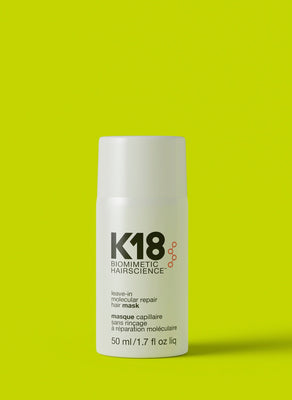
Regular repair treatments become even more important when using colour-correcting products. Molecular repair treatments can help maintain hair strength and elasticity while you manage colour maintenance.
The molecular structure of damaged hair can affect how evenly purple pigments deposit, so addressing underlying damage often improves toning results. Professional-grade treatments that work at the molecular level can restore hair's natural ability to hold colour evenly.
[product-feature="k18-leave-in-molecular-repair-hair-mask-5ml"]
Balancing Cleansing and Colour Maintenance
Alternate between your purple shampoo and a gentle, damage-protecting cleanser to maintain scalp health and prevent product buildup. This rotation helps preserve your hair's natural moisture while keeping brass at bay.
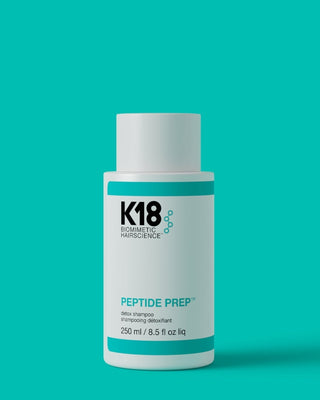
Consider using a clarifying treatment periodically to remove any accumulated pigments or styling products that might interfere with even toning. This creates a clean slate for more predictable purple shampoo results.
[product-feature="k18-official-retail-peptide-prep-detox-shampoo"]
[collection-carousel="maintenance-routine"]
What the Research Says About Purple Shampoo
-
Colour theory works: Studies confirm that complementary colours (purple and yellow) neutralise each other when combined, creating optical balance in hair.
-
Porosity matters: Damaged hair absorbs purple pigments more readily, requiring careful timing to avoid overtoning.
-
Environmental factors accelerate brassiness: UV exposure, pollution, and hard water minerals all contribute to cool tone fading.
-
Professional vs. at-home results vary: Evidence shows salon toners provide more precise correction, though not all studies agree on the degree of difference for maintenance purposes.
-
Frequency guidelines aren't one-size-fits-all: While most sources recommend 1-2 times weekly, experts have different views on optimal usage patterns depending on individual hair needs.
What to Expect From Purple Shampoo Results
Setting realistic expectations helps you use purple shampoo effectively and avoid disappointment. Understanding what purple shampoo can and cannot achieve guides better product selection and usage patterns.
How Quickly Should You See Changes
Most people notice some brass reduction after the first use, with cumulative effects becoming apparent over 3-5 applications. However, dramatic changes aren't always immediate or desirable - gradual improvement often looks more natural than sudden colour shifts.
The timeline for optimal results varies significantly based on your starting level of brassiness, hair condition, and the specific purple shampoo formula you're using. Patience and consistency typically yield better results than aggressive initial treatments.
What Purple Shampoo Cannot Fix
Purple shampoo works only on surface-level colour correction. It cannot lighten hair that isn't already blonde enough, repair significant colour damage, or create dramatic colour changes. Understanding these limitations helps you choose appropriate expectations and complementary treatments.
For hair with multiple tone issues or significant damage, professional colour correction may be necessary before purple shampoo can be effective. Sometimes the underlying colour needs professional adjustment before at-home maintenance can succeed.
How K18 Can Support Your Colour Maintenance Journey
Maintaining beautiful colour requires more than just the right toning products. Your hair's underlying health and molecular integrity directly impact how well it holds colour and responds to maintenance treatments.
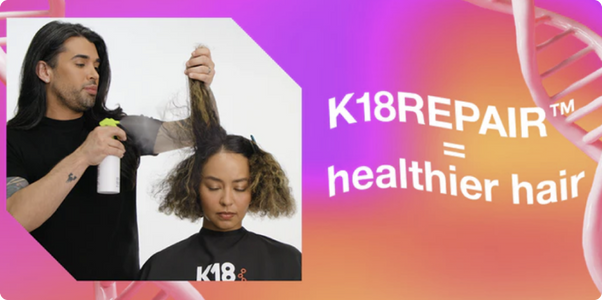
K18's biotech-driven approach addresses colour-treated hair at the molecular level, helping restore the structural damage that can interfere with even colour results. When your hair's natural keratin chains are repaired, colour settles more evenly and lasts longer between touch-ups.
The K18PEPTIDE™ technology works by reconnecting broken keratin chains damaged by bleaching and chemical processing. This molecular repair creates a stronger foundation for colour maintenance, whether you're using purple shampoo or professional toners.
[collection-carousel="bestsellers"]
Key Takeaways for Successful Purple Shampoo Use
Purple shampoo is a powerful tool for maintaining cool tones in lightened hair, but success depends on understanding your hair's specific needs and responding accordingly. Start with conservative application times and frequencies, then adjust based on your hair's response.
Remember that purple shampoo works best as part of a comprehensive hair care routine that includes proper cleansing, conditioning, and repair treatments. The healthier your hair's underlying structure, the more predictable and effective your colour maintenance results will be.
Consistent, gentle use typically produces better long-term results than sporadic intensive treatments. Pay attention to your hair's signals and adjust your routine accordingly - your hair will guide you toward the perfect purple shampoo schedule.
